BETA nonprofit public democratic european moderated

Search

#who

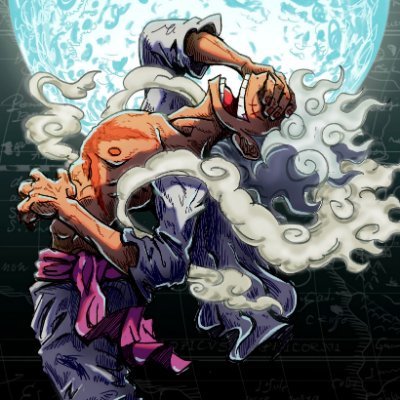
One Piece Spoils summarized the section dedicated to Sanji in chapter 1195. According to their account, Sanji rose from the rubble and attacked Killingham, hitting him with kicks until he tore his body apart. However, Killingham regenerated before transforming into a hybrid form, with the lower body of a kirin and the upper body of a human. He then fired a laser that knocked Sanji down, injuring him in the shoulder with his spear. The account mentioned that Sanji then remembered Gaban's words, who had criticized him for underestimating himself. He also recalled several moments where he had sacrificed himself for his companions, in the Baratie, Skypiea, Thriller Bark, Zou, and Whole Cake Island arcs. Sanji then understood that these sacrifices were not meant to devalue himself, according to the summary. As Sanji was injured, the dance music of the okamas from the Kamabakka kingdom came back to his memory. One Piece Spoils then reported a memory of Ivankov, who kept telling Sanji that he had a serious weakness. #OnePiece #Sanji #Manga (translated)

The author argued that a possible plague outbreak in Russia was another reason to tighten transit rules for Russian citizens in Europe, saying it was unclear who had travelled through affected areas or whom they had contacted. They also questioned the reliability of information from Russia about the outbreak. #PlagueOutbreak #PublicHealth #Russia #RU

The author wrote that MAGA had been present on the pro-Russian side in Republika Srpska’s election. They said James Blair ran MAGA Inc., which they described as Trump’s main midterm super PAC, and that Chris LaCivita co-managed Trump’s 2024 campaign. The author described the Western Balkans as a test of whose influence shaped Europe’s democracies and ended with the words “Remember that MAGA”. #MAGA #Elections #WesternBalkans #RS

The author wrote that Russian journalist Anna Politkovskaya had been murdered in Moscow 20 years earlier and shared a video in which she spoke about Vladimir Putin, whom the author called a dictator. The author added that Putin’s birthday was being marked that day. https://t.co/v4Jkx9qtKp #AnnaPolitkovskaya #Putin #Journalism #RU

The author wrote that France was “burning again” and drawing attention from around the world. They accused people involved in the unrest of damaging the country despite having received asylum, education, housing, healthcare and welfare support for their parents. https://t.co/qFof79QJoT #France #Protests #Solidarité #FR (translated)

The author wrote that people around the world remembered the victims of what they described as a horrific terrorist attack against the Jewish nation on October 7. They said they had been given the opportunity to commemorate the victims in Jerusalem and wished that their memory would be a blessing. https://t.co/dJp4DZR096 #NeverForget #Jerusalem #Memory #IL

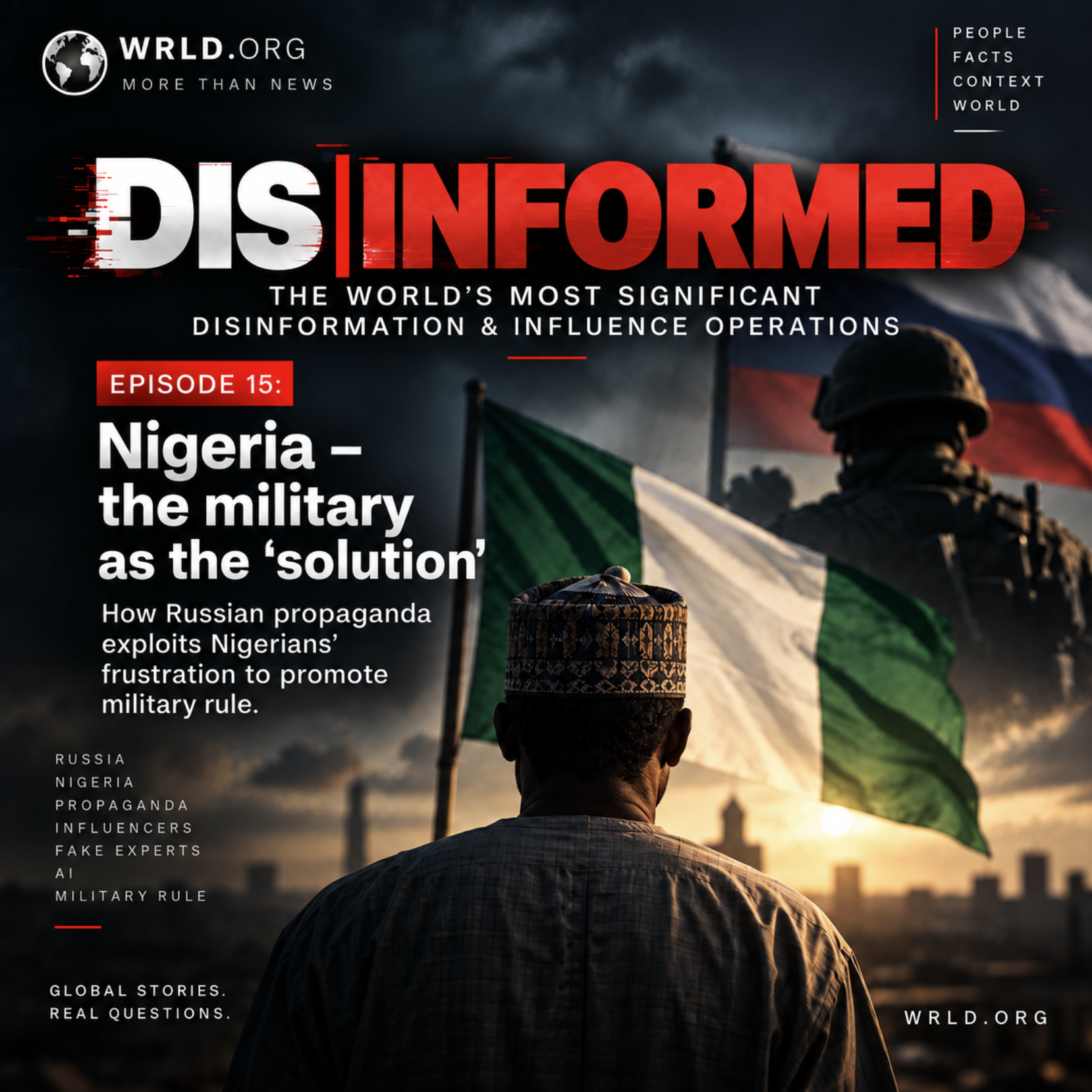
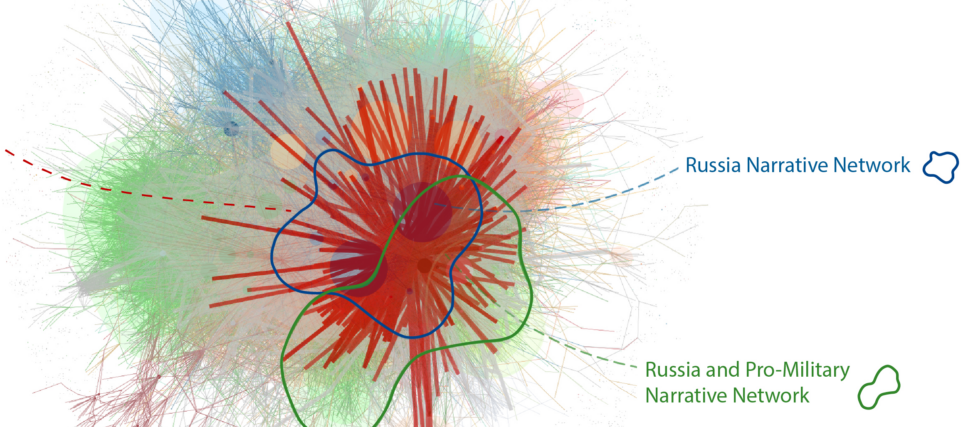
Nigeria – how pro-Russian influence networks sell military rule as the answer When Nigerians took to the streets in August 2024 to protest soaring living costs and frustration with government, some demonstrations acquired an unexpected symbol: the Russian flag. In Kano, Kaduna and other northern cities, protesters were filmed carrying Russian colours and calling for Moscow’s intervention. Some demanded a military takeover. What initially looked like an unusual expression of anger has since become part of a much larger picture. A September 2026 assessment by the Africa Center for Strategic Studies describes Nigeria as a major target of overlapping foreign information operations, with Russia the most active external actor in its information space. The report does not identify a single centrally controlled campaign. Instead, it maps an ecosystem in which genuine dissatisfaction over insecurity, corruption and living standards is repeatedly redirected towards a broader proposition: democratic government has failed, while the military-led regimes of the Sahel offer a more effective alternative. Turning a real protest into a pro-Russian message The clearest example emerged during the 2024 #EndBadGovernance protests. Nigerian investigative reporting found that a Kano-based TikTok influencer with more than 100,000 followers had been paid through a Telegram channel associated with African Initiative, a Moscow-based media operation linked by researchers to Russian influence activity in Africa. The influencer said the channel supplied photographs, videos and talking points for redistribution on TikTok and Instagram. Among the messages provided were phrases such as “Putin please come and save Nigeria” and “The army is the answer for Nigeria”. Influencers were encouraged to use Hausa-language hashtags including #Zangazanga – “protest” – alongside references to Putin and Russia. Investigators identified 38 accounts circulating similar pro-Russian and pro-military narratives during the demonstrations. Russian flags subsequently appeared among protesters in several northern cities. This does not mean the protests themselves were created by Russia. They were driven by genuine economic and political grievances, and Nigerian protesters gave different reasons for carrying Russian flags. The important feature of the influence activity was precisely that it did not need to manufacture the original anger. It could attach a geopolitical message to an existing domestic crisis. From frustration to the idea of military government The narrative fits a wider pattern seen across West Africa. Russia has developed close relations with the military governments of Mali, Burkina Faso and Niger, while pro-Russian media ecosystems routinely portray those states as examples of sovereignty, stability and resistance to Western influence. Nigeria, by contrast, has remained under constitutional civilian government since 1999. Africa Center researchers say information networks targeting Nigerians increasingly contrast these two models. Recurring messages depict elections as wasteful or predetermined, civilian institutions as incapable of protecting citizens and military governments as more decisive on security and development. Some content portrays the Sahelian juntas as delivering better roads, lower prices and stronger security even where available evidence points to continuing or worsening instability. Language is central to the strategy. Hausa is spoken across northern Nigeria and neighbouring Niger, allowing political narratives to travel across borders that are far less important online than they are on maps. HumAngle documented efforts involving Nigerien state-linked actors to cultivate Hausa-speaking journalists and distribute material favourable to Niger’s junta and hostile to France and Western influence. The Russian and Sahelian-junta information ecosystems are not identical, but their narratives frequently reinforce one another. Fake journalists inside real Nigerian media The campaign environment extends beyond social media. A 2026 investigation by Graphika and Code for Africa identified 44 ghost reporters and fake experts whose identities were used to place Russia-aligned narratives in African media. Thirty-eight were assessed with high confidence to be fabricated. Their articles or quotations appeared across 138 websites and were amplified by at least 113 Facebook accounts and Pages. Nigeria was one of the most heavily targeted countries. According to the Africa Center’s analysis of the research, Daily Post Nigeria carried 39 articles involving 14 identified ghost authors. Once published by a genuine Nigerian outlet, such material could then be cited by other websites, social-media accounts or even Russian official channels as though it had originated independently in Africa. This is information laundering rather than simple propaganda: the most valuable asset being borrowed is the credibility of the local newsroom. Generative AI added another layer. OpenAI and Meta separately disrupted a Russia-origin network that produced Africa-focused political content and operated Facebook Pages posing as local media organisations. One fabricated commentator, “Dr Manuel Godsin”, was presented as a European-trained geopolitical expert although investigators found no evidence supporting his academic biography. ChatGPT had been used to generate articles under the persona’s name, while Meta removed 37 Facebook accounts and 29 Pages connected to the broader network. Different networks, similar strategic direction It would be misleading to merge all these activities into a single Russian command structure. The African Initiative-linked influencer campaign, the ghost-reporter network and the AI-enabled operation disrupted by OpenAI and Meta were uncovered separately and used different infrastructure. Public evidence does not demonstrate that every actor reported to the same organisation. What connects them is a recurring set of themes and methods: portraying Western partnerships as exploitative, presenting Russia as an alternative security partner, amplifying failures of civilian government, and giving military-led rule greater legitimacy. Investigative reporting on leaked Russian documents has meanwhile described a much wider influence apparatus operating across Africa, involving political consultants, paid journalists, influencers and locally tailored campaigns intended to reduce Western influence and expand Moscow’s position. The underlying technique is less about inventing dissatisfaction than redirecting it. Nigeria faces real security threats, economic pressure and public frustration. Influence operators do not need to persuade Nigerians that those problems exist. They need only influence the explanation for why they exist – and which political model appears to offer the answer. That is what makes the Nigerian case significant. The most effective propaganda does not necessarily introduce a completely false reality. It takes a real crisis and changes where the audience is encouraged to look for the solution. Sources Africa Center for Strategic Studies — The Raging Information Battle in Nigeria https://africacenter.org/spotlight/the-raging-information-battle-in-nigeria/ Graphika — Umbrae Ex Machina https://www.graphika.com/reports/umbrae-ex-machina OpenAI — Operation “No Bell” https://openai.com/index/disrupting-malicious-uses-of-ai-no-bell/ TheCable — Ghost reporters in African media https://www.thecable.ng/ghost-reporters-how-fabricated-african-voices-carried-pro-russia-narratives/ HumAngle — Nigeria Is Facing an Information War in Its Own Language https://www.humanglemedia.com/nigeria-is-facing-an-information-war-in-its-own-language DAIDAC / CJID — Russian influence during #EndBadGovernance https://daidac.thecjid.org/how-telegram-tiktok-aided-russian-disinformation-that-led-to-incarceration-of-nigerian-minors/ FactCheckHub — How Nigeria’s hunger protest took a radical turn https://factcheckhub.com/from-economic-protests-to-coup-agitation-how-nigerias-hunger-march-took-a-radical-turn/ News24 — Fake Kremlin-linked analyst planted stories in African media https://www.news24.com/southafrica/news/ai-expert-exposed-fake-kremlin-linked-analyst-planted-stories-in-african-media-20260318-0560 Vanguard — AI ‘expert’ exposed https://www.vanguardngr.com/2026/03/ai-expert-exposed-fake-kremlin-linked-analyst-planted-stories-in-african-media/ Africa Confidential — How Moscow wages social media war https://www.africa-confidential.com/article/id/15961/how-moscow-wages-social-media-war Keywords #DISINFORMED #Episode15 #Nigeria #Russia #RussianInfluence #RussianDisinformation #Africa #WestAfrica #Disinformation #InformationWarfare #InfluenceOperations #ForeignInterference #FIMI #Propaganda #MilitaryRule #MilitaryGovernment #Democracy #PoliticalManipulation #NarrativeManipulation #AfricanInitiative #EndBadGovernance #Hausa #LocalInfluencers #GhostReporters #FakeExperts #ArtificialIntelligence #AI #AIPersonas #SyntheticMedia #AIPropaganda #Astroturfing #SocialMediaManipulation #Telegram #TikTok #DigitalInfluence #SourceLaundering #NarrativeLaundering #MediaManipulation #Sahel #Geopolitics #OSINT #WRLD

The Raging Information Battle in Nigeria

The author wrote that people who made trauma central to their identity could have a better prognosis for recovery because they were more likely to persist, while others might eventually dissociate from the issue.

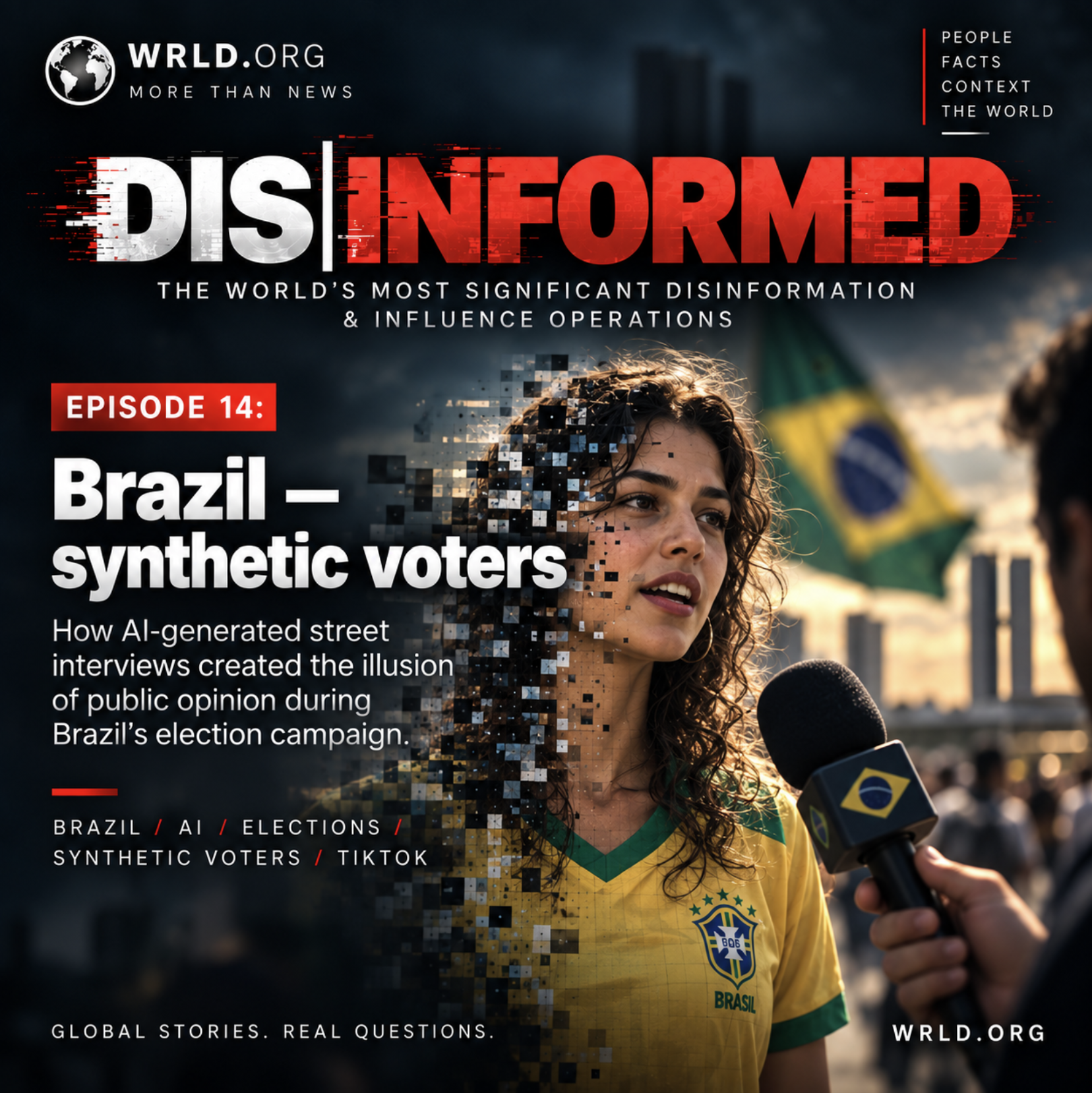
Brazil’s synthetic voters – when AI manufactures public opinion They look like ordinary street interviews. A reporter approaches a passer-by in a Brazilian square and asks a simple question: who will you vote for? A young voter explains why Luiz Inácio Lula da Silva deserves another term. An elderly woman says Brazil needs Flávio Bolsonaro because he represents political renewal and greater security. The locations look plausible, the microphones are visible and the answers sound much like the brief political opinions heard in television vox pops around the world. None of the people are real. Ahead of Brazil’s presidential election on 4 October, fact-checking organisation Aos Fatos identified at least 50 TikTok videos in which artificial intelligence was used to manufacture voters, reporters and apparently spontaneous political interviews. Together, the videos had accumulated around 7.4 million views by mid-August. Some promoted Lula, others Flávio Bolsonaro, while another group used synthetic characters to ridicule or stereotype supporters of one side. Aos Fatos found no apparent evidence linking the accounts producing the videos to either presidential campaign. The opinion poll that never took place The format is important. These were not conventional deepfakes in which a recognisable politician is made to say something he never said. Instead, the creators reproduced the visual language of the vox pop – the short street interview used by broadcasters and social-media creators to illustrate what ordinary people supposedly think. In pro-Lula videos, synthetic voters described themselves as beneficiaries of social programmes or credited the president with improving their lives. In videos supporting Flávio Bolsonaro, artificial interviewees associated him with political renewal, public security and fighting corruption. Other clips were openly hostile: AI-generated characters presented as poor or living in parts of Brazil’s north-east were shown in dirty clothes or run-down surroundings, declaring support for Lula because they supposedly preferred welfare payments to work. The deception is therefore subtler than fabricating a candidate’s statement. It manufactures something that political communication normally treats as evidence of public sentiment. A real vox pop may be unscientific, but the people interviewed at least exist. These videos created the appearance that identifiable social groups – young people, pensioners, welfare recipients or residents of particular regions – were spontaneously expressing political preferences when no such encounters had taken place. An electoral-law specialist interviewed by Aos Fatos described the technique as the fabrication of a “social fact that never occurred”. That captures the central innovation: AI is being used not merely to falsify political speech, but to manufacture the impression of grassroots opinion. Fifty videos, but not one proven network The available evidence does not support describing the 50 posts as a centrally controlled influence operation. Aos Fatos located them through TikTok searches and recommendations produced by the platform itself, then examined the accounts responsible for publication. Most had relatively small individual audiences, although their combined reach was substantial. The first examples identified by the investigation appeared as early as March 2026. Activity increased in June and was concentrated particularly in July and the first half of August as Brazil’s election calendar intensified. Some accounts specialised in AI-generated videos generally, including fabricated podcast-style material. Others were explicitly political or supportive of a candidate, but Aos Fatos found no apparent links between those profiles and the official Lula or Bolsonaro campaigns. That distinction is essential. The evidence demonstrates a common technique and a shared political environment, not a single command structure. Some creators may have been motivated by ideology, others by engagement or monetisation. Publicly available evidence does not establish who commissioned the individual videos or whether any coordination existed between the accounts. This decentralised model also creates a different enforcement problem from a traditional bot network. There may be no headquarters to expose and no infrastructure whose removal disables the entire operation. The format itself can be copied by anyone with access to inexpensive generative-video tools. When the algorithm mixes real and synthetic citizens Aos Fatos documented another important feature of the phenomenon: TikTok’s recommendation system placed AI-generated interviews alongside genuine street interviews. For a user scrolling quickly through the platform, the transition between an authentic citizen and an entirely fabricated one could therefore be almost invisible. In 18 per cent of the 50 videos analysed, there was no indication that the people shown had been generated using AI. After Aos Fatos provided TikTok with the videos, the company said it had removed all of them for violating its rules on edited and AI-generated media. TikTok said its policies require creators to identify synthetic content and prohibit manipulated media capable of misleading users about matters of public importance or impersonating genuine journalistic material. The issue extends beyond one platform. Factchequeado’s review of Brazil’s 2026 election campaign found that synthetic endorsements and other deepfakes had become one of the most visible forms of AI-assisted electoral misinformation, alongside fabricated candidate statements and invented scenes. Brazil already had rules for synthetic politics Brazil entered the campaign with unusually detailed electoral rules governing artificial intelligence. The Superior Electoral Court, the TSE, requires electoral propaganda using synthetic multimedia to disclose clearly that AI was used. More importantly for the fake-voter videos, its rules prohibit synthetic audio or video used to favour or harm a candidacy when it creates or alters the image or voice of a living, deceased or fictitious person. The difficulty is attribution and enforcement. When a synthetic video is published by an official campaign, responsibility can be relatively straightforward to investigate. When it comes from an apparently independent account with no demonstrated relationship to a candidate, lawyers interviewed by Aos Fatos said responsibility is more likely to fall on the individual creator, while imposing electoral sanctions on a campaign would require evidence of a connection. For the final 72 hours before the election and the 24 hours following it, the TSE has imposed additional restrictions on newly published or republished synthetic material involving candidates or public figures, reflecting the particular difficulty of correcting fabricated content immediately before voting. From deepfake politicians to synthetic electorates The Brazilian case illustrates a broader change in political manipulation. The first generation of electoral deepfakes concentrated on famous people: make a politician appear to say something damaging, or fabricate an endorsement from a celebrity. Synthetic vox pops reverse the perspective. The politician can remain completely authentic; it is the electorate around the politician that is fabricated. That changes the psychological proposition of the message. Instead of saying the candidate believes this, the video suggests people like you believe this. Age, clothing, accent, neighbourhood and social class can all be generated to construct an artificial constituency around almost any political claim. There is no evidence that the 50 Brazilian videos identified by Aos Fatos constitute a single centrally directed campaign, nor evidence that they changed voting intentions. What they demonstrate is a technique whose barrier to entry has become extremely low. AI no longer needs to forge the politician. #DISINFORMED #Episode14 #Brazil #BrazilElection2026 #Elections #ElectionDisinformation #ArtificialIntelligence #AI #GenerativeAI #SyntheticVoters #SyntheticMedia #AIAvatars #AIGeneratedVideo #VoxPop #FakeInterviews #Astroturfing #AIPropaganda #PoliticalDisinformation #InfluenceOperations #InformationWarfare #SocialMediaManipulation #TikTok #PublicOpinion #ManufacturedConsent #SyntheticPublicOpinion #DigitalInfluence #Deepfakes #ElectionIntegrity #TSE #AosFatos #FactChecking #OSINT #MediaManipulation #WRLD (translated)

Eleitores gerados por IA fazem campanha no TikTok e põem em xeque regra do TSE

Forensics student, whose fascination with the TV show 'Dexter' is noted, faces murder accusations in connection with the death of a sex worker. #Cookies #InternetSecurity #BlockedAccess

Forensics student obsessed by TV show ‘Dexter’ is accused of murdering sex worker

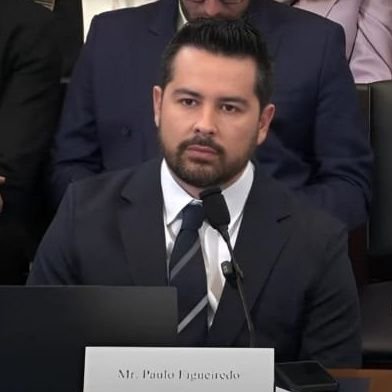
Paulo Figueiredo criticized John Kiriakou for comments about alleged CIA interference in Brazil. According to Figueiredo, Kiriakou confused a conversation involving Jair Bolsonaro with another involving Luiz Inácio Lula da Silva, and the source of the accusation would be Lula himself. The author also accused the press of promoting this version and acting in favor of the Brazilian president. Figueiredo stated that Kiriakou worked for Sputnik, a Russian state media outlet, and noted that the producer of the channel in the United States received a mandate from the Department of Justice to register as a foreign agent. He also mentioned a report from The New Republic that described Kiriakou as a former CIA agent who became a Russian propagandist. According to Figueiredo, Kiriakou claimed to have contractually guaranteed independence but did not present the document when requested. The author further cited reports from Kiriakou that he claimed were later corrected. He said Kiriakou stated that Abu Zubaydah confessed after a simulated drowning application, but documents indicated at least 83 applications in one month. Figueiredo added that ABC corrected the report and that Kiriakou clarified he did not witness the procedure. He also stated that Kiriakou acknowledged as false a claim that Hillary Clinton arranged a $20 million payment to the Ecumenical Patriarchate, linked to the Ukrainian church. Figueiredo also mentioned that Kiriakou pleaded guilty and was sentenced to 30 months in prison for revealing the identity of a CIA undercover agent. Regarding Brazilian politics, he asserted that the PT party was using the allegation of foreign interference to attempt to annul the opposing coalition in the Supreme Federal Court. In contrast, he noted that Lula met, outside of the official agenda, with Nikolai Patrushev, advisor to Vladimir Putin and former head of the FSB, and that Patrushev visited the NAM Atlântico, Brazil's largest warship. For Figueiredo, the press did not give equivalent coverage to these connections and to Kiriakou's work for Sputnik. #CIA #Lula #Bolsonaro (translated)

The author called for reconsidering the diagnosis of borderline personality disorder, writing that for more than four decades people whose distress centred on relationships had been labelled as having a disordered personality. They argued that the evidence no longer supported that framing.

Mythology of the British Isles by Geoffrey Ashe Beginning with the giant Albion, after whom the country was once named, Geoffrey Ashe explores the myths whose roots lie in the different British regions. Taking in fairy-folk, druids and King Lear, and the tales of Merlin and King Arthur that continue to hold sway in the nationâ€s imagination, he uncovers their sources and underlying ideas as well as their handling in tradition and literature. An unforgettable and illuminating exploration of the legends of the British Isles. From the misty centuries of British and Irish prehistory to the height of the dark age, comes tales of giants and fairy-folk, druids and saints. From King Lear and King Arthur, to Fingal, Beowulf, Gwendolen and Guinevere these are the legendary characters who shaped the nation. But who were they? In Mythology of the British Isles, Geoffrey Ashe explores these compelling and ancient stories, seeing how they have taken on fresh significance as historical and archaeological research has uncovered the truth behind each legend.

The author said they had supported the cause and continued to do so, citing Greek partisans’ recruitment of anti-Nazi Germans and Nelson Mandela’s efforts to win support from anti-racist Afrikaners against apartheid. They argued that solidarity from people within the opposing groups mattered, though the post ended before completing that point. #Solidarity #Resistance #AntiRacism #GR #ZA

H

They parked $2 billion in a fund called Medicare Improvement and never sent a dollar to a senior. Created in 2008. Every president since left it sitting there. The White House says no administration has ever used it. Trump just did. Direct deposit. Early October. More than 20 million people on Medicare Part B. Dual eligibles whose premiums Medicaid already covers, and high earners paying the income surcharge, do not get it. He called it what Congress treated it as. A slush fund. Named for Medicare. Used as an offset for everything except the people in the name. Eighteen years on the shelf. The money moves within days. They will call it a bribe for the next 31 days. Ask them what the fund was for. x.com/realDonaldTrum… https://x.com/17QStorm/status/2106409421836317128

QThestorm (@17QStorm) on X

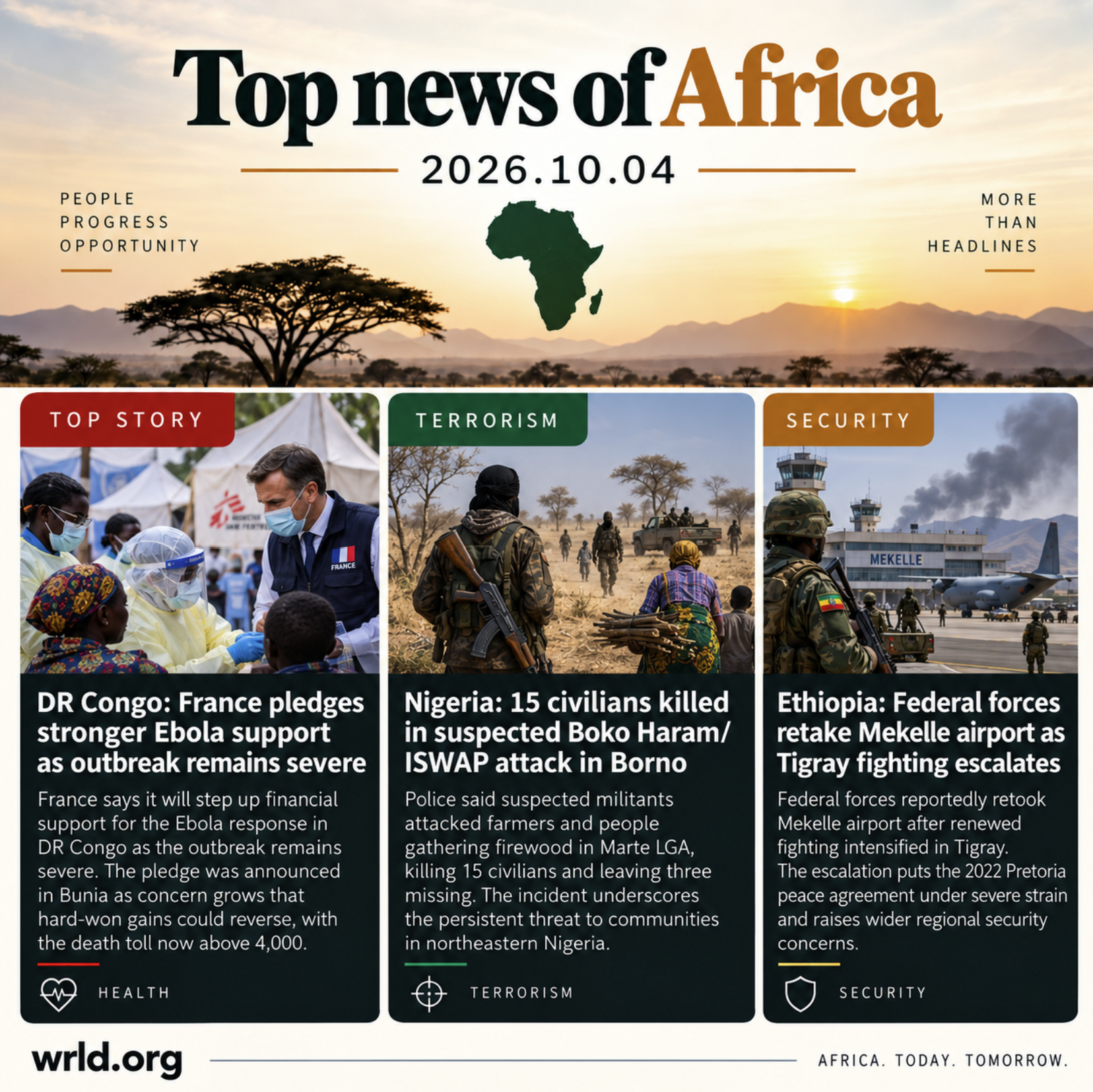
Africa Daily Report — 4 October 2026 Major developments reported during the previous 24 hours. 1. Ethiopia — Federal forces retake Mekelle airport as Tigray fighting escalates Ethiopian federal forces have retaken Alula Aba Nega Airport in Mekelle, according to residents and other sources cited by Reuters and AP. The airport had been seized by Tigrayan forces on September 23. Gunfire was reported near central Mekelle, and the renewed conflict is putting the 2022 Pretoria peace agreement under severe strain amid wider tensions involving Eritrea and other regional states. Sources: https://www.reuters.com/world/africa/pro-government-forces-say-they-retake-airport-ethiopias-tigray-region-2026-10-03/ https://apnews.com/article/87740d41b686614b63ccdba54dbd3168 2. DR Congo — France pledges stronger Ebola support as outbreak remains severe Importance: 10/10 — Critical France says it will step up financial support for the Ebola response in the Democratic Republic of Congo. French Foreign Minister Jean-Noël Barrot made the announcement during a visit to Bunia, amid concern that gains against the outbreak could reverse. France contributed €13.4 million to Ebola-related efforts from January through July and plans to seek additional funding. The announcement comes as Congo's outbreak has surpassed 4,000 deaths. Sources: https://www.reuters.com/business/healthcare-pharmaceuticals/france-step-up-ebola-funding-congo-amid-resurgence-fears-minister-says-2026-10-03/ https://apnews.com/article/4c79b59ec81a08675d2506c9e176d125 3. Sudan — More than 25 civilians reported killed in North Kordofan Importance: 10/10 — Critical The Sudan Doctors Network says more than 25 civilians were killed in an attack attributed to the Rapid Support Forces in the Umm Badr area of North Kordofan. The medical group said available evidence indicated that civilians may have been targeted on ethnic grounds and called for an independent investigation. Fighting has intensified in Kordofan as the Sudanese Armed Forces and RSF contest territory. Source: https://saudigazette.com.sa/article/665071/world/more-than-25-civilians-killed-in-rsf-attack-in-sudans-north-kordofan 4. Nigeria — 15 civilians killed in suspected Boko Haram/ISWAP attack in Borno Importance: 9/10 — Very High Borno State police confirmed that 15 people were killed in Marte Local Government Area after suspected Boko Haram/ISWAP militants attacked farmers and people gathering firewood. Three people remained missing. The attack underlines the continuing threat to civilians and rural livelihoods in northeastern Nigeria despite prolonged counter-insurgency operations. Source: https://punchng.com/terrorists-kill-15-farmers-in-borno/ 5. Kenya — $16 billion Dangote Lamu refinery faces new legal challenge Importance: 9/10 — Very High The proposed $16 billion Dangote oil refinery in Lamu is facing a further legal challenge. The Consumers Federation of Kenya is seeking to halt government participation until questions concerning procurement, financing, Kenya's proposed stake and public-land arrangements are clarified. Separately, an Environment and Land Court has issued interim orders affecting activity on land designated for the project. The refinery is planned at 700,000 barrels per day and would be one of East Africa's largest industrial investments. Source: https://energynews.africa/2026/10/03/dangotes-16bn-kenya-refinery-faces-legal-challenge/ 6. Burkina Faso — First national gold refinery marks push for domestic processing Importance: 8/10 — High Burkina Faso has inaugurated its first national gold refinery, RAFFINOR-BF, in Ouagadougou. The project is designed to allow more of the country's gold to be refined and certified domestically rather than exported for processing abroad. Reported initial capacity is 164 tonnes annually, with expansion plans that could also position Burkina Faso as a regional refining centre. Source: https://www.theafricandream.net/burkina-first-gold-refinery/ 7. South Africa — AU human-rights mission concludes with preliminary findings The African Commission on Human and Peoples' Rights completed a promotion mission to South Africa. Its preliminary assessment described the country's legal framework for protecting human and peoples' rights, including those of non-nationals, as comprehensive. The mission took place against a backdrop of domestic concern about violent crime, migration tensions and gender-based violence. Source: https://www.sanews.gov.za/south-africa/au-human-rights-mission-sa-concludes 8. Nigeria / South Africa — Nigeria evacuates another 106 citizens amid anti-migrant tensions Importance: 8/10 — High *Another 106 Nigerian citizens arrived in Lagos from South Africa as concerns continue over xenophobic and Afrophobic violence and intimidation. Nigeria has urged South African authorities to protect foreign nationals, while Pretoria has stressed that immigration enforcement is a state responsibility and warned against vigilantism. The episode continues to put pressure on relations between two of Africa's largest economies. Source: https://thewillnews.com/xenophobia-nigeria-evacuates-106-more-from-south-africa-as-anti-migrant-tensions-escalate/ 9. Sudan — Fighting spreads in Blue Nile near Ethiopian border Importance: 9/10 — Very High Sudan's military says it repelled an attack by the RSF and allied SPLM-N forces around Minza and Bashkarkad in Blue Nile state near Ethiopia. The clashes followed RSF drone strikes on targets in Ed Damazin. The International Organization for Migration has reported displacement of roughly 7,000 people from affected areas since late September, adding another front to Sudan's prolonged war. The RSF and SPLM-N had not immediately commented on the military's account. Source: https://sudantribune.com/article/319554 10. Somalia — Navy intercepts vessel with seven foreign nationals off Hobyo Importance: 7/10 — High Somali naval and coastal defence forces intercepted a vessel off Hobyo whose Automatic Identification System was reportedly switched off. Seven foreign nationals were detained while authorities investigate the vessel's registration, cargo and purpose. The operation comes amid Somalia's efforts to strengthen maritime surveillance and combat illegal fishing and other illicit activity along its coastline. Source: https://somalilandstandard.com/somali-navy-seizes-boat-carrying-seven-foreigners-in-hobyo/ #Africa #AfricaNews #TopNewsOfAfrica #DRCongo #Ebola #EbolaOutbreak #Bunia #France #PublicHealth #HealthEmergency #Nigeria #Borno #BokoHaram #ISWAP #Terrorism #CivilianProtection #Ethiopia #Tigray #Mekelle #Conflict #Security #HornOfAfrica #Sudan #NorthKordofan #RegionalStability #Geopolitics

The author said the United States was likely to face costs from Donald Trump’s interference in Brazil, regardless of who won. https://t.co/FdOU7pNzCZ #Brasil #Eleições2022 #Trump #BR #US

The author wrote that, according to The New York Times, Trump’s talks on Ukraine had come to include a multibillion-dollar deal involving Lukoil’s foreign assets. They said Putin had proposed it to Witkoff and Kushner, whose business contacts could benefit, and characterized the arrangement as corruption that disregarded civilian casualties. #Corruption #Ukraine #Trump #UA #RU

The author wrote that rent controls appeared to slow rent increases for homes covered by the policy, but also led to a wide range of adverse effects across society.

Nasthy said goodbye during a live broadcast and thanked STAYs and baby STAYs for celebrating his birthday. He also expressed his gratitude to Jack and Jessica, whom he identified as his parents, and returned the message "thank you for being born" to his followers. He said he would work a lot during a busy season, hoped to have a good day, and would upload more content to Instagram. #Cumpleaños #Agradecimiento #Live (translated)