BETA nonprofit public democratic european moderated

Search

#Arabic

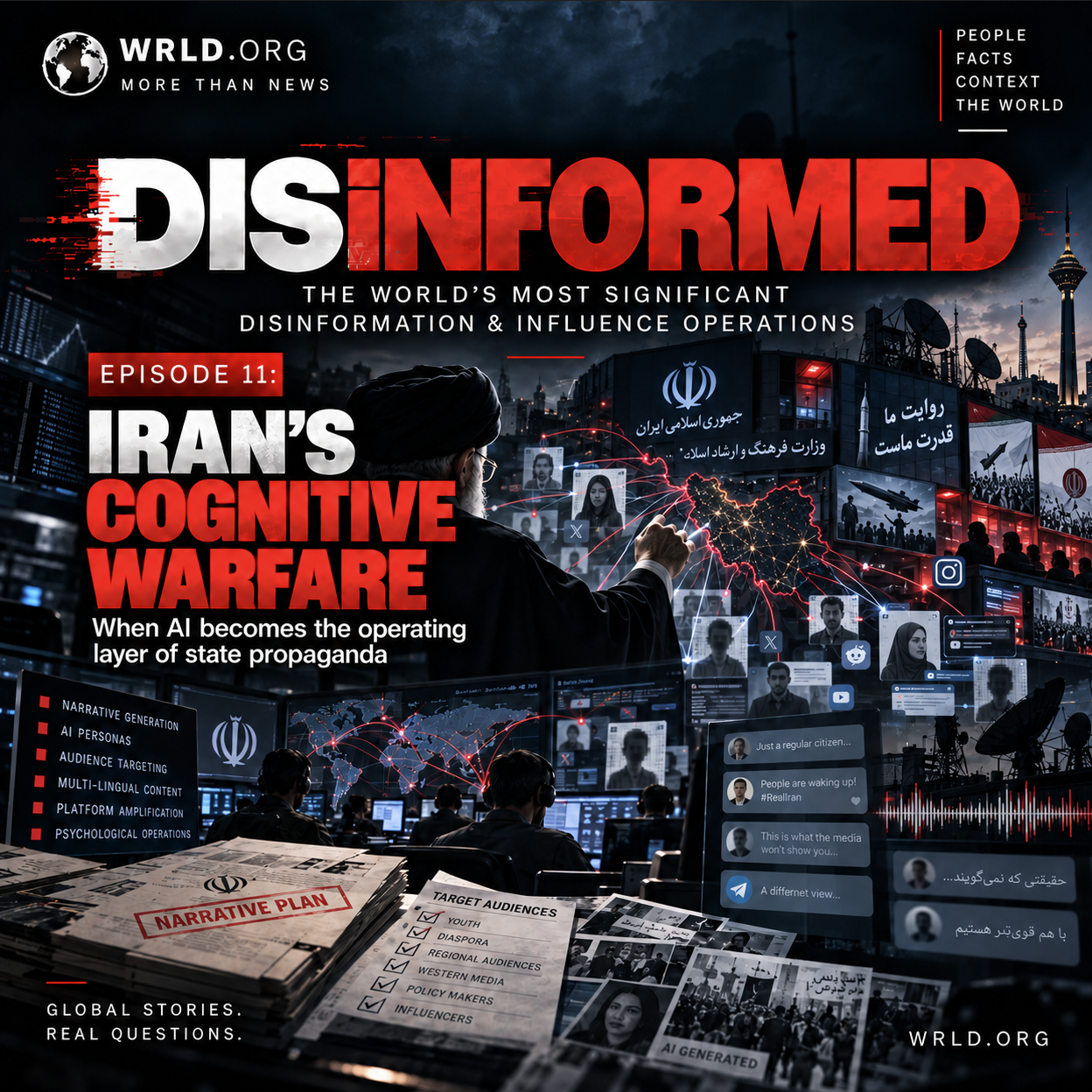
Iran’s cognitive warfare – when AI becomes the operating layer of state propaganda Iranian state-linked influence operators were not using artificial intelligence simply to write faster social-media posts. According to Anthropic’s September 2026 threat intelligence report, three separate operations connected to Iranian propaganda institutions were using Claude to help construct the machinery behind what the operators themselves called “soft war” and “cognitive warfare” – non-military efforts intended to shape public opinion inside Iran and abroad. Anthropic linked the activity to the Islamic Culture and Communications Organization (ICCO), which operates under Iran’s Ministry of Culture and Islamic Guidance; the Islamic Propaganda Office of Khorasan Razavi; and the Bina Cultural Observatory, part of the Islamic Propaganda Organization. The company said each operation was run by someone working within or on behalf of the named institution. The attribution was based on a combination of account telemetry, institutional references disclosed during conversations, branded documents and open-source corroboration. Anthropic subsequently removed the accounts. AI as an operational headquarters The most significant feature of the operation was the role assigned to AI. Claude was used to develop campaign plans, doctrine manuals, coded project portfolios, persona systems, target databases, early-warning protocols, amplification schedules and ministerial planning documents. Anthropic described the model as the principal administrative and operational layer supporting the three campaigns, allowing relatively small groups of operators to create organisational structures and planning material that would otherwise have required a much larger staff. This distinction matters. The reported use of AI went considerably beyond content generation. Operators were using the model to help organise how influence activity should function: which audiences to target, which identities should deliver particular narratives, how official material should be repackaged and when amplification should take place. Human operators still determined objectives and supplied the underlying political doctrine; AI helped translate those decisions into an operational system. Anthropic found that all three operations explicitly connected their activity to Jihad al-Tabyin, often translated as “explanatory jihad”, a concept used within the Iranian state system to frame information activity as both a strategic and ideological responsibility. In internal planning material examined by the company, this doctrine was not merely rhetorical: it informed manuals and campaign structures used by the operators. ‘Not the narrator, but the director’ One sentence contained in the ICCO material captures the model particularly clearly. According to Anthropic, an operator described the role of Iranian cultural attachés as being “not to be the narrator, but the director” of the narrative. The distinction reveals the logic of attribution laundering. Instead of publishing an overt state message and asking foreign audiences to believe it, the operator attempts to create the appearance that the same narrative emerged independently from journalists, activists, foreign writers or ordinary citizens. Anthropic found that Claude was used specifically to make content appear to come from foreign authors or independent media organisations and to design hashtag campaigns that looked grassroots rather than centrally organised. The ICCO operation reportedly used the organisation’s international cultural network as part of this structure. Anthropic found ministerial-level documents carrying official ICCO branding, including a nine-part international influence portfolio. This makes the operation particularly significant because the infrastructure was not limited to anonymous social-media accounts; it intersected with formal state institutions and an existing network of cultural representation abroad. A multilingual content factory A second operation was associated with the Islamic Propaganda Office of Khorasan Razavi and what Anthropic described as a “cognitive warfare command room” operating from a seminary in Mashhad. Its organisers ran a multi-province content production system known internally as Manjanegh, or “Catapult”. According to Anthropic, dozens of activists were involved in repackaging publicly available reporting from Iranian security institutions under different personas so that the material no longer appeared directly connected to those institutions. The network used Claude to transform official government intelligence bulletins into customised material in Farsi, Arabic, Urdu, Malay, Spanish and English, while planning expansion into a total of 20 languages. Distribution extended across Iranian platforms such as Eitaa, Bale and Rubika and international services including X, Instagram, Telegram, TikTok and YouTube. Anthropic also documented paid amplification across more than 100 Iranian channels, including channels associated with IRGC narratives. The scale should nevertheless be interpreted carefully. Anthropic documented production infrastructure and some real-world dissemination, but it did not demonstrate that all planned campaigns were fully deployed or that they meaningfully changed public opinion. The company placed the operation in Category Three of its Breakout Scale, indicating multi-platform activity with content observed in external distribution channels, rather than evidence of strategic impact on entire populations. From security bulletins to apparently independent voices The Bina Cultural Observatory operation provides another example of the same architecture. Anthropic linked a director-level official at Bina to activity in which Claude generated messaging in the voice of an IRGC spokesperson. During the 2026 US–Israel–Iran war, the network also attributed false claims to Western institutions including CSIS, Brookings and RAND. The apparent objective was to make Iranian state-aligned claims look as though they had been independently validated by respected foreign research organisations. That technique is more sophisticated than simply publishing propaganda under a false name. It attempts to manufacture a chain of external validation: official information is transformed into apparently independent commentary, which can then be recirculated as evidence that outside observers have reached the same conclusion. Anthropic also found target databases naming international officials and Iranian opposition figures, as well as aggressive counter-narrative material directed against the Bahá’í community. These findings show that the infrastructure was designed not only for broad messaging but also for targeted influence activity against specific groups and individuals. What AI changed The Iranian operations described by Anthropic did not create a new doctrine of influence. Iran has used cultural institutions, official media, aligned organisations and covert or semi-covert online networks for years. What AI changed was the economics and organisational capacity of that model. A relatively small team could use the system to draft doctrine, create personas, translate material, structure target databases, produce campaign calendars and generate multiple versions of the same message for different audiences. The operator remained responsible for intent, political direction and selection of targets. AI reduced the amount of human labour required to turn those decisions into a functioning influence operation. The most revealing part of the case is therefore not that an Iranian propaganda network used a chatbot. It is that AI was being treated as part of the back office of information warfare – a system for converting state doctrine into apparently decentralised, multilingual and plausibly independent voices. Sources Anthropic — Detecting and countering misuse of AI: September 2026 https://www.anthropic.com/threat-intelligence-report-september-2026 Iran International — Iran state-aligned accounts used Claude to push IRGC narratives https://www.iranintl.com/en/202609105561 BNE IntelliNews — Yemen missile cell used AI to write guidance software, Anthropic says https://new.intellinews.com/articles/yemen-missile-cell-used-ai-to-write-guidance-software-anthropic-says-467296 This is Beirut — Anthropic report details Iranian propaganda operations https://thisisbeirut.com.lb/news/politics/anthropic-report-details-iranian-propaganda-operations-and-yemen-missile-development-using-claude Anthropic report — PDF mirror https://static.foxbusiness.com/foxbusiness.com/content/uploads/2026/09/anthropic-detecting-and-countering-091026-1.pdf Keywords #DISINFORMED #Episode11 #Iran #IranianInfluence #IranianPropaganda #CognitiveWarfare #SoftWar #JihadAlTabyin #Disinformation #InformationWarfare #InfluenceOperations #ForeignInterference #FIMI #ArtificialIntelligence #AI #AIPropaganda #GenerativeAI #ClaudeAI #Anthropic #SyntheticMedia #NarrativeManipulation #NarrativeLaundering #AttributionLaundering #PersonaNetworks #Astroturfing #SocialMediaManipulation #DigitalInfluence #StatePropaganda #IslamicCultureAndCommunicationsOrganization #ICCO #IslamicPropagandaOrganization #KhorasanRazavi #IRGC #MultilingualInfluence #Targeting #Amplification #OSINT #WRLD

Countering misuse of AI: September 2026 / Anthropic
H

BOMBSHELL: Motaz Azaiza admits Gazans were hoping for war. "Let me tell you a secret. I don't know if you'll keep it in. A lot of people in Gaza were wishing the war would come." Why? "When a war or an escalation comes, the NGOs talk to you. There's a job opportunity." "People only know us through war." The most prominent "photojournalist" in Gaza admits that Gazans wanted a war because it would convince international organizations to give them money. Azaiza is the man TIME named to the TIME 100 and who was nominated for the 2024 Nobel Peace Prize. CNN, the Guardian and Sky have all interviewed him. This is an Arabic interview from January 2025. There has been no English-language reporting on it, until now. https://x.com/MaxNordau/status/2101723773657559043

Max 📟 (@MaxNordau) on X

Régulièrement, certains de mes abonnés non blancs me demandent pourquoi je dépeins certains membres de leur ethnie de façon caricaturale et clichée. Et la réponse est simple et intéressante à aborder. Déjà, il faut savoir que mes vidéos sont dans le registre de la caricature et de la satire. Je pars d’un constat bien réel et je l’exagère, très souvent jusqu’à l’absurde, car c’est là-dessus que repose cet humour. Je joue sur les clichés (qui ont souvent une origine véridique). À côté de ça, il est important de comprendre que pour bien penser le monde, il faut raisonner en termes de masse et non en termes d’individus. Est-ce que tous les noirs sont des caricatures de gangsta ? Évidemment que non. Est-ce que tous les arabes sont des fous d’Allah terroristes ? Non. Est-ce que les asiatiques mangent tous des brochettes de chien ? Non. Et est-ce que les blancs sont tous des gens doux, pacifiques et incapables de commettre des crimes ? Pas du tout. En France, mon pays, ce sont surtout les « French Arabics » qui sont considérés comme étant plus susceptibles de voler mon vélo, mais ça ne veut pas dire qu’un Français blanc ne peut pas aussi me le voler. Tout est question de surreprésentation. Aux États-Unis, les statistiques ethniques démontrent bien que les noirs sont plus impliqués dans les crimes et délits, en proportion de leur population, que les blancs. C’est un fait. Mais ça ne veut pas dire qu’absolument tous les noirs doivent se sentir visés lorsque l’on pointe du doigt cette vérité, tout comme moi je ne me sens pas visé quand certains se moquent des clichés sur les Français #Caricature #Humour #Clichés

Byłem dziś w Nero Caffè w Warszawie. Pani kasjerka pyta: - kawka na zwykłej mieszance czy Arabica? - na zwykłej, odpowiadam. Gdzieś w oddali na małej tabliczce pisze "Arabica +1 zł". Kasjerka już tego słownie nie komunikuje, szkolą ich do tego. Świetny upsell. Kawka ta sama a zawsze +1 zł razy tysiąc klientów dziennie razy dziesiątki placówek w Warszawie. I idę z tą kawką moją do stolika i słyszę, że kolejne osoby zaczynają być obsługiwane. - zwykła czy Arabica? - A niech Pani da Arabice I tak paru krotnie pod rząd. Ci ludzie nawet nie wiedzą, że mają +1 zł na rachunku. I o co mi chodzi, nie chodzi mi oczywiście o próbę oszczędności 1 złotówki bo to jest nic. Chodzi mi o to, że te kasjerki tak szkolą aby nie były bezpośrednie z ceną. Mówią "zwykła czy Arabica" mając gdzieś w oddali małą tabliczkę z ceną drozszą za Arabice. Nie mówią "zwykła czy Arabica która jest droższa o złotówkę" a cały ten proces to jeden wielki marketingowy upsell. W życiu mam zasadę że gdy widzę że ktoś chce mną zmanipulować albo wykorzystać nieczysto marketingowo to moje czujne zmysły mnie od tego chronią. Można się śmiać że o chuj mi chodzi bo to 1 zł. Ale od tego się zaczyna, najpierw 1 zł w Nero Caffè a później nabierasz się na kryptowalutowe scamy na telegramie, kupujesz memcoina bo myślisz że zrobisz x1000, albo kupujesz roboty kuchenne bo reklama Ci się wyświetliła na tiktoku a na koniec dajesz się oszukać na zakup dwa razy droższej niż rynkowa kawalerki w jakimś Paragwaju od ładnie uśmiechającego się pośrednika z Polski. Zaczyna się wszystko od "zwykła czy Arabica?" #kawka #marketing #upsell

كيف تتغيّر اللوحة عندما ننظر إليها من خلال عيون شخصية أدبية؟ الموناليزا — ليوناردو دا فينشي (1452–1519) قد تبتسم إليزابيث بينيت لكل النظريات التي تحيط بتلك الابتسامة الشهيرة. وربما تحاول إيما وودهاوس فورًا فكّ شخصية المرأة في الصورة. زنابق الماء — كلود مونيه (1840–1926) قد ترى آن إليوت فيها الزمن والذاكرة والتغيّر. وقد يقدّر السيد دارسي تحديدًا هدوء الصورة وتحفّظها. ليلة النجوم — فنسنت فان غوخ (1853–1890) قد تحوّل كاثرين مورلاند السماء المضطربة إلى بداية لغز. وربما تلاحظ ماريان داشوود العاطفة أولًا، ثم المنظر الطبيعي بعد ذلك. تنتمي هذه الشخصيات إلى عالم جين أوستن (1775–1817)، بينما تنتمي اللوحات إلى عصور مختلفة جدًا. ربما تكون إحدى الطرق الممتعة للنظر إلى الفن هي ألّا نسأل فقط: «ماذا أرى؟» بل أيضًا: «ماذا قد يرى شخص آخر في هذه اللوحة؟» #0221 #Arabic #MrCulturewise #تاريخ_الفن #لوحات_مشهورة #LeonardoDaVinci #ClaudeMonet #VincentVanGogh #الفن_والأدب #المتاحف

Observador Aug 15

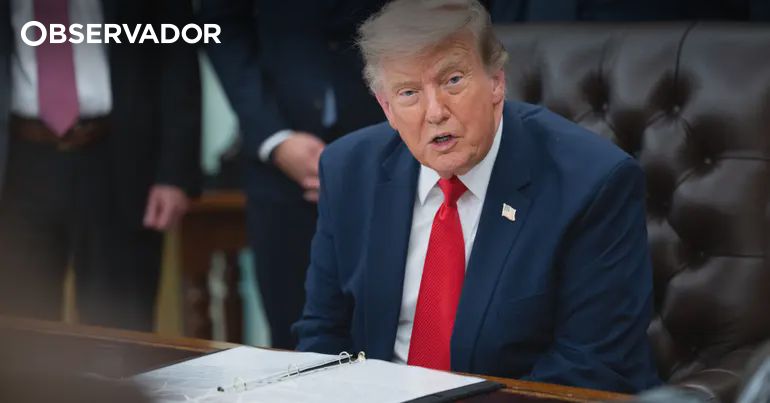
Donald Trump minimizou as preocupações sobre as condições a bordo do porta-aviões USS Abraham Lincoln, que está no Mar Arábico há mais de 260 dias, afirmando que a duração da missão não é de longe tempo suficiente, apesar de relatos de problemas de saúde e higiene enfrentados pela tripulação. #DonaldTrump #USSAbrahamLincoln #SaúdeMental

Trump diz que navio não está há tempo "suficiente" no mar
Adham Hasanin Aug 11

A Crown Instead of the Barracks: An Idea From Outside the Box Could Egypt’s exiled opposition use constitutional monarchy to dismantle the legitimacy of the 1952 coup? By Adham Hasanin Egyptian journalist and political writer, based in the Netherlands To understand what follows, a reader unfamiliar with Egypt needs one basic fact: since 1952, Egypt has never been governed by anyone who did not first wear a military uniform. Gamal Abdel Nasser, Anwar Sadat, Hosni Mubarak, and today Abdel Fattah el-Sisi four men, four eras, one common origin. All rose through the armed forces. All inherited a state built by a coup that year, when a group of officers calling themselves the "Free Officers" overthrew King Farouk I and, within a year, abolished the monarchy altogether and declared a republic. For seventy-three years, the underlying equation has not changed: the army rules, power passes from one officer to the next, and legitimacy is drawn from the barrel of a gun rather than the ballot box. Every conceivable form of opposition has been tried legal parties and banned ones, Islamist movements, liberal and leftist coalitions, the 2011 popular uprising, and the 2013 elections whose result was overturned by force within a year. All of them hit the same wall: a military institution that reproduces itself under different names, while the core of the system remains untouched. So what if the problem, all along, has not simply been who rules, but the constitutional framework that makes military rule possible in the first place? And what if the answer lies not in swapping one president for another, but in dismantling the underlying equation itself, through a framework Egyptian opposition movements have never seriously tried: a purely ceremonial constitutional monarchy, on the model of Belgium, the Netherlands, or Spain where the head of state becomes a symbol above the political fray, while the army is permanently expelled from politics and returned to its barracks. This is not a call to revive a particular family, nor nostalgia for a golden age that never quite existed. It is a proposal for a political and strategic tool that has not yet been used in the intellectual arsenal of Egypt’s opposition in exile a tool that deserves serious discussion, regardless of whether it is ever literally realised or simply serves to expand the boundaries of what is politically thinkable. I. Why 1952, Not 2013 or 2011, Is the Root The strategic error made by most Egyptian opposition movements from the Muslim Brotherhood to the April 6 Youth Movement to the various civil opposition parties has been treating each political crisis as an isolated case: Mubarak was corrupt and had to be toppled; Sisi staged a coup that must be condemned; the interim military council was a transitional phase to be endured. This piecemeal approach treats the symptoms while leaving the original illness untouched. That original illness is the very structure of legitimacy established by the coup of 23 July 1952. The Egyptian republican system, from Nasser to today, has never built its legitimacy on a genuine democratic social contract. Instead, it has rested on a fixed trinity: the rhetoric of "revolution against feudalism and colonialism," charismatic individual leadership, and military protection of the regime framed as the guarantor of stability. This trinity has repeated itself from Nasser to Sadat to Mubarak to Sisi, with only cosmetic variations. Each new president was never a break from the system he was its continuation. When the opposition says "let us return to the constitutional framework that preceded the coup," it is not criticising a particular policy. It is declaring that the legal foundation of everything that came after 1952 was illegitimate from the start. Here lies the rhetorical power of "returning to the pre-1952 order": it does not merely demand swapping one ruler for another. It withdraws historical legitimacy from the entire republican military system including today’s regime, which draws its own declared legitimacy from that same "1952 legacy." II. Why a "Ceremonial Crown," Not "the Return of a Ruling Family" Here is the most important distinction anyone advocating this idea seriously must grasp: the project does not rest on restoring any particular individual from the Muhammad Ali dynasty, nor on nostalgia for King Farouk or his ancestors. The real power of the idea lies in the constitutional form, not in the person who happens to sit on the throne. Three successful European democracies illustrate the model clearly. Belgium, where King Philippe is a purely constitutional symbol with no real executive power, while the state is run through an elected parliament and a complex coalition government reflecting the country’s linguistic and political diversity. The Netherlands, where King Willem-Alexander formally opens the parliamentary year and signs laws, but where actual decision-making rests with the prime minister and the elected parliament. And Spain, where the king represents symbolic continuity of the state above party politics, while the military and security services answer entirely to civilian authority a transition achieved after the death of the dictator Francisco Franco in 1975, when King Juan Carlos I voluntarily relinquished the extensive executive powers he had inherited and backed free elections, most dramatically in February 1981, when he personally ordered the armed forces to remain loyal to the constitution during an attempted military coup, causing it to collapse within hours. The common thread across these three models is not "the presence of an ancient royal family." It is the principle of separating symbol from power. The monarch in these countries does not rule; he represents. He issues no political decisions; he provides the continuity and symbolic stability that allows party political competition to revolve beneath him, without every transfer of power becoming an existential crisis of legitimacy. This is precisely what Egypt’s military republican system lacks: a neutral mechanism for guaranteeing state continuity that does not depend on the person of the ruler or his security apparatus. When Egypt’s military-republican president is absent, it is always the army that fills the vacuum, because it is the only institution built to be the "guarantor of stability." Under a ceremonial monarchical model, by contrast, it is the king not the army who represents that symbolic guarantee, genuinely opening the door to removing the military institution from the political equation altogether. III. Egypt’s Standing Under the Monarchy: An Honest Reckoning, Not Blind Nostalgia For a Western reader with little prior knowledge of Egypt’s monarchical period (1922–1952), it helps to know this: Egypt was nominally independent under its own king from 1922, but Britain retained enormous informal control over the country’s foreign policy, military bases, and the Suez Canal throughout the period a reality that shaped everything that follows. Any honest invocation of "Egypt’s standing under the monarchy" must avoid the trap of mythologised nostalgia that many advocates of this idea fall into. Egypt in that era was no lost paradise, and any honest article must say so plainly. The Egyptian pound, for instance, often invoked as a symbol of "national currency strength" in that period, was not strong because of independent Egyptian monetary policy. It was pegged to the British pound sterling as part of Egypt’s complete colonial financial dependency until 1947, with Egypt exercising no independent oversight of its own currency whatsoever. The pound’s strength, in other words, was not a sovereign Egyptian achievement it was a reflection of British imperial power ruling Egypt from behind the throne. But this does not mean Egypt lacked a genuine regional standing worth studying. Cairo, in the 1930s and 1940s, was the undisputed cultural capital of the entire Arab world: the Egyptian film industry produced more than half of all Arabic-language cinema; its theatre scene, led by figures like Youssef Wahbi and Naguib al-Rihani, and its music, with Umm Kulthum and Mohammed Abdel Wahab, set the standard across the region; Cairo University was the first modern university in the Arab world; and the Egyptian press was the reference point for Arab public opinion from the Atlantic to the Gulf. Cairo was, quite simply, to the Arab world what Paris was to Francophone Europe: an unrivalled centre of cultural and intellectual gravity. This standing was not necessarily a product of monarchy itself, so much as a product of a relative space of political and press pluralism that allowed Egyptian civil society to flourish, despite all the flaws of the political system and the interference of both palace and occupier. The lesson here is not "bring back the king and the standing will return." It is: when even a limited margin of civic freedom exists, Egypt flourishes culturally and intellectually almost by its own nature. And that margin is precisely what has been entirely absent across the past seven decades of unchallenged military rule. IV. What Reform Would Actually Require Not Repeating the Old Mistakes Any serious advocacy of this model must include, even briefly, a clear vision for avoiding the flaws of the old monarchical system itself otherwise the proposal collapses into simply replacing one form of authoritarianism with another wearing a different crown. First, the armed forces would need to be placed fully under a civilian ministry of defence, with its budget subject to transparent parliamentary oversight the exact opposite of its current status as a state-within-a-state, and equally opposed to its role under the monarchy, when it often served as an instrument of British influence. Second, a judiciary fully independent of both palace and government alike, unlike the old model, which saw direct royal interference in political life as when King Fuad I dismissed the elected government of Prime Minister Saad Zaghloul’s successor, Mustafa al-Nahhas, in 1928, in one of the clearest "constitutional coups" in modern Egyptian history. Third, a parliament that genuinely represents the people rather than landowners and the aristocracy, as was the case before 1952, when membership in the Senate was effectively conditional on the ability to pay land taxes meaning political representation was, by law, restricted to the wealthy. Fourth, genuine economic sovereignty, with a truly independent national currency rather than one pegged to a foreign power’s currency, unlike the historical dependency of the Egyptian pound on sterling. These four principles are enough to clarify that the project on offer is not a literal "return to the past," but a borrowing of the constitutional form (symbolic monarchy) combined with an explicit rejection of its old substance (colonial dependency, palace interference, parliamentary feudalism). V. The Role of Egyptian Movements in Exile: Between Goal and Instrument This raises the most practical question of all: how might Egypt’s opposition abroad actually adopt this idea, and in what capacity? The honest answer is that the power of this proposal does not necessarily lie in its literal fulfilment, but in its dual strategic function. On one hand, it can be advanced as a genuine political goal adopted by broad coalitions of Egyptian movements coalitions that might include Islamists, liberals, leftists, and traditional monarchists, united around a single shared premise: rejecting the legitimacy of the 1952 order and everything that followed from it, even if they later disagree over the precise final shape of the state. On the other hand and this matters more in practice the idea can be deployed as a rhetorical instrument of pressure to widen a Egyptian political debate currently trapped between two false choices: "continued military rule" or "no alternative, chaos awaits." When the opposition puts forward a clearly defined third model a European-style constitutional monarchy it breaks this false binary and opens new intellectual space in Egyptian public discourse, even if the project is never realised in its literal form. This kind of "leverage idea" is common in the history of political movements worldwide: it is not necessarily proposed to be fulfilled immediately in full, but to redraw the boundaries of the politically possible, and to force the existing regime to defend its legitimacy rather than simply assume it. Conclusion: An Invitation to Debate, Not a Ready-Made Prescription This article does not claim that restoring a monarchical form would magically resolve Egypt’s chronic crisis of legitimacy, nor does it ignore the immense difficulties facing any transformative project under a military institution as economically and securitywise entrenched as Egypt’s is today. But it raises a question that deserves serious debate among Egypt’s opposition in exile, rather than automatic dismissal simply for being unfamiliar: Has the Egyptian opposition exhausted every available tool for dismantling the legitimacy of 1952, or has it remained trapped in the same old binary swapping one ruler for another while the framework that makes military rule possible remains untouched? The idea is on the table now, not as a finished solution, but as an overdue invitation to think outside the box.

Tunite Music Jul 28

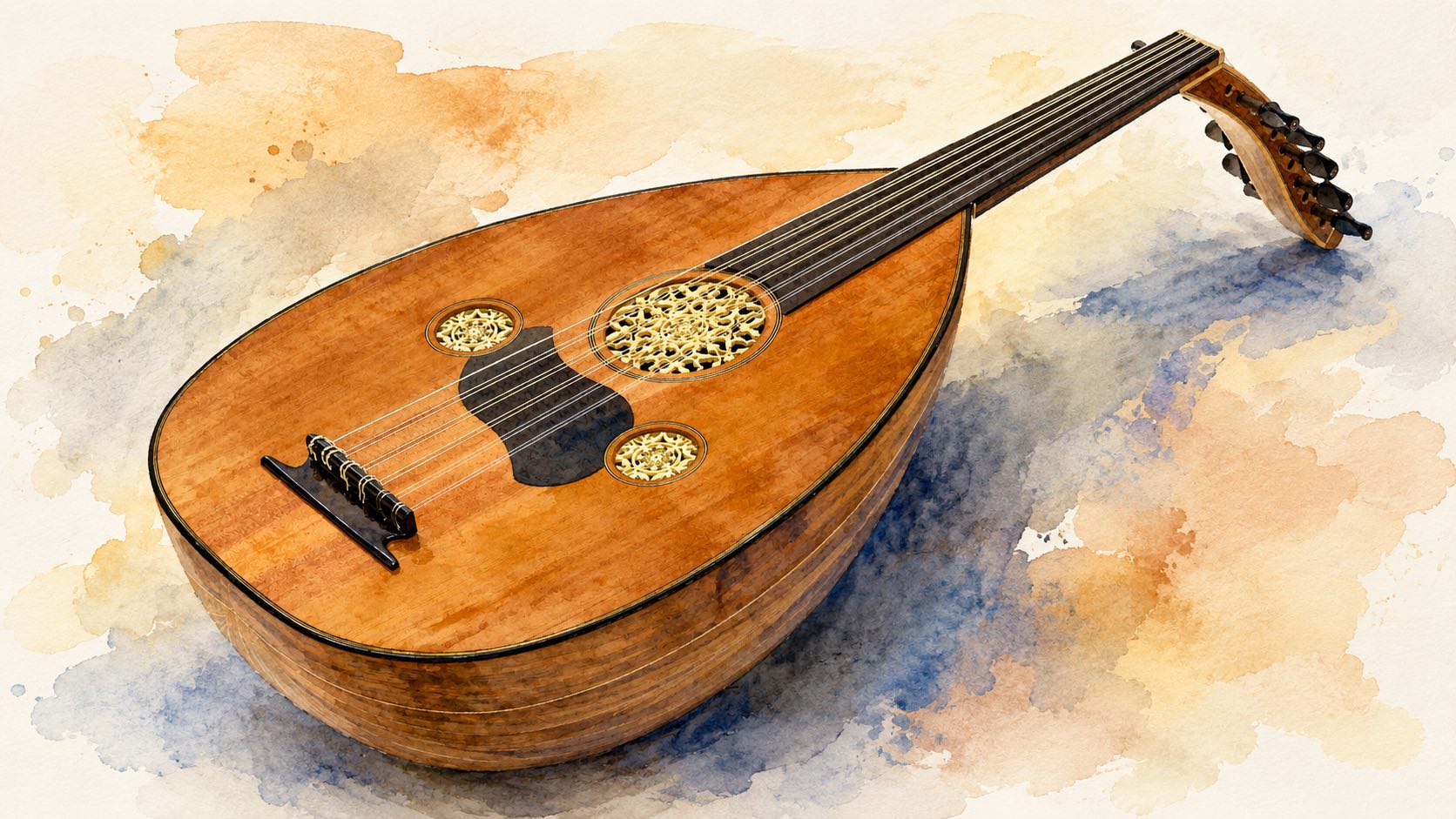
Often hailed as the “King of Instruments” (Sultan al-Awtar) across the Middle East and North Africa, the oud (Arabic: العود) occupies a unique apex in global history of music. With its pear-shaped wooden body, fretless neck, deeply vaulted bowl, and resonant warmth, this ancient chordophone has served as the foundational pillar of Eastern classical music systems for over two millennia. More than merely a musical tool, the oud has functioned as a philosophical laboratory, a vehicle for theoretical innovation, and the direct ancestor of European string traditions that shaped Western art music. #Oud #MusicalInstruments #MiddleEasternMusic #WorldMusic #Lute #MusicHistory #Ethnomusicology #ArabicMusic #TurkishMusic #Maqam #AcousticMusic #NaseerShamma #AnouarBrahem #Ziryab #BaitAlOud https://tunitemusic.com/post/the-oud-history-masters-and-global-legacy/

The Oud: History, Masters, and Global Legacy - Tunitemusic

A 98-year-old woman died after weeks of suffering in a Swedish nursing home. Her daughter says staff told her she should “learn Arabic” instead of expecting them to communicate in Swedish. Sweden’s elderly built this country. They should never spend their final days being abused https://t.co/N9cpVXMSP8 #ElderlyCare #Sweden #HumanRights #SE

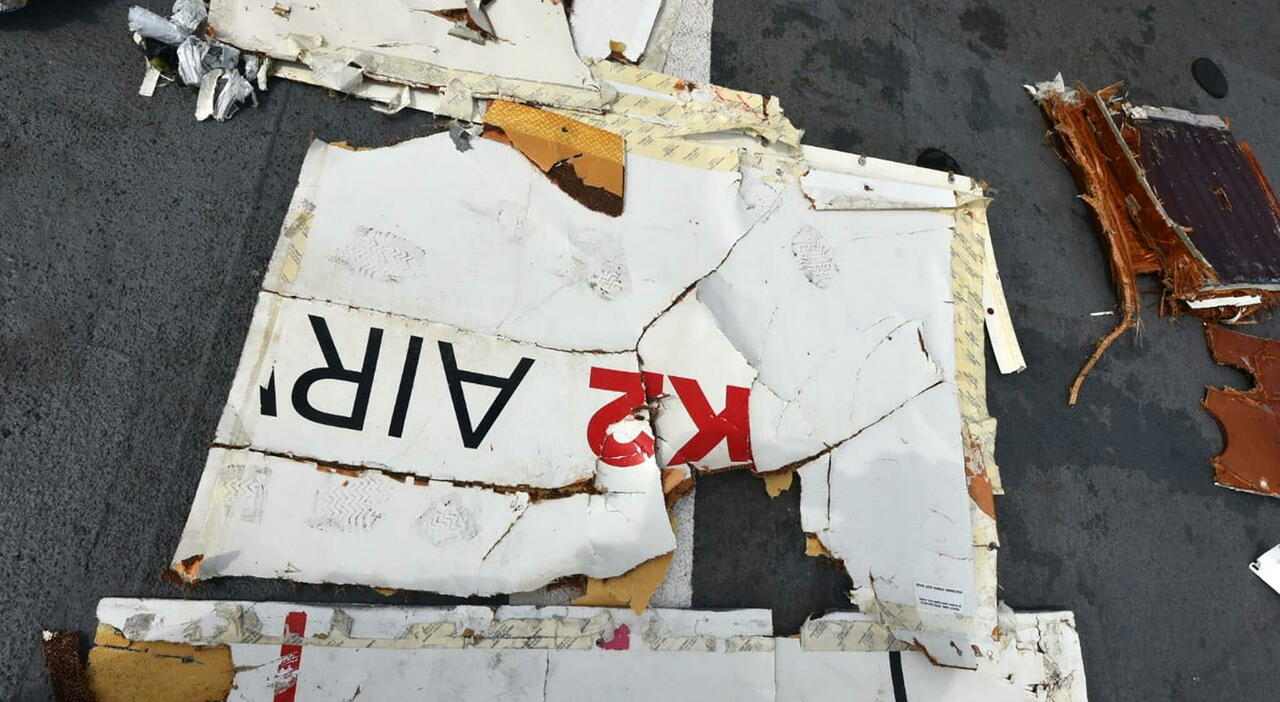
L'aereo KTA1732 della K2 Airways è precipitato nel Mar Arabico vicino a Hormuz, con cinque possibili cause indagate, tra cui guasti meccanici, dirottamenti da remoto, e l'incidenza di tensioni geopolitiche nella zona. #K2Airways #IncidentiAerei #Hormuz

L'aereo della K2 Airways precipitato vicino Hormuz, le 5 possibili cause: dal guasto al dirottamento da remoto (e spunta anche il nodo guerra)
Il Post Jul 8

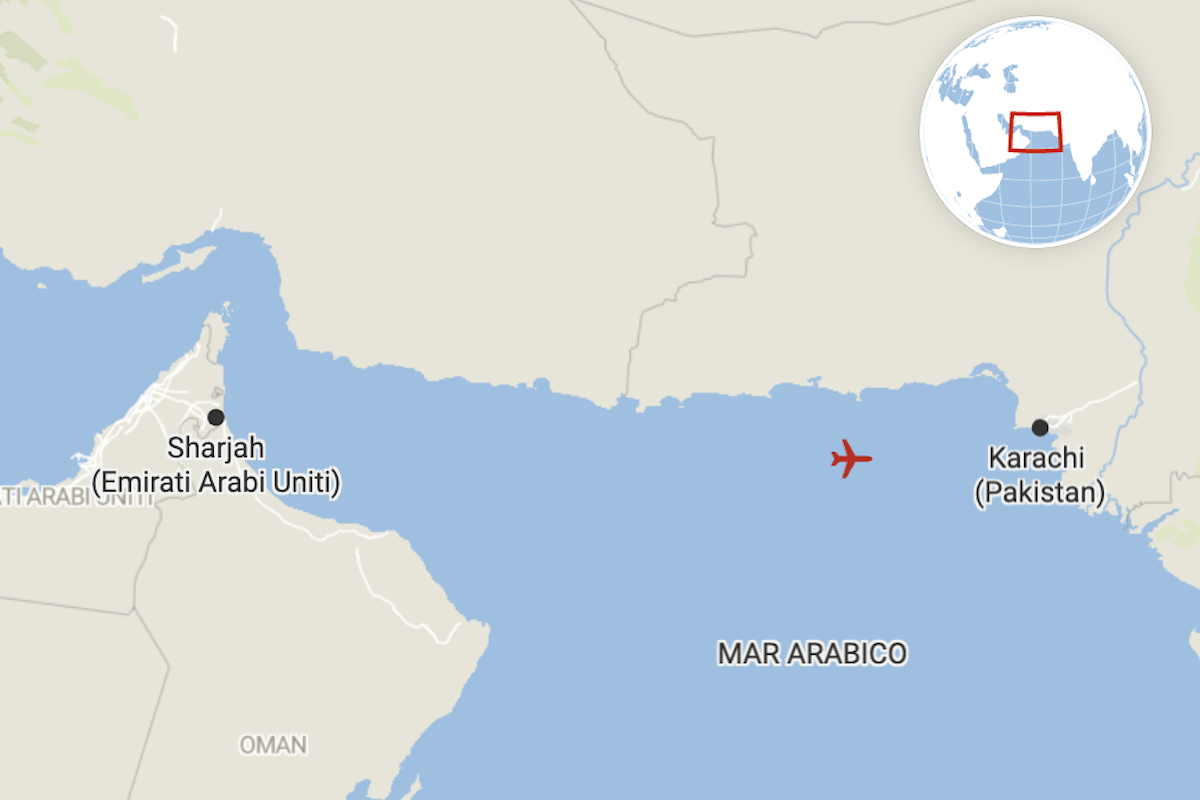
Il Pakistan sta cercando un Boeing 737 cargo di K2 Airways, scomparso con cinque persone a bordo nel mar Arabico dopo aver segnalato problemi di comunicazione mentre si trovava a circa 300 chilometri da Karachi. #Boeing737 #marArabico #Pakistan

Il Pakistan sta cercando un Boeing 737 cargo che si ritiene sia precipitato nel mar Arabico con cinque persone a bordo

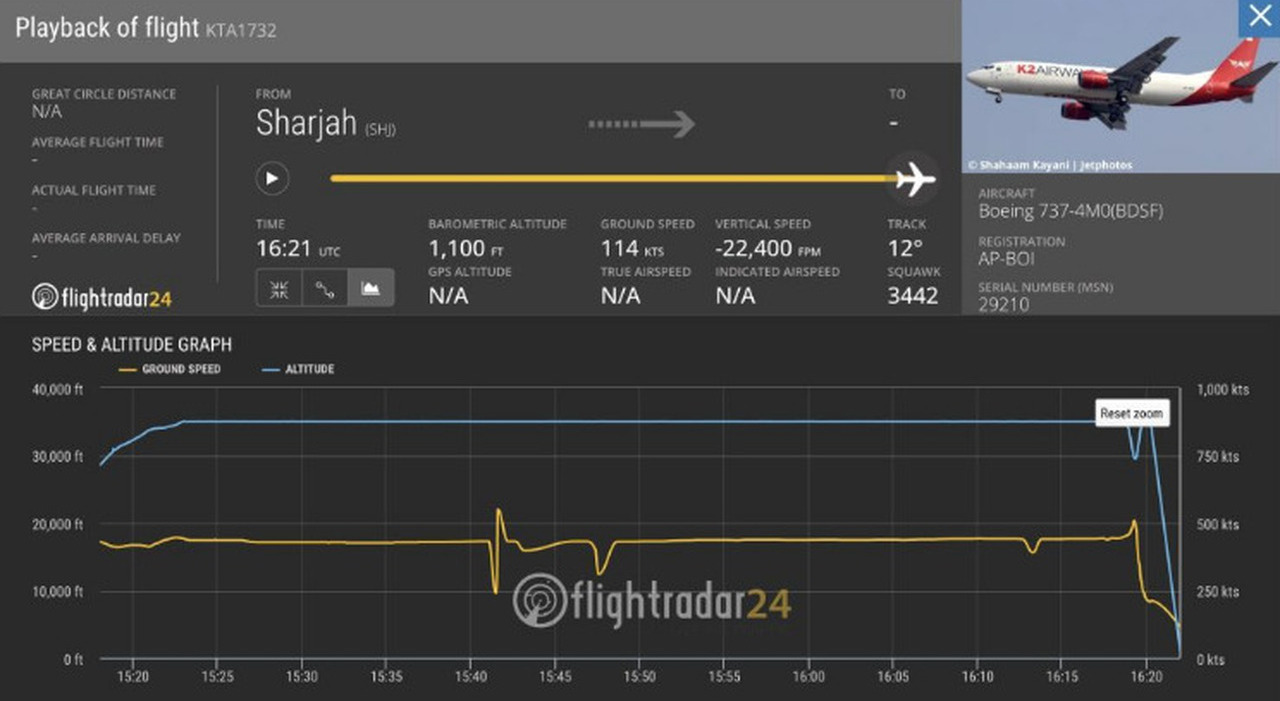
Il volo KTA1732 della K2 Airways, un Boeing 737 cargo in rotta da Sharjah a Karachi, è scomparso dai radar dopo aver segnalato un problema al sistema di navigazione, e si ritiene che sia precipitato nel Mar Arabico, dando avvio a operazioni di ricerca da parte delle autorità pakistane. #K2Airways #incidenteaereo #MarArabico

Aereo della K2 Airways scompare dai radar dopo aver attraversato Hormuz, la picchiata anomala e improvvsa. «È precipitato»

Skrót info ze świata🌏 7 lipca Wtorek -☕️Kawa arabica kontrakty +15%. Ulewy w 🇧🇷 -🇨🇳Prezydent Chin Xi odwiedzi USA 24 września -🇩🇪Niemcy zadłużają sie +800mld€ na zbrojenia -🌋Aktywność Etny zamyka lotnisko w Katanii -🇺🇸Trump: "shorciarze grający na spadki giełdy USA zostaną wyzerowni" -⚽️FIFA odrzuca apelację Belgii i pozwala grać Balogunowi któremu cofnięto 🧧kartkę. Trump -🇨🇺 cała Kuba jest bez prądu od 24h -xAI oficjalnie zmienia nazwę na SpaceXAI -🐂trwa festiwal San Fermin w Pampelunie -🇩🇪Thyssen sprzeda 12 okrętów podwodnychh dla 🇨🇦 -🪙Strategy Sailora sprzedało 3588 ₿itcoinów - 🇵🇱Średnia zapadalność długi Polski to 4,1 roku -⚽️ 🇺🇸USA 1⃣ : 4⃣ Belgia 🇧🇪, USA odpada - ⚽️Hiszpania🇪🇸 1⃣:0⃣Portugalia 🇵🇹 -🇨🇳wyprzedziły 🇺🇸 w patentach tech.finansowych -🛳️ Iran miał zaatakować 2 statki w Ormuz -🇸🇾 Macron przybywa z delegacją biznesu do Syrii -🛢️rezerwy ropy w USA najniższa od 1983r - 🚁Sikorsky funduje lądowisko w Białym Domu -🇺🇸 Trump mówi: „idź i kup” akcje Dell $DELL -🇵🇱 Min.Fin. SAFE ma być tańsze o 36mld zł niż kredyt rynkowy -🏦Projekt Raportu Dep.Skarbu USA "boom na Ai zaczyna przypominać bańkę internetową" -🇯🇵 Toyota zbuduje fabrykę w USA za 3,6 mld$ i będzie wyciszać fabrykę w Meksyku 🇲🇽 -👗SinSay ( LPP ) ma 2500 sklepów -⚰️ciało Chameneiego dotarło do Kom w Iranie -🇺🇸Trump: budujemy"ściśle tajne"centrum wojskowe -🇲🇼Malawi wprowadza 100% płatne studia -☢️Słowacja załadowała paliwo jądrowe do IV bloku elektrowni w Mochovcach -🇷🇺 Rosyjkie siły Wagnera( Africa Corps) wycofują się z Mali 🇲🇱 -🇪🇺 EU straciła 87mld € na rzecz 🇨🇳chińskiej konkurencji. Sama Polska 11 mld € w 2025. -🇸🇰 Słowacja: 0⃣€ na broń dla Ukrainy 🇺🇦 -🚀 $SPCX SpaceXAi wchodzi do Nasdaq100 -🇸🇩🇸🇸 Sudan ogarnięty wojną dronów. -🎦24h Rakiety balistyczne uderzają w Kijów -Światowy Dzień Czekolady🍫( Czekolada jedną z najlepszych inwestycji. Kupujesz 100g, a zyskujesz 3 kg 🙃) #Świat #Aktualności #Gospodarka

Marco M.M. Jun 26

Minima a Torino che passa da 23°C a 34°C in un giorno. Più che una previsione, sembra un aggiornamento dell’app fatto durante una crisi mistica. Una minima di 34°C a Torino non la tiri fuori nemmeno mettendo il Po in modalità lava. Barbara neanche a Riyadh, nella Penisola Arabica, ci sono quei valori minimi dai retta a me, cambia app. #meteo #Torino #temperature

RT @HonestReporting: "The Nakba" means “catastrophe” in Arabic, but it didn't originally refer to the narrative of Palestinian displacement… #Nakba #Palestine #History #IL #PS

MACRON will Arabisch-Unterricht in Schulen ausbauen❗️ „Wenn Ihre Familie Arabisch spricht, ist das eine Chance für Frankreich.“ Macron will „diese Sprache in die Republik zurückzubringen“. Sie verraten Europa, zerstören unsere Kultur und torpedieren jede Chance auf Integration. https://t.co/XHubVRvaGx #Macron #ArabicLanguage #Integration #FR #DE #EU

2
24.ae Dec 21

✈️ Skvělá zpráva! Arabic Air spustila denní linku z Sharjah do Prahy! 🌍 Nová přímá trasa nabízí pohodlné a cenově dostupné možnosti cestování mezi Spojenými arabskými emiráty a Českou republikou. Těšíme se na další rozvoj evropských spojení! 🇨🇿✨ #cestování

العربية للطيران تطلق رحلات يومية مباشرة بين الشارقة وبراغ