WRLD

Search

#Keynes
Laura Carvalho 1d

Laura Carvalho stated that she would disagree with Lula on that occasion. She classified the idea that little money distributed among many people represents wealth, while a lot of money concentrated in a few hands represents poverty, as a matter of macroeconomics and not microeconomics. Carvalho related this idea to Keynes's savings paradox and Kalecki's principle of effective demand. #Economia #Política #Keynes (translated)

2520
T
Telegraaf 3d

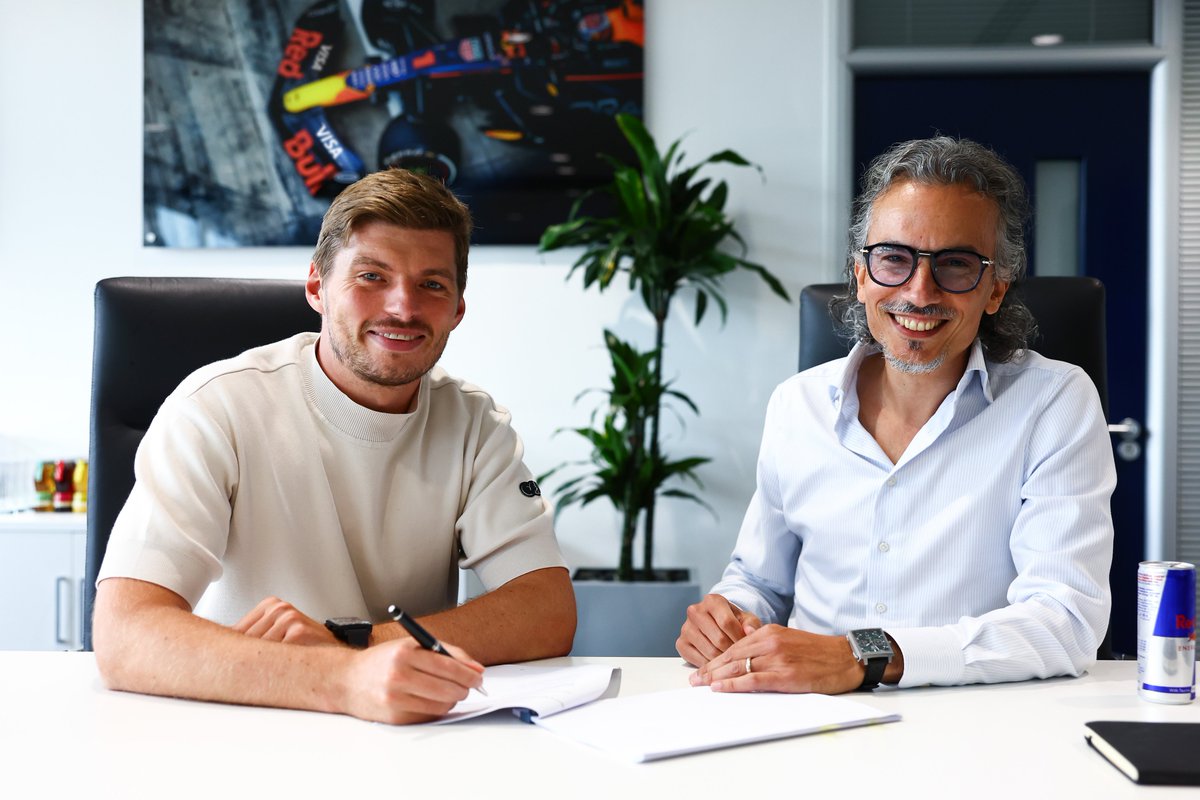
Red Bull has committed team principal Laurent Mekies for a longer period while the team in Milton Keynes celebrates the first victories of the season with Max Verstappen and staff. #cookies #beveiliging #websiteblokkade (translated)

www.telegraaf.nl
Red Bull legt teambaas Laurent Mekies langer vast; renstal viert eerste overwinningen van dit seizoen met Max Verstappen en personeel in Milton Keynes
2572
Erik van Haren 3d

Erik van Haren reported that Mark Mateschitz announced today in Milton Keynes that Laurent Mekies will remain team principal and CEO of Red Bull Racing until 2031. #F1 #F1 #RedBullRacing #Formule1 (translated)

2908
Olivier Blanchard 4d

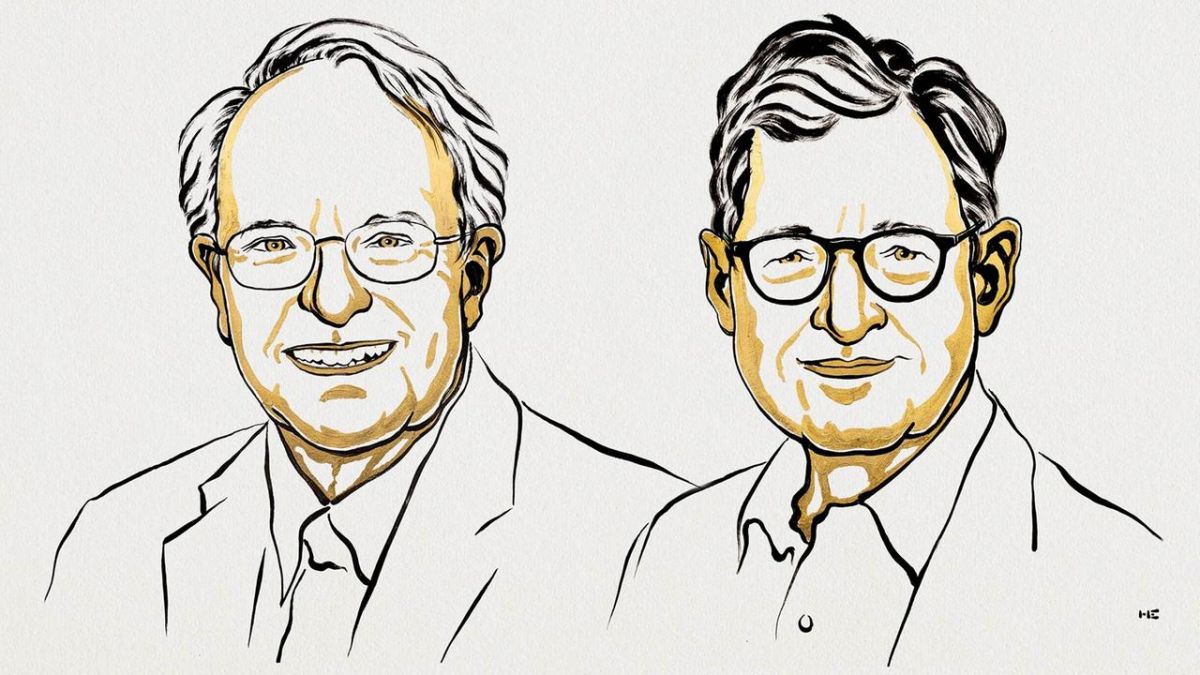
The author wrote that the Nobel Prize awarded to Mike Woodford and Bob Hall would reignite debate over the New Keynesian model. They said some would treat it as an unambiguous success in building macroeconomics on microfoundations, while others would dismiss it as an empirically irrelevant construction.

3378
Olivier Blanchard 4d

The writer said the Nobel Prize awarded to Mike Woodford and Bob Hall would reignite debate over the so-called New Keynesian model. They wrote that some would hail it as a success in building macroeconomics from microfoundations, while others would dismiss it as an empirically irrelevant construction.

2928
BFMTV 4d

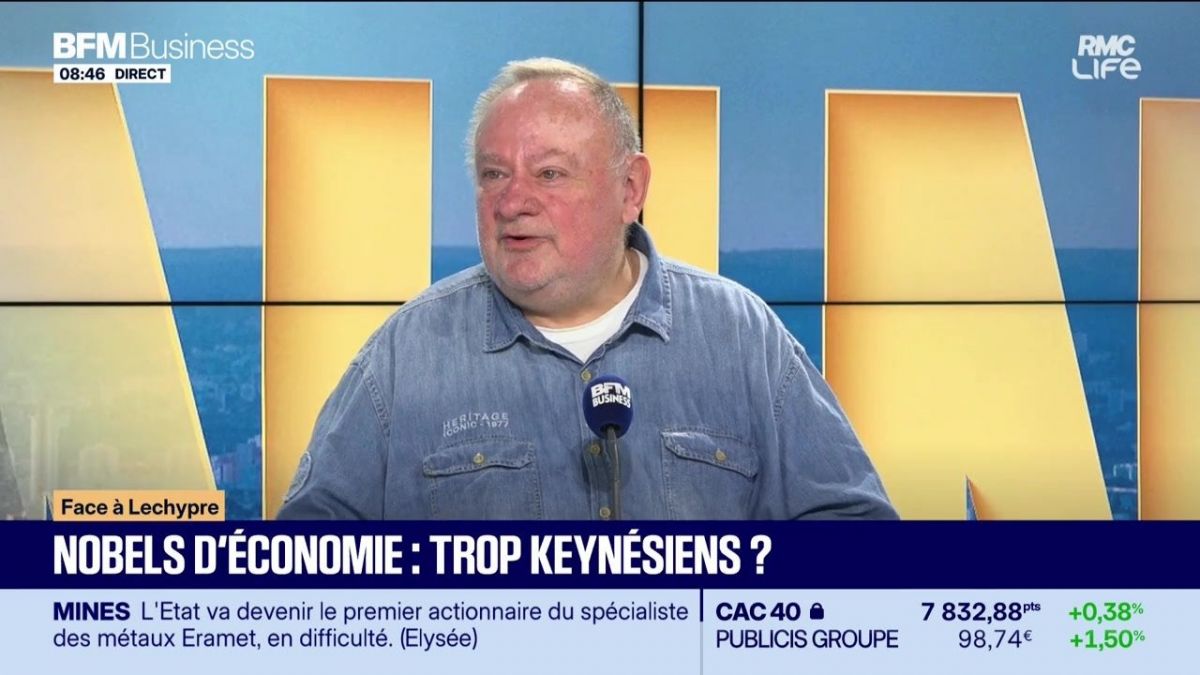
In their column for the Good Morning Business show, Emmanuel Lechypre and Jean-Marc Daniel discuss the new Nobel Prize winners in economics, Robert E. Hall and Michael Woodford, questioning their approach, which is considered too Keynesian. #NobelÉconomie #Keynésianisme #BFMBusiness (translated)

www.bfmtv.com
Emmanuel Lechypre face à Jean-Marc Daniel : Nobels d'économie, trop keynésiens ? - 13/10
2590
Marek Hudík 5d

The author stated that this year's Nobel Prize in Economics, in his opinion, recognized more the intellectual legacy of Milton Friedman and Robert Lucas than Keynesianism. #NobelovaCena #ekonomie #Friedman #CZ (translated)

2933
Ellen Moons 5d

Based on their models, well-coordinated fiscal and monetary policy measures could mitigate economic fluctuations upwards and downwards, said the Secretary General of the Royal Swedish Academy of Sciences, Ellen Moons. #Wirtschaftsnobelpreis #Keynesianismus #StaatlicheEingriffe (translated)

Wie staatliche Eingriffe doch funktionieren können
www.tagesschau.de
3274
John Hassler 5d

The prize winners Robert E. Hall and Michael Woodford from the USA have created a stable theoretical foundation for models that are now used by central banks and governments around the world, explained John Hassler, chairman of the committee for the economic prize. #Wirtschaftsnobelpreis #Keynesianismus #StaatlicheEingriffe (translated)

Wie staatliche Eingriffe doch funktionieren können
www.tagesschau.de
3274
tagesschau.de 5d

This year's Nobel Prize in Economic Sciences is awarded to U.S. economists Robert E. Hall and Michael Woodford, who have established a modern New Keynesian foundation for government intervention to stabilize economic fluctuations with their work. #Wirtschaftsnobelpreis #Keynesianismus #StaatlicheEingriffe (translated)

www.tagesschau.de
Wie staatliche Eingriffe doch funktionieren können
3274
DAN 5d

DAN praised Charlie Kirk's archive and maintained that those who studied economics with the works of Marx and Keynes, but without knowing those of Mises, Hayek, Rothbard, or Sowell, had not received an education but had been indoctrinated. https://t.co/9buvH1W6e1 #Economía #Educación #Libertad (translated)

2484
Scott Horton 5d

In Lord Keynes' 1930 essay on the economic problems of our grandchildren, he makes clear that a billionaires tax will eventually (as in right now) become essential to maintaining and safeguarding democracy because without it the descent into plutocracy will be stark and steep.

2484
NRC 5d

Thanks to the research of Nobel Prize winners Robert E. Hall and Michael Woodford, governments are better prepared for economic crises, as they have made the microeconomic foundations of macroeconomic stabilization accessible and revitalized the Keynesian model. #NobelprijsEconomie #Gedragseconomie #Microfundamenten (translated)

www.nrc.nl
Overheden zijn beter voorbereid op economische crises dankzij het werk van deze Nobelprijswinnaars
3500
Federico Albano 1w

Federico Albano wrote that Ferrari had been very quick with the medium tires, but in SQ3 they lost the necessary tenths to fight for pole when it was crucial to extract the maximum from the tires and especially from the engine. In his view, the car was competitive in various phases and direction changes, but it lost speed on the straights due to aerodynamic drag and low power. He added that the gap to Mercedes and Red Bull increased on the straights and decreased in parts of the mixed sections. Albano called Leclerc's lap “super” and wrote that Hamilton had risked everything in SQ3 but had made several mistakes. Until that moment, according to him, Lewis seemed to have an even better pace than Charles, but the Monegasque finished with two very strong laps. The author attributed pole to Verstappen, noting it had yet to be confirmed, and described Red Bull as the strongest team at the moment. According to his analysis, the car was very fast on the straights, stable in the mixed sections, and capable of limiting losses in slow corners. Verstappen had gained 0.3 seconds on Leclerc already at the end of the first sector, all on the straights, Albano wrote. In his opinion, Red Bull had found the right setup, and the data reminded him of 2022: the car had less downforce, but Verstappen's driving style hid the effect, while speed on the straights remained decisive. Albano described Mercedes as disappointed: Russell had clocked 0.5 seconds faster than Antonelli, but the update package, which he described as extensive, costly, and awaited, was not working. He added that Kimi had also refused the new wing. According to the data he examined, the front end was no longer functioning well, exhibiting understeer in medium-speed corners and difficulty turning the car in slow corners; the increase in aerodynamic drag also hindered deployment. Albano wrote that Antonelli struggled even under braking because he no longer trusted the front end and that, despite the differences between the Singapore and Sepang tracks, what he had seen so far reminded him of the same script. According to Albano, McLaren was not far off but had disappointed in terms of track characteristics and seemed to struggle with a lack of grip, especially when maximum performance was needed. He noted that Ferrari and McLaren, on one side, and Red Bull and Mercedes, on the other, were developing different concepts that ended up producing similar characteristics, except for the Mercedes updates, which in his view were not working. Finally, Albano wrote that the sprint would show whether those cars would be able to create overtaking opportunities or if the race would turn into a train, awaiting the decisive qualifying for Sunday. #Formula1 #SingaporeGP #Motorsport (translated)

3073
Théo Laubry 🇺🇸 1w

Théo Laubry reported that Paul Krugman, American Keynesian economist and Nobel laureate, deemed the French pension system financially unsustainable. According to him, the inability of political leaders to review its parameters could lead to a serious economic and political crisis in Europe. Krugman also reportedly believed that the size of the French economy might make the country too important to be rescued if the situation became uncontrollable. Laubry added that warning signals had been multiplying for months, even years, and called for action rather than allowing the situation to deteriorate due to ideological or electoral blindness. #Economie #Retraites #CriseEconomique (translated)

3421
Federico Albano 3w

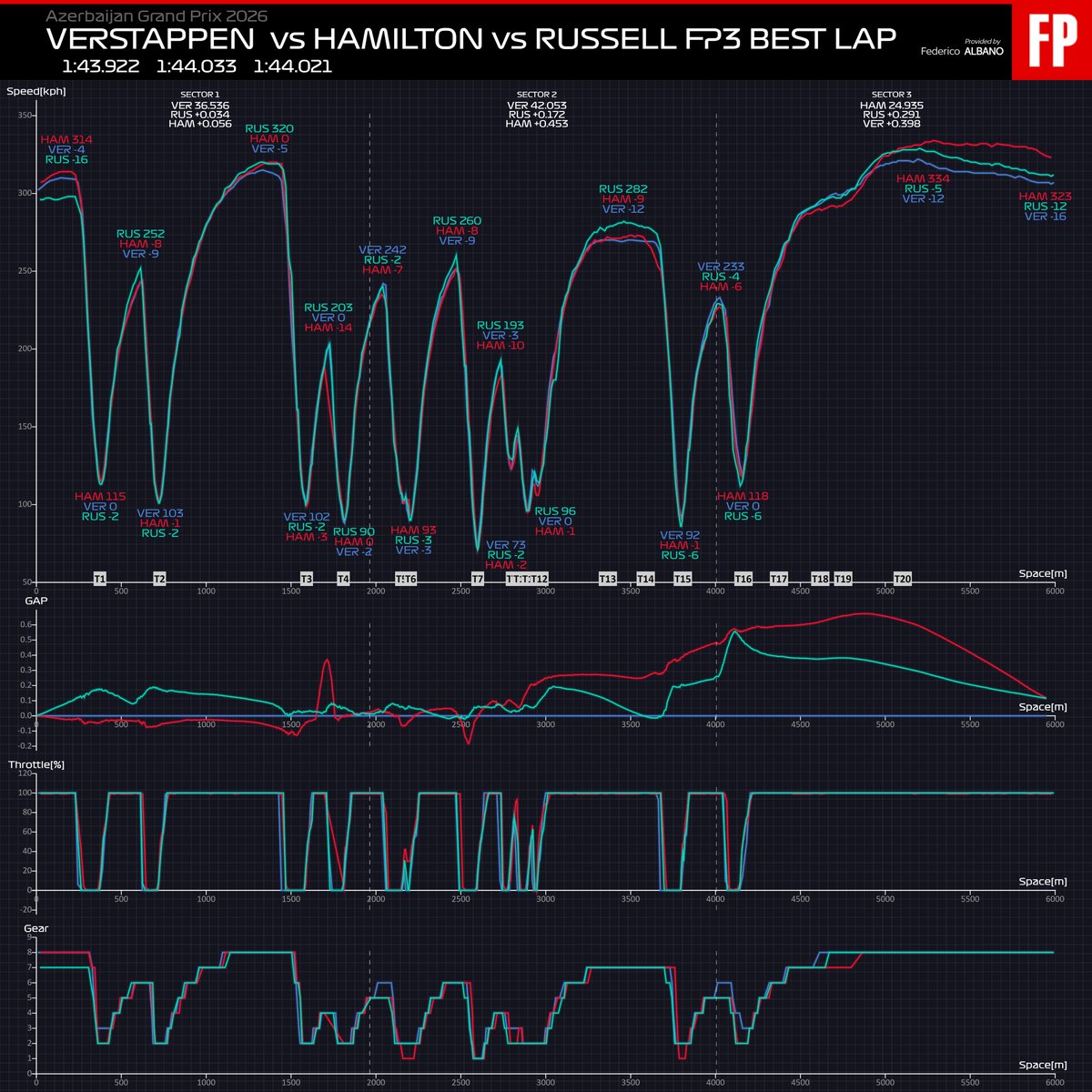
in #FP3 arriva #Verstappen. Tutti alzano il livello di motore e #Mercedes è un po' meno irraggiungibile. La #RedBull può far bene su questa pista dato che nasconde i problemi della macchina e ne esalta i punti di forza. A differenza di quanto visto in precedenza il deployment del team di Milton Keynes è cambiato in cerca di una migliore ottimizzazione. Max fa harvesting verso curva 3, poi va forte alla cittadella (buon assetto sospensivo) e fortissimo a 15-16, tra energia, frenata e buon laterale. Lascia già un paio di decimi nell'ultimo dritto ma ormai è troppo avanti per essere ripreso. Credo che in quali Mercedes farà un salto di motore ulteriore che la rimetterà davanti favorita ma ovviamente non si sa mai. Oltre a dominare tutti gli allunghi brevi, senza fare harvesting fino alla 3 #Russell guadagna tanto anche nel tratto in discesa verso la 15: tutti lì cercano di sfruttare la discesa per ricaricare in vista del dritto finale, #Ferrari fa super clipping, lui quasi niente. Quello che lascia a Max però in ingresso di 15 e 16 è troppo e non riesce a colmarlo nel drittone finale. #Hamilton fa un ottimo giro, la #SF26 sembra aver trovato un equilibrio decisamente migliore, ed è in linea con Russell e Verstappen fino alla Cittadella. Da lì in poi però crolla velocemente, sia nel lento, sia a 15-16, sia poi nella parte inziale del drittone finale dove il gap si apre ulteriormente. La scia enorme trovata a quel punto però si vede, con Lewis che plafona senza scendere, come si vede super chiaramente dalla linea rossa che va quasi orizzontale alla fine. Recupera mezzo secondo di gap e chiude a un decimo, cristallizzando, però, che la scia sarà un fattore enorme in qualifica. #Leclerc non in difficoltà come performance ma con la pista: il tracciato era molto sporco e il monegasco non è riuscito a completare un giro buono nell'ultimo run, con tantissimi errori dovuti proprio alle scarse condizioni di grip della pista, di cui si è lamentato molto in radio. #McLaren per ora alla finestra, alle prese con un po' di grane con l'assetto per via di tutti gli aggiornamenti portati che vanno compresi. Da capire dopo quando tireranno su di motore dove andranno a finire. Qualifica interessante, Mercedes favorita, ma Max c'è. Sarà un pandemonio con le scie. #AzerbaijanGP #F1 #F1 #AzerbaijanGP #Formula1

13320
D
de Volkskrant Sep 1

Econoom Soumaya Keynes biedt in een recent interview inzichten over hoe landen kunnen omgaan met handelsoorlogen, waarbij ze benadrukt dat hoewel niemand echt kan winnen, het belangrijk is om te reageren om verliezen te minimaliseren. #Handelsoorlog #Economie #SoumayaKeynes

www.volkskrant.nl
Hoe win je een handelsoorlog? Niet, klinkt het meestal: iedereen verliest. Toch heeft econoom Soumaya Keynes wel een paar suggesties
16420
Tear Off Aug 20

🔴 Laurent Mekies a convaincu Max Verstappen de rester chez Red Bull... avec une présentation PowerPoint ! 😭 Le Français a invité le Néerlandais, Jos Verstappen et Raymond Vermeulen à Milton Keynes en mai dernier. Il leur a présenté les plans de Red Bull concernant le développement de la voiture, le projet moteur ainsi que le personnel clé de l’écurie. (🗞️ @ErikvHaren / #F1 / #DutchGP) #F1 #RedBull #Verstappen

31200
Tilo Jung Aug 18

Mit hunderttausenden Wohnungen soll keine Rendite mehr gemacht werden. Die Entscheidung des Berliner Souveräns ist gefallen & kostet, was es kosten muss "Was man sonst noch mit dem Geld machen könnte" ist ein plumpes Ablenkungsmanöver Anything we can do, we can afford - Keynes #BerlinerSouverän #Wohnen #Rendite #DE

118
Kiritkumar Gentilal Aug 13

A Cerveja Barata Que Vale Uma Fortuna ao Estado Vinte e cinco cêntimos de imposto, trinta e sete euros de história por trás de cada garrafa Pedi uma imperial ao balcão de uma tasca em Odivelas, no fim de uma tarde de trabalho. O empregado puxou a torneira com o gesto automático de quem já o fez dez mil vezes, deixou a espuma assentar o tempo certo, e devolveu-me o troco de uma nota de cinco euros sem sequer olhar para a máquina registadora. Foi um gesto banal, repetido todos os dias em milhares de estabelecimentos por todo o país. E, no entanto, dentro daquele copo de vinte centilitros escondia-se uma engenharia fiscal e económica em que ninguém, naquele balcão, estava a pensar. Vamos aos números. Numa cerveja de vinte centilitros como aquela, servida ao balcão, cerca de vinte e cinco cêntimos correspondem a impostos directos. A maior parte é IVA, que sobe com o preço; cerca de dois cêntimos são Imposto Especial de Consumo, calculado não pelo preço, mas pelo volume e pelo grau Plato da cerveja. É pouco. É quase simbólico, se compararmos com o preço de um maço de tabaco ou de um litro de gasóleo. Mas é precisamente esta modéstia que engana. Porque, segundo estudos recentes sobre o sector, cada euro de imposto directo cobrado à cerveja gera trinta e sete euros de receita fiscal total, espalhada por uma cadeia que vai da agricultura à restauração, passando pela indústria, pela energia, pelas embalagens e pelo transporte. Pense-se numa roda de bicicleta. O eixo é pequeno, quase insignificante perto do resto da estrutura. Mas é ele que, ao girar, arrasta consigo os raios, o aro, o pneu, e por fim a bicicleta inteira. O imposto directo sobre a cerveja é esse eixo: parece não fazer nada por si só, mas é o ponto de partida de um movimento que atravessa sectores inteiros da economia portuguesa. Sem ele, nada gira. Com ele, gira tudo. Há em Lisboa uma cervejaria que existe desde 1836, erguida sobre as ruínas do antigo Convento da Santíssima Trindade, destruído pelo terramoto e reconstruído sucessivas vezes até à extinção das ordens religiosas. A Cervejaria Trindade viu passar monarquia, república, ditadura e democracia, sempre com os seus azulejos oitocentistas na parede e cerveja a sair ao balcão. Não é um pormenor decorativo: é a prova de que este produto, aparentemente trivial, atravessou quase dois séculos de história portuguesa sem nunca deixar de gerar actividade económica à sua volta — fornecedores, empregados, rendas, impostos, turistas. Foi John Maynard Keynes quem, no século passado, deu nome científico a este fenómeno: o multiplicador. A ideia de que uma unidade de despesa, ao circular pela economia, gera muito mais do que o seu valor inicial. Ninguém, ao lê-lo, estaria a pensar em cerveja. Mas o princípio é o mesmo: o dinheiro que sai de um copo não morre ali. Continua a circular, a pagar salários, a gerar novos impostos, a sustentar outros negócios. O debate público sobre fiscalidade tende a ignorar estes efeitos indirectos. Discute-se o IRS, o IVA da habitação, o preço dos combustíveis. Raramente se olha para sectores específicos e se pergunta: quanto é que este produto, por si só, faz mover à sua volta? Num país onde a restauração e o turismo pesam tanto na economia, ignorar este tipo de análise é um erro de perspectiva. A cerveja não é excepção; é talvez o exemplo mais claro de como um imposto pequeno pode sustentar uma cadeia de valor gigantesca. Da próxima vez que pedir uma imperial ao balcão, repare no troco que lhe é devolvido. Vinte e cinco cêntimos de imposto directo, sim. Mas por trás desse troco insignificante está um agricultor no Alentejo, uma fábrica que paga IRC, um transportador que paga IVA, um empregado de mesa que descontou para a Segurança Social, e um festival de Verão que atraiu turistas até à sua terra. A cerveja não é apenas uma bebida de convívio. É uma engrenagem silenciosa da economia portuguesa — e talvez seja tempo de lhe darmos a atenção que merece. #Economia, #Fiscalidade, #Sector Cervejeiro, #Impacto Económico, #Cadeias Produtivas, #Restauração, #Turismo, #Economia Portuguesa, #Consumo, #Multiplicador Fiscal, #Portugal

472