choco ♡ wrote that she had summoned the courage to pick up the pencil and that this week she would continue making progress with the pending comics. https://t.co/GOFkwgUcgR #Tareas #Productividad #Lápiz (translated)

choco ♡ wrote that she had summoned the courage to pick up the pencil and that this week she would continue making progress with the pending comics. https://t.co/GOFkwgUcgR #Tareas #Productividad #Lápiz (translated)

Estefania Molina wrote that she did not believe Pedro Sánchez had yet decided whether to call elections. Nevertheless, she maintained that he was an unparalleled politician in Spain for decades and the undisputed leader of the left. Molina recalled that in 2016 Sánchez obtained 85 seats, while Podemos was gaining strength and Pablo Iglesias was sparking enthusiasm among young people. According to her, the PSOE, with 150 years of history, was then facing the risk of disappearing. The author considered Sánchez's economic policies to be counterproductive and short-term, stating that growth was supported by the increase in the number of workers rather than by productivity. She also described his housing policies as populist and said they pointed the average owner as guilty without addressing the underlying problem. Despite these criticisms, Molina asserted that Sánchez was the best politician known to a generation of young people. She added that, in her view, he would call elections when he could ensure the PSOE a solid position in opposition, and maintained that the right could not aspire to have a leader like him. #PedroSánchez #PolíticaEspañola #Juventud (translated)

Gustavo Petro criticized the Minister of Agriculture for talking about stopping rice cultivation and called the proposal miserable for the Colombian people. He argued that rice was nutritious and that the country should move towards food self-sufficiency. He warned that a fall in the peso, a mega-drought, and rising food prices would increase hunger. He also stated that the Ibagué plateau had rice yields similar to those of the United States. Petro said he had proposed a "rice route" that would include cooperative mills owned by producers, cheap credit, cooperation with Chinese universities to improve techniques and productivity, tariff protection, and the expansion of rice-growing areas. He also suggested building the road between Ayapel, San Marcos, and Magangué, deepening agrarian reform in Magangué and southern Bolívar, and allowing water to flow in La Mojana. He asserted that Colombia should produce more cereals and replace extensive livestock farming on 15 million hectares of fertile land with food agriculture in the hands of peasant farmers and small and medium producers. He added that cashew production was important, but not as a substitute for rice-growing areas: he proposed cultivating it in low-productivity livestock areas, as a voluntary alternative to coca leaf crops and in the Colombian altillanura. Petro linked the minister's announcement about rice production to land burning in Tolima due to human action and to what he described as the idea of Abelardo and Restrepo of substituting production and intensive labor for hydrocarbon extraction and activities with less employment. https://t.co/zB0X6wz13i #Arroz #AutosuficienciaAlimentaria #ProducciónAgrícola (translated)

Gustavo Petro criticized the minister of agriculture's stance on discontinuing rice cultivation, calling it harmful to the Colombian population. He argued that rice was nutritious and that Colombia should move towards food self-sufficiency. He added that a decline in the peso, a mega-drought, and rising food prices could exacerbate hunger. Petro stated that the productivity of rice in the Ibagué plateau was similar to that of the United States. He said he had proposed a "rice route" that would include cheap credit, protective tariffs, and the expansion of rice-growing areas. He also suggested that producers become cooperative owners of mills, as in Zulia, Norte de Santander; promote an agreement with Chinese universities to improve techniques and productivity; build the road between Ayapel, San Marcos, and Magangué; deepen agrarian reform in Magangué and southern Bolívar; and allow water flow in the Mojana. Petro defended increasing the production of cereal foods and proposed replacing extensive livestock farming on 15 million hectares of fertile land with food agriculture led by peasants and small and medium-sized producers. https://t.co/zB0X6wz13i #AgriculturaColombia #SoberaníaAlimentaria #ProducciónDeAlimentos (translated)

The meme of a little cry and then moving on has gained popularity among younger generations as a way to normalize crying in work-related pressure situations, but it also raises a critique about the frustrating impossibility of processing emotions in an environment that prioritizes productivity. #TrabajaConEmociones #NormalizaciónDelLlanto #GeneracionesJóvenes (translated)

My stupid recipe, Doctor Restrepo, achieved the highest employment rate, the lowest rates of hunger and poverty of the 21st century, and some of the highest levels of per capita income in the last quarter of my government in the entire history of Colombia. You and Abelardo today, just as you did in Duque's government during the first month of his administration, shot up unemployment almost to the double-digit figures that you handed over to my government. That's called a step back! It's unfortunate that a part of the Colombian electorate believes that Colombia's destiny is to go backward. Again the IMF, again over-indebtedness that you promoted, Dr. Restrepo, by giving subsidies to the rich and imposing a gasoline subsidy paid with the budget. These days, that is called economic ignorance and anachronism. I propose my support from the opposition to make a great agreement for the equitable progress of Colombia. What allowed us to have the best social economic figures of the century was: 1. Leaving hydrocarbon extraction and moving to real production in industry, commerce, and tourism. Prioritizing production, that is, the transformation of materials to make other materials for a good life for people, automatically raises employment levels and overall productivity. 2. Raising the minimum wage every year to the level of the vital basket for a family. This was demanded by the social doctrine of the Catholic Church in the encyclical "Rerum Novarum" by Leo XIII, and you, as a fervent Catholic, should apply it. In that encyclical and in that of Francis I about the "common home," and in that of Leo XIV about "a dignified Humanity," you would find a comprehensive agreement with the progressivism I lead. 3. A leading role of the state in the economy in strategic matters such as tariffs for industrialization, abundant and cheap credit for small and medium-sized industries, cheap credit for industry, food production, exports, and zero-interest credit for any national industry that produces an increase in Colombia’s computational capacity, energy, and railroads. 4. Leading the decarbonization of the economy through a 100% clean electricity generation matrix, replacing the prohibitively expensive gas with extremely cheap and abundant solar energy in Colombia. Remember that in my government I managed to increase growth in the four years by 500% in the naval industry and 200% in the electric automotive industry. 5. Redistributing another million hectares among farmers and doubling food production in the country to lower the prices of the family basket and increase real wages. You and we can lower the interest rate set by the Board of the Bank of the Republic by configuring another majority in the board that is friendly to production and work. 5. And if you don’t want, Mr. Restrepo, to reach agreements given the mind-numbing sectarianism that predominates, then just remember my advice: work and nature are the sources of wealth, and in Colombia, the real wage as an expression of the value of work allows the expansion of the internal market, both formal and informal, and increases the number of companies and workforce. When the country decides to return to legitimate institutions, it might be too late for you, but these will be the economic bases already experienced with positive data for a national agreement. #EconomíaColombiana #Progreso #DesarrolloSostenible (translated)

To Dr. Bruce Mac Master and the ANDI, my recognition and gratitude for their leadership in favor of the country's productive apparatus. #Liderazgo #Productividad #Reconocimiento (translated)

Europa cerraría un tercio de su brecha de productividad con EEUU si tuviera empresas de mayor escala. Se necesita un verdadero mercado único, y menos regulación, para permitir a sus empresas crecer. 27 mercados nacionales no hacen un mercado continental. https://t.co/CyCXKkoCdA #Productividad #MercadoÚnico #EmpresasEuropeas #EU #US
Aunque el efecto positivo sobre la productividad es más previsible, el impacto neto sobre el empleo dependerá de su adopción, las regulaciones, la organización empresarial y las competencias de la poblaciónEl responsable de análisis económico de BBVA Research, Rafael Doménech, y el economistas principal para España y Portugal de la entidad, Juan Ramón García, han puesto de relieve que España crea empleo, pero también han alertado de que necesita elevar la productividad que sostiene los salarios y el bienestar. #InteligenciaArtificial #Empleo #Productividad

Madrid y Cataluña concentran el mayor número de empleos altamente expuestos a la inteligencia artificial, mientras que Extremadura y Murcia se encuentran en el extremo opuesto, según un informe de BBVA Research. #InteligenciaArtificial #Empleo #Productividad


Ahorren lo que puedan mientras puedan, porque la jubilación va a ser un concepto anticuado en unas decadas Eso o rezar que la IA aumente la productividad (? #Ahorro #Jubilación #IA

La economía española creció un 2,6% hasta junio de 2026, impulsada por el consumo de los hogares y la inversión empresarial, a pesar de la desaceleración del empleo y la baja productividad, mientras esquivaba el primer impacto de la guerra de Irán. #EconomíaEspañola #CrecimientoEconómico #Inflación

"Una economía moderna necesita bancos y mercados capaces de acompañar a las familias, a los autónomos y a las empresas. Necesita financiación para crear empleo, innovar, internacionalizarse y aumentar su productividad" #DéficitViviendas #BancoDeEspaña #EconomíaEspañola
La vicepresidenta segunda del Gobierno y ministra de Trabajo, Yolanda Díaz, se presenta como candidata a dirigir la OIT en Ginebra, destacando su experiencia en la gestión de crisis y su compromiso de relanzar la organización frente a la actual situación financiera y de productividad global. #YolandaDíaz #OIT #TrabajoDecente

O sea. La productividad mejorará y las posibilidades de que el PIB aumente son mayores, pero la inflación va a seguir restando poder adquisitivo a los salarios. Las posibilidades de la IA son reales, pero a unos costes enormes en forma de altísimos consumos de agua y enormes #Productividad #Inflación #IA #Nocountrycodesarementionedinthetweet.
El Tribunal Supremo ha ordenado al Gobierno español revelar los pluses de productividad percibidos por miles de altos cargos, rompiendo años de opacidad en la distribución de estos beneficios dentro de la Administración pública. #TransparenciaSalarial #Funcionarios #GobiernoES
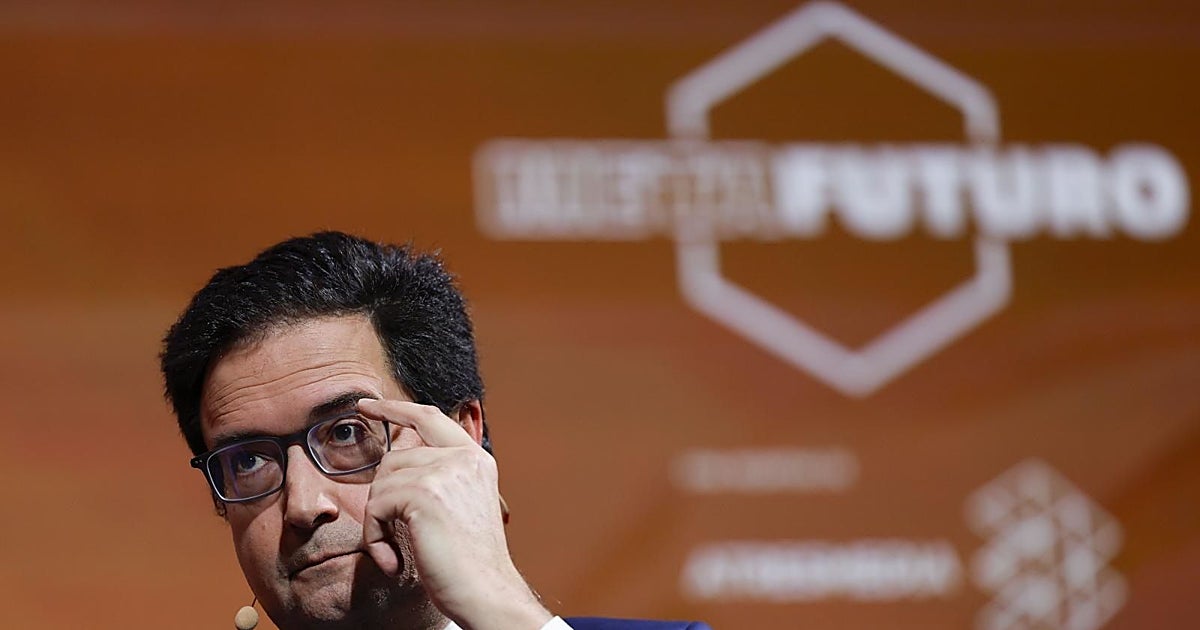
La inteligencia artificial, junto con la robótica, puede disparar la productividad a una escala hoy todavía inimaginable… Pero necesitamos energía, redes, y atracción de capital. España no tiene un problema de talento. Tiene un problema de escala. Y la escala también se #InteligenciaArtificial #Robótica #Productividad #ES

🇰🇷 Universidades surcoreanas debaten en un foro global cómo formar "lo que la IA no puede sustituir": pensamiento crítico, ética y carácter, antes de que se amplíe la brecha de productividad. https://t.co/LW306Hc9m9 https://t.co/2tHodwqXXb #IA #PensamientoCrítico #Educación #KR

Dos años después del informe Draghi, Europa sólo ha implementado el 15% de sus recomendaciones. Europa no necesita más diagnósticos. Necesita reformas. Es obvio que perdemos competitividad porque no crece nuestra productividad. El problema de Europa ya no es saber qué hacer. #Europa #Reformas #Competitividad #EU
La baja productividad de España en comparación con las economías más avanzadas de la UE se atribuye principalmente a la predominancia de pequeñas empresas, que son menos productivas y emplean a más trabajadores que en otros países, así como a la falta de capital humano adecuado y un sector empresarial compuesto en gran parte por sectores con menor desarrollo. #Productividad #EconomíaEspañola #Pymes