
Rosario Aitala, deputy president of the International Criminal Court, told Corriere della Sera that the sanctions announced by the United States were preventing judges from carrying out both public and private activities, and that for many of them, the effects were already in place. He reported that they were subjected to measures similar to those reserved for terrorists: revoked credit cards, closed bank accounts, and canceled insurance contracts, with some companies refusing to reimburse medical expenses. According to Aitala, many apps on their phones had stopped working and it was forbidden to book hotels or flights through platforms. As an example, he recounted that Alexa no longer responded to a colleague after he asked her to play blues music. Another European colleague, he added, had booked a room in his own country through a European platform and, after half an hour, received an email ordering him not to try again. #Giustizia #Sanzioni #DirittiUmani (translated)

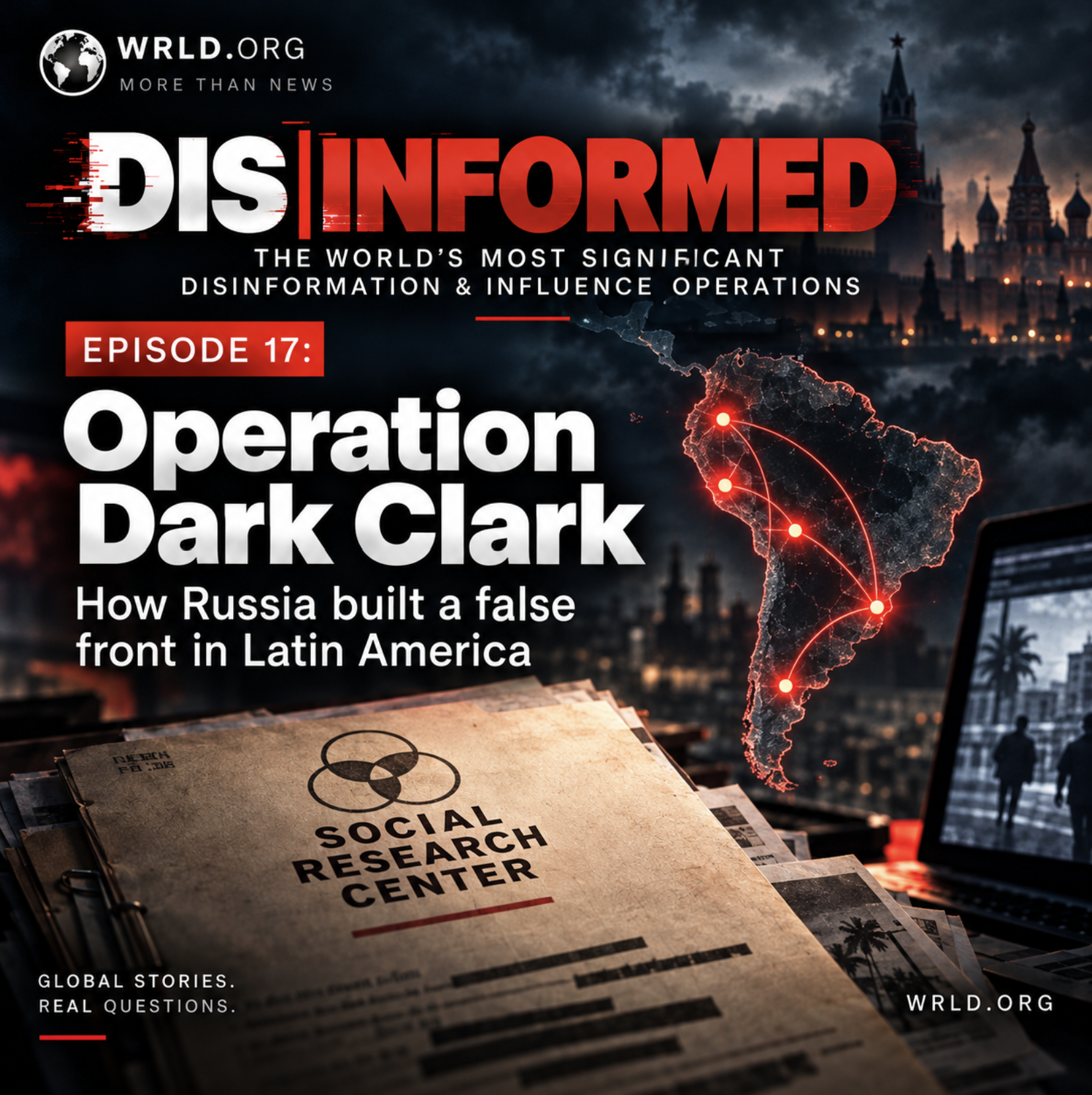
Operation Dark Clark – Russia built a real organisation around a false identity Most influence operations create fake people, fake websites or fake news stories. Operation Dark Clark appears to have gone considerably further: Russian operators built what looked like a functioning research organisation in Latin America, employed real people to produce genuine research and concealed from those employees who was ultimately directing their work. OpenAI disclosed the operation on 8 October after banning a cluster of accounts originating in Russia. The actors used ChatGPT while targeting countries across Latin America, principally to damage Ukraine’s reputation, manipulate domestic political debates and manage a self-described research organisation called the Social Research Center, or SRC. OpenAI assessed Dark Clark as Category Five on the six-level Breakout Scale, the first operation it has disrupted since beginning its influence-operation reporting to reach that level. A front organisation with real employees The SRC presented itself as a research platform studying subjects including Latin America’s relationship with India and the Indian diaspora. OpenAI found more than 60 articles on its website, most of them apparently original rather than plagiarised. Internal reports produced by the Russian operators discussed hiring, dismissals, salary scales, staffing and unfinished research projects, strongly suggesting that the operators controlled the organisation rather than merely collaborating with it. At the centre of the structure was “Mia Clark”, a fictitious identity reportedly used to manage social-media activity and communicate with staff. According to OpenAI, the available evidence indicates that employees working for SRC in Latin America were probably unaware that the organisation was being directed by Russian actors. They interviewed experts, conducted research and wrote papers in what appears to have been good faith. The deception therefore existed primarily at the organisational level: much of the work was real, but the identity and strategic purpose of the institution commissioning it were not. OpenAI This is one reason Dark Clark differs from the familiar model of a troll farm. A reader encountering an SRC paper might be looking at research genuinely written by a Latin American employee based on genuine interviews. The manipulation lies further upstream, in who built the institution, selected its direction and controlled its infrastructure. From forged emails to real events The operation also appears to have attempted something more ambitious than online persuasion: inducing real people to produce events that could later be turned into propaganda. In May 2026, according to the operators’ internal reports, they created an email address impersonating Lima’s regional education authorities and instructed schools to organise activities about Ukraine for a cultural-diversity event. The instructions included references to Stepan Bandera, whose historical legacy remains particularly contentious in Poland and parts of Eastern Europe. The operators claimed that some schools complied, replied to the false address and sent photographs of the events. OpenAI could not independently verify every claim contained in the operators’ reports. It did, however, find Peruvian reporting matching the story, followed by publications in Poland and an English-language outlet in Hungary. Some coverage included comments from a Polish MEP calling for people displaying what he described as anti-Polish attitudes to be declared persona non grata. OpenAI therefore concluded that the fabricated starting point appears to have entered genuine political debate across national borders. The mechanism is unusually effective because the final photographs need not themselves be fabricated. If people can be tricked into staging a real event on the basis of a forged instruction, the operation creates authentic visual evidence of something that was artificially initiated. The same method in Ecuador and Bolivia Dark Clark’s internal reports describe similar efforts elsewhere. In Ecuador, the operators claimed they used a fake education email to encourage schools to stage ceremonies involving President Daniel Noboa and Erik Prince, the former head of Blackwater. Ecuadorian media subsequently covered a matching controversy, and the country’s education minister issued a detailed denial. Other Ecuador-focused material included fabricated audio attributed to Ukraine’s consul and a false television report alleging that Noboa’s government was recruiting Ecuadorians to fight in Ukraine. Local fact-checker Lupa found that the supposed Teleamazonas report had never been broadcast, that images had been taken from Instagram, that the audio was AI-generated and that a company named in a supposed recruitment contract did not exist in Ecuador’s corporate registry. In Bolivia, an internal report described a fake audio recording supposedly made by an employee of state water company EPSAS during anti-government protests. It claimed that water supplies to La Paz would be cut and a state of emergency declared. The allegation produced a fact-check and an official denial. OpenAI says the operators explicitly described their objective as worsening the political crisis surrounding the demonstrations. Possible links to the post-Wagner influence machine Dark Clark did not emerge in a vacuum. The operators repeatedly asked ChatGPT about Politology and La Compania, names associated in previous investigations with the Russian influence apparatus that developed from structures once connected to Yevgeny Prigozhin. Forbidden Stories and its partners obtained 1,431 pages of internal documents describing a network known as “The Company”, which they reported had grown to almost 100 operatives and was conducting influence projects across roughly 30 Global South countries. Their investigation found that the organisation moved under the supervision of Russia’s Foreign Intelligence Service, the SVR, after Prigozhin’s death. Its documented budget for ten months of activity in 2024 was approximately €7.3 million. Two older Argentina campaigns claimed in Dark Clark’s internal reports — a false story about Javier Milei buying Cartier collars for his dogs and the staging of anti-Milei graffiti — had already been independently attributed by investigative journalists to Politology/La Compania. That is significant corroboration, but it is not enough to prove that every Dark Clark activity was run by the same organisational structure. AI was the back office, not the mastermind Perhaps the most important finding concerns artificial intelligence itself. In most documented cases, the Russians were not using ChatGPT to generate the propaganda seen by the public. Their principal use was administrative: drafting reports for an unknown superior, summarising operations, translating material and recording the supposed success of campaigns. Those reports also expose a weakness in the operators’ own measurement. OpenAI found instances in which they tried to claim credit for developments they had probably not caused, suggesting that they were not only attempting to manipulate Latin American audiences but also presenting an inflated picture of their effectiveness to whoever was supervising them. Dark Clark nevertheless broke further into the real world than any influence operation OpenAI had previously disrupted. Under the Brookings framework, Category Five means that an operation has escaped its original network and been amplified by high-profile individuals such as politicians. Dark Clark crossed that threshold because fabricated narratives appear to have provoked governmental denials, mainstream reporting and political comment in several countries. Its most important innovation was therefore not a particularly convincing deepfake. It was the construction of a partly genuine institution around a concealed foreign controller. The research could be real. The employees could be real. The interviews could be real. What was false was who they were ultimately working for. Sources OpenAI — Disrupting AI-enabled “false front” operations https://openai.com/index/disrupting-ai-enabled-false-front-operations/ Forbidden Stories — Propaganda Machine: Russia’s foreign influence strategy across three continents https://forbiddenstories.org/propaganda-machine-secret-documents-reveal-russias-foreign-influence-strategy-across-three-continents/ Forbidden Stories — Ghost Journalists, Cash and Kremlin Scripts: Argentina https://forbiddenstories.org/ghost-journalists-cash-and-kremlin-scripts-how-russian-operatives-tried-to-influence-argentinian-media/ openDemocracy — Russian influence operation in Bolivia https://www.opendemocracy.net/en/russia-bolivia-south-america-putin-evo-morales-wagner-prigozhin-covert-operations-propaganda-disinformation-foreign-interference/ Lupa Media — Fake Teleamazonas report about recruiting Ecuadorians for Ukraine https://lupa.com.ec/verificaciones/noboa-mercenarios-ucrania-ecuador/ Brookings Institution — The Breakout Scale https://www.brookings.edu/articles/the-breakout-scale-measuring-the-impact-of-influence-operations/ Keywords: #DISINFORMED #Episode17 #OperationDarkClark #DarkClark #Russia #LatinAmerica #RussianInfluence #RussianDisinformation #Disinformation #InformationWarfare #InfluenceOperations #ForeignInterference #FIMI #FalseFront #FrontOrganisation #FakeInstitution #SocialResearchCenter #SRC #ArtificialIntelligence #AI #GenerativeAI #ChatGPT #OpenAI #NarrativeManipulation #SourceLaundering #InstitutionalManipulation #ForgedDocuments #FakeAudio #PoliticalInfluence #CovertInfluence #Peru #Ecuador #Bolivia #Argentina #Ukraine #Politology #LaCompania #TheCompany #SVR #WagnerLegacy #PropagandaMachine #GlobalSouth #BreakoutScale #OSINT #MediaManipulation #WRLD

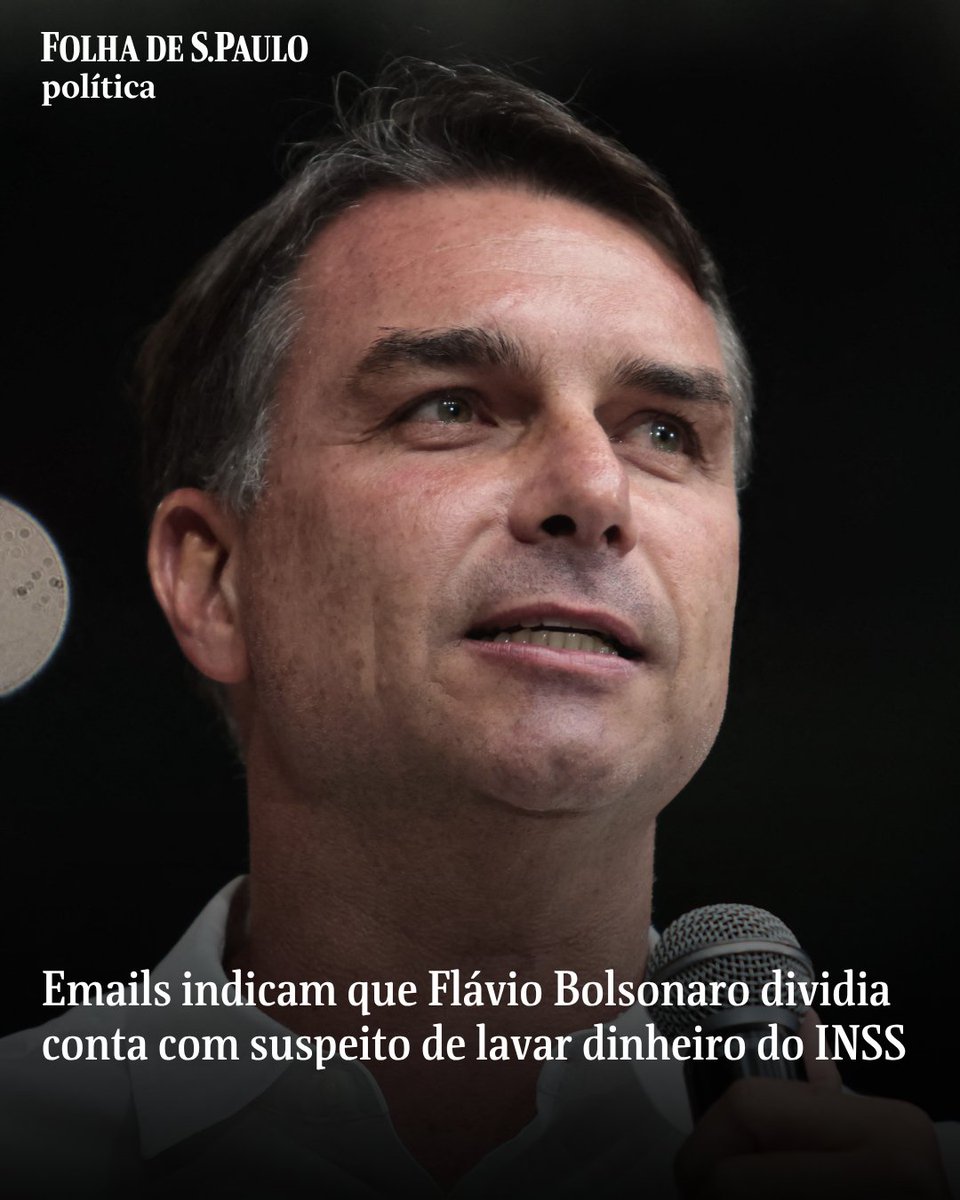
The newspaper Folha de S.Paulo reported that emails obtained by the Federal Police indicated that senator and presidential candidate Flávio Bolsonaro (PL) shared a bank account at Santander with lawyer and businessman Willer Tomaz, who is suspected of being involved in a money laundering scheme linked to frauds in the INSS. According to the newspaper, both denied the allegations. The information was initially revealed by UOL and was confirmed by Folha. #Política #Corrupção #Brasil (translated)

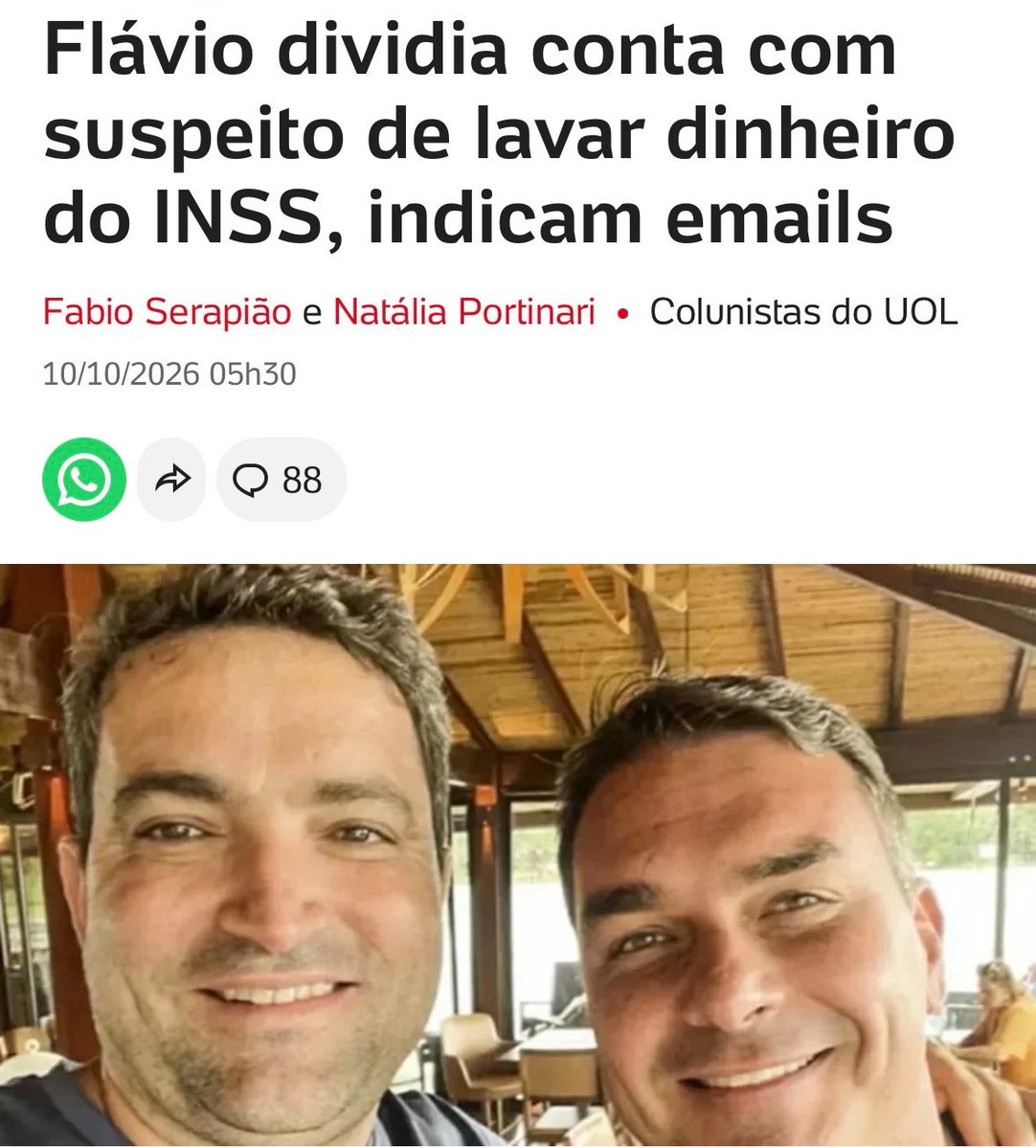
Kriska Carvalho drew attention to emails that, according to her, indicated that Flávio shared an account with a suspect of laundering money from the INSS. https://t.co/NAf2Mm5zak #Flávio #LavagemDeDinheiro #INSS (translated)

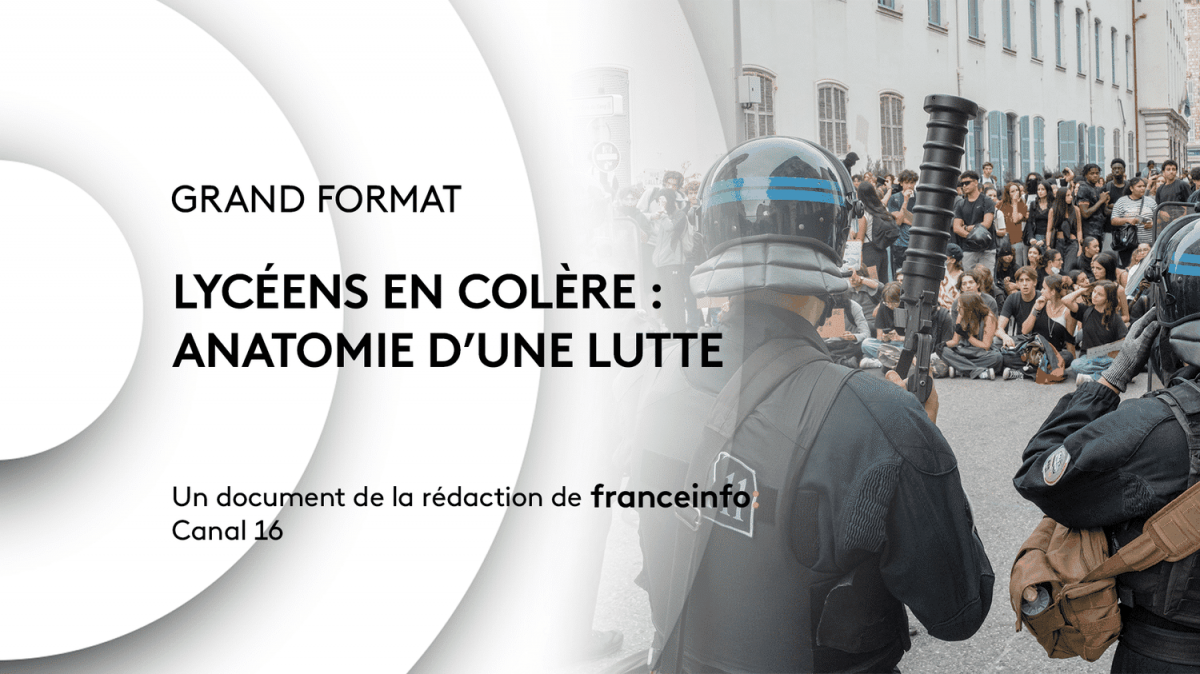
The documentary Angry High School Students: Anatomy of a Struggle from Franceinfo explores the mobilization of young people in France over three weeks, highlighting the tensions between them and the government, as well as the violence that marred the demonstrations. #MobilisationLycéenne #ColèreÉtudiante #LutteSyndicale (translated)

Martin Sellner wrote that an internal survey among his viewers mostly wanted Ulf Poschardt as guest of the month. He has publicly and officially invited Poschardt to a conversation about the state of the nation. Christian Rieck and Roger Köppel were in second and third place, respectively. He also wants to send an email to all three; he is curious about who will dare. #Gespräch #Politik #GastdesMonats (translated)

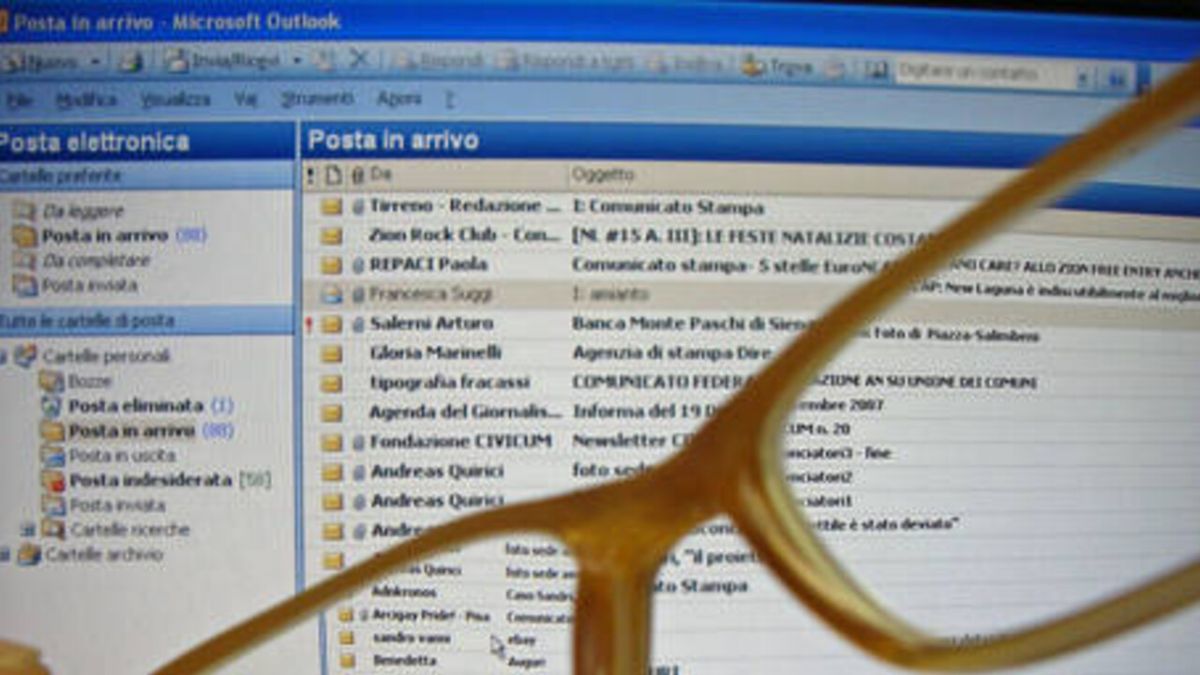
From October 29, companies and platforms must comply with the new guidelines from the Privacy Authority on the use of tracking pixels in emails, ensuring transparency, explicit consent, and the ability for users to withdraw consent. #Privacy #Gdpr #TrackingPixel (translated)

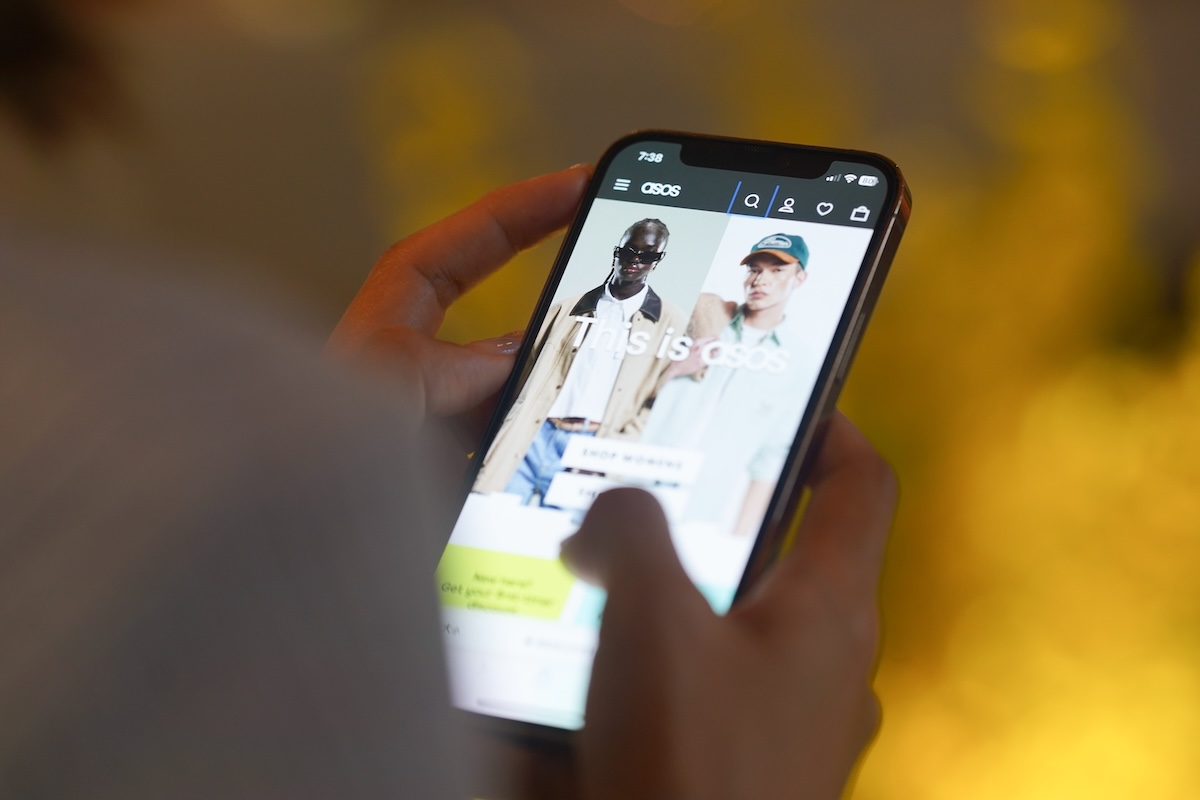
Asos has confirmed that it suffered a cyber attack in which the data of many users was stolen, including names, email addresses, and phone numbers, but payment details and passwords were not compromised. #Asos #CyberSecurity #DataBreach (translated)

Yann LeCun contested the idea that all forms of artificial intelligence would be "beautiful nuisances." He cited systems that detected tumors on mammograms, spotted obstacles on the road and reduced collisions by 40%, filtered spam and scam attempts, or blocked foreign influence attempts on the democratic process. He also mentioned tools that described the visual environment to blind people, translated languages, and assisted doctors, researchers, and journalists. He concluded that we should avoid dismissing all forms of AI. #IntelligenceArtificielle #Innovation #Technologie (translated)
In his speech at Urto, the author wrote that Lutnick had said he had severed ties with Epstein in 2005. He reported that Simon Andriesz had searched for "HWL," found emails from 2018, and presented the material to Congress. The author raised the question of who protects those who speak out against power. (translated)
Jorge Calabrés wrote that he had received an email from Gerardo González, whom he described as close to Javier Tebas and a witness in the investigation, and he characterized it as threatening. He quoted the phrase "Don't celebrate victory at halftime" and said he would take legal action. He also claimed that González had threatened a journalist and criticized a judge's decision to dismiss a case, linking the episode to practices he attributed to both the PSOE and LaLiga. #Justicia #LibertadDeExpresión #LaLiga (translated)

Felipe Leme asked users to report fan club pages that, according to him, were using images of artists without authorization to promote political propaganda in favor of Lula. He stated that Byanu had already reported more than 20 pages and that some had removed images of artists asking for votes. Leme recommended looking for the contact of the record label or the artist or group's team, using artificial intelligence tools if necessary, and sending an email with the complaint model published in another post. #Fandome #DireitosAutorais #Política (translated)


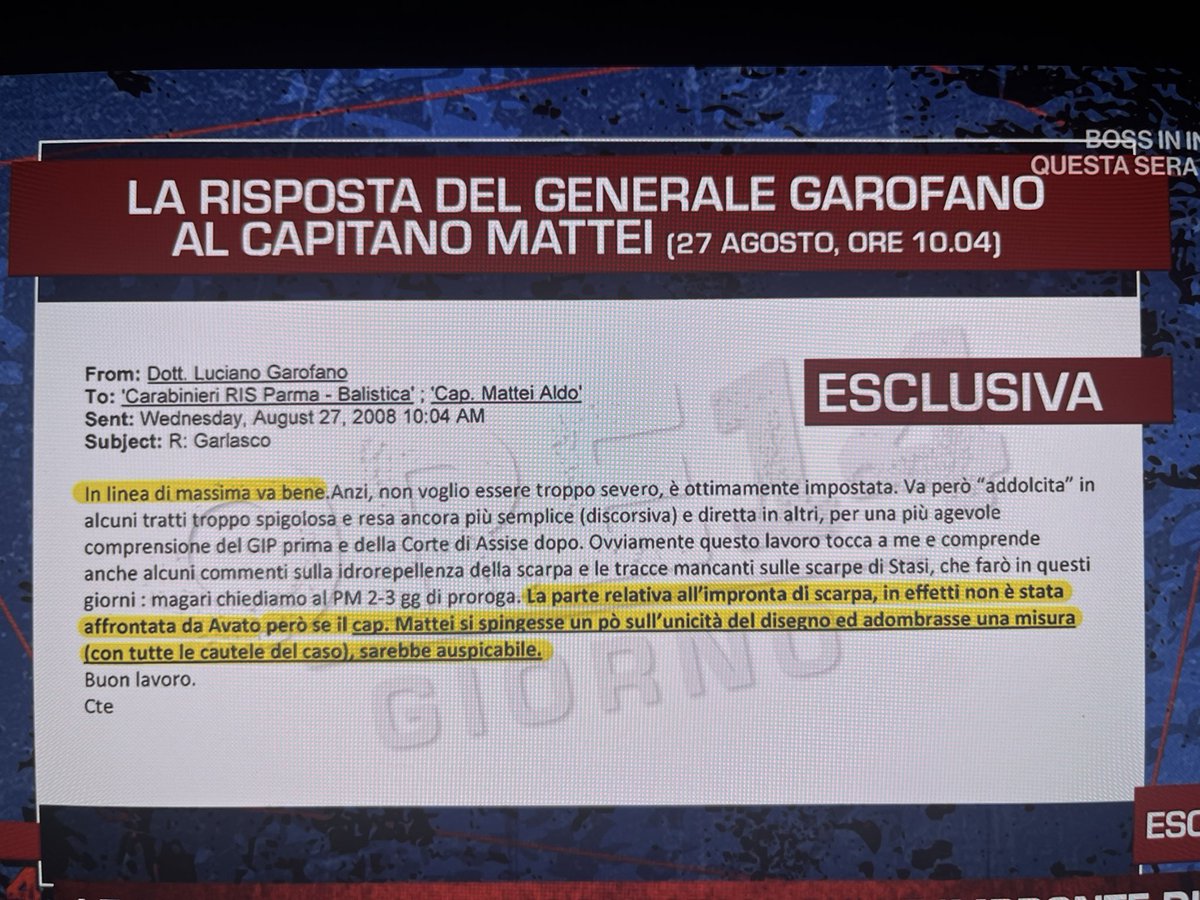
In an email exchange related to the murder in Garlasco, the then commander of the Ris, Garofano, asked Captain Mattei to emphasize the print of a shoe, while the suspect Sempio comments on his difficult situation and the conviction of Stasi, which he considers rightful. #Garlasco #ChiaraPoggi #Giustizia (translated)
Democracy Didi demanded that the BND and the Office for the Protection of the Constitution should find out who the four people were that he referred to as deviants. He also wrote that chats, emails, and appointments must now be fully reviewed. #BND #Verfassungsschutz #Sicherheit (translated)
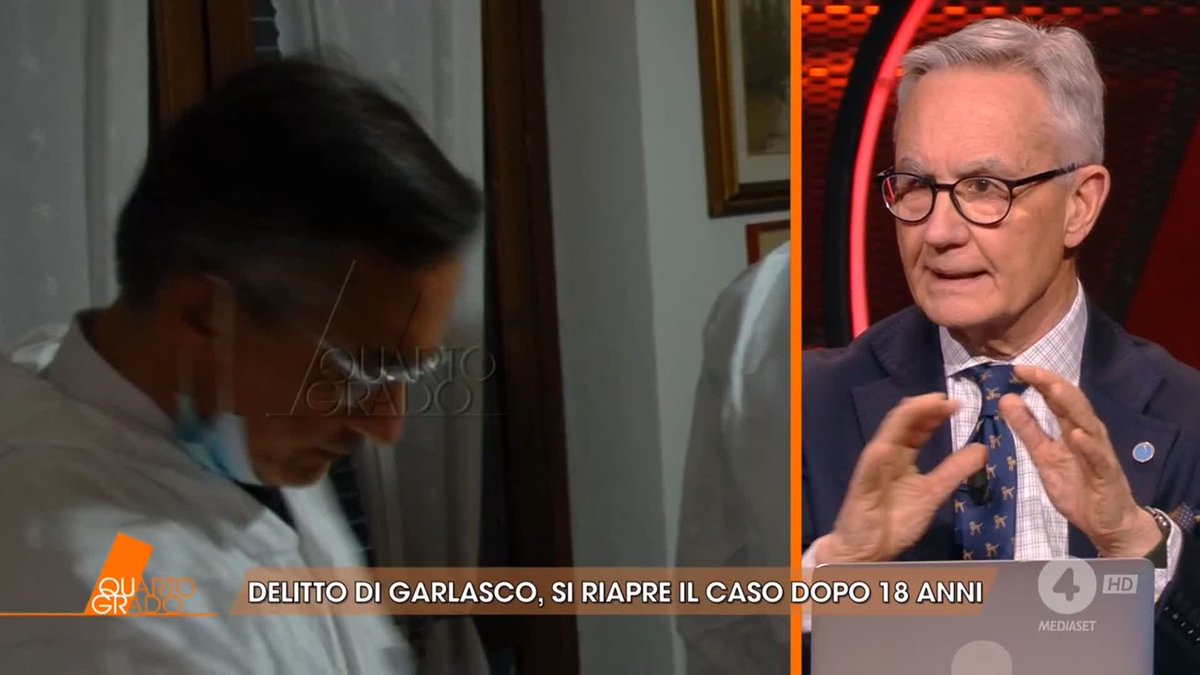

The Garlasco Channel defined the email exchange between Garofano and Mattei as "repugnant" and claimed that General Garofano seemed to direct and influence the investigations. It then asked why Garofano had become an advisor to Andrea Sempio. The post referred to Ore 14 on Rai 2. https://t.co/tjFX0Osip5 #Garlasco #Giustizia #Cronaca (translated)


Chris Avramidis reported that he covered a demonstration in which, as he wrote, members of the riot police were continuously pushing protesters and even moved towards banners held by children. He said he recorded with video and photos how some officers had indistinct identification numbers written with a marker, while others in the same unit did not wear identification. Avramidis said he asked the government what the timeline was for implementing the identifiers, which, he stated, had been announced since 2019. According to him, the government spokesman initially responded that the police did not allow the road to be closed and, when asked about the identifiers, referred to the ministry, saying that the government had responded many times. He added that he reminded the spokesman of an 84-page report by Amnesty International on police violence in Greece, which, he said, demanded that there be identifiers so that police officers could be identified. He mentioned that he raised the question about the timeline again and received the same response. He also stated that he had sent inquiries to the Ministry of Citizen Protection via email without receiving a response. Avramidis argued that New Democracy announced the measure when it took over the government, but seven years later had not announced when it would be implemented. He concluded that officers without clear individual identification were harder to identify and hold accountable for their behavior, attributing responsibility for the situation to the government. #antireport #αστυνομία #διακριτικά #διαμαρτυρία (translated)

The author said they had been hacked and warned people on their contact email list not to open an “invite” email sent in their name. They also apologized.





