WRLD

Search

#geopolitical
Philip Pilkington 3d

The author said Zelensky had used game theory to frame a geopolitical problem, comparing it to a monkey being struck with a stick. They called the formulation compelling and said it remained to be seen whether Zelensky could find an equilibrium that would prevent Russians from advancing into Kiev. #Zelensky #GameTheory #Geopolitics #UA
3352
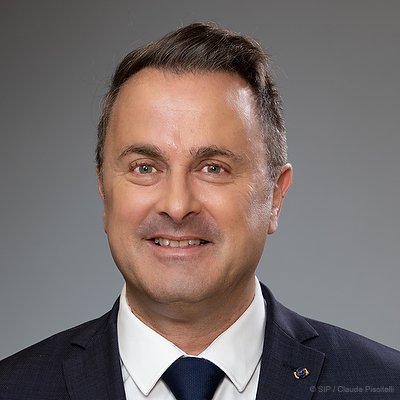
Xavier Bettel 4d

The author said they had reiterated the need for a strong, united and competitive Europe capable of facing current geopolitical challenges. They also said they had met with Moldova’s Cristina Gherasimov, Greece’s Tasos Chatzivasileiou and EU Commissioner for Budget Piotr Serafin. https://t.co/dUUI3F2C76 #Europa #UnioneEuropea #Competitività

2470
Pierre Gramegna 4d

The author said discussions among lenders of last resort around the world had focused on international cooperation to maintain financial stability. They described exchanges with IMF Managing Director Kristalina Georgieva as inspiring and productive amid geopolitical turbulence.

3147
Gunther Fehlinger-Jahn 5d

The author argued that Europe could not become a geopolitical power with a budget of 1% and called for a permanent EU budget equal to 2% of EU GDP, or around €380 billion a year. They said it should fund common defence and rearmament, support Ukraine until victory, secure Europe’s borders and build energy capacity. https://t.co/sffBW6m6u0 #Europe #EUbudget #Defence #EU #UA

3154
Helene von Bismarck 5d

Instead of arguing about what happened 10 years ago, perhaps the British debate should focus on 1) the very real threat emanating from Russia NOW, including but not limited to disinformation 2) Britain‘s future strategy in a geopolitically turbulent world which makes Brexit look even more absurd

2256
Krzysztof Graj 5d

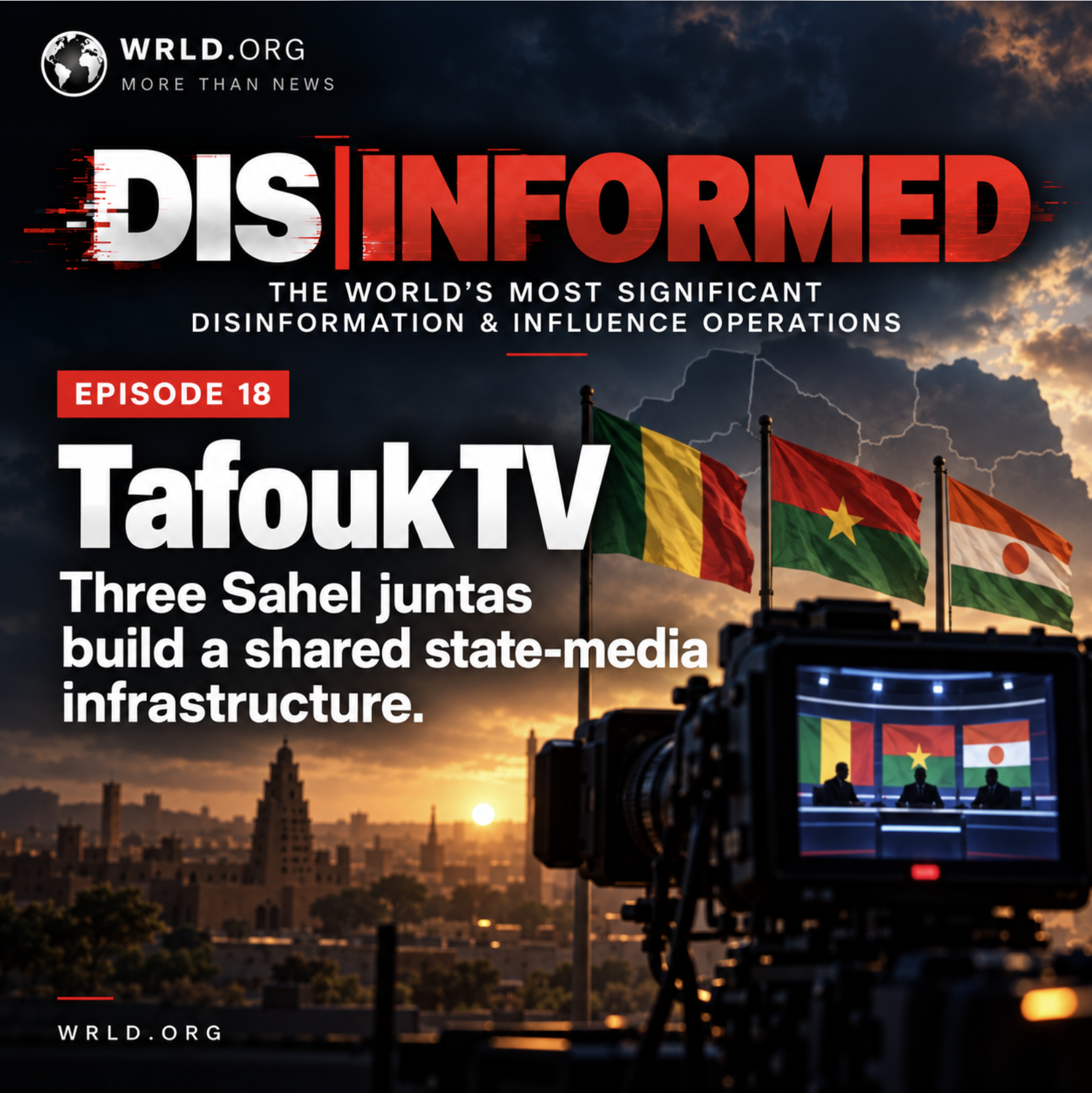
Tafouk TV – how three Sahel military governments are building a common information system Mali, Burkina Faso and Niger are no longer relying only on speeches, social media or their existing national broadcasters to shape the information environment around the Alliance of Sahel States. They are building a shared, permanent media infrastructure. At its centre is Tafouk TV, the confederal television channel of the AES, broadcasting from Bamako. Its creation was formally agreed by the three governments in December 2025, its governing structure was installed in 2026 and regular programming began in September. The project is explicitly presented by AES authorities as an instrument of “information sovereignty” and what Malian Foreign Minister Abdoulaye Diop has called “narrative sovereignty”. A television channel built by three military governments Tafouk TV is fundamentally different from a covert bot network or a collection of anonymous propaganda accounts. Its ownership and political purpose are public. It is an institutional broadcaster created by the governments of Mali, Burkina Faso and Niger, all currently led by military authorities. Malian government documents describe the channel as a common media instrument intended to strengthen communication across the confederation, promote regional identities and respond to what the AES sees as hostile narratives and disinformation. The project sits alongside Daandè Liptako, a shared radio service, and broader plans to develop common information structures across the three states. That institutional architecture is important. A social-media influence network can disappear when accounts are suspended. A television channel, radio network and future news agency can develop journalists, archives, correspondents, distribution agreements and continuous daily output. The result is not a temporary campaign but potentially a long-term information system. Russia enters through RT The Russian connection is also public. In July 2026, Tafouk TV signed a cooperation agreement with RT, the Russian state-funded international broadcaster. The memorandum was signed by Tafouk TV director-general Salif Sanogo and Natalia Lebedeva, director of RT en français. It provides for content exchange, expertise-sharing and joint coverage of major events in Russia and the Sahel. RT described itself as Tafouk TV's first international partner. This makes Tafouk part of a much broader geopolitical realignment in the Sahel. Mali, Burkina Faso and Niger have reduced cooperation with France and other Western partners while deepening political, diplomatic and security relations with Moscow. But the distinction is important: there is no public evidence that Russia owns Tafouk TV, finances the entire channel or directly controls its editorial decisions. The most precise description is therefore a state-owned AES broadcaster with a formal partnership with Russian state media, rather than a Russian-controlled television station. The battle over the narrative AES officials make little attempt to hide the strategic role they expect the channel to play. During a visit to Tafouk TV shortly after regular broadcasting began, Abdoulaye Diop described communication as another strategic front alongside defence, diplomacy and development. He spoke of a geopolitical environment characterised by a “war of narratives” and said the AES needed its own media to defend its interests and strengthen its narrative sovereignty. Mali's government has similarly described Tafouk TV as an instrument of information sovereignty, regional cohesion and Sahelian identity. The first governing-board meetings emphasised digital distribution, national languages and the creation of a new generation of Sahelian journalists capable of carrying the confederation's message at home and abroad. Early reporting examined by the Financial Times found patriotic programming, interviews with officials and positive reporting from conflict zones. The newspaper described the project in the context of the three governments' attempts to challenge Western media narratives and strengthen their legitimacy while facing continuing jihadist insurgencies. Why this is not simply another disinformation operation It is important not to use propaganda and disinformation as synonyms. A state broadcaster can systematically promote the government's preferred interpretation of events without every story being false.Tafouk TV's significance therefore lies less in individual fabricated claims than in the information architecture being created around it: three governments operating a shared broadcaster, common radio infrastructure and potentially other confederal media, while cooperating with Russia's international state-media system. This development is taking place while independent media conditions across the three countries are deteriorating. Reporters Without Borders ranked Burkina Faso 110th, Niger 120th and Mali 121st in its 2026 World Press Freedom Index, pointing to arbitrary detentions, restrictions on journalists and suspensions of media outlets across the AES states. That context changes the importance of Tafouk TV. A new state broadcaster entering a diverse and competitive media environment is one thing. A common government-controlled broadcaster expanding while alternative sources face restrictions is another. From influence campaigns to permanent infrastructure Tafouk TV illustrates an important evolution in the information contest in the Sahel. Russian and pro-Russian influence in Africa has often relied on social-media networks, influencers, fake experts, local partners or apparently independent media outlets. Tafouk represents something more durable: formal state institutions can now carry many of the same geopolitical narratives openly and continuously. The audience figures are not yet sufficiently established to demonstrate how influential Tafouk TV will become. It may eventually reach far fewer people than some viral online operations, or its television, radio and digital infrastructure may give it far greater long-term significance. Sources Government of Mali — Tafouk TV governing board and strategic mission https://gouvernement.ml/conseil-dadministration-de-tafouk-tv-installe-a-bamako-le-ministre-alhamdou-ag-ilyene-trace-les-orientations-strategiques-de-la-chaine-confederale/ Government of Mali — Abdoulaye Diop and “narrative sovereignty” https://gouvernement.ml/communication-confederale-de-laes-sem-abdoulaye-diop-a-la-decouverte-de-tafouk/ Government of Mali — creation of Tafouk TV and Daandè Liptako https://gouvernement.ml/conseil-national-de-la-transition-le-cnt-adopte-deux-textes-majeurs-relatifs-a-la-creation-de-tafouk-tv-et-de-la-radio-daande-liptako/ Government of Mali — ratification and information-sovereignty objectives https://gouvernement.ml/2026/05/30/ Government of Mali — Tafouk TV board and Prime Minister Abdoulaye Maïga https://gouvernement.ml/television-de-lalliance-des-etats-du-sahel-tafouk-tv-les-membres-du-conseil-dadministration-prennent-les-orientations-et-conseils-du-premier-ministre-abdoulaye-maiga/ RT en français — cooperation agreement between RT and Tafouk TV https://rtenfrance.tv/news/136036-rt-devient-premier-partenaire-international-tafouk-tv-chaine-commune-aes APA News — Tafouk TV and Daandè Liptako common AES media infrastructure https://fr.apanews.net/communication/tafouk-tv-et-daande-liptako-le-mali-consolide-les-medias-communs-de-laes/ APA News — Tafouk TV begins regular programming https://fr.apanews.net/communication/aes-tafouk-tv-demarre-ses-programmes/ Financial Times — Sahel juntas launch Tafouk TV with Russian backing https://www.ft.com/content/259b49a1-8eda-4e8d-84c7-45323988b07b Reporters Without Borders — 2026 Press Freedom Index: Africa https://rsf.org/en/classement/2026/afrique Keywords #DISINFORMED #Episode18 #TafoukTV #AES #AllianceOfSahelStates #Sahel #Mali #BurkinaFaso #Niger #Russia #RussianInfluence #RussianMedia #RT #RussiaToday #StateMedia #StatePropaganda #InformationSovereignty #NarrativeSovereignty #InformationWarfare #InfluenceOperations #StrategicCommunication #MediaInfluence #MediaControl #Propaganda #Disinformation #ForeignInfluence #FIMI #Africa #WestAfrica #MilitaryGovernment #MilitaryRule #SahelMedia #DaandeLiptako #MediaInfrastructure #NarrativeControl #PressFreedom #MediaFreedom #Geopolitics #OSINT #WRLD

451
Gunther Fehlinger-Jahn 6d

The post’s author urged Saudi Arabia to stay out of BRICS and choose the “free world,” addressing Mohammed bin Salman. The author argued that the kingdom’s security future did not lie with Russia, Iran and China, and said Iran backed the Houthis, who threatened Saudi Arabia and global shipping. The author also said Russia was waging war against Ukraine and Europe. https://t.co/nqqDWef0sI #Arabia #Geopolitics #FreeWorld #SA #RU #IR #CN #UA #EU

2942
Robert Pszczel 6d

The author wrote that quotes circulating in the information space, which they said suggested Russians were mocking the United States, had made the saga seem like a circus. They argued that the issue remained serious and described the US energy deal with Putin’s Russia as harmful and irrational. #US #RU

2947
Dan Barna 1w

The author asked how Europe was preparing for a historic enlargement and said European Commissioner for Enlargement Marta Kos had presented a new EU enlargement strategy in Strasbourg. They described the geopolitical context as shaped by Russia’s aggression. https://t.co/nejz0HkH6U #UE #Élargissement #Géopolitique #EU #FR #RU

3419
Krzysztof Graj 2w

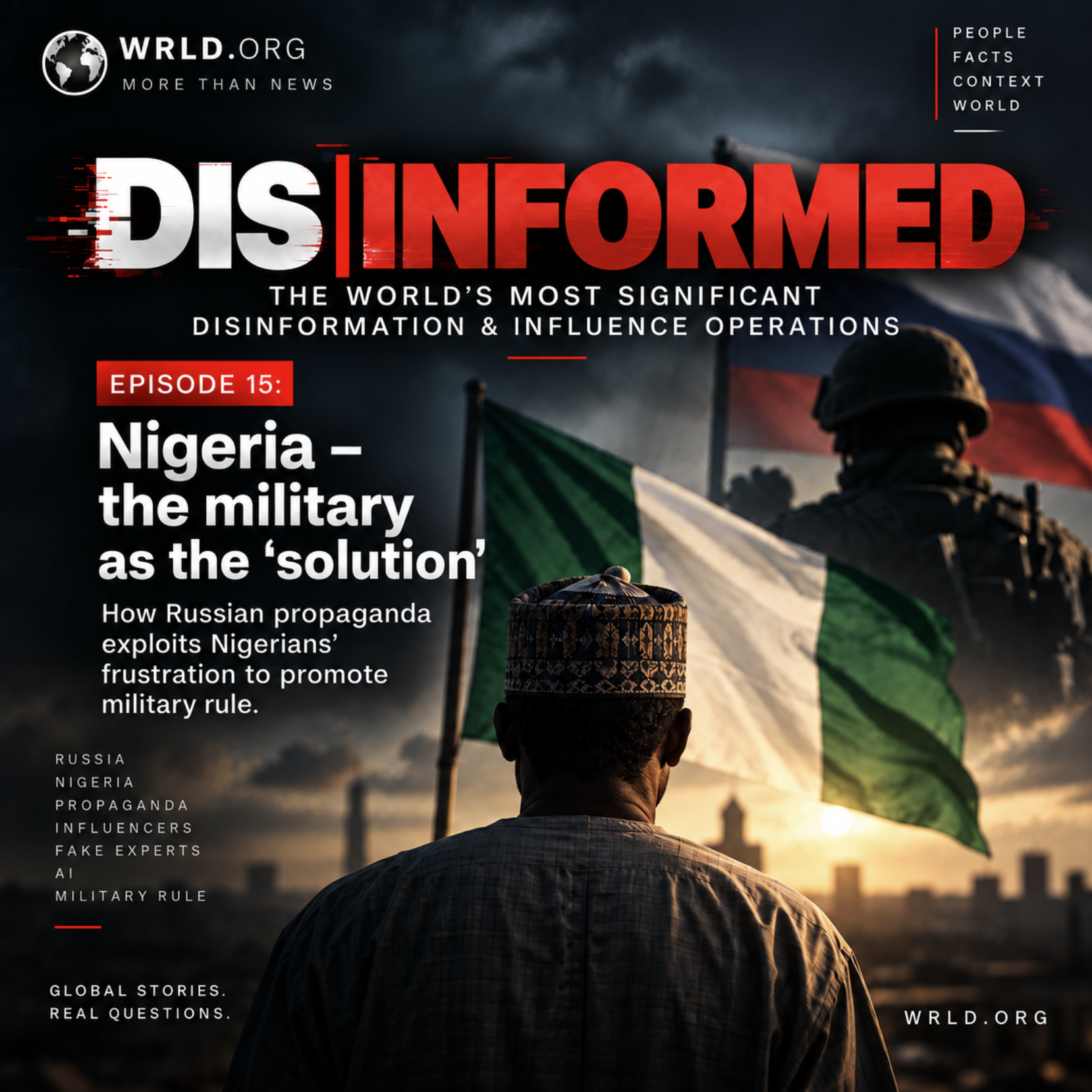
Nigeria – how pro-Russian influence networks sell military rule as the answer When Nigerians took to the streets in August 2024 to protest soaring living costs and frustration with government, some demonstrations acquired an unexpected symbol: the Russian flag. In Kano, Kaduna and other northern cities, protesters were filmed carrying Russian colours and calling for Moscow’s intervention. Some demanded a military takeover. What initially looked like an unusual expression of anger has since become part of a much larger picture. A September 2026 assessment by the Africa Center for Strategic Studies describes Nigeria as a major target of overlapping foreign information operations, with Russia the most active external actor in its information space. The report does not identify a single centrally controlled campaign. Instead, it maps an ecosystem in which genuine dissatisfaction over insecurity, corruption and living standards is repeatedly redirected towards a broader proposition: democratic government has failed, while the military-led regimes of the Sahel offer a more effective alternative. Turning a real protest into a pro-Russian message The clearest example emerged during the 2024 #EndBadGovernance protests. Nigerian investigative reporting found that a Kano-based TikTok influencer with more than 100,000 followers had been paid through a Telegram channel associated with African Initiative, a Moscow-based media operation linked by researchers to Russian influence activity in Africa. The influencer said the channel supplied photographs, videos and talking points for redistribution on TikTok and Instagram. Among the messages provided were phrases such as “Putin please come and save Nigeria” and “The army is the answer for Nigeria”. Influencers were encouraged to use Hausa-language hashtags including #Zangazanga – “protest” – alongside references to Putin and Russia. Investigators identified 38 accounts circulating similar pro-Russian and pro-military narratives during the demonstrations. Russian flags subsequently appeared among protesters in several northern cities. This does not mean the protests themselves were created by Russia. They were driven by genuine economic and political grievances, and Nigerian protesters gave different reasons for carrying Russian flags. The important feature of the influence activity was precisely that it did not need to manufacture the original anger. It could attach a geopolitical message to an existing domestic crisis. From frustration to the idea of military government The narrative fits a wider pattern seen across West Africa. Russia has developed close relations with the military governments of Mali, Burkina Faso and Niger, while pro-Russian media ecosystems routinely portray those states as examples of sovereignty, stability and resistance to Western influence. Nigeria, by contrast, has remained under constitutional civilian government since 1999. Africa Center researchers say information networks targeting Nigerians increasingly contrast these two models. Recurring messages depict elections as wasteful or predetermined, civilian institutions as incapable of protecting citizens and military governments as more decisive on security and development. Some content portrays the Sahelian juntas as delivering better roads, lower prices and stronger security even where available evidence points to continuing or worsening instability. Language is central to the strategy. Hausa is spoken across northern Nigeria and neighbouring Niger, allowing political narratives to travel across borders that are far less important online than they are on maps. HumAngle documented efforts involving Nigerien state-linked actors to cultivate Hausa-speaking journalists and distribute material favourable to Niger’s junta and hostile to France and Western influence. The Russian and Sahelian-junta information ecosystems are not identical, but their narratives frequently reinforce one another. Fake journalists inside real Nigerian media The campaign environment extends beyond social media. A 2026 investigation by Graphika and Code for Africa identified 44 ghost reporters and fake experts whose identities were used to place Russia-aligned narratives in African media. Thirty-eight were assessed with high confidence to be fabricated. Their articles or quotations appeared across 138 websites and were amplified by at least 113 Facebook accounts and Pages. Nigeria was one of the most heavily targeted countries. According to the Africa Center’s analysis of the research, Daily Post Nigeria carried 39 articles involving 14 identified ghost authors. Once published by a genuine Nigerian outlet, such material could then be cited by other websites, social-media accounts or even Russian official channels as though it had originated independently in Africa. This is information laundering rather than simple propaganda: the most valuable asset being borrowed is the credibility of the local newsroom. Generative AI added another layer. OpenAI and Meta separately disrupted a Russia-origin network that produced Africa-focused political content and operated Facebook Pages posing as local media organisations. One fabricated commentator, “Dr Manuel Godsin”, was presented as a European-trained geopolitical expert although investigators found no evidence supporting his academic biography. ChatGPT had been used to generate articles under the persona’s name, while Meta removed 37 Facebook accounts and 29 Pages connected to the broader network. Different networks, similar strategic direction It would be misleading to merge all these activities into a single Russian command structure. The African Initiative-linked influencer campaign, the ghost-reporter network and the AI-enabled operation disrupted by OpenAI and Meta were uncovered separately and used different infrastructure. Public evidence does not demonstrate that every actor reported to the same organisation. What connects them is a recurring set of themes and methods: portraying Western partnerships as exploitative, presenting Russia as an alternative security partner, amplifying failures of civilian government, and giving military-led rule greater legitimacy. Investigative reporting on leaked Russian documents has meanwhile described a much wider influence apparatus operating across Africa, involving political consultants, paid journalists, influencers and locally tailored campaigns intended to reduce Western influence and expand Moscow’s position. The underlying technique is less about inventing dissatisfaction than redirecting it. Nigeria faces real security threats, economic pressure and public frustration. Influence operators do not need to persuade Nigerians that those problems exist. They need only influence the explanation for why they exist – and which political model appears to offer the answer. That is what makes the Nigerian case significant. The most effective propaganda does not necessarily introduce a completely false reality. It takes a real crisis and changes where the audience is encouraged to look for the solution. Sources Africa Center for Strategic Studies — The Raging Information Battle in Nigeria https://africacenter.org/spotlight/the-raging-information-battle-in-nigeria/ Graphika — Umbrae Ex Machina https://www.graphika.com/reports/umbrae-ex-machina OpenAI — Operation “No Bell” https://openai.com/index/disrupting-malicious-uses-of-ai-no-bell/ TheCable — Ghost reporters in African media https://www.thecable.ng/ghost-reporters-how-fabricated-african-voices-carried-pro-russia-narratives/ HumAngle — Nigeria Is Facing an Information War in Its Own Language https://www.humanglemedia.com/nigeria-is-facing-an-information-war-in-its-own-language DAIDAC / CJID — Russian influence during #EndBadGovernance https://daidac.thecjid.org/how-telegram-tiktok-aided-russian-disinformation-that-led-to-incarceration-of-nigerian-minors/ FactCheckHub — How Nigeria’s hunger protest took a radical turn https://factcheckhub.com/from-economic-protests-to-coup-agitation-how-nigerias-hunger-march-took-a-radical-turn/ News24 — Fake Kremlin-linked analyst planted stories in African media https://www.news24.com/southafrica/news/ai-expert-exposed-fake-kremlin-linked-analyst-planted-stories-in-african-media-20260318-0560 Vanguard — AI ‘expert’ exposed https://www.vanguardngr.com/2026/03/ai-expert-exposed-fake-kremlin-linked-analyst-planted-stories-in-african-media/ Africa Confidential — How Moscow wages social media war https://www.africa-confidential.com/article/id/15961/how-moscow-wages-social-media-war Keywords #DISINFORMED #Episode15 #Nigeria #Russia #RussianInfluence #RussianDisinformation #Africa #WestAfrica #Disinformation #InformationWarfare #InfluenceOperations #ForeignInterference #FIMI #Propaganda #MilitaryRule #MilitaryGovernment #Democracy #PoliticalManipulation #NarrativeManipulation #AfricanInitiative #EndBadGovernance #Hausa #LocalInfluencers #GhostReporters #FakeExperts #ArtificialIntelligence #AI #AIPersonas #SyntheticMedia #AIPropaganda #Astroturfing #SocialMediaManipulation #Telegram #TikTok #DigitalInfluence #SourceLaundering #NarrativeLaundering #MediaManipulation #Sahel #Geopolitics #OSINT #WRLD

africacenter.org
The Raging Information Battle in Nigeria
1373
Christophe Hansen 2w

The author argued that EU enlargement was a geopolitical imperative and said Europe needed to prepare its institutions, uphold its standards and ensure a level playing field. They added that farmers should be protected where necessary during the transition, saying the aim was to make the EU stronger, not simply bigger.

2977
Martin Selmayr 2w

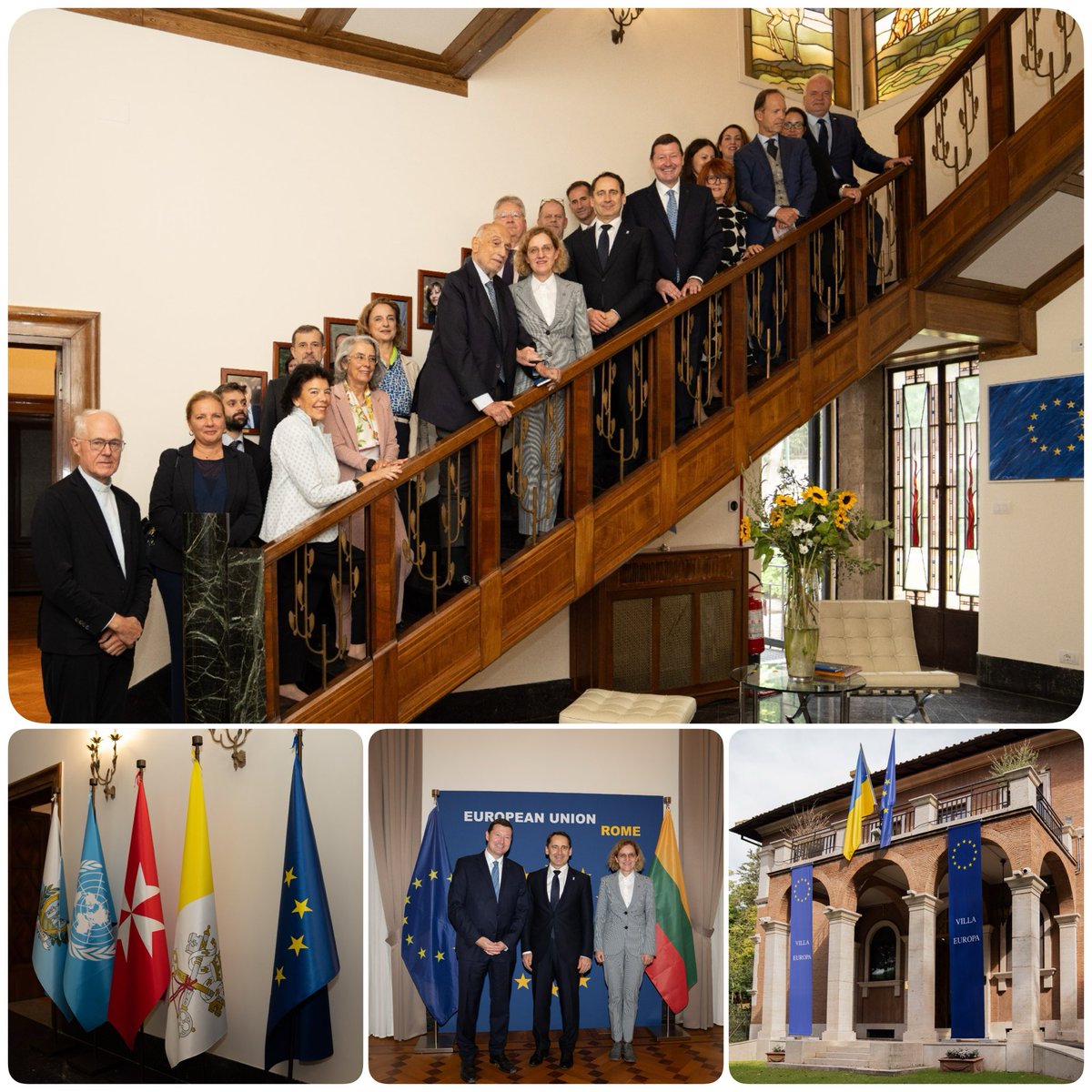
The author described diplomacy in Rome as facing intense conditions, citing what they called unprecedented challenges to multilateralism and a further escalation of Russia’s war against Ukraine. They said this threatened European and global food security. The post ended with an incomplete reference to an official website. https://t.co/G0eKVyKGVC #Geopolitics #Diplomacy #Ukraine #IT #RU #UA #EU

3550
Jan Zahradil 2w

At PfE Foundation Academy, the author argued that an irreversible shift in transatlantic relations from the arrangement Europe had known since at least 1989 would be one of the continent’s defining future issues. They said Europe needed to develop an appropriate geopolitical and economic response soon. #TransatlanticRelations #Geopolitics #Europe #EU

2979
Gunther Fehlinger-Jahn 2w

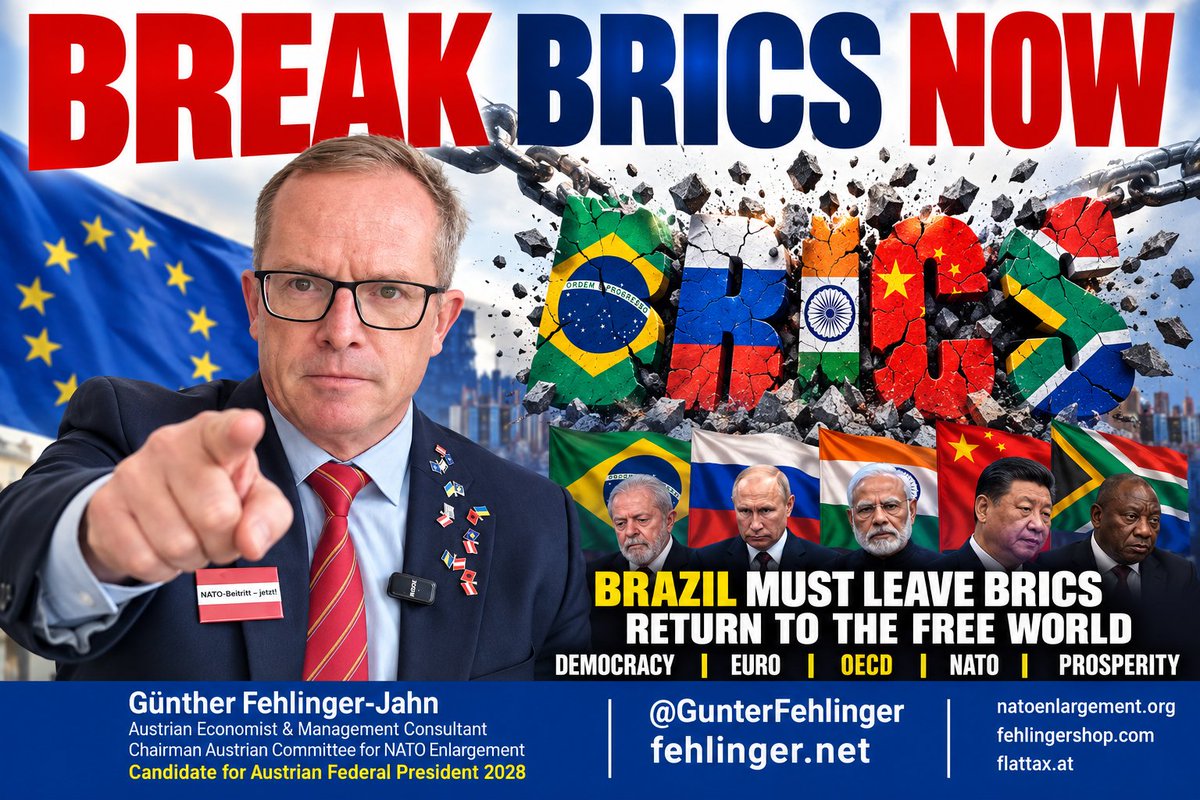
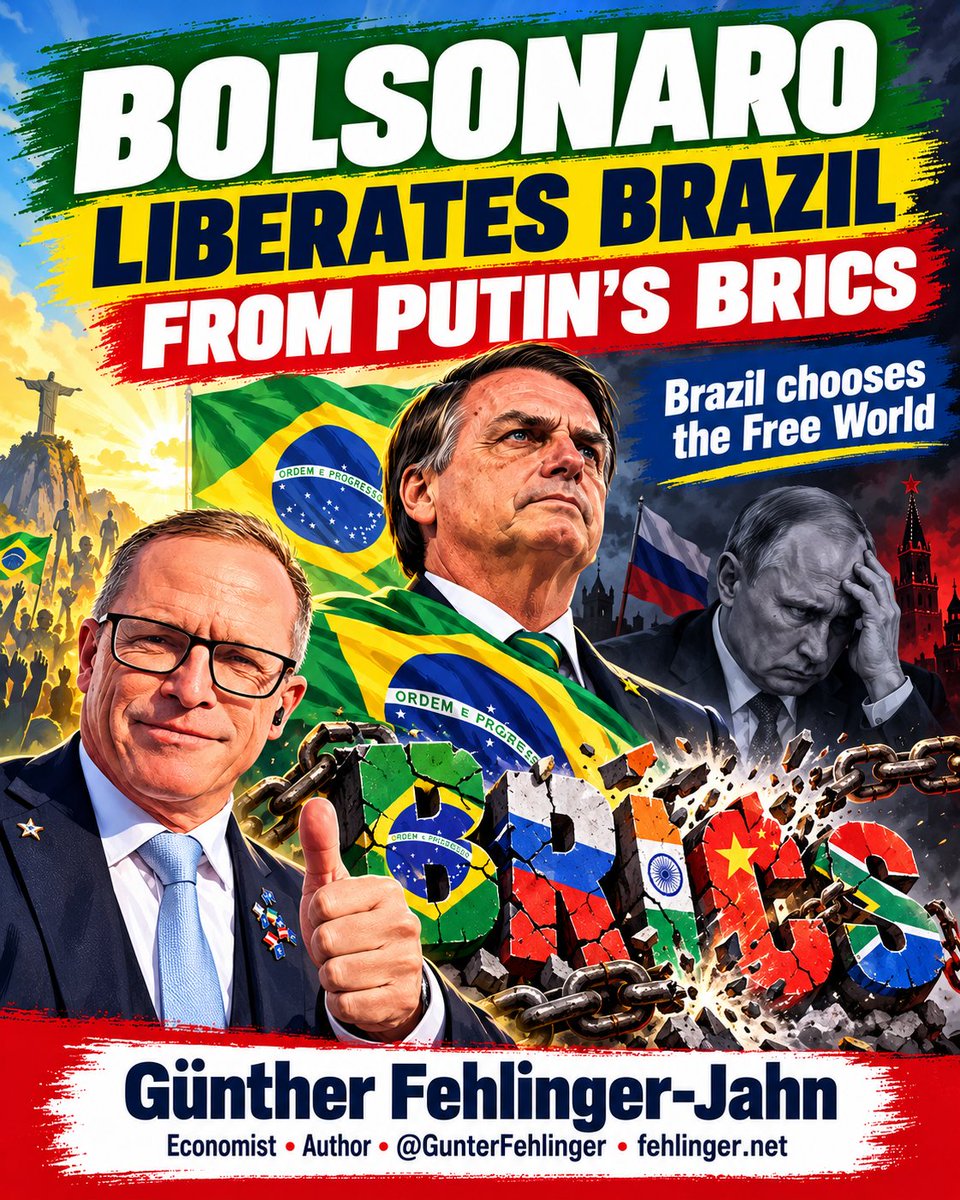
Eduardo Bolsonaro called for Brazil to leave BRICS, saying the country’s future did not lie with what he described as Putin’s authoritarian geopolitical bloc. He said Brazil should strengthen democracy, complete its OECD accession and deepen its partnership with Europe, aligning itself with what he called the democratic, prosperous and open world. https://t.co/pidirF2tDm #Brasil #Democracia #Geopolítica #BR #RU #EU

3440
Gunther Fehlinger-Jahn 2w

The author argued that BRICS was no longer a viable vision for Brazil, saying the country belonged with free democracies, the OECD, Europe and the United States rather than in Vladimir Putin’s geopolitical project. They claimed millions of Brazilians had voted for change and said a decisive choice lay ahead, which they associated with freedom and prosperity. https://t.co/evwn2bOq1d #Brasil #Liberdade #Democracia #BR #US #RU #OECD #EU

115
Gunther Fehlinger-Jahn 2w

The post argued that Brazil faced a choice between remaining in what it described as an authoritarian bloc dominated by Russia and China and moving towards the “Free World.” It said a Bolsonaro victory should lead Brazil to leave BRICS and rebuild, and included a link. https://t.co/lE0qGMhJR4 #Bolsonaro #Brasil #Liberdade #BR #RU #CN #US (translated)

Gunther Fehlinger-Jahn 2w

The author argued that Brazil faced a choice between staying in what they described as an authoritarian bloc dominated by Russia and China and moving toward the “Free World.” They said a Bolsonaro victory should mean leaving BRICS and called for rebuilding, attaching a link. https://t.co/eAkHqOIzpL #Brasil #Liberdade #Geopolítica #BR #RU #CN #US (translated)

ERR 2w

The police apprehended two young men in Rakvere who are suspected of being involved in drug trafficking and who were linked to more than 450 drug hiding places across Estonia, confiscating several kilograms of various narcotic substances from their possessions. #Venemaa #Euroopa #tuumarelvad (translated)

www.err.ee
Peeter Kaldre: ohtlik aeg
1950
Gunther Fehlinger-Jahn 2w

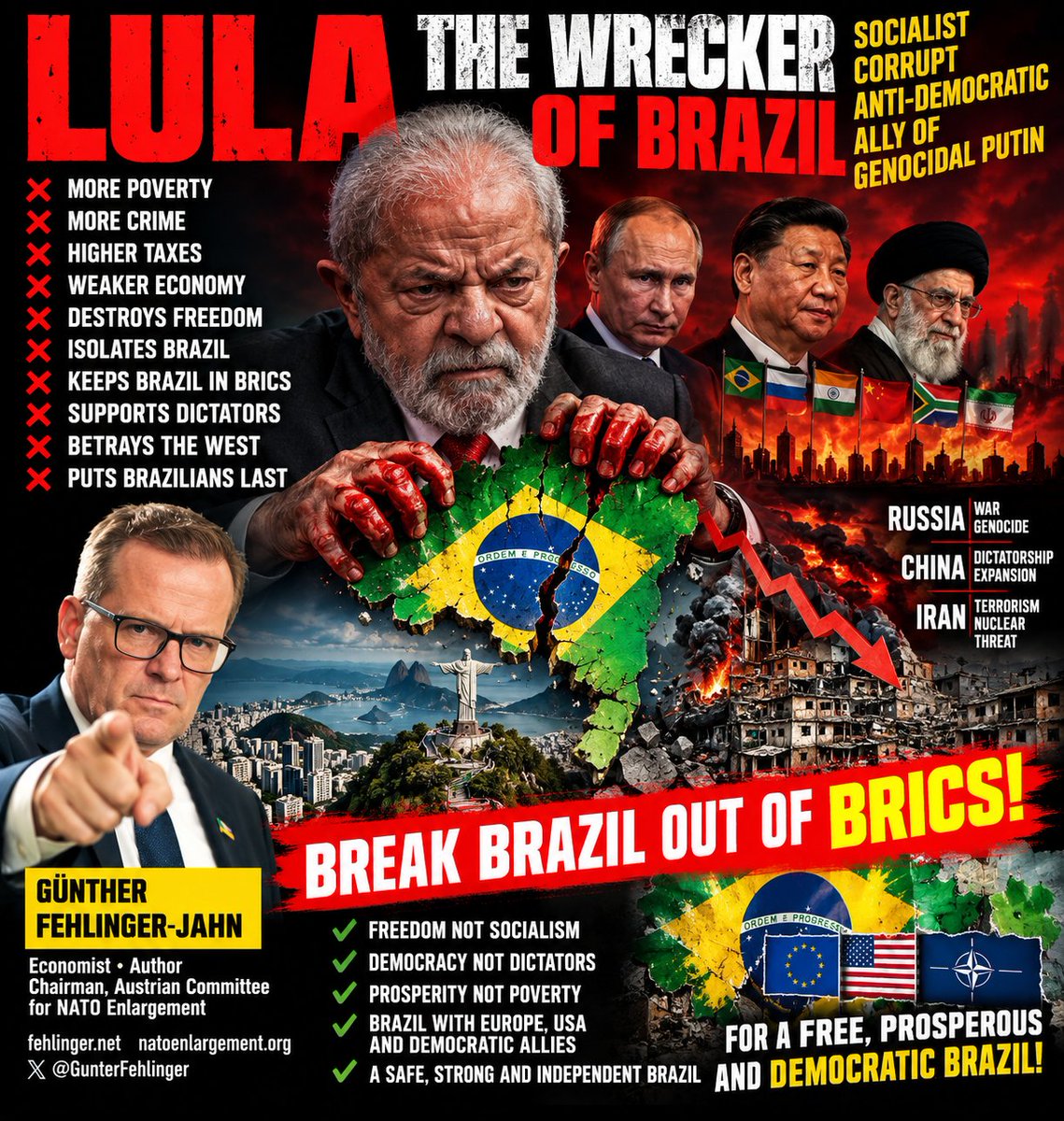
The author wrote that Lula openly supported BRICS and a multipolar world order, while his government described BRICS’ consolidation as a major advance. The author also said Lula had called Vladimir Putin a founding creator of an entity linked in the post, which was not identified in the text. https://t.co/sA3920SC2m #Brasil #BRICS #Geopolítica #BR #RU

Gunther Fehlinger-Jahn 2w

The author wrote that Lula openly supported BRICS and a multipolar world order, and said his government had described BRICS’ consolidation as a major advance. The post also said Lula had personally called Vladimir Putin a founding figure of BRICS. https://t.co/R61W3136Sw #Brasil #BRICS #Geopolítica #BR #RU

230