WRLD

Search

#labels
Macgence AI 3d

How Can Image Annotation Companies Support Better AI Training? Image annotation plays an important role in training artificial intelligence models to understand visual information. Image annotation companies help prepare images by adding labels, bounding boxes, polygons, and other details. These labels help AI systems identify objects, people, vehicles, and different activities with better accuracy. Quality image annotation also supports applications in healthcare, retail, robotics, and self-driving cars. Macgence focuses on creating accurate and well-organized image data for AI training needs. Choosing reliable image annotation companies helps businesses build better datasets, reduce errors, and improve model performance. Properly annotated images make it easier for AI systems to learn patterns and deliver more useful results across different real-world applications. Visit now: https://macgence.com/blog/image-annotation-companies/


macgence.com
Choosing the Right Image Annotation Companies for AI Growth
447
BBC 5d

The US Food and Drug Administration says Ozempic, Wegovy, and other weight-loss drugs must have labels about the condition, known as NAION. #GLP1Drugs #EyeHealth #FDAWarnings

www.bbc.co.uk
Makers of GLP-1 drugs ordered to add warnings about rare eye condition that can lead to blindness
3390
La Libre.be 2w

According to a report by Goldman Sachs, artificial intelligence could generate up to 3.3 billion dollars per year for the music industry by 2035, but the benefits are unevenly distributed: while major labels profit, independent artists and some musicians may lose money due to the abundance of AI-generated music. #IndustrieMusicale #IntelligenceArtificielle #Streaming (translated)

www.lalibre.be
La nouvelle poule aux œufs d’or de l’industrie musicale risque de faire des dégâts
2882
Paweł Jeżowski 3w

The post’s author wrote that discussion of whether Republicans would retain control of the Senate often overlooked that the election was not solely a referendum on Donald Trump. They added that conventional partisan labels did not fit some candidates and pointed to a linked example. https://t.co/pjyx7QLFLE #GOP #SenateElections #Politics #US

2999
BBC 4w

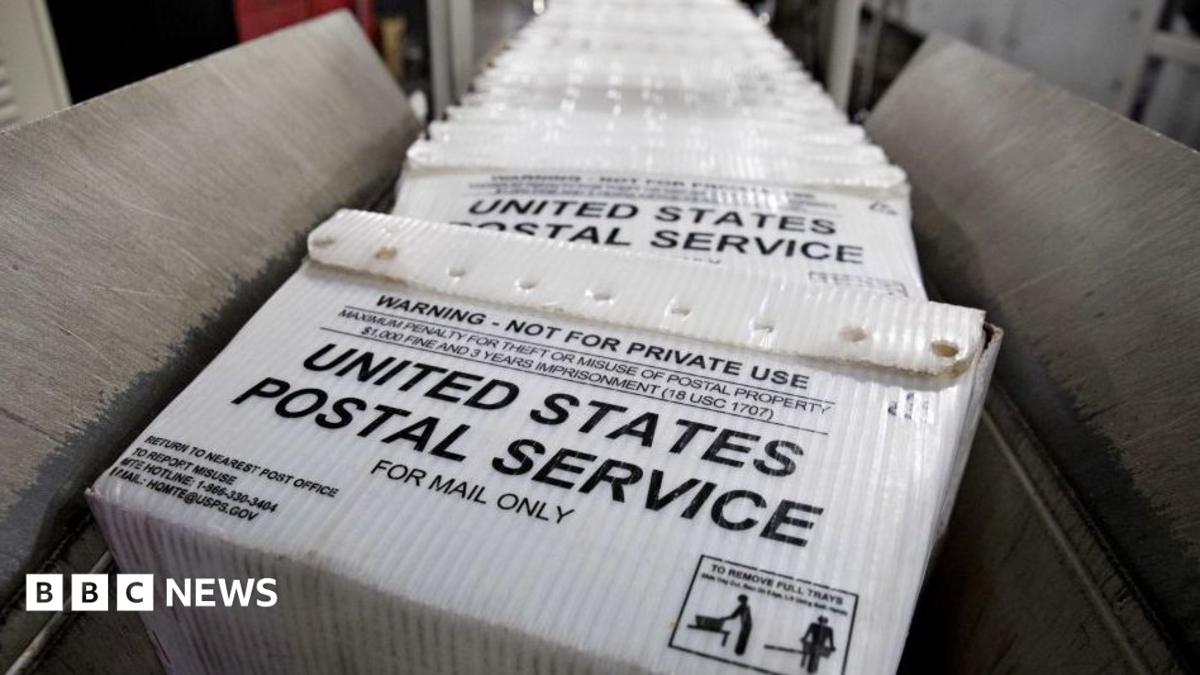
Faheem Akram allegedly sold more than 5 million fake postage labels for a fixed price of $2 a piece. #Fraud #Counterfeit #Cybercrime

www.bbc.co.uk
Pakistan arrests man wanted by US over $126m postage fraud case
2902
BBC 4w

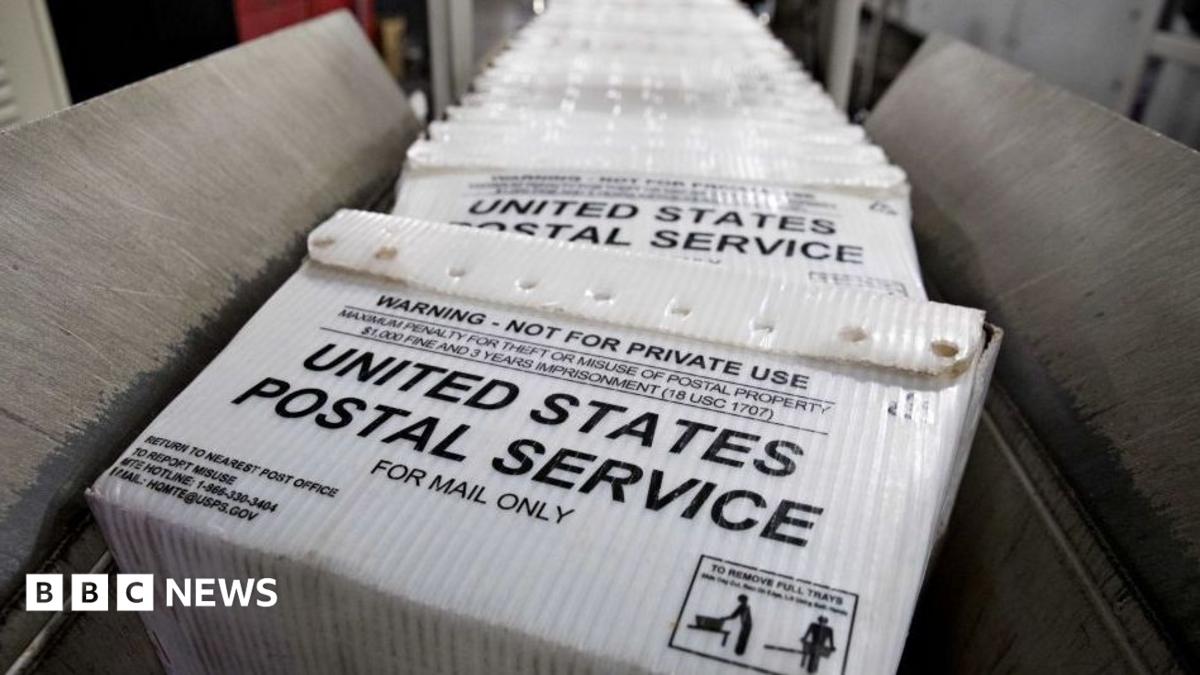
Faheem Akram allegedly sold more than 5 million fake postage labels for a fixed price of $2 a piece. #Fraud #Counterfeit #PostalService

www.bbc.co.uk
Pakistan arrests man hunted by US over $126m postage fraud case
2903
Julian Röpcke🇺🇦 4w
German journalist

The author wrote that Rubio appeared to believe Russian propaganda on territorial issues. They claimed Russia wanted Kherson and Zaporizhzhia, which it annexed in 2022, and described Odesa, Dnipropetrovsk, Mykolaiv and Kharkiv as “Novorossiya”. The author also said Russia called Sumy and Chernihiv a “buffer zone” and sought to “denazify” Kyiv. #Russia #Ukraine #Propaganda #RU #UA

3020
Krzysztof Graj 4w

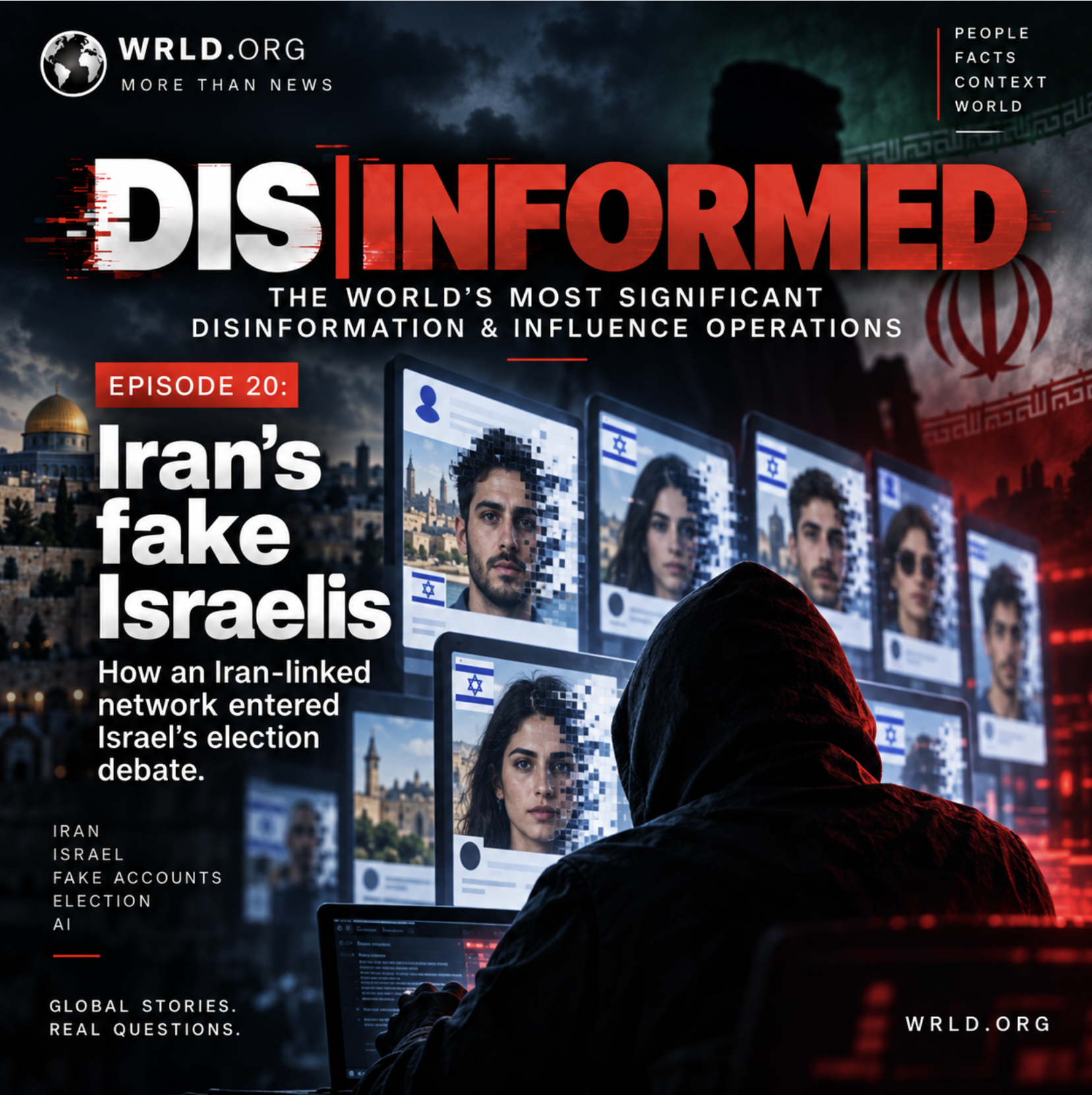
𝗜𝗿𝗮𝗻’𝘀 𝗳𝗮𝗸𝗲 𝗜𝘀𝗿𝗮𝗲𝗹𝗶𝘀 – 𝗵𝗼𝘄 𝗮 𝗳𝗼𝗿𝗲𝗶𝗴𝗻 𝗶𝗻𝗳𝗹𝘂𝗲𝗻𝗰𝗲 𝗻𝗲𝘁𝘄𝗼𝗿𝗸 𝗲𝗻𝘁𝗲𝗿𝗲𝗱 𝗜𝘀𝗿𝗮𝗲𝗹’𝘀 𝗲𝗹𝗲𝗰𝘁𝗶𝗼𝗻 𝗱𝗲𝗯𝗮𝘁𝗲 Ahead of Israel’s 27 October election, hundreds of social-media accounts have been presenting themselves as ordinary Israelis while injecting political messages into genuine domestic conversations. They appear as women, reservists, secular voters, religious activists and frustrated citizens. Some attack Benjamin Netanyahu, others have previously promoted narratives associated with the Israeli right, while many focus less on parties than on a broader message: Israel is divided, its institutions cannot be trusted and its political system is approaching crisis. A detailed investigation by the OSINT company Golden Owl has mapped this activity as a substantial Iran-linked influence network. Its October analysis identified at least 694 accounts, with 445 attributed at high or medium-high confidence to the operation. Between 11 August and 11 October, the network generated at least 4.7 million views and more than 160,000 interactions. The researchers found no evidence that these accounts were simply a group of independent Iranian commentators expressing political opinions. Their assessment rests instead on coordinated behaviour, false identities, account histories, copied content, language patterns and platform metadata linking significant parts of the infrastructure to Iran. 𝗙𝗿𝗼𝗺 𝟯𝟱 𝗽𝗲𝗿𝘀𝗼𝗻𝗮𝘀 𝘁𝗼 𝗵𝘂𝗻𝗱𝗿𝗲𝗱𝘀 𝗼𝗳 𝗳𝗮𝗸𝗲 𝗮𝗰𝗰𝗼𝘂𝗻𝘁𝘀 The investigation developed in two stages. Golden Owl’s first report, published in September, identified an operational core of 35 accounts: 32 personas presenting themselves as Israelis and three Hebrew-language media-style channels. During the 30-day period measured in that study, active accounts generated 947,322 impressions and more than 9,000 interactions. The October investigation expanded the dataset dramatically. Researchers analysed more than 560,000 data points, including tens of thousands of accounts, relationships between them and more than a quarter of a million posts. The wider network showed repeated patterns of identical texts, synchronised activity and accounts created in batches. The numbers therefore describe not a sudden explosion from 35 to hundreds of accounts, but the gradual exposure of a much larger infrastructure surrounding the original core. 𝗧𝗵𝗲 𝗳𝗮𝗸𝗲 𝗜𝘀𝗿𝗮𝗲𝗹𝗶𝘀 Some of the strongest evidence comes from the histories of individual personas. One account had spent years posting exclusively in Persian under the handle “mardeankabooti” before reappearing in August 2026 as an apparently Israeli user called “Alon Strauss”, complete with an Israeli flag and Hebrew political messaging. Other personas presented themselves as Israeli professionals, activists or ordinary citizens while X transparency information showed connections through the Iranian version of the Android application or locations inconsistent with their claimed identities. The account “Yaara Shalev” presented itself as an Israeli woman concerned with democracy and peace. Investigators found that photographs used to construct the identity were inconsistent, including borrowed and apparently AI-generated imagery. A small Hebrew-language channel called KigVoice, previously identified in Israeli government reporting as part of an Iranian influence environment, repeatedly published material that later appeared on the much more visible Yaara account. In one sample, 14 of 40 KigVoice posts subsequently resurfaced as captions or opening lines in Yaara’s content. Another persona, “Miriam Kozak”, had built an audience of more than 18,000 followers and had already been exposed as fictitious by Israeli researchers in 2024. Its political messaging changed substantially over time, moving between narratives associated with different sides of Israeli politics. That inconsistency is important: the apparent purpose was not necessarily to build a stable ideological following, but to enter whichever political argument offered the greatest opportunity to intensify division. 𝗔𝗜, 𝗰𝗼𝗽𝗶𝗲𝗱 𝗺𝗲𝘀𝘀𝗮𝗴𝗲𝘀 𝗮𝗻𝗱 𝗜𝗿𝗮𝗻𝗶𝗮𝗻 𝗳𝗶𝗻𝗴𝗲𝗿𝗽𝗿𝗶𝗻𝘁𝘀 The Iran attribution is based on more than political content. Researchers identified accounts using the Iranian version of the X Android application, repeated connections to previously identified Iranian influence assets, copied posts appearing across supposedly independent personas within minutes, and Hebrew containing unusual grammatical errors or Persian and Arabic keyboard artefacts. Generative AI also appears to have become part of the production process. Some accounts inadvertently published fragments resembling chatbot instructions, while other posts displayed patterns consistent with machine-generated Hebrew. AI-generated videos and synthetic profile imagery further reduced the cost of maintaining large numbers of apparently distinct personalities. However, none of these indicators was treated as proof on its own. Golden Owl explicitly excluded accounts where the evidence was insufficient and notes that VPNs, travel and platform location labels can create misleading signals. The attribution rests on multiple independent indicators converging across the network. 𝗧𝗵𝗲 𝗴𝗼𝗮𝗹 𝗶𝘀 𝗻𝗼𝘁 𝗻𝗲𝗰𝗲𝘀𝘀𝗮𝗿𝗶𝗹𝘆 𝘁𝗼 𝗲𝗹𝗲𝗰𝘁 𝗼𝗻𝗲 𝗽𝗮𝗿𝘁𝘆 The network repeatedly exploited issues that genuinely divide Israeli society: responsibility for the 7 October attacks, the war, the hostages, ultra-Orthodox military exemptions, economic pressure, emigration and confidence in state institutions. It also circulated misleading information about the election itself, including false voting dates, claims that voting had been postponed and posts suggesting online voting mechanisms that do not exist in Israel’s parliamentary election system. The pattern suggests a strategy broader than conventional electoral campaigning. Rather than consistently promoting one political faction, the network appears designed to weaken confidence in the government, military, democratic institutions and the electoral process itself. An influence operation does not need to persuade Israelis to support a particular candidate if it can convince different groups that defeat would prove fraud, betrayal or systemic failure. 𝗥𝗲𝗮𝗹 𝗜𝘀𝗿𝗮𝗲𝗹𝗶𝘀 𝗮𝘀 𝘂𝗻𝘄𝗶𝘁𝘁𝗶𝗻𝗴 𝗮𝗺𝗽𝗹𝗶𝗳𝗶𝗲𝗿𝘀 One of the network’s most effective characteristics is that it does not depend solely on its own followers. Fake personas enter comment sections and political discussions involving real Israeli journalists, politicians and ordinary users. Authentic Israelis then repost or interact with the material, sometimes carrying it far beyond the original account. Golden Owl does not classify those genuine users as participants in the operation. In most cases they appear to be unwitting amplifiers. But once a message passes from a fabricated Iranian-operated persona to an authentic Israeli account, its foreign origin becomes much harder for the next person to recognise. 𝗧𝗵𝗲 𝟰𝟬,𝟬𝟬𝟬-𝗯𝗼𝘁 𝗳𝗶𝗴𝘂𝗿𝗲 𝗯𝗲𝗹𝗼𝗻𝗴𝘀 𝘁𝗼 𝗮 𝗱𝗶𝗳𝗳𝗲𝗿𝗲𝗻𝘁 𝗽𝗲𝗿𝗶𝗼𝗱 A much larger figure has also appeared in recent reporting. In the first two days after the October 2023 Hamas attack, social-media intelligence company Cyabra identified more than 40,000 fake profiles participating in online discussions across major platforms. Their content generated hundreds of thousands of interactions and had a potential reach estimated at 531 million profiles. Those numbers are important historical context, but they should not be merged with the current Golden Owl investigation. There is no public evidence demonstrating that all of those 2023 accounts and the 2026 Iran-linked election network belonged to one continuous command structure. The 531 million figure is also an estimate of potential exposure, not proof that 531 million people saw or believed the content. 𝗪𝗵𝗼 𝗶𝘀 𝗮𝗰𝘁𝘂𝗮𝗹𝗹𝘆 𝗯𝗲𝗵𝗶𝗻𝗱 𝘁𝗵𝗲 𝗼𝗽𝗲𝗿𝗮𝘁𝗶𝗼𝗻? No confirmed individual operators have been publicly identified. Names such as Yaara Shalev, Miriam Kozak and Alon Strauss are personas, not verified identities of the people controlling the accounts. Golden Owl says its evidence supports an association with the Islamic Republic of Iran and with previously documented Iranian influence infrastructure, but it does not establish which Iranian institution, intelligence service, military organisation or contractor directs the network. That distinction is essential. Public OSINT supports attribution at the Iran-linked operational level. It does not currently justify naming individual Iranian officials as the people commanding this specific campaign. 𝗧𝗵𝗲 𝗱𝗲𝗲𝗽𝗳𝗮𝗸𝗲 𝗶𝘀 𝗻𝗼 𝗹𝗼𝗻𝗴𝗲𝗿 𝗼𝗻𝗹𝘆 𝘁𝗵𝗲 𝘃𝗶𝗱𝗲𝗼 The Israeli case illustrates a broader change in influence operations. The synthetic asset does not have to be a spectacular deepfake of a politician. It can be an apparently ordinary citizen who comments on politics, argues with neighbours, describes personal experiences and gradually becomes part of an authentic community. That can be more difficult to recognise because the propaganda does not arrive looking foreign. It arrives looking local. And when hundreds of fabricated citizens enter the same national conversation, they can manufacture the impression that political anger, despair or distrust is more spontaneous and more widely shared than it really is. 𝗦𝗼𝘂𝗿𝗰𝗲𝘀 Golden Owl — Exposing the Iranian Regime’s Influence Machinery Against Israeli Society https://web-dev-production-7a35.up.railway.app/resources/research/Exposing-the-Iranian-Regime-Influence-Machinery-Against-Israeli-Society Golden Owl Golden Owl — The Other Face of War: Iranian Regime–Linked Manipulation of Israel’s 2026 Election Debate https://web-dev-production-7a35.up.railway.app/resources/research/Iranian-Regime-Linked-Manipulation-of-Israel-2026-Election-Debate Golden Owl The Jerusalem Post — Iran-linked social-media accounts posing as Israelis to target election https://www.jpost.com/israel-election-2026/article-909863 The Jerusalem Post Ynet — Fake Israelis, real influence: Iran-linked network infiltrates Israel’s election debate https://www.ynetnews.com/tech-and-digital/article/syp119nqqzg ynetglobal Calcalist — Iranian influence network exposed ahead of Israel’s election https://www.calcalist.co.il/calcalistech/article/s1q0ifijzl calcalist Vesty / Ynet — Iranian fake-account network and October update https://www.vesty.co.il/main/article/rkwokjssgg vesty Israel Ministry for Diaspora Affairs — Iran’s active Hebrew-language influence campaign https://www.gov.il/BlobFolder/reports/israel-and-us-strikes-in-iran-daily-status_2_3_26/en/mashlat_Roaring_Lion_israel-and-us-strikes-in-iran-daily-status_2_3_26.pdf Government of Israel Israel Central Elections Committee — official 2026 election timetable https://www.gov.il/en/pages/time--table-26 Government of Israel Channel NewsAsia — historical Cyabra analysis of more than 40,000 fake profiles after 7 October 2023 https://www.channelnewsasia.com/singapore/how-fake-news-israel-hamas-stokes-outrage-hatred-and-potential-violence-southeast-asian-tiktok-5603221 𝗞𝗲𝘆𝘄𝗼𝗿𝗱𝘀 #DISINFORMED #Episode20 #Iran #Israel #IsraelElection2026 #IranianInfluence #IranianDisinformation #ElectionInterference #ForeignInterference #FIMI #Disinformation #InformationWarfare #InfluenceOperations #FakeAccounts #FakePersonas #SyntheticIdentity #ArtificialIntelligence #AI #AIPropaganda #SocialMediaManipulation #Astroturfing #NarrativeManipulation #PoliticalDisinformation #ElectionDisinformation #X #Twitter #Bots #BotNetwork #KigVoice #YaaraShalev #MiriamKozak #DigitalInfluence #InformationManipulation #ElectionIntegrity #GoldenOwl #OSINT #MediaManipulation #WRLD

web-dev-production-7a35.up.railway.app
Exposing the Iranian Regime’s Influence Machinery Against Israeli Society
699
BBC Sep 25

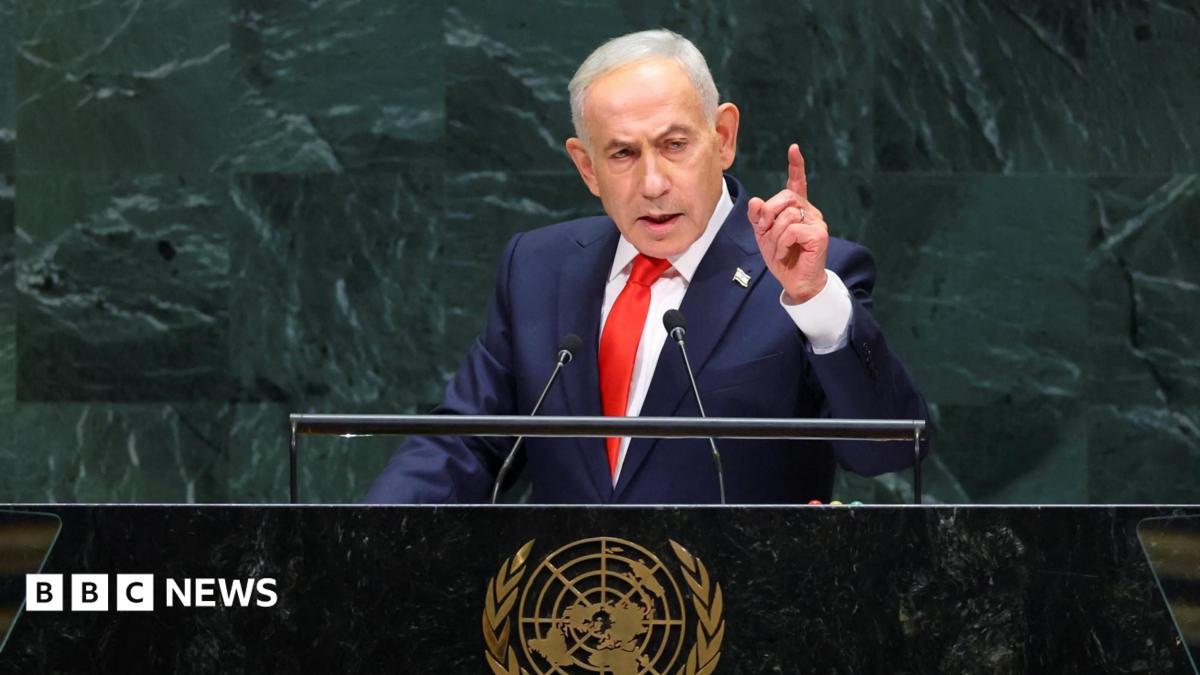
The Israeli leader labels those who left his speech at the UN General Assembly as "moral cowards".  #Netanyahu #UNAssembly #IsraelPalestineConflict

www.bbc.co.uk
Netanyahu defends Israeli military action as delegates walk out before UN speech
1997
rui da silva Sep 15
Portuguese DJ

Public debate increasingly judges the speaker before testing the claim. Labels replace evidence. Motive replaces argument. Reaction replaces refutation. My new piece asks a simple question: when did we stop arguing about what is true? https://t.co/4vHuMCP7Ct https://t.co/Sx5lFgJ396 #PublicDebate #Truth #CriticalThinking #Nospecificcountrycodesarepresentinthetweet.

• Sep 5

@inakiangulo Tú solo querías dibujar una situación con los mariquitas, y también te digo que este es un país donde se etiqueta muy fácilmente. #arte #sociedad #labels

16188
Wim den Oudsten Aug 29

Ik ben er klaar mee. In Nederland mag je niks meer zeggen. Zodra je iets roept over asiel, ben je een nazi. Zodra je vraagt hoe we dit land nog draaiende houden, ben je een racist. En ondertussen stikt dit land van de problemen. Weet je wat ziek is? Jongeren wonen nog bij hun ouders omdat er geen huizen zijn. Gezinnen worden uit elkaar getrokken door de woningnood. Maar voor opvang wordt alles uit de kast getrokken. Onze ouderen? Die liggen te verrotten in verpleeghuizen. Personeel rent zichzelf kapot. Maar miljarden verdwijnen naar alles en iedereen behalve naar de mensen die dit land hebben opgebouwd. En scholen? Kinderen krijgen amper les in hun eigen taal omdat de klassen vol zitten met nieuwkomers. Maar als je dát zegt, dan ben je zogenaamd “gevaarlijk”. Jongens, waar zijn we mee bezig? Waarom slikken we dit? Waarom mogen wij niet meer gewoon zeggen wat iedereen ziet? Nederland wordt kapotgemaakt, en de enige die het niet meer mag zeggen, is de gewone Nederlander. Ik zeg het zoals het is: dit land gaat niet naar de klote door meningen. Het gaat naar de klote door zwijgen. Door mensen die bang zijn gemaakt met labels. Dus ja: ik ben boos. Ik ben klaar met deze angst. Dit is ons land, en ik laat me niet de mond snoeren. @uitlichten DELEN BEREIKT VELEN. #Nederland #VrijheidVanMeningsuiting #Woningnood

18226
S
Sandfeen Aug 28

When Therapy Replaces Morality: The Rise of the Therapy State By replacing religious frameworks with therapy speak, Western society may have lost its moral “grammar” and traded it for clinical language—though moral and psychological categories work differently. The DSM has expanded dramatically: in 1952 it listed 102 disorders; by 2013 it had over 400. Meanwhile, young adults report worsening mental health: poor mental-health days among 18–25-year-olds rose from 3.5 to 6 per month between 1993 and 2020, and depression diagnoses more than doubled from 2006 to 2020. Yet the most striking shift is self-diagnosis. About one in four American adults suspect they have ADHD, while actual prevalence is around 6%. Social media fills the gap: many popular ADHD and autism clips include misleading or unsupported claims. The label persists because it serves a function. A diagnosis increasingly becomes identity—and identity becomes a shield. When someone claims ADHD, anxiety, or trauma, they may be drawing a boundary others are not allowed to cross. Where moral language asks what we should become, therapeutic language labels what we are; once the label becomes identity, the conversation often ends. Religious language framed forces as external, preserving agency—you could resist. Therapeutic culture internalizes them: you don’t have weakness to overcome; you have ADHD. Jung argued that old gods and demons didn’t vanish; they became neuroses, anxieties, and addictions—turning questions of conscience and choice into labels to accept. The result isn’t greater freedom but greater control. If a civilization can’t say “wrong,” it doesn’t necessarily become more tolerant. Moral language permits disagreement and growth; therapeutic language can pathologize it and end discussion. The therapy state is the successor to moral authority—and it may be easier to enforce.

829
S
Sandfeen Aug 28

The Therapy State Western society has traded moral language for therapy-speak, losing moral grammar and replacing it with clinical categories that don’t work the same way. About 25% of American adults suspect they have ADHD, though prevalence is 6%; on TikTok, most top ADHD videos include unsupported claims. People misdiagnose themselves far more often than they correctly identify mental illness—and yet self-diagnosis persists because it serves a social function. Moral categories allow disagreement: you can argue about right and wrong, measure choices against standards, and debate what those standards require. Psychological categories pathologize disagreement: diagnosis becomes identity, and identity becomes a shield. When someone claims ADHD, anxiety, or trauma, they’re not just describing symptoms—they’re setting a boundary you’re not allowed to question. The shift from “what we should aim for” to “what we are” ends the conversation. Jung saw this displacement mechanism: modern gods and demons don’t vanish; they become neuroses, anxieties, addictions, and therapeutic labels. The question of conscience and choice becomes a fixed identity that must be accepted. Unlike religious frameworks that locate forces outside you and invite struggle, therapy culture internalizes the forces—so the label replaces agency. You don’t resist weakness; you *are* it. And because boundaries can’t be crossed, change becomes harder. When a civilization loses the ability to say “wrong,” it doesn’t become more tolerant—it becomes more rigid. The therapy state replaces moral authority, with disastrous results.

710
NRC Aug 28

Psychiater Jim van Os waarschuwt in zijn nieuwe boek dat mensen met mentale problemen voorzichtig moeten zijn met de geestelijke gezondheidszorg, omdat ze daar eerder beschadigd kunnen raken dan beter, en pleit voor het centraal stellen van persoonlijke ervaringen boven diagnostische labels. #GGZ #Psychiatrie #MentaleGezondheid

www.nrc.nl
Ga met mentale problemen niet zomaar naar de ggz, adviseert psychiater Jim van Os: ‘Daar draait het niet om jouw ervaring’
17163
Julius Böhm Aug 17

Faszinierend, mit welch sagenahfter Geschwindigkeit die links-der-Mitte-Hegemonie zusammenbricht & allen voran die früheren Nutznießer es voller Panik, um sich schlagend bemerken. Niemanden interessieren die Labels. Niemanden interessiert, was der Spiegel schreibt. Es ist over. #Politik #Gesellschaft #Wandel

18032
Rinus Jansen Aug 15

Nieuws van de Dag en de illusie van het spontane gesprek Gisteren keek ik naar Nieuws van de Dag en pas later drong volledig tot me door wat mij zo tegenstond aan die uitzending over de boeren. Het ging niet om één domme uitspraak van Lale Gül, Raymond Mens of iemand anders aan tafel. Het ging om de manier waarop vrijwel het hele blok dezelfde richting uit werd opgebouwd. De kijker moest het gevoel krijgen naar een spontaan gesprek over de actualiteit te kijken, terwijl de boeren stap voor stap werden gekoppeld aan gevaar, slachtoffers, historische grensoverschrijding en uiteindelijk zelfs aan de gedachte dat het misschien helemaal niet zo erg is wanneer Nederland minder boeren krijgt. Kijk gewoon naar de opeenvolging. Er is een dodelijk verkeersongeluk rond een boerenactie en vrijwel onmiddellijk verschuift het gesprek naar de verantwoordelijkheid van de boeren. Vervolgens komt de davidster met de B voorbij en Lale Gül trekt direct de Holocaust erbij. Niet veel later vraagt diezelfde Lale of het eigenlijk wel zo’n ramp is wanneer Nederland minder boeren krijgt. Thomas van Groningen levert de voorzetten waarmee het gesprek voortdurend binnen datzelfde kader blijft en Raymond Mens sluit zich vervolgens aan bij de harde lijn van Rob Jetten over boeren op de snelweg. Ieder fragment afzonderlijk kun je wegzetten als “gewoon een mening”. Maar zet ze achter elkaar en je krijgt een heel ander product: boeren worden gevaarlijk, onverantwoordelijk, historisch verdacht en uiteindelijk misschien zelfs overbodig gemaakt. En hier moeten we ophouden naïef te doen over hoe talkshows werken. Dit zijn geen cafés waar toevallig vier mensen binnenlopen en ter plekke ontdekken wat ze ergens van vinden. De uitzending is voorbereid, onderwerpen zijn geselecteerd, invalshoeken zijn besproken, beelden liggen klaar, vragen zijn voorbereid, gasten zijn voorgesproken en opiniemakers weten waarvoor ze komen. Presentatoren werken met een draaiboek en de regie kan tijdens de uitzending onmiddellijk bijsturen. Maar zelfs dat is nog maar de zichtbare laag. Sinds corona weten we hoe omvangrijk narratief beheer vanuit instituties kan worden georganiseerd. Overheidscommunicatie, crisiscommunicatie, ministeries, woordvoerders, deskundigen, gedragscommunicatie en media functioneren niet in volledig gescheiden universums. Boodschappen worden voorbereid, lijnen worden afgestemd, kernboodschappen worden bepaald en media weten ruim vóór de uitzending welke onderwerpen en politieke boodschappen die dag centraal staan. Hoe ver zulke lijnen vervolgens via redacties, voorgesprekken, briefingdocumenten en talkingpoints doorwerken tot presentatoren, deskundigen en opiniemakers is van buitenaf nauwelijks volledig zichtbaar. Ik kan niet bewijzen dat iemand ’s middags letterlijk een mail van de NCTV of AIVD ontvangt met drie zinnen die ’s avonds moeten worden uitgesproken. Maar na corona vind ik het minstens zo naïef om te geloven dat dezelfde formuleringen, dezelfde morele kaders en dezelfde gewenste conclusies avond na avond volledig spontaan en onafhankelijk aan verschillende talkshowtafels ontstaan. De interessantste vorm van sturing is bovendien helemaal niet een geheim briefje waarop exact staat wat iemand moet zeggen. Het is veel efficiënter om mensen te gebruiken van wie je vooraf al weet welke richting hun morele kompas bijna automatisch uitslaat. En daar vind ik Lale Gül bijzonder interessant. Bij haar lijkt virtue signalling inmiddels bijna een vakdiscipline geworden. Of het nu over islam, corona, vaccinaties, Israël of nu de boeren gaat: ze weet opvallend vaak precies de meest institutioneel veilige, moralistisch maximale positie te vinden en die vervolgens te presenteren alsof ze zojuist op eigen kracht een bijzonder moedige gedachte heeft ontdekt. Tijdens corona was uitgesproken vaccinatie-enthousiasme de deugdzame positie. Bij islam krijgt ze ruimte wanneer een scherpe beschuldiging richting moslims gewenst is. Bij Israël staat ze zeer herkenbaar in het debat. En nu boeren politiek onder druk staan, zit zij daar precies op het juiste moment om de Holocaust erbij te halen en vervolgens hardop te vragen of Nederland eigenlijk wel zoveel boeren nodig heeft. Ik neem Lale zo nadrukkelijk als voorbeeld omdat het mechanisme bij haar bijna schaamteloos zichtbaar wordt, maar zij is slechts een extreem herkenbare variant van een veel breder televisiemodel. Ook andere vaste zogenaamde ‘opiniemakers’ weten dat het televisiecircuit snelheid, stelligheid, morele verontwaardiging en herkenbare positionering beloont. Dat levert clips, bereik, uitnodigingen en uiteindelijk marktwaarde op. Virtue signalling is daarmee niet alleen ideologie, maar ook een verdienmodel. De doelgroep kan wisselen, gisteren ongevaccineerden, vandaag boeren, morgen weer een andere politiek verdachte groep, maar de morele pose blijft. En precies die voorspelbaarheid maakt zulke figuren bruikbaar voor het format. De kijker denkt vervolgens: “Lale vindt dit.” Maar de redactie koopt geen verrassing in. Ze koopt een bekend type reactie, een herkenbaar moreel frame en televisie waarvan vooraf duidelijk is welke richting het gesprek ermee op kan. Daar begint narratief beheer: niet noodzakelijk bij een letterlijk uitgeschreven script, maar al bij de selectie van mensen van wie je weet welk soort oordeel, verontwaardiging en legitimatie ze zullen leveren. En precies daar begint narratief beheer. Niet bij één grote leugen, maar bij selectie. Wie zit er aan tafel? Welke gebeurtenis wordt groot gemaakt? Welke associatie wordt onmiddellijk toegevoegd? Wie krijgt het morele gezag? Welke vragen worden eindeloos uitgemolken en welke vragen worden überhaupt niet gesteld? Want kijk naar wat gisteren niet centraal stond. Bij het verkeersongeluk had je uitgebreid kunnen bespreken wat feitelijk al bekend was over de toedracht voordat een hele protestbeweging morele schuld kreeg toegeschoven. Bij de boerenster had je naast de verontwaardiging ook boeren zelf kunnen vragen welk politiek punt zij met dat symbool probeerden te maken. En zodra Lale vraagt of minder boeren wel zo erg is, hoort daar onmiddellijk de veel grotere vraag tegenover te staan: wie produceert straks ons voedsel, wie krijgt de grond, hoe afhankelijk willen we worden van import en welke bedrijven profiteren van een steeds verder geïndustrialiseerde en technologiseerde voedselketen? Maar juist die vragen verstoren het frame. En dat is precies waarom framing zo krachtig is. Je hoeft helemaal niet te liegen. Je kunt uitsluitend ware feiten gebruiken en toch een misleidend totaalbeeld produceren. Je maakt het ene feit enorm, het andere klein, plaatst twee gebeurtenissen bewust naast elkaar, nodigt drie mensen uit die ongeveer dezelfde morele richting vertegenwoordigen en laat één kritische context weg. Vervolgens hoef je de kijker niet eens meer te vertellen wat hij moet denken. Hij maakt de laatste stap zelf. Tijdens corona zagen we hoe effectief dat kan zijn. Dag na dag dezelfde morele categorieën, dezelfde institutioneel geaccepteerde deskundigen, dezelfde angsten, dezelfde oplossingen en dezelfde sociale labels voor afwijkende geluiden. De kracht van dat systeem zat er niet in dat letterlijk niemand iets anders mocht zeggen. Eén kader werd simpelweg zo dominant dat alles daarbuiten automatisch verdacht, onverantwoordelijk of krankzinnig begon te klinken. Nu zie ik hetzelfde mechanisme terug bij de boeren, alleen herkennen veel meer mensen het inmiddels. Daarom vind ik de uitzending van Nieuws van de Dag van gisteren niet gewoon “een talkshow waar ik het niet mee eens was”. Ik vind het een voorbeeld van iets veel fundamentelers: hoe een redactie een politieke en morele werkelijkheid kan construeren terwijl ze de vorm van een spontaan gesprek behoudt. Dat is ook waarom ik tegenwoordig bij een talkshow niet alleen meer luister naar wat er wordt gezegd. Ik kijk vooral naar wat er vóór de eerste zin al is besloten. Waarom zit juist deze persoon daar? Waarom wordt juist dit incident gekozen? Waarom volgt na gebeurtenis A onmiddellijk onderwerp B? Wie levert de emotionele verontwaardiging? Wie levert de rationeel klinkende bevestiging? Welke vraag wordt niet gesteld? Welke conclusie blijft uiteindelijk in het hoofd van de kijker hangen zonder dat iemand haar rechtstreeks heeft hoeven uitspreken? En misschien nog belangrijker: wie profiteert van die conclusie? Welk beleid wordt er gemakkelijker door te verkopen? Welk economisch of politiek belang wordt ermee gediend? Welke agenda krijgt meer ruimte wanneer één groep eerst moreel verdacht is gemaakt? Want framing staat zelden volledig op zichzelf. Zodra een bepaald beeld van de werkelijkheid dominant wordt, worden bepaalde beleidskeuzes vanzelf logischer en andere ineens ondenkbaar. Wie boeren eerst neerzet als gevaarlijk, achterhaald, egoïstisch of zelfs moreel verdacht, heeft de helft van het politieke werk al gedaan voordat beleid dat tot minder boeren leidt überhaupt aan de kijker hoeft te worden verkocht. Daar zit de manipulatie. Niet noodzakelijk in één aantoonbare leugen, maar in het construeren van een context waarin de gewenste conclusie eruitziet alsof hij spontaan uit de werkelijkheid zelf is ontstaan. En dat is precies wat gisteren met de boeren gebeurde. Ze werden niet alleen besproken. Ze werden geframed. Niet toevallig door één ongelukkige uitspraak, maar door de volledige architectuur van het gesprek. Wie dat mechanisme eenmaal herkent, kijkt nooit meer hetzelfde naar een talkshow. #Praatprogramma's #MediaFraming #Politiek

12224
NOS Aug 14

President Trump’s name will be reinstated at the Kennedy Center in Washington D.C. following a board meeting, despite previous legal rulings that mandated its removal and critiques from Democratic representative Joyce Beatty who labels the decision as an attempt to circumvent the court's orders. #TrumpKennedyCenter #JoyceBeatty #Renovatie

nos.nl
Naam Trump keert terug op Kennedy Center
11871
D
de Volkskrant Aug 12

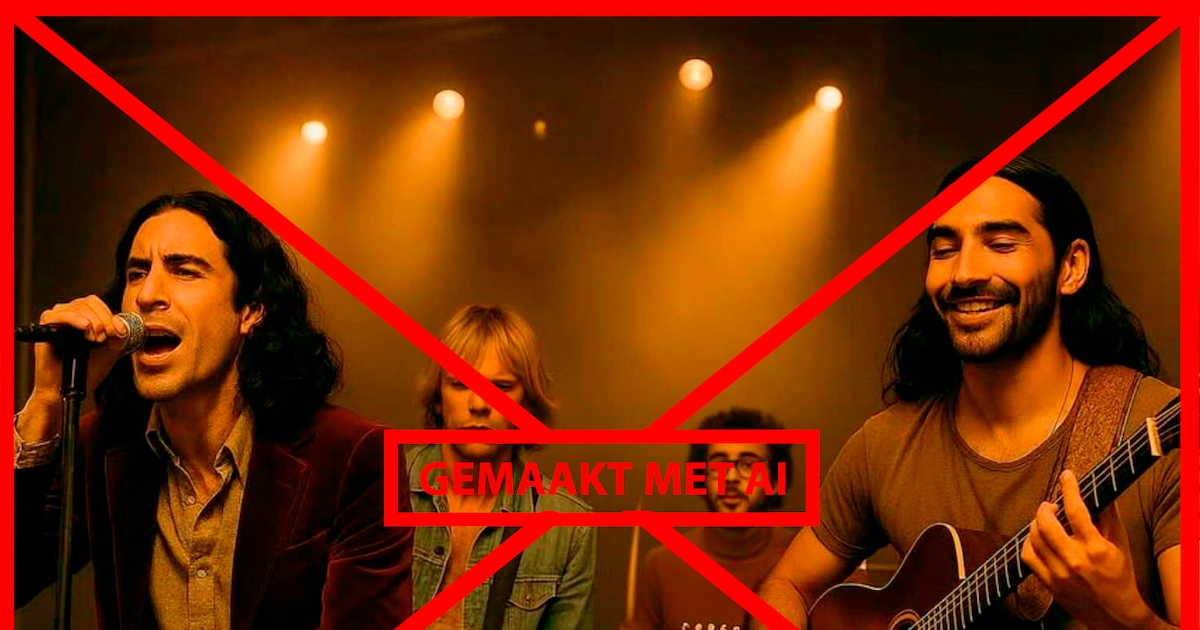
Techbedrijven als Spotify en Anthropic moeten sinds augustus 2026 expliciet aangeven wanneer content door AI is gegenereerd, in lijn met de nieuwe Europese AI-wet, en introduceren hiervoor labels en watermerken om transparantie te waarborgen. #AI #transparantie #Spotify

www.volkskrant.nl
Techbedrijven maken nu expliciet wanneer iets AI-gegenereerd is: hoe goed werkt dit?
17216
A
AD Aug 3

Vanaf deze week moeten AI-dokters en chatbots in de EU duidelijk aangeven dat ze geen mensen zijn, door middel van labels en markeringen, om zo het vertrouwen in AI-technologie te vergroten. #AIlabelling #Deepfake #EuropeseAIwet

www.ad.nl
AI-dokters en chatbots moeten voortaan duidelijk aangeven dat ze geen mens zijn
17242