WRLD

Search

#GHOST
NRC 47m

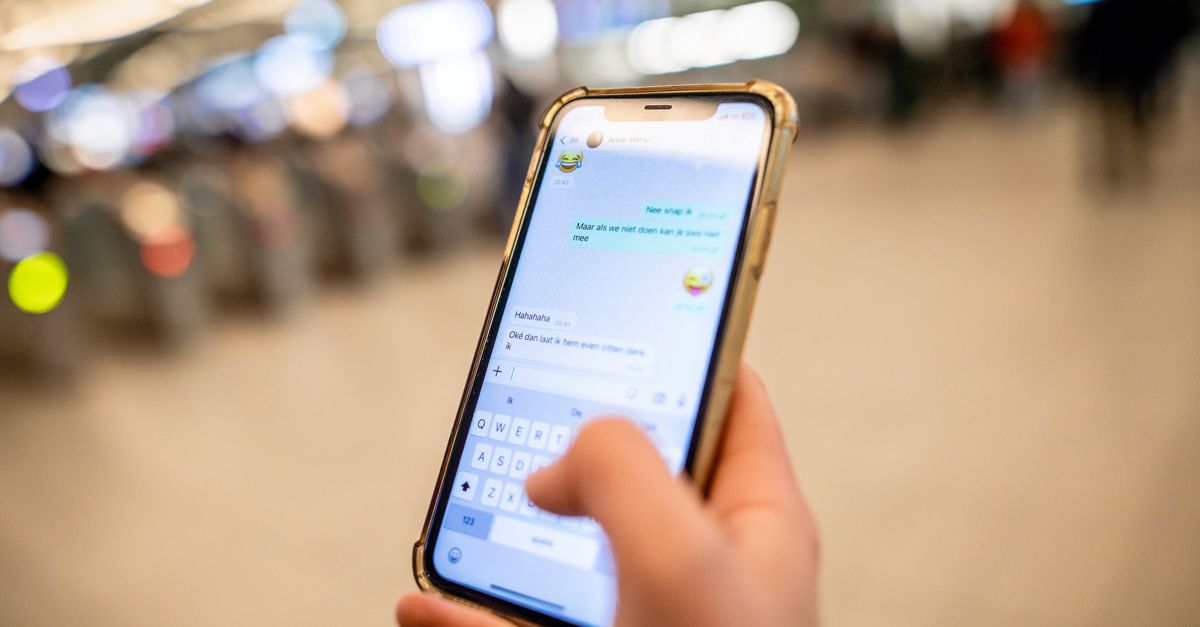
The ghost connection, where scammers gain access to your Whatsapp account by following a link and verifying your phone number, poses a growing danger for users in the Netherlands, causing their personal information to fall into the wrong hands without them realizing it. #Whatsapp #Oplichting #GhostPairing (translated)
www.nrc.nl
Je denkt dat je een kennis een dienst hebt bewezen, maar in werkelijkheid geef je een oplichter toegang tot je account. Wat doe je als je Whatsapp is gehackt?
1128
Maarten Boudry 2h

The author wrote that an alliance between the White House and the Kremlin had once seemed like paranoid fiction, with Manchurian candidates and red presidents treated as imagined figures, but claimed that such an alliance now existed. #Política #RelacionesInternacionales #EstadosUnidos #US #RU

1891
Euronews English 8h

Australia has unveiled three previously secret payloads for its Ghost Shark autonomous submarine drone: sea mines, logistical caches and Altius aerial drones capable of surveillance and strikes. #SubmarineDrone #UnderseaWarfare #AustraliaDefense

www.euronews.com
‘Ghost Shark’: Australia unveils submarine drone's secret weapons
1669
D
der Standard 1d

Cody Wilson, a gun rights activist and pioneer in the field of 3D-printed firearms, has introduced the world's first weapon designed by artificial intelligence, raising the debate about ghost guns to new heights. #GhostGuns #3DDruck #KünstlicheIntelligenz (translated)

www.derstandard.at
KI-generierte 3D-Druck-Waffe abgefeuert: Ein neuer Höhepunkt im Streit um „Ghost Guns“
2014
Emran Feroz 3d

The author recalled hearing, but never recording, a story about Angelina Jolie travelling to Afghanistan to build a school. They said corrupt officials and contractors took a share of the funds, leaving an empty school that was used for staged publicity, and that no one later questioned what had happened. #AngelinaJolie #Education #Corruption #AF

2911
Renato Rovai 4d

Renato Rovai stated that the conversation between a Globo executive and Vorcaro showed, in his assessment, how the company functioned. He said that the executive repeatedly demeaned himself in front of Vorcaro, who ignored him, and spoke about women — including Globo actresses — in a derogatory manner. Rovai also stated that the executive had a commercial role and even sold Globo's journalism. https://t.co/rYoViMxHVZ #Globo #jornalismo #escândalo (translated)

3039
Krzysztof Graj 1w

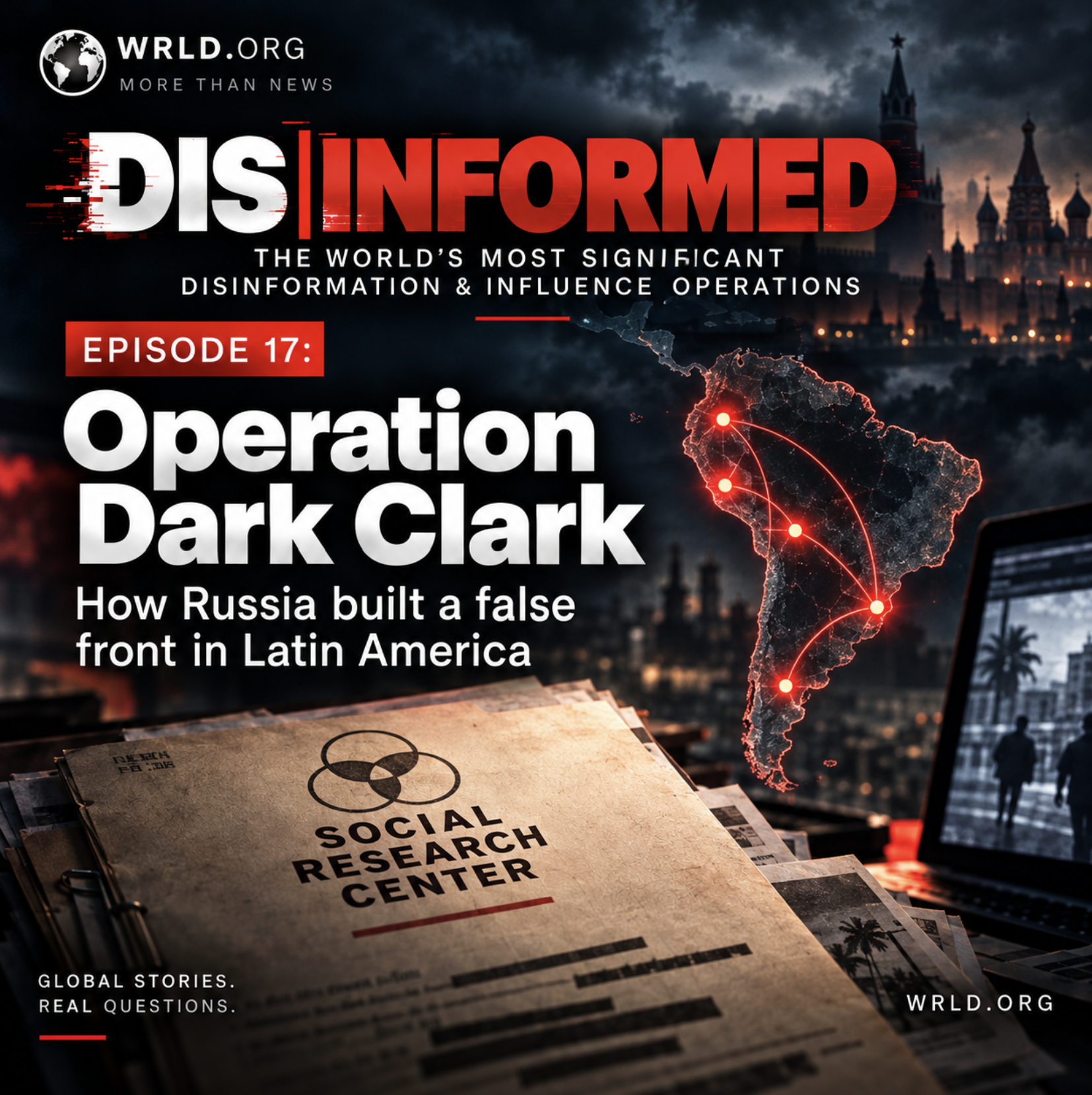
Operation Dark Clark – Russia built a real organisation around a false identity Most influence operations create fake people, fake websites or fake news stories. Operation Dark Clark appears to have gone considerably further: Russian operators built what looked like a functioning research organisation in Latin America, employed real people to produce genuine research and concealed from those employees who was ultimately directing their work. OpenAI disclosed the operation on 8 October after banning a cluster of accounts originating in Russia. The actors used ChatGPT while targeting countries across Latin America, principally to damage Ukraine’s reputation, manipulate domestic political debates and manage a self-described research organisation called the Social Research Center, or SRC. OpenAI assessed Dark Clark as Category Five on the six-level Breakout Scale, the first operation it has disrupted since beginning its influence-operation reporting to reach that level. A front organisation with real employees The SRC presented itself as a research platform studying subjects including Latin America’s relationship with India and the Indian diaspora. OpenAI found more than 60 articles on its website, most of them apparently original rather than plagiarised. Internal reports produced by the Russian operators discussed hiring, dismissals, salary scales, staffing and unfinished research projects, strongly suggesting that the operators controlled the organisation rather than merely collaborating with it. At the centre of the structure was “Mia Clark”, a fictitious identity reportedly used to manage social-media activity and communicate with staff. According to OpenAI, the available evidence indicates that employees working for SRC in Latin America were probably unaware that the organisation was being directed by Russian actors. They interviewed experts, conducted research and wrote papers in what appears to have been good faith. The deception therefore existed primarily at the organisational level: much of the work was real, but the identity and strategic purpose of the institution commissioning it were not. OpenAI This is one reason Dark Clark differs from the familiar model of a troll farm. A reader encountering an SRC paper might be looking at research genuinely written by a Latin American employee based on genuine interviews. The manipulation lies further upstream, in who built the institution, selected its direction and controlled its infrastructure. From forged emails to real events The operation also appears to have attempted something more ambitious than online persuasion: inducing real people to produce events that could later be turned into propaganda. In May 2026, according to the operators’ internal reports, they created an email address impersonating Lima’s regional education authorities and instructed schools to organise activities about Ukraine for a cultural-diversity event. The instructions included references to Stepan Bandera, whose historical legacy remains particularly contentious in Poland and parts of Eastern Europe. The operators claimed that some schools complied, replied to the false address and sent photographs of the events. OpenAI could not independently verify every claim contained in the operators’ reports. It did, however, find Peruvian reporting matching the story, followed by publications in Poland and an English-language outlet in Hungary. Some coverage included comments from a Polish MEP calling for people displaying what he described as anti-Polish attitudes to be declared persona non grata. OpenAI therefore concluded that the fabricated starting point appears to have entered genuine political debate across national borders. The mechanism is unusually effective because the final photographs need not themselves be fabricated. If people can be tricked into staging a real event on the basis of a forged instruction, the operation creates authentic visual evidence of something that was artificially initiated. The same method in Ecuador and Bolivia Dark Clark’s internal reports describe similar efforts elsewhere. In Ecuador, the operators claimed they used a fake education email to encourage schools to stage ceremonies involving President Daniel Noboa and Erik Prince, the former head of Blackwater. Ecuadorian media subsequently covered a matching controversy, and the country’s education minister issued a detailed denial. Other Ecuador-focused material included fabricated audio attributed to Ukraine’s consul and a false television report alleging that Noboa’s government was recruiting Ecuadorians to fight in Ukraine. Local fact-checker Lupa found that the supposed Teleamazonas report had never been broadcast, that images had been taken from Instagram, that the audio was AI-generated and that a company named in a supposed recruitment contract did not exist in Ecuador’s corporate registry. In Bolivia, an internal report described a fake audio recording supposedly made by an employee of state water company EPSAS during anti-government protests. It claimed that water supplies to La Paz would be cut and a state of emergency declared. The allegation produced a fact-check and an official denial. OpenAI says the operators explicitly described their objective as worsening the political crisis surrounding the demonstrations. Possible links to the post-Wagner influence machine Dark Clark did not emerge in a vacuum. The operators repeatedly asked ChatGPT about Politology and La Compania, names associated in previous investigations with the Russian influence apparatus that developed from structures once connected to Yevgeny Prigozhin. Forbidden Stories and its partners obtained 1,431 pages of internal documents describing a network known as “The Company”, which they reported had grown to almost 100 operatives and was conducting influence projects across roughly 30 Global South countries. Their investigation found that the organisation moved under the supervision of Russia’s Foreign Intelligence Service, the SVR, after Prigozhin’s death. Its documented budget for ten months of activity in 2024 was approximately €7.3 million. Two older Argentina campaigns claimed in Dark Clark’s internal reports — a false story about Javier Milei buying Cartier collars for his dogs and the staging of anti-Milei graffiti — had already been independently attributed by investigative journalists to Politology/La Compania. That is significant corroboration, but it is not enough to prove that every Dark Clark activity was run by the same organisational structure. AI was the back office, not the mastermind Perhaps the most important finding concerns artificial intelligence itself. In most documented cases, the Russians were not using ChatGPT to generate the propaganda seen by the public. Their principal use was administrative: drafting reports for an unknown superior, summarising operations, translating material and recording the supposed success of campaigns. Those reports also expose a weakness in the operators’ own measurement. OpenAI found instances in which they tried to claim credit for developments they had probably not caused, suggesting that they were not only attempting to manipulate Latin American audiences but also presenting an inflated picture of their effectiveness to whoever was supervising them. Dark Clark nevertheless broke further into the real world than any influence operation OpenAI had previously disrupted. Under the Brookings framework, Category Five means that an operation has escaped its original network and been amplified by high-profile individuals such as politicians. Dark Clark crossed that threshold because fabricated narratives appear to have provoked governmental denials, mainstream reporting and political comment in several countries. Its most important innovation was therefore not a particularly convincing deepfake. It was the construction of a partly genuine institution around a concealed foreign controller. The research could be real. The employees could be real. The interviews could be real. What was false was who they were ultimately working for. Sources OpenAI — Disrupting AI-enabled “false front” operations https://openai.com/index/disrupting-ai-enabled-false-front-operations/ Forbidden Stories — Propaganda Machine: Russia’s foreign influence strategy across three continents https://forbiddenstories.org/propaganda-machine-secret-documents-reveal-russias-foreign-influence-strategy-across-three-continents/ Forbidden Stories — Ghost Journalists, Cash and Kremlin Scripts: Argentina https://forbiddenstories.org/ghost-journalists-cash-and-kremlin-scripts-how-russian-operatives-tried-to-influence-argentinian-media/ openDemocracy — Russian influence operation in Bolivia https://www.opendemocracy.net/en/russia-bolivia-south-america-putin-evo-morales-wagner-prigozhin-covert-operations-propaganda-disinformation-foreign-interference/ Lupa Media — Fake Teleamazonas report about recruiting Ecuadorians for Ukraine https://lupa.com.ec/verificaciones/noboa-mercenarios-ucrania-ecuador/ Brookings Institution — The Breakout Scale https://www.brookings.edu/articles/the-breakout-scale-measuring-the-impact-of-influence-operations/ Keywords: #DISINFORMED #Episode17 #OperationDarkClark #DarkClark #Russia #LatinAmerica #RussianInfluence #RussianDisinformation #Disinformation #InformationWarfare #InfluenceOperations #ForeignInterference #FIMI #FalseFront #FrontOrganisation #FakeInstitution #SocialResearchCenter #SRC #ArtificialIntelligence #AI #GenerativeAI #ChatGPT #OpenAI #NarrativeManipulation #SourceLaundering #InstitutionalManipulation #ForgedDocuments #FakeAudio #PoliticalInfluence #CovertInfluence #Peru #Ecuador #Bolivia #Argentina #Ukraine #Politology #LaCompania #TheCompany #SVR #WagnerLegacy #PropagandaMachine #GlobalSouth #BreakoutScale #OSINT #MediaManipulation #WRLD

1025
D
de Volkskrant 2w

Researcher Marijke Van Vlasselaer warns against the use of AI as a political ghostwriter, as outsourcing language and thinking to algorithms undermines trust between people. #AI #Politiek #Transparantie (translated)

www.volkskrant.nl
Onderzoeker waarschuwt tegen gebruik van AI als politiek ghostwriter: ‘Schrijf gewoon wat je wil vertellen, en niet al die blablabla’
1718
Krzysztof Graj 2w

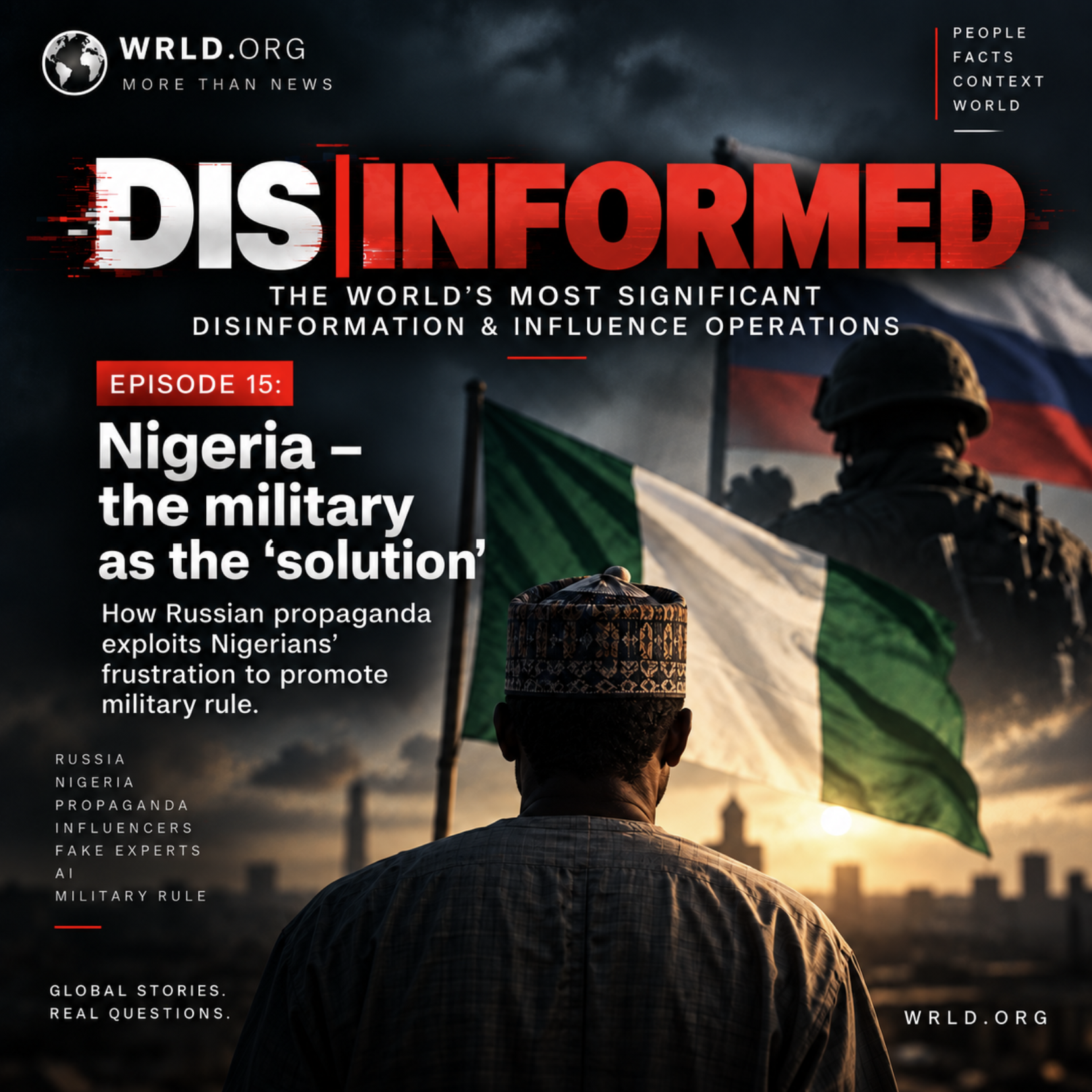
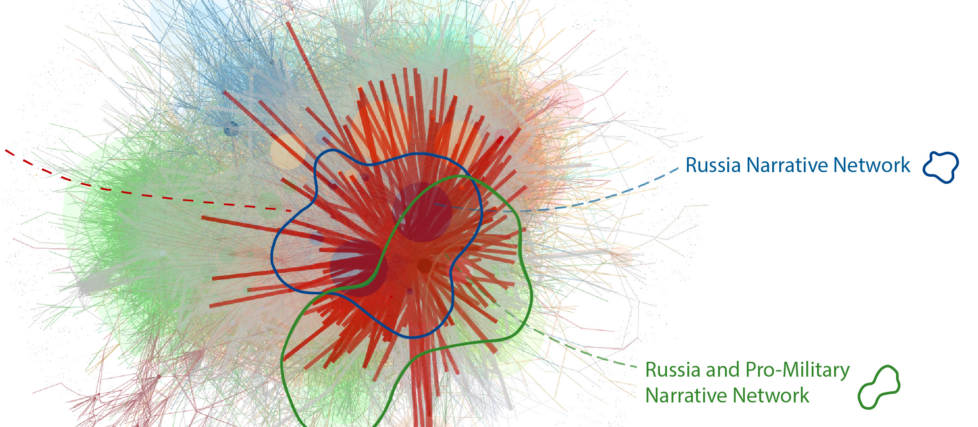
Nigeria – how pro-Russian influence networks sell military rule as the answer When Nigerians took to the streets in August 2024 to protest soaring living costs and frustration with government, some demonstrations acquired an unexpected symbol: the Russian flag. In Kano, Kaduna and other northern cities, protesters were filmed carrying Russian colours and calling for Moscow’s intervention. Some demanded a military takeover. What initially looked like an unusual expression of anger has since become part of a much larger picture. A September 2026 assessment by the Africa Center for Strategic Studies describes Nigeria as a major target of overlapping foreign information operations, with Russia the most active external actor in its information space. The report does not identify a single centrally controlled campaign. Instead, it maps an ecosystem in which genuine dissatisfaction over insecurity, corruption and living standards is repeatedly redirected towards a broader proposition: democratic government has failed, while the military-led regimes of the Sahel offer a more effective alternative. Turning a real protest into a pro-Russian message The clearest example emerged during the 2024 #EndBadGovernance protests. Nigerian investigative reporting found that a Kano-based TikTok influencer with more than 100,000 followers had been paid through a Telegram channel associated with African Initiative, a Moscow-based media operation linked by researchers to Russian influence activity in Africa. The influencer said the channel supplied photographs, videos and talking points for redistribution on TikTok and Instagram. Among the messages provided were phrases such as “Putin please come and save Nigeria” and “The army is the answer for Nigeria”. Influencers were encouraged to use Hausa-language hashtags including #Zangazanga – “protest” – alongside references to Putin and Russia. Investigators identified 38 accounts circulating similar pro-Russian and pro-military narratives during the demonstrations. Russian flags subsequently appeared among protesters in several northern cities. This does not mean the protests themselves were created by Russia. They were driven by genuine economic and political grievances, and Nigerian protesters gave different reasons for carrying Russian flags. The important feature of the influence activity was precisely that it did not need to manufacture the original anger. It could attach a geopolitical message to an existing domestic crisis. From frustration to the idea of military government The narrative fits a wider pattern seen across West Africa. Russia has developed close relations with the military governments of Mali, Burkina Faso and Niger, while pro-Russian media ecosystems routinely portray those states as examples of sovereignty, stability and resistance to Western influence. Nigeria, by contrast, has remained under constitutional civilian government since 1999. Africa Center researchers say information networks targeting Nigerians increasingly contrast these two models. Recurring messages depict elections as wasteful or predetermined, civilian institutions as incapable of protecting citizens and military governments as more decisive on security and development. Some content portrays the Sahelian juntas as delivering better roads, lower prices and stronger security even where available evidence points to continuing or worsening instability. Language is central to the strategy. Hausa is spoken across northern Nigeria and neighbouring Niger, allowing political narratives to travel across borders that are far less important online than they are on maps. HumAngle documented efforts involving Nigerien state-linked actors to cultivate Hausa-speaking journalists and distribute material favourable to Niger’s junta and hostile to France and Western influence. The Russian and Sahelian-junta information ecosystems are not identical, but their narratives frequently reinforce one another. Fake journalists inside real Nigerian media The campaign environment extends beyond social media. A 2026 investigation by Graphika and Code for Africa identified 44 ghost reporters and fake experts whose identities were used to place Russia-aligned narratives in African media. Thirty-eight were assessed with high confidence to be fabricated. Their articles or quotations appeared across 138 websites and were amplified by at least 113 Facebook accounts and Pages. Nigeria was one of the most heavily targeted countries. According to the Africa Center’s analysis of the research, Daily Post Nigeria carried 39 articles involving 14 identified ghost authors. Once published by a genuine Nigerian outlet, such material could then be cited by other websites, social-media accounts or even Russian official channels as though it had originated independently in Africa. This is information laundering rather than simple propaganda: the most valuable asset being borrowed is the credibility of the local newsroom. Generative AI added another layer. OpenAI and Meta separately disrupted a Russia-origin network that produced Africa-focused political content and operated Facebook Pages posing as local media organisations. One fabricated commentator, “Dr Manuel Godsin”, was presented as a European-trained geopolitical expert although investigators found no evidence supporting his academic biography. ChatGPT had been used to generate articles under the persona’s name, while Meta removed 37 Facebook accounts and 29 Pages connected to the broader network. Different networks, similar strategic direction It would be misleading to merge all these activities into a single Russian command structure. The African Initiative-linked influencer campaign, the ghost-reporter network and the AI-enabled operation disrupted by OpenAI and Meta were uncovered separately and used different infrastructure. Public evidence does not demonstrate that every actor reported to the same organisation. What connects them is a recurring set of themes and methods: portraying Western partnerships as exploitative, presenting Russia as an alternative security partner, amplifying failures of civilian government, and giving military-led rule greater legitimacy. Investigative reporting on leaked Russian documents has meanwhile described a much wider influence apparatus operating across Africa, involving political consultants, paid journalists, influencers and locally tailored campaigns intended to reduce Western influence and expand Moscow’s position. The underlying technique is less about inventing dissatisfaction than redirecting it. Nigeria faces real security threats, economic pressure and public frustration. Influence operators do not need to persuade Nigerians that those problems exist. They need only influence the explanation for why they exist – and which political model appears to offer the answer. That is what makes the Nigerian case significant. The most effective propaganda does not necessarily introduce a completely false reality. It takes a real crisis and changes where the audience is encouraged to look for the solution. Sources Africa Center for Strategic Studies — The Raging Information Battle in Nigeria https://africacenter.org/spotlight/the-raging-information-battle-in-nigeria/ Graphika — Umbrae Ex Machina https://www.graphika.com/reports/umbrae-ex-machina OpenAI — Operation “No Bell” https://openai.com/index/disrupting-malicious-uses-of-ai-no-bell/ TheCable — Ghost reporters in African media https://www.thecable.ng/ghost-reporters-how-fabricated-african-voices-carried-pro-russia-narratives/ HumAngle — Nigeria Is Facing an Information War in Its Own Language https://www.humanglemedia.com/nigeria-is-facing-an-information-war-in-its-own-language DAIDAC / CJID — Russian influence during #EndBadGovernance https://daidac.thecjid.org/how-telegram-tiktok-aided-russian-disinformation-that-led-to-incarceration-of-nigerian-minors/ FactCheckHub — How Nigeria’s hunger protest took a radical turn https://factcheckhub.com/from-economic-protests-to-coup-agitation-how-nigerias-hunger-march-took-a-radical-turn/ News24 — Fake Kremlin-linked analyst planted stories in African media https://www.news24.com/southafrica/news/ai-expert-exposed-fake-kremlin-linked-analyst-planted-stories-in-african-media-20260318-0560 Vanguard — AI ‘expert’ exposed https://www.vanguardngr.com/2026/03/ai-expert-exposed-fake-kremlin-linked-analyst-planted-stories-in-african-media/ Africa Confidential — How Moscow wages social media war https://www.africa-confidential.com/article/id/15961/how-moscow-wages-social-media-war Keywords #DISINFORMED #Episode15 #Nigeria #Russia #RussianInfluence #RussianDisinformation #Africa #WestAfrica #Disinformation #InformationWarfare #InfluenceOperations #ForeignInterference #FIMI #Propaganda #MilitaryRule #MilitaryGovernment #Democracy #PoliticalManipulation #NarrativeManipulation #AfricanInitiative #EndBadGovernance #Hausa #LocalInfluencers #GhostReporters #FakeExperts #ArtificialIntelligence #AI #AIPersonas #SyntheticMedia #AIPropaganda #Astroturfing #SocialMediaManipulation #Telegram #TikTok #DigitalInfluence #SourceLaundering #NarrativeLaundering #MediaManipulation #Sahel #Geopolitics #OSINT #WRLD

africacenter.org
The Raging Information Battle in Nigeria
1376
Vitor | Notícias do PlayStation 3w

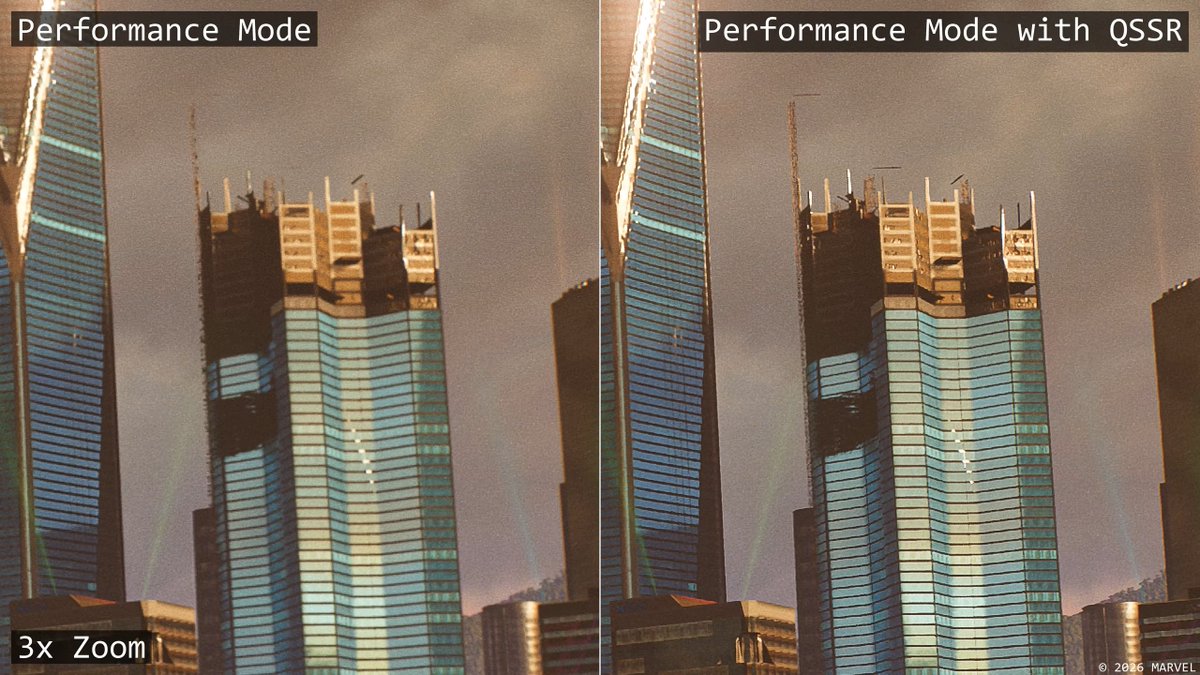
OFFICIAL: AI UPSCALING IS COMING TO THE BASE PS5! • Sony announced the QSSR — Quick Spectral Super Resolution • Technology comes from Project Amethyst, a partnership between PlayStation and AMD • Goal: to bring some of the benefits of the PS5 Pro's PSSR to the regular PS5 • QSSR uses a lighter and optimized neural network specifically for the PS5 • Promises sharper image and more stability than traditional methods • Marvel’s Wolverine and Ghost of Yōtei are the first compatible games • Both receive support via an update today • QSSR will be made available to other PlayStation developers in the future • PSSR remains the most advanced and exclusive solution of the PS5 Pro In practice, the base PS5 now also features AI-assisted image reconstruction. #PS5 #IA #Jogos (translated)

16271
Noticias PlayStation 3w

Sony announced Quick Spectral Super Resolution (QSSR), a new AI upscaling technology for standard PS5, developed alongside AMD within Project Amethyst. ▫️ QSSR is a lighter version of PSSR, the exclusive technology for PS5 Pro. ▫️ It utilizes an optimized neural network to improve sharpness, detail, and image stability without requiring the power of PS5 Pro. ▫️ PSSR will continue to offer the best quality on PS5 Pro, while QSSR aims to bring part of that experience to PS5. ▫️ Marvel’s Wolverine and Ghost of Yōtei are the first games compatible through new patches. ▫️ Sony will offer QSSR to all PlayStation developers so it can be implemented in more games in the future. #PlayStation #Sony #Videojuegos (translated)

12925
Procyonico 3w

Ghostface will receive skins from the Day of the Dead collection this year We will also have new Stranger Things skins coming to the game. https://t.co/siHniiY8tD #Ghostface #DiasDosMortos #StrangerThings (translated)

12464
FRANK 3w

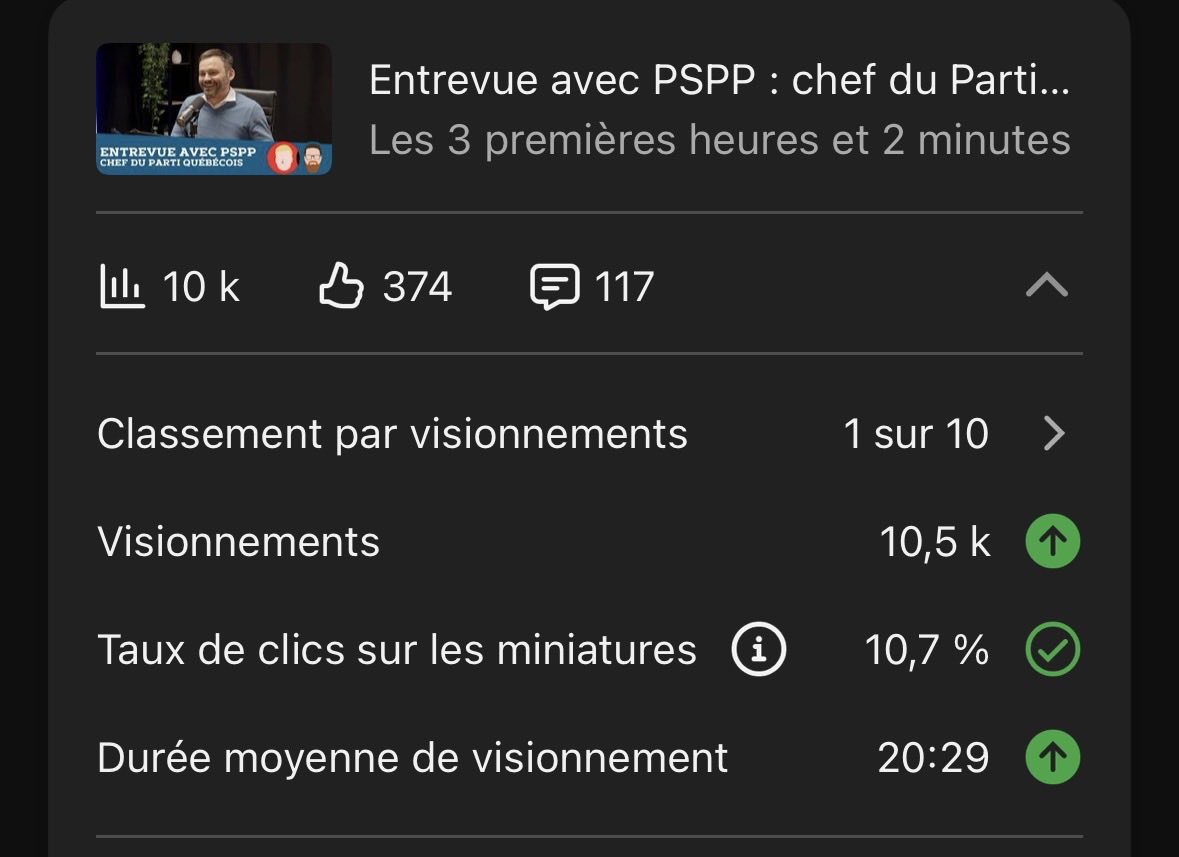
The interview with PSPP reached 10.5k views in just 3 hours, only on YouTube. Honestly, I don't understand why the other parties (CAQ, PLQ, QS) have "ghosted" us, although they went to much less visible platforms. Good for them. https://t.co/bVOCAsOBjY #politique #PSPP #YouTube (translated)

11547
Actu Foot 3w

🚨 Virginie SAINSILY 🇫🇷 inspirée ce soir sur Désiré DOUÉ 🇫🇷 👇 : 🗣️ « Tu nous entraînes dans une relation toxique où au départ, on tombe tous amoureux. Et puis, tu nous ghostes. Ce soir, tu débarques sur ton 31 avec ton bouquet de fleurs et le resto. ON VEUT ÇA TOUS LES SOIRS DÉSIRÉ ! » 🤩 🎥 @lequipedusoir https://t.co/wJcL5uPKS2 #RelationToxique #DésiréDoué #VirginieSainsily

18278
Noticias PlayStation 3w

Sucker Punch anuncia que una de las recompensas por jugar Ghost of Yotei: Most Wanted será un traje inspirado en los Chasqueadores de The Last of Us 🔥🔥 https://t.co/Hc9k6spY0C #GhostOfYotei #TheLastOfUs #SuckerPunch

20827
ana 3w

ich checke wenn männer sagen frauen im online dating sind schlimm, weil als ich mal hinge für beide geschlechter benutzt hab, waren es fast immer die frauen die geghostet haben und absolut keine konversation am laufen halten konnten #Dating #OnlineDating #Ghosting

15647
Gerd Leonhard 3w

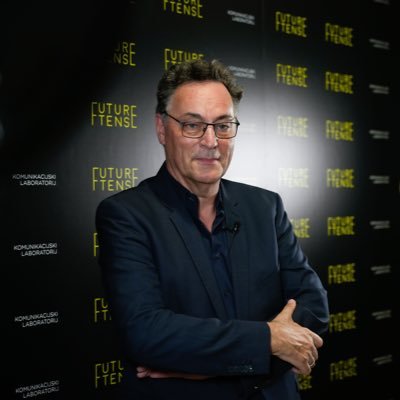
“No single lab will choose to slow down while its competitors don’t—not because its executives don’t believe the risk is real, but because individual caution hands the market to whoever is most reckless.” How to Regulate the Ghosts https://t.co/ScuP9egKtg via Instapaper #Regulation #Competition #RiskManagement #Nospecificcountriesarementionedinthetweetyouprovided.Therefore #theresponseforcountrycodeswouldbe:

@GhostReveries_ Eu acho que é pq ele não usa a mulher como chacota, são só personagem engraçados que por acaso são mulheres https://t.co/oHwTN991dv #Personagens #Humor #Mulheres

19965
Krzysztof Graj 4w

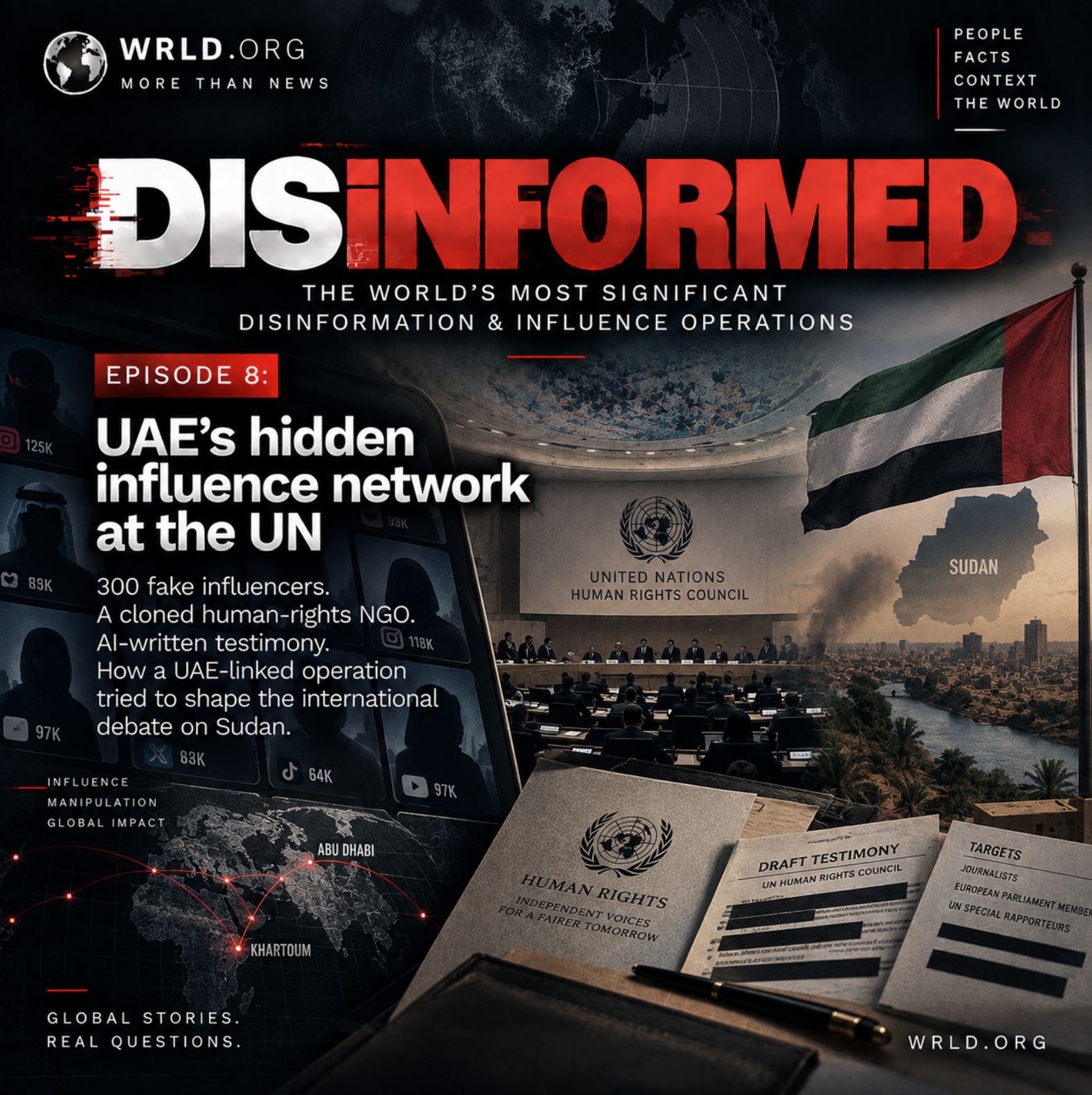
UAE / Sudan – when an influence operation tried to enter the United Nations A network of roughly 300 apparently independent social-media influencers. A human-rights organisation borrowing the identity of a real NGO. Personal dossiers on European politicians and journalists. And testimony prepared for delivery at the United Nations without revealing the state interest behind it. These were elements of an influence operation uncovered by Anthropic and disclosed in September 2026. The company says it linked the activity with high confidence to UAE government officials. Tracked as GTG-84002, the operation targeted several overlapping issues: the Muslim Brotherhood, perceptions of the war in Sudan and international mechanisms examining the United Arab Emirates' role in the conflict. What distinguishes the case is not simply its use of artificial intelligence. It is the attempt to make state-aligned messaging appear to originate from independent influencers, human-rights organisations and potentially witnesses addressing an international institution. An influence network built around 300 fake voices Anthropic identified a single actor using Claude to support a sustained influence campaign. At its centre was an AI persona called “Deadshot”, running on the operator's own platform. A master doctrine file repeatedly instructed the system to support what it described as a coordinated international effort to dismantle the Muslim Brotherhood. The operator simultaneously managed several components of the campaign, including approximately 300 inauthentic influencer accounts across social-media platforms. Internal material examined by Anthropic described the apparent independence of this network as its greatest strategic advantage. That phrase captures the central method. The objective was not simply to broadcast a political position but to conceal where that position originated. One visible example appeared on 4 June 2026, when accounts participated in a coordinated campaign using #SudanIslamists and near-identical graphics connecting Sudanese Islamists and the Muslim Brotherhood with regional instability. Anthropic says the amplification network was centrally funded and coordinated. Its investigation also found that the operator financing the social-media network was connected to the wider influence operation. A human-rights organisation that was not what it appeared to be Social media was only one layer. The operator also created a front NGO that copied the identity of a genuine Swiss organisation and used that borrowed legitimacy to publish human-rights material produced for the campaign. Anthropic's description elsewhere also refers to the identity of a real Sudanese human-rights organisation being used in connection with the preparation of testimony. The public report does not fully clarify whether these references describe the same front or separate elements of the operation, so they should not be treated as definitively identical. The underlying technique, however, is clear: political material was designed to appear as if it originated from independent civil society rather than from actors linked to a government. This is particularly significant in the human-rights environment, where the perceived independence of an organisation or witness can determine how seriously evidence is received by journalists, diplomats and international institutions. The attempt to reach the UN The most consequential part of the operation concerned the 62nd session of the UN Human Rights Council. According to Anthropic, the operator used Claude to ghost-write complete testimony intended to be delivered by two individuals during the session. The texts were prepared under explicit constraints ensuring that neither statement would mention the UAE. This did not amount to a conventional government submission. The intention, according to Anthropic's reconstruction, was for material serving the interests of a party connected to the Sudan conflict to reach an international forum through apparently independent voices. But an important limitation remains: Anthropic could not confirm that the testimony was ultimately delivered. The company similarly could not establish whether other dossiers produced by the operation reached their intended recipients or influenced policy. It therefore assessed the campaign as Category Three on the Brookings Breakout Scale – activity distributed across several platforms, but without evidence of broad public impact sufficient for a higher classification. The distinction matters. The evidence demonstrates a sophisticated attempt to influence international debate; it does not demonstrate that the attempt succeeded. Politicians, journalists and UN investigators became targets The operation was not limited to generating public content. Anthropic found that the operator researched and compiled detailed profiles of 18 members of the European Parliament and prominent journalists. Some material was prepared for direct delivery to senior UAE officials. The network also assembled what Anthropic describes as “counter-accountability dossiers” on UN Special Rapporteurs who had criticised the UAE's conduct in relation to Sudan. This places the campaign in a broader context. Since Sudan's civil war began in April 2023, the role of external powers has become an increasingly important part of international scrutiny. Sudan has accused the UAE of supporting the Rapid Support Forces, allegations Abu Dhabi has repeatedly denied. In 2025, Sudan brought a case against the UAE before the International Court of Justice, accusing it of complicity in genocide against the Masalit through alleged support for the RSF. The UAE rejected the allegations. The ICJ subsequently removed the case from its list after finding that it lacked jurisdiction because of the UAE's reservation to the relevant provision of the Genocide Convention. The ruling therefore did not determine whether Sudan's substantive allegations were true or false. That contested international environment helps explain why narratives about Sudan, human rights and accountability were valuable targets for an influence operation. AI as an operating system for influence The role played by Claude is also important to understand accurately. Anthropic did not find that artificial intelligence independently conceived or directed the campaign. Human operators established the objectives, political doctrine and targets. AI instead helped operationalise them. Across hundreds of sessions, Claude was used to transform predetermined political objectives into social-media narratives, human-rights reports, testimony, intelligence-style briefs and detailed profiles of individuals. The same system could support narrative production, target research and preparation of material for different audiences. That represents a more significant development than simply using generative AI to produce propaganda faster. Traditional influence operations require different teams to research targets, write content, manage personas, adapt messages and prepare briefing material. Generative AI can compress several of those functions into a single operational workflow. The result is not necessarily more convincing propaganda. It is potentially cheaper, faster and more scalable influence infrastructure. From fake influencers to institutional influence Anthropic says it linked the operation to UAE government officials with high confidence. Its assessment was based partly on internal material naming senior Emirati officials as intended recipients of the work, alongside other evidence available to its investigators. That remains an attribution by Anthropic rather than a judicial finding or publicly released forensic attribution by a government agency. The distinction should be retained. The larger significance of GTG-84002 lies in the architecture of the campaign. A network of fake influencers could create the appearance of public opinion. A cloned human-rights organisation could provide institutional credibility. AI-generated reports could give political narratives the appearance of research. Profiles of journalists and politicians could support more precise targeting. And ghost-written testimony could potentially carry the same message into an international institution without revealing the political interest behind it. This is a different model from the familiar troll farm. The objective is no longer simply to make propaganda look popular. It is to make state-aligned messaging look independent – and, if possible, to move it from social media into the institutions where international policy and accountability are debated. SOURCES: Anthropic — Countering misuse of AI: September 2026 https://www.anthropic.com/threat-intelligence-report-september-2026 International Court of Justice — Sudan v. United Arab Emirates https://www.icj-cij.org/case/197 International Court of Justice — press releases and case documents https://www.icj-cij.org/case/197/press-releases United Nations Geneva — Sudan v UAE proceedings at the ICJ https://www.ungeneva.org/en/news-media/news/2025/04/105241/world-court-begins-hearing-sudans-complicity-genocide-case-against UAE Ministry of Foreign Affairs — UAE response to Sudan's allegations https://www.mofa.gov.ae/en/MediaHub/News/2025/4/10/10-4-2025-UAE-UAE UN Digital Library — Sudan's letter concerning alleged UAE support for the RSF https://digitallibrary.un.org/record/4091008?ln=en UN Digital Library — UAE response concerning allegations of support for the RSF https://digitallibrary.un.org/record/4046224?ln=en Ultra Sudan — reporting on Anthropic's UAE-linked influence-operation findings https://ultrasudan.usawtiq.com/أنثروبيك-أحبطنا-عملية-تأثير-إماراتية-استخدمت-الذكاء-الاصطناعي-لاستهداف-السودان/عامر-صالح/أخبار KEYWORDS #DISINFORMED #Episode8 #UAE #Sudan #UnitedArabEmirates #UnitedNations #UNHumanRightsCouncil #HumanRights #Disinformation #InformationWarfare #InfluenceOperations #ForeignInterference #FIMI #CoordinatedInauthenticBehaviour #CIB #FakeInfluencers #FakeNGO #NGOImpersonation #Astroturfing #ArtificialIntelligence #AI #AIPropaganda #AIGeneratedContent #SyntheticMedia #SocialMediaManipulation #DigitalInfluence #Propaganda #NarrativeManipulation #InstitutionalInfluence #SudanConflict #SudanWar #MuslimBrotherhood #InternationalRelations #Geopolitics #Anthropic #ClaudeAI #OSINT #WRLD

www.anthropic.com
Countering misuse of AI: September 2026 / Anthropic
813