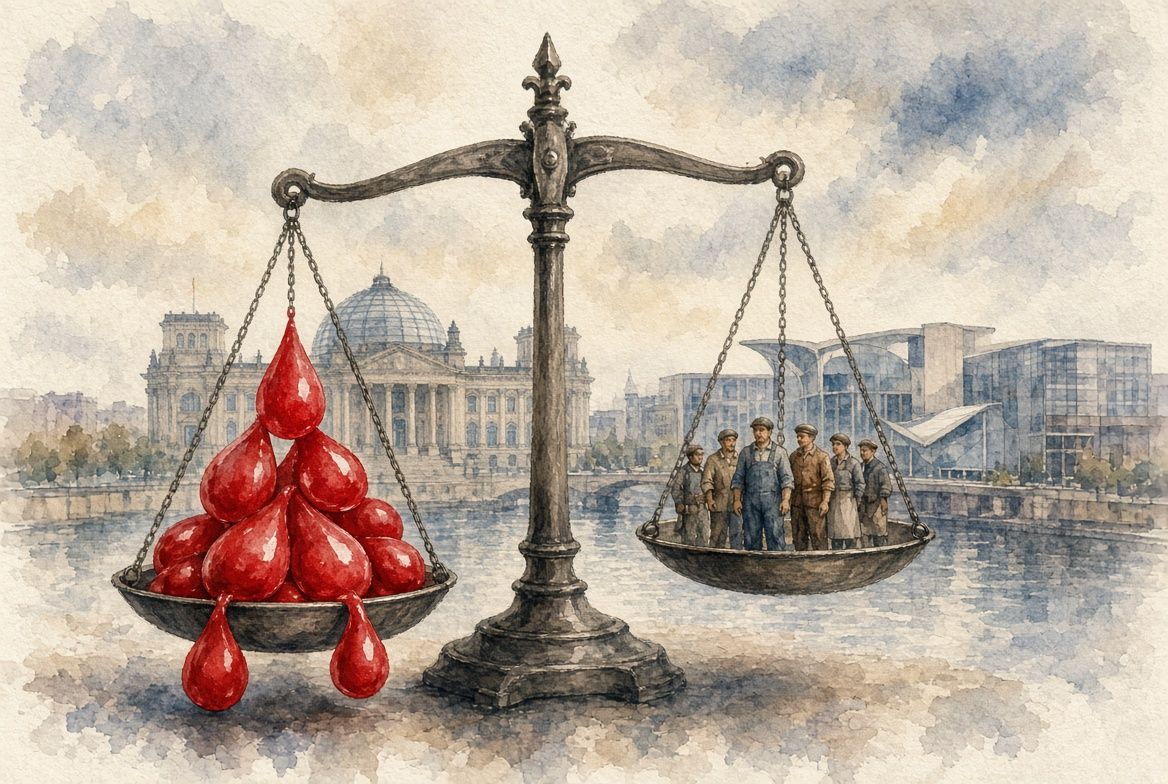
Dennis Riehle wrote that the reference to a necessary mourning period for Bärbel Bas had initially been understandable, mentioning September 27 and 30 and October 4 for this. Meanwhile, 17 days have passed since the death of Daniela Ambrosius. Riehle referred to Ambrosius as Bas' stepdaughter and pointed out the age difference of about five years, which he argued makes the classification of the relationship between parent and "child" questionable. Riehle criticized that personal grief is used in Berlin as a shield against criticism. According to him, employees usually only have a grace period of 48 to 72 hours after a death in the closest circle and must then take vacation, reduce overtime, or get a sick note. Three weeks of absence with ongoing salary and protection from opposition are unimaginable for ordinary citizens. Criticism of this difference does not relativize the loss but points out different standards, he wrote. Furthermore, Riehle accused the SPD of placing more importance on the consideration of its own members than on political tasks. He referred to low polling numbers and claimed that SPD-led departments had primarily blocked issues, while questions regarding an eight-hour workday, protection against dismissal, basic security, and pensions remained open. Schwesig and Klingbeil responded with admonitions instead of taking responsibility. Riehle also criticized the outgoing SPD chair for giving the coalition partner an unnecessary dressing down instead of handing over her official duties in an orderly manner. He described using sensitivity as an argument against criticism and tears to deflect criticism of poor performance as weak and despicable. #Politik #Gesellschaft #Trauer (translated)