BETA nonprofit public democratic european moderated

Search

#Massacres

Olivier Benkemoun wrote at 6:29 AM from the site of the Nova Festival, in Reims, three years after the events. He mentioned a still inconsolable sorrow after the massacre of young people by terrorists, stating that they only wanted to dance for peace. https://t.co/oOtjYvjKk7 #NovaFestival #Rémi #Paix (translated)

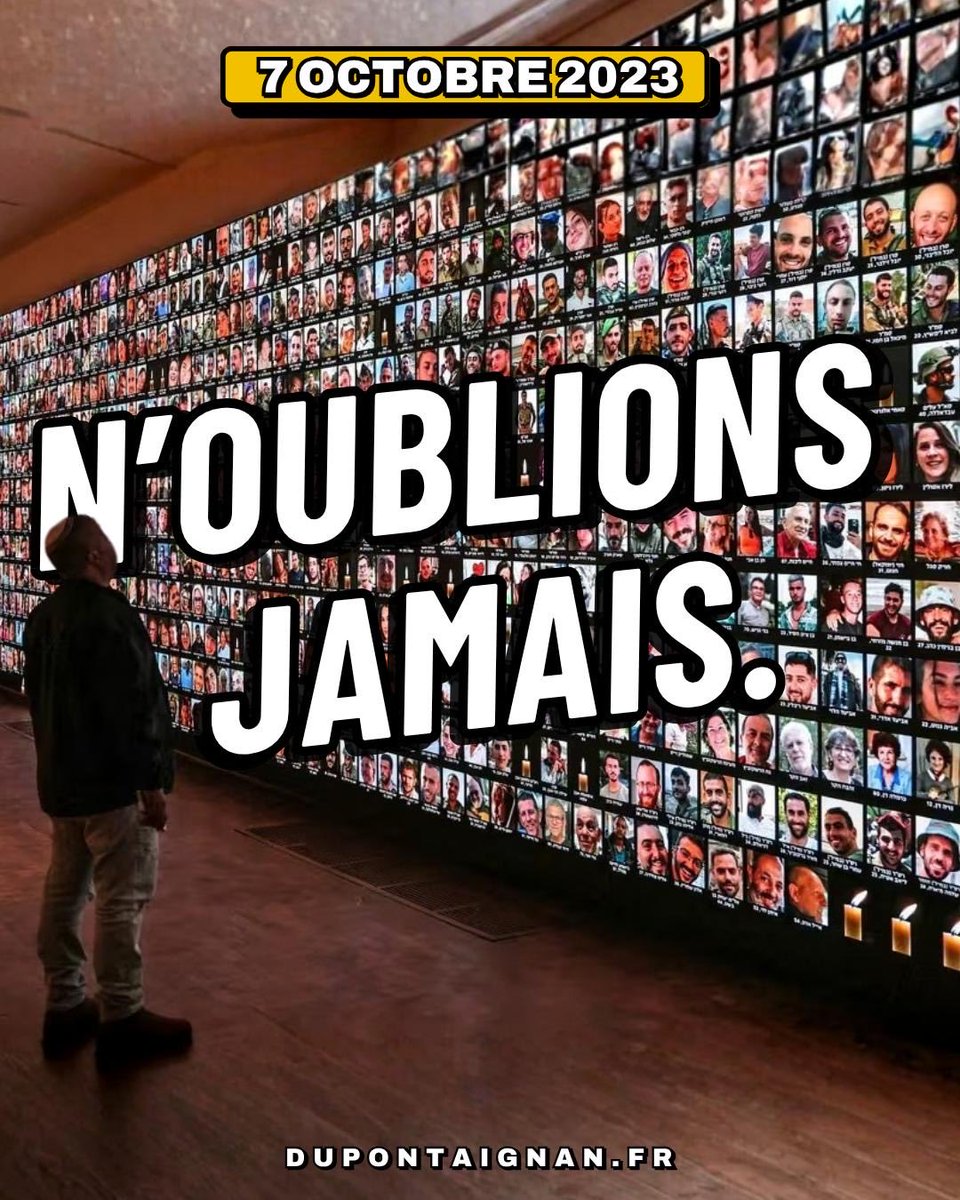
Three years after the massacres of October 7, the author said he keeps in memory the victims, their families, and all the people whose lives were disrupted that day. He sent them a heartfelt thought. https://t.co/Y7JI295Gnr #Mémoire #Solidarité #Victimes #IL (translated)

The author wrote that the images of the massacres perpetrated by Hamas in Israel on October 7, 2023, had evoked horror. He stated that men, women, and children had been killed because they were Jewish, and that these scenes had not been forgotten. #Israël #Hamas #Mémoire #IL (translated)

Antoine Léaument mentioned a mobilization for Congo in Paris and expressed his solidarity in the face of looting, massacres, rapes, and population displacements. He called to put an end to predatory capitalism, the plundering of raw materials, and the accompanying violence. https://t.co/DzS3Zp8HyO #Congo #Solidarité #DroitsHumains (translated)

L'Obs 6d

In an article, Raphaël Glucksmann addresses the debate over the use of the term "genocide" to describe the massacres in Gaza, arguing that action is more important than terminology, despite the pressure from his political competitors. #Génocide #Gaza #RaphaëlGlucksmann (translated)

Des Ouïgours à Gaza, Raphaël Glucksmann face au dilemme du mot « génocide »

They want to erase his name. https://t.co/jpnLFEZZrW #Histoire #Résistance #Mémoire #FR #CI (translated)

B

“fazer esquecer os seus massacres, a catástrofe humanitária em Gaza e os processos iniciados com base no direito internacional”Os ataques de Netanyahu não podem “fazer esquecer os seus massacres, a catástrofe humanitária em Gaza e os processos iniciados com base no direito internacional”, declarou o diretor de comunicação do Governo de Ancara, Burhanettin Duran, em comentários divulgados pela agência de notícias oficial turca Anadolu. #MédioOriente #Turquia #Israel

Turquia: ataques de Netanyahu contra Erdogan são infundados
observador.pt

A Turquia rejeitou as acusações do primeiro-ministro israelita, Benjamin Netanyahu, contra o presidente Recep Tayyip Erdogan, afirmando que tais declarações são infundadas e não podem desviar a atenção dos massacres e da crise humanitária em Gaza. #MédioOriente #Turquia #Israel

Turquia: ataques de Netanyahu contra Erdogan são infundados

@Brevesdepresse J’en ai par ailleurs ras le cul qu’ils accusent netanyahu seul (ou trump dans d’autres contextes) qui ferait tous les massacres avec ses petits bras alors qu’il a toute une société extrémiste qui participe dans le genocide avec lui. #Génocide #Extrémisme #Politique

⚡️🇮🇱|🇵🇸INFO - Dans le documentaire #NAZA, 24 officiers ou agents des renseignements israéliens racontent leur participation aux opérations menées dans la bande de #Gaza, que certains d’entre eux qualifient de « #génocide ». Un responsable militaire évoque « des tueries de masse à une échelle industrielle ». À travers leurs témoignages, le film décrit l’utilisation par #Tsahal d’outils technologiques dopés à l’#IA pour tuer des #civils de façon calculée et systématique. Un militaire affirme que jusqu’à 500 personnes ont été tuées dans des frappes visant une seule personne. Un autre explique avoir eu le sentiment d’être dans un jeu vidéo et reconnaît y avoir pris du plaisir. Les témoins décrivent également des #massacres dans des zones interdites définies par #Israël, notamment à proximité de centres de distribution d’aide humanitaire. Des snipers y abattaient des #Gazaouis affamés tentant d’obtenir de la nourriture. De nombreux agents interrogés comparent la déshumanisation dont ils ont été témoins à celle de la #Shoah. Réalisé par les Israéliens Yuval #Abraham et Rachel #Szor, et produit notamment par The Guardian, NAZA s’appuie sur des enquêtes publiées par le média israélo-palestinien +972 Magazine et le quotidien britannique. Ces témoignages s’inscrivent dans un contexte où plus de 73 000 Palestiniens ont été tués dans la bande de Gaza depuis 2023. Selon certaines estimations, le bilan réel serait bien plus élevé, alors que les massacres de civils se poursuivent. Présenté à la Mostra de Venise, le documentaire a reçu une ovation de 25 minutes, un record pour le festival. À ce jour, aucune date officielle de sortie en salles en France n’a été annoncée… #Gaza #Israël #documentaire

L
Le Soir 4w

Le documentaire « Naza » de Yuval Abraham et Rachel Szor présente, à travers des témoignages d'agents israéliens, les méthodes des frappes à Gaza, tout en rappelant l'actualité des massacres qui continuent d'y avoir lieu. #Naza #Gaza #Documentaire

« Naza », le documentaire édifiant sur les méthodes israéliennes à Gaza

La Cour de cassation a confirmé le non-lieu en faveur de militaires français accusés de complicité de génocide lors des massacres de Tutsis à Bisesero en 1994, estimant qu'ils n'avaient pas d'intention criminelle et qu'ils agissaient sous l'autorité de leur hiérarchie. #Rwanda #Génocide #Justice

Génocide au Rwanda : la Cour de cassation confirme le non-lieu en faveur de militaires français lors des massacres de Bisesero
Cerfia Sep 4

🇫🇷🔥 FLASH | « Cela a un côté Oradour-sur-Glane. » En déplacement au Porge, ravagé par les incendies en Gironde, Olivier Faure a comparé les maisons entièrement brûlées cet été aux images du village martyr où 643 Français ont été massacrés par une division SS en 1944. https://t.co/ABxmVh3JcH #Incendies #Gironde #Mémoire

Nous sommes en plein renversement orwellien. Défendre le pluralisme, c’est être néonazi. Promouvoir la paix, c’est être va-t-en-guerre. Dénoncer les massacres, c’est être terroriste. Se battre pour la souveraineté de la France, c’est être manipulé par une puissance étrangère. Mettre en exergue les faits, c’est être conspirationniste. Lutter contre la GPA, c’est être homophobe. Dénoncer la pédocriminalité, c’est être complotiste. Défendre la famille, c’est être pétainiste. La connerie a tout envahi. Les mots puent. Pas seulement la merde. Mais la mort. #Liberté #Pluralisme #Société

Eric Naulleau Aug 27

Sur ordre de Ratko Mladic, furent massacrés par la soldatesque serbe 7000 civils de Srebrenica pour la seule raison qu’ils étaient musulmans. N’oublions jamais. #Mladic #Srebrenica https://t.co/acg0eSJo1f #Mladic #Srebrenica #NeverForget #RS #BA

The MOST IMMORAL ARMY strikes again.And again. And again. In the West Bank, soldiers and settlers cut water pipes, while Qusra's siege continues. In Gaza the pulverization continues and so the massacres.Since the ceasefire Israel has killed 1,200+ people, including 300 children. #Gaza #WestBank #Ceasefire #IL #PS

L’œil était sous les bombes et regardait Caïn Il y avait un enfant. Assis dans un café du quartier des pêcheurs, à Gaza. Un café ordinaire, dans un port qui n’est plus un port mais un camp de déplacés, un lieu où l’on boit encore du thé parce qu’il faut bien continuer à faire quelque chose qui ressemble un peu à la vie. Il avait un regard qui ne savait pas encore qu’il allait s’éteindre. Un regard d’enfant. Et l’armée israélienne a décidé que cet endroit était une « action ciblée contre le Hamas ». On nous dira, comme toujours, que c’était précis. Que les commandants étaient là. « Que l’on a fait attention ». On nous dira ces phrases lisses, rodées, qui ne coûtent rien à ceux qui les prononcent depuis des bureaux climatisés ou des plateaux de télévision. On ne nous dira pas le poids d’un corps d’enfant qui n’avait aucune arme, aucune responsabilité, aucune voix dans les calculs stratégiques. On ne nous dira pas le bruit que fait un missile quand il tombe sur un café où des gens essayaient encore de croire qu’ils existaient. Depuis octobre 2023, et même bien avant, et même après les cessez-le-feu qui n’en sont jamais, des enfants meurent à Gaza comme on écrase des insectes sous une botte. Pas par accident isolé. Pas par erreur rare. Mais dans une logique qui a fait de la mort civile une variable acceptée, presque une constante. Et chaque fois, la même justification revient, comme un leitmotiv : « c’était contre le Hamas ». Comme si le mot « Hamas » avait le pouvoir magique d’effacer un visage d’enfant et de transformer un crime en opération nécessaire. Et la France ? La France regarde. Ou plutôt, elle détourne les yeux avec élégance. Elle parle de « droit à se défendre », de « complexité », de « contexte ». Elle envoie parfois des communiqués qui se veulent mesurés, des appels à la retenue qui sonnent comme des formules de politesse. Elle encourage ses médias soumis à reprendre les communiqués de l’armée israélienne, pendant que ses éditorialistes stipendiés, une fois rentrés de vacances, expliquent doctement qu’il faut bien que quelqu’un fasse le sale boulot pour préserver « notre civilisation ». Comme si la civilisation se construisait sur les corps d’enfants. Comme si le silence des puissants n’était pas déjà une forme de complicité. Il y a quelque chose de profondément obscène dans cette indifférence cultivée. Dans cette capacité à s’indigner sélectivement, à verser des larmes pour certains morts et à classer les autres dans la catégorie des « dommages collatéraux ». Et pendant ce temps, les mêmes journalistes qui nous bassinent jour après jour avec les « ingérences russes » que nul ne voit jamais, qui traquent chaque like suspect et chaque influence imaginaire, et qui détournent le regard devant les massacres réels, documentés, filmés, comptés. Ils hurlent à la manipulation quand il s’agit de Moscou, mais se taisent ou relativisent quand des enfants sont exterminés sous les bombes d’un « allié ». Leur vigilance est à géométrie variable. Leur indignation, un luxe de putain. Ils nous vendent la peur fantasmée de l’étranger pendant que, sous leurs yeux, une génération est effacée. Ce n’est pas de l’aveuglement. C’est un choix. Chaque enfant tué ouvre une brèche dans le réel, une chambre vide où la lumière n’entre plus. Et ceux qui acceptent ces morts, ceux qui les justifient, ceux qui les taisent, portent en eux cette chambre. Ils marchent avec. Ils dorment avec. Ils parlent de civilisation avec, sans même s’en apercevoir. Un jour, j’écrirai avec plus de recul l’histoire de cette époque. Je dirai que des hommes et des femmes savaient. Que les images étaient là. Que les témoignages étaient là. Et que pourtant, on a continué. On a continué à parler de « droit à se défendre » pendant que des enfants s’asseyaient dans des cafés en souriant et ne se relevaient plus. Ce silence n’est pas neutre. Ce soutien n’est pas anodin. Cette indifférence médiatique n’est pas une erreur. C’est une tache. Et elle ne s’effacera jamais. #Gaza #Enfants #Indifférence

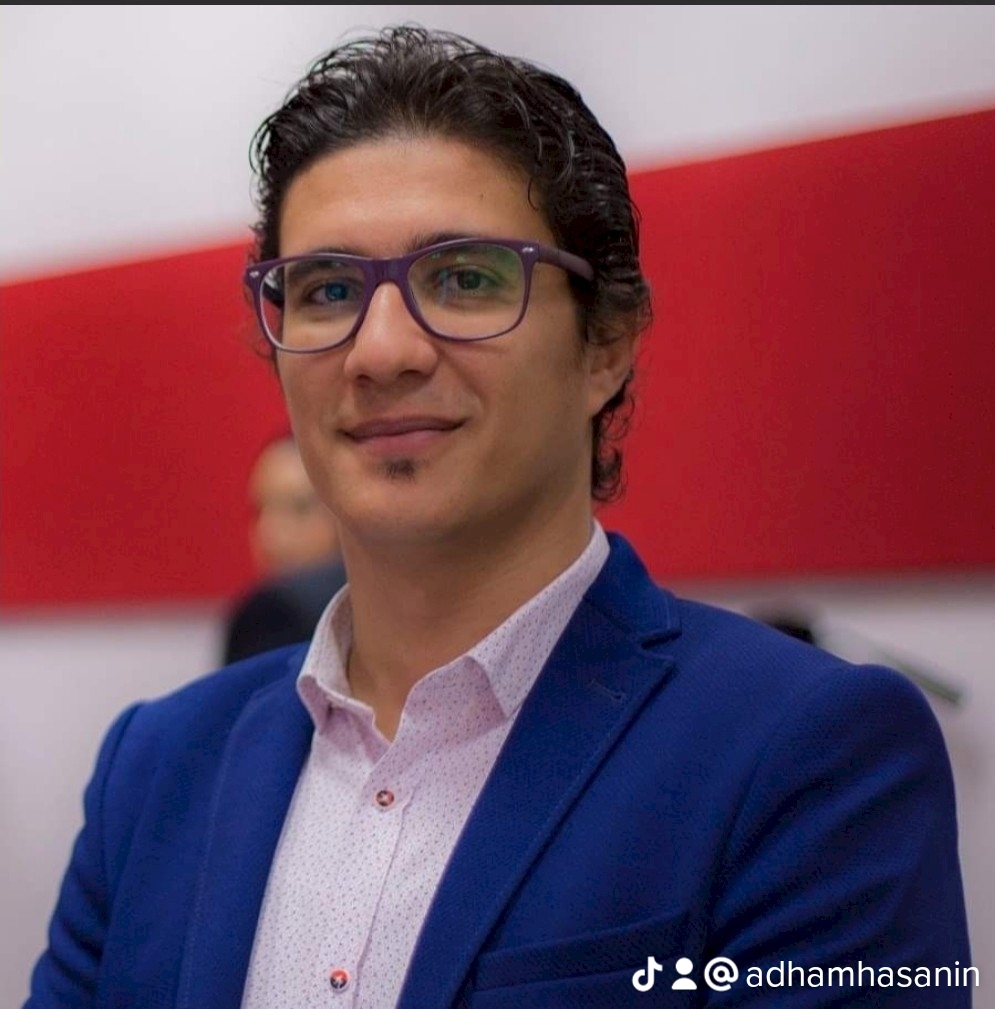
Adham Hasanin Aug 18

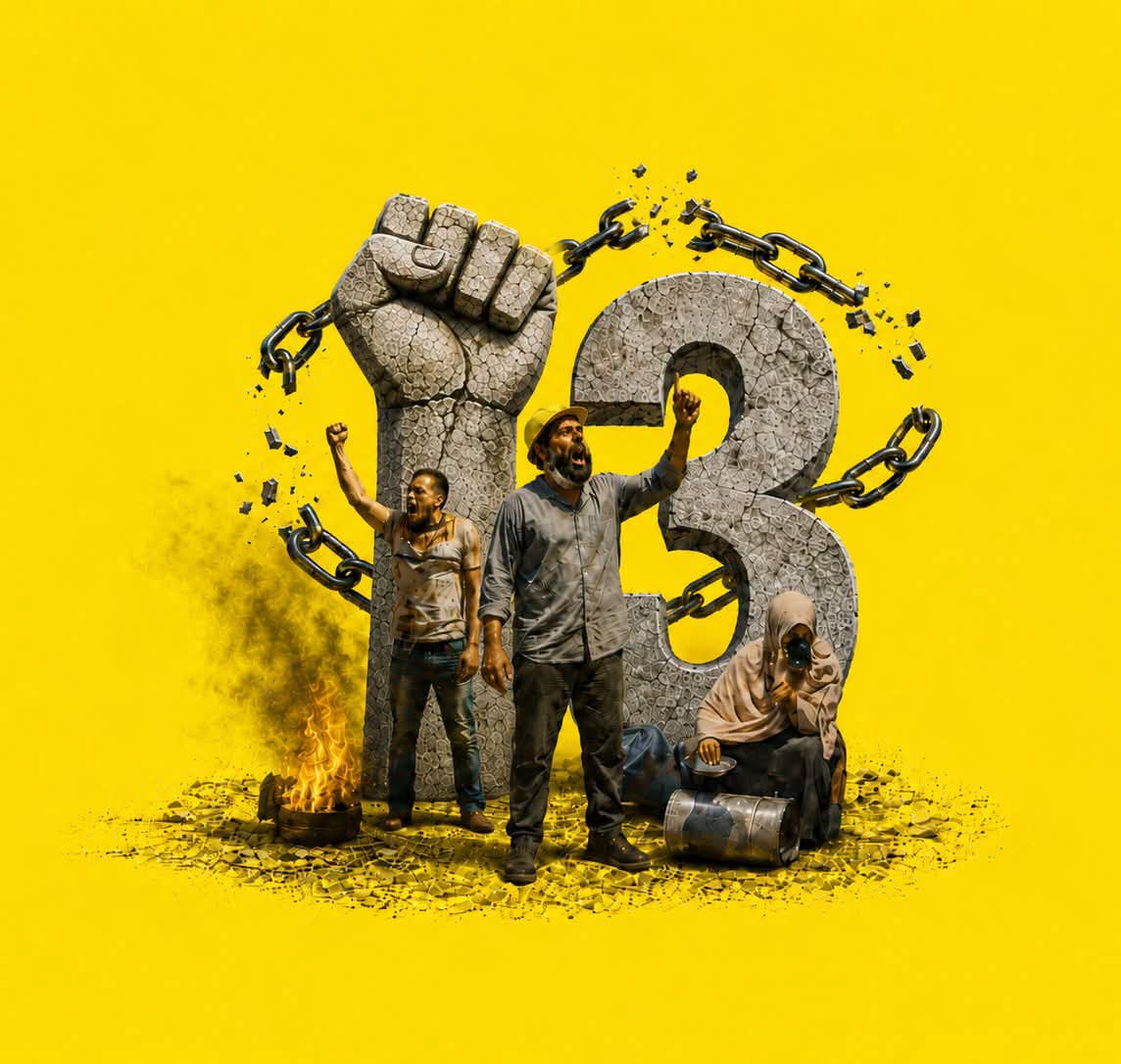
Rabaa: The Hour the World’s Conscience Stood Still On the anniversary of one of the largest single-day killings of protesters in modern history, one question remains unanswered: who will be held accountable? By Adham Hasanin Egyptian journalist and political writer, based in the Netherlands On 14 August, the anniversary returns of a day unlike any other in modern Egyptian history. Not simply because it was the bloodiest Egypt has known wars and massacres before and since ,but because it was the day a state chose to open fire on its own people in broad daylight, in front of the world’s cameras, and then let thirteen years pass without a single officer ever being held accountable. This article will not be a cold recitation of statistics, though the statistics exist, are documented, and are horrifying. It is an attempt to understand something deeper: how a square in the heart of Cairo, filled with tents, children, and worshippers, became the site of the largest mass killing the Arab world has witnessed in the past decade and why the echo of that day still reverberates in every Egyptian prison cell today. I. A Morning That Began Like Any Other For readers unfamiliar with the background: in July 2013, the Egyptian military, led by then-General Abdel Fattah el-Sisi, removed Mohamed Morsy Egypt’s first freely elected civilian president, a member of the Muslim Brotherhood who had taken office in 2012 following the 2011 uprising against Hosni Mubarak. In response, tens of thousands of Morsy’s supporters staged an open-ended sit-in demanding his reinstatement. By 14 August 2013, more than twenty thousand people had spent weeks camped out at two Cairo squares, Rab’a al-Adawiya and al-Nahda, in a peaceful sit-in. They were not an army, nor a uniform bloc; they were entire families men, women, and children, some affiliated with the Muslim Brotherhood, many simply ordinary citizens who saw the restoration of elected legitimacy as a cause worth the risk. There were tents for sleeping, communal kitchens feeding the demonstrators, speaking platforms, and a small field clinic that no one imagined would, within hours, become one of the most terrifying places in modern Egyptian history. In the early hours of that morning, Central Security Forces and army units, under the command of then-General Sisi, began what was officially described as a "dispersal" operation targeting both sit-ins simultaneously. It was not a dispersal in any ordinary sense of the word. According to a year-long investigation by Human Rights Watch, it was a pre-planned operation that anticipated, from the outset, thousands of deaths. II. The Numbers the Regime Refuses to Speak The Egyptian government, to this day, cites a death toll of "over 600" for that single day a figure that, even at its official lowest, is horrifying enough to warrant an independent international investigation. But the field investigation conducted by Human Rights Watch, drawing on field hospital records, survivor testimony, and analysis of video footage from dozens of angles, arrived at a far more disturbing figure: at least 817 people killed at Rab’a Square alone, with the true toll likely exceeding 1,000, plus another 87 killed at the nearby al-Nahda Square. When the deaths from the weeks surrounding 14 August are added from the dispersal of the Republican Guard sit-in on 8 July, through the Mansoura Street killings, to the dispersal of an October 6 march the combined total reaches at least 1,150 deaths in just six weeks, according to Human Rights Watch’s meticulous documentation. This figure led the organisation to use a term not deployed lightly in international law: crimes against humanity. Human Rights Watch described the Rab’a killings as "one of the world’s largest killings of demonstrators in a single day in recent history." Not in Egyptian history alone in modern history as a whole. What happened at Rab’a is cited in international reporting alongside China’s 1989 Tiananmen Square massacre. This is the true scale of what the Egyptian state has spent thirteen years trying to minimise, justify, and reduce to a mere "security incident" in a news bulletin. III. "All According to Plan" When Mass Killing Becomes Administration, Not Chaos The title Human Rights Watch chose for its detailed report on the massacre deserves lingering on: "All According to Plan." This is not an emotive headline; it is a precise legal conclusion built on field evidence. According to the investigation, what happened at Rab’a was not a dispersal operation that spiralled out of control amid chaos or panic, as the regime later tried to portray it. It was a carefully planned operation that assumed, in advance, massive casualties. Then-Interior Minister Mohamed Ibrahim admitted, in a televised interview broadcast on 31 August 2013 just weeks after the massacre that his ministry had anticipated losses of "10 percent of the people" present at the sit-in, acknowledging that the number of demonstrators exceeded twenty thousand. By simple arithmetic, this is an official admission that the state anticipated, in advance, the deaths of roughly two thousand people and proceeded with the operation regardless. This is the true horror at the heart of the Rab’a story: it was not a security operation that spun out of control, but a conscious administrative decision, made in an air-conditioned room, with advance calculations, by men who knew precisely how many human beings would die under their fire and who proceeded anyway, or perhaps because of it. According to Human Rights Watch’s analysis, the objective was to send an unambiguous message: whoever challenges the new state will pay an irreversible price. IV. Snipers, Women, and Children The Faces the Reports Do Not Tell Behind every number in the Human Rights Watch reports lies a full human story, deliberately omitted from the state’s official narrative. The investigation documented how security forces opened fire from multiple angles, and how snipers positioned themselves atop buildings surrounding the square, targeting according to survivor testimony and analysed video footage any movement in the square, regardless of whether it was an armed combatant or a nurse trying to reach a wounded person. According to documented testimony, entire families had their tents burn over their heads as fire swept through the sit-in. Doctors and paramedics were killed while trying to pull the wounded from the line of fire. Most damningly of all, the documentation shows deliberate targeting of ambulances and field medical points meaning that wounded people who survived the first bullet then faced death by bleeding out, because anyone attempting to save them was themselves a target. This detail the targeting of medics is what elevates the event from "excessive violent repression" to what human rights organisations have described as a systematic crime. When security forces target those trying to save the wounded, they are not merely dispersing a sit-in; they are preventing witnesses from surviving to tell what happened. V. Thirteen Years of Total Impunity The most painful part of the Rab’a story is not only what happened that day, but what has not happened in the years since. From 14 August 2013 to today, not a single officer, of any rank, has been held accountable for the deaths of hundreds, or thousands, of Egyptians. Quite the opposite: the state has moved to entrench impunity through the force of law itself. Egypt issued legislation granting senior military officers immunity from questioning over any violations that may have occurred following Morsy’s removal a law specifically designed to close the door on any future judicial accountability, regardless of how political circumstances might change. Even the fact-finding committee established by then-interim President Adly Mansour to investigate the June and July events concluded, in its report issued more than a year after the events, that the sit-in’s leaders bore responsibility for the deaths, on the grounds that they had allowed weapons into the square even as the same report admitted, in a glaring contradiction, that security forces had failed to target only armed individuals, meaning they had fired indiscriminately on everyone: armed and unarmed, man and woman, adult and child. This is the pattern that has repeated for over a decade: as each anniversary approaches, official statements re-narrate the events and shift blame onto the victims, while the actual perpetrators — those who planned the operation, gave the orders, and pulled the trigger — remain free. Some now occupy the highest offices of the state. VI. Why This Anniversary, Why Now? A reader might ask: why revisit this story after all these years? Has the world not moved on to newer crises? The answer lies in the very nature of impunity. When a state is never held accountable for the largest massacre of protesters in its modern history, it does not simply "forget" the crime it sets a precedent, telling every future ruler and every future security apparatus: mass killing is possible, politically profitable, and free of cost. This poisonous lesson does not remain confined within Egyptian borders; its echo reaches every Arab capital contemplating how to handle its own opposition. More dangerously, this system of impunity did not stop at Rab’a’s edges; it is the foundation on which Egypt’s entire subsequent decade of repression was built: thousands of political prisoners, grossly unfair mass trials that produced death sentences for dozens of defendants in cases linked directly to the Rab’a events themselves, laws criminalising peaceful protest, a muzzled press, and a civil society hollowed of substance. All of it traces back to the morning of 14 August 2013, when the state learned that overwhelming force succeeds, and that the world will condemn for a few days, then move on. VII. Delayed Justice Is Not Forgotten Justice Despite more than a decade of official silence and impunity, the Rab’a case remains alive in international legal memory. Human rights organisations, from Human Rights Watch to Amnesty International, continue to renew their annual calls for an independent international investigation, grounded in the legal principle that crimes against humanity are not subject to statutes of limitation: delayed justice is not forgotten justice. The victims who fell in that square were not numbers in a statistical report. They were fathers who left behind children too young, that day, to understand why their father would never return. They were mothers who, thirteen years later, are still searching for a clearly marked grave to which they can carry flowers, and young people who had decades of life ahead of them that they never got to live. Their memory does not fade with time; it grows with their children, who carry with them the same question their parents asked before they were killed: when will justice come? Conclusion: What Does This Anniversary Demand of Us? Every year, as the anniversary of 14 August returns, the same question resurfaces one the Egyptian state refuses to answer: who gave the order? Who planned the operation? Who decided that twenty thousand human beings deserved to be shot with live ammunition because they staged a peaceful sit-in? This anniversary is not a call for vengeance, nor an invocation of the past for its own sake. It is a reminder that justice, however delayed, remains a debt still owed. And that every instance of international silence over a massacre of this scale opens the door to the next one, elsewhere, under a different pretext, carrying the same lethal conviction: that the world will condemn for a week, then forget. We will not forget. And we will not stop asking the question that unsettles everyone who took part in that crime, regardless of the office they hold today: where is the accountability? Rab’a is no longer merely the name of a square in Cairo. In the conscience of everyone who believes in justice, it has become a test of the world’s conscience itself a test the world has not yet passed.

Honte au Monde . Honte à Libé , Honte à l’odieux visuel public pour leur obsesSion pathologique et leur mépris pour les 500 000 chrétiens du Nigeria massacrés sans un mot en 2025 . #HonteAuMonde #ChrétiensDuNigeria #Libération #NG

End Religion Aug 8

Religion is a disease. It corrupts, infects the minds of the children. Then that children will grow up, have kids, and infect their minds as well. Spreads like a virus. As long as religion exists, there will always be a witch to burn, we will never archive peace. Religion is based of predatory, incest, mutilation, massacres and the list goes on and on. Religions is the most common method to make good people do the most atrocious acts.. Some people can always see trough the book of lies...but simple minds will always be sheep's. The fear of death, the fear they will not live forever, in the imaginary heaven. How ridiculous it is that. Like children waiting for the present of santa. Religion soften the minds, make sheeps, slaves. Indoctrination, delusion, fanaticism, blind fate. Fate is a word created by church in the 1300. Even that word was created to put the followers in line. You dont need fate, just time. To read, to learn. Ask question, open your eyes, have some empathy, some self choice, and star to think for yourself.