WRLD

Search

#vaatimus
Mika Aaltola 2d
Finnish political scientist (born 1969)

The author found it quite plausible that Russia had presented its extensive list of demands as an unofficial background document, which he considered to be conventional negotiation practice. He noted that the exact content of the document and whether Moscow had circulated several different background memos were still unclear. #Venäjä #neuvottelut #politiikka #FI #RU (translated)
2808
Pia Kauma 3d
Finnish politician

The author reminded that Finland joined NATO after Russia had attacked Ukraine, and not the other way around. He called the demand for Finland to withdraw from NATO absurd and said that those making the demand knew it themselves. According to him, the demand and other points on the list showed that Russia wanted to continue the war and that peace was not close. https://t.co/qGaUPQaIWJ #Suomi #Nato #Ukraina #FI #RU #UA (translated)

3350
Antti Kurvinen 4d
Finnish politician

The chairman of the parliamentary group, Antti Kurvinen (centrist), supported the demand with a threat. #Keskusta #Terveys #Vanhuspalvelut (translated)

2916
mtvuutiset.fi 1w

Solar Films has to return over 300,000 euros in subsidies as the production costs of the Vares 2.0 series fell short of the funding criteria requirements, which annoys film producer Markus Selin, who criticizes the strictness of the subsidy criteria for domestic drama production. #SolarFilms #Elokuvatuotanto #Rahoitus (translated)

www.mtvuutiset.fi
Solar Films joutuu palauttamaan yli 300 000 euroa tukia – nyt kommentoi Markus Selin
2620
Pekka Toveri 1w
Finnish politician and major general (born 1961)

The author shared a link to an article that, according to its title, features the feared commander of Ukraine's drone forces giving advice to Finland in an interview with IS and commenting on Sanna Marin's controversial demand. https://t.co/VSoIdNK8Pr #Ukraina #SannaMarin #droonit #FI #UA (translated)

2963
Veikko Vallin 2w
Finnish politician

According to the author, Polish Member of Parliament Bosak demanded the resignation of the Tusk government due to an attempted coup in Poland. The author stated that Bosak presented five demands, the first of which was the withdrawal of police forces from the Constitutional Court. #Puola #politiikka #vallankaappaus #PL (translated)

3444
Henri Vanhanen 4w

Henri Vanhanen wrote that the discussions held in St. Petersburg once again demonstrated, in his opinion, the difficulty of negotiating with Russia. He reported that the Kremlin considered the proposals prepared in Oslo to be almost useless but simultaneously stated its willingness to continue negotiations and spoke about the approaching end of the war. Vanhanen described this as contradictory and believed Russia was holding its demands steady without revealing what it would be willing to compromise on. According to Vanhanen, Moscow sought to shift the discussion to the post-war European security order and the security guarantees that would be given to Russia. He regarded the guarantees as absurd because, according to him, Russia had started the largest offensive war in Europe in decades. Referring to previous Russian demands, he assessed that the guarantees could practically grant Moscow influence over which countries would join NATO and what kind of defense arrangements neighboring countries could make. He added that the U.S. President could not promise such things on behalf of other NATO countries or independent European states. Vanhanen argued that European security should not be built by giving an aggressor the right to dictate the defense of other countries. In his view, mutual arms control and the reduction of military risks could be negotiated, but Russia's demands for a sphere of influence should not be presented as security guarantees. He reported that Zelensky had announced Ukraine was ready to freeze the war at the current front lines. Vanhanen considered this a significant practical compromise and clarified that it did not, in his opinion, involve a legal cession of territories to Russia. He compared this to Russia's stance and wrote that Ukraine had indicated what it would accept, while Russia had stated what it would not accept. Vanhanen described the situation as revealing regarding Trump's negotiation tactics. He wrote that the United States had already loosened the pressure of sanctions on Russia and had agreed to diesel cooperation, but he assessed that there were no signs of similar political concessions from Moscow. According to him, the continuation of negotiations could benefit Russia by keeping Washington interested in economic cooperation, giving time to advance military objectives, and providing an opportunity to wait and see if Trump's impatience would again be directed toward Ukraine. Vanhanen asked how many times Trump would be willing to reward Putin for his willingness to negotiate without substantial changes in his actions. He considered the diplomatic work of Stub and Støre the previous day to be important because, in his opinion, they had restored the Americans, Ukrainians, and Europeans to a common preparation. However, he warned that a single successful negotiation day should not obscure the fact that Moscow's public demands remained unchanged. Vanhanen concluded by stating that in peace negotiations, what mattered was not the number of meetings with Putin but what he was willing to do to end the war. #Venäjä #neuvottelut #rauha (translated)

3715
Henri Vanhanen 4w

Henri Vanhanen wrote that it was difficult to say whether Germany's Alice Weidel and France's Marine Le Pen were imitators of Donald Trump or sympathizers of Vladimir Putin, and according to him, the difference may not necessarily have mattered for the outcome. He mentioned that Weidel had declared the war in Ukraine a defeat and demanded an end to Germany's support, while Le Pen wanted to limit France's financial support to Ukraine. According to Vanhanen, politicians aiming for power in Europe's large countries had a short-sighted attitude towards Russia, European history, and security. He warned Finland not to assume that the rest of Europe would inevitably follow the same path as Finland. He did not consider the AfD's entry into the German federal government in the coming years to be likely but assessed that the strengthening of political forces like the party would pose serious security policy problems. Vanhanen also wrote that the Kremlin was monitoring Europe's electoral calendars. According to him, Putin would have no reason to rush negotiations if he believed that Ukraine's supporters would be replaced by leaders who were less sympathetic to Ukraine. Vanhanen noted that Europe's center-right parties had not responded in a timely manner to citizens' immigration concerns, which had allowed room for radical alternatives. He viewed the problem not as a demand for stricter immigration policies, but in that these movements were also bringing to power forces that represented admiration for authoritarianism, opposition to Ukraine, and sympathy for Russia. He assessed that decisions about Europe's security would be made both on the battlefields of Ukraine and in European elections, emphasizing that this should also be understood in Finland. https://t.co/3s94O0WUiT #Eurooppa #Politiikka #Turvallisuus (translated)

3376
mtvuutiset.fi 4w

Donald Trump denies that he or Elon Musk are responsible for the disruptions to Ukraine's satellite communications that occurred after the demands from the United States. #Trump #UkrainanSota #ElonMusk (translated)

www.mtvuutiset.fi
Trump: En ole Ukrainan satelliittihäiriöiden takana, eikä myöskään Musk
2911
Henri Vanhanen Oct 15

Henri Vanhanen wrote that he understands Volodymyr Zelensky's frustration with Donald Trump but criticized Europe for not intervening more actively in the negotiations. Vanhanen stated that Ukraine accepted a ceasefire proposed by the United States in the spring of 2025, which Vladimir Putin rejected. According to him, Trump threatened Russia with consequences, invited Putin to Alaska, and continued to seek a deal. Ultimately, according to Vanhanen, Russia's terms for peace were shaped to be acceptable to the Americans, after which Ukraine and European countries had to amend them. Vanhanen compared Putin's negotiation style to the Soviet style, which he associated with Foreign Minister Andrei Gromyko: first, a lot is demanded, concessions are rejected, and it is expected that the opposing party will offer more. He assessed that Trump needed a visible agreement more than Putin, which is why, in his opinion, Russia could wait for new initiatives from the United States. Vanhanen criticized Trump for letting Russia's demands influence what Ukraine was pressured to concede. He questioned why Europe had not presented a joint peace proposal with Ukraine or jointly decided how to respond to Russia's next refusal. Vanhanen noted that the United States' influence is undeniable and its participation is necessary, but he believed that Trump should not be given exclusive rights to define the direction of the negotiations. In his opinion, Europe did not need to be ashamed of Trump's lack of historical knowledge or understanding of Russia's negotiating tactics, but Europe's passivity was still harder to defend. https://t.co/qs68FaMyfW #Ukraina #Eurooppa #Trump (translated)

3613
Henri Vanhanen Oct 12

Henri Vanhanen thanked Charles Lindbergh for addressing military issues based on facts. He assessed that Sanna Marin's demand to shoot down every Russian plane violating NATO airspace did not hold up under closer scrutiny, even though it sounded resolute. Vanhanen wrote that Russia's repeated violations of airspace should not be underestimated, but shooting down an armed fighter during peacetime would be a different scale of solution than intercepting a drone that has invaded airspace. According to him, it would be essential to assess whether it was a short violation or a deep incursion into Finnish territory that disregarded warnings and posed a real military threat. Vanhanen warned that shooting down a fighter could lead to the deaths of Russian soldiers and trigger a chain of events whose consequences Finland would not decide alone. He also viewed that Russia aimed to provoke and test the West's reactions, and it should not be allowed to dictate the timing or conditions for an escalation in the military situation. According to him, credible defense required both the readiness to use force and discretion in its application. https://t.co/uT4UMwcIib #turvallisuuspolitiikka #Venäjä #Nato (translated)

3617
Otto Juote Oct 12

Otto Juote wrote that the citizenship test assesses whether an applicant for citizenship other than Finnish has sufficient knowledge and skills to obtain citizenship if other conditions are met. He suggested that anyone could perhaps become a Kurd, but Finns are a people, and a passport or language skills alone do not make a person Finnish. #kansalaisuus #Suomi #monikulttuurisuus (translated)

3034
Peltsi Peltola Oct 1

The demand from the red is that others do more. It always warms the heart and makes one wake up even earlier to pay more taxes, so they can be distributed to even bigger sectors of the welfare state. Those kinds of statements are quite frustrating. #verotus #suomi #politiikka (translated)

11959
Petteri Vaara Oct 1

This is no longer just a political blunder, but probably the most humiliating national failure in the history of Finland's industry. This analysis reveals black on white how totally and blindly the Finnish state leadership has sold the interests of its own citizens in front of the marketing department of Silicon Valley. Let's break down this "sleight of hand" into three devastating facts that make the government's actions completely inexcusable. First of all, despite all the prime minister-level hype, promises, and the liturgy of the green transition, the outcome is harsh. As a result of Google's massive investments, no new electricity production is being built in Finland—zero megawatts. The company's marketing department worded it so cleverly that the government, desperately thirsty for economic growth, swallowed the bait completely baffled. The leadership was smilingly taken in front of cameras as a guarantor for a project that will not bring a single new watt to the Finnish grid. The second issue is the hijacking of national base power. This is the real, chilling bomb of the news. Since no new electricity will come, where will these massive data centers draw their power? The answer: from our nuclear power. The analysis reveals that as much as 500 megawatts of Finland's nuclear power capacity is dedicated exclusively to Google until 2050. This nuclear power is not just any electricity. It is precisely that stable, weather-independent base power that is vital for Finland's price stability and security of supply. The government is thus surrendering half a gigawatt of infrastructure intended to safeguard Finnish citizens during cold days to a multinational monopoly for the next quarter century. Thirdly, the master has definitively become a servant. When 500 megawatts of stable nuclear power is tied to Google's inflexible use, and no new capacity is brought in, the mathematical equation is devastating for the Finnish consumer. When a calm cold spell strikes in January, our electricity grid will lack that 500-megawatt lifesaver. It is dedicated to AI computation, and the ordinary Finnish citizen will pay for it with horrendous spikes in market electricity prices and increased transmission fees from Fingrid. The Finnish government allowed a multinational company to blind itself with platitudes and let a foreign entity walk straight into the national switchboard. This is not an investment in Finland. This is a hostile resource grab, which the country's own leadership blessed with a smile, sacrificing the energy security and purchasing power of Finns at the altar of the company's marketing trick. In democracy, there is one simple and ruthless rule: if the highest leadership of the state cannot defend the interests of its own people, it must step aside. Looking at this chain of events and the facts revealed by Talouselämä, the demand for Prime Minister Orpo's resignation is no longer just political shouting. It is the only logical conclusion in a situation where the head of government has shown a total lack of judgment in securing national infrastructure and the economy. The prime minister's job is to be the master in his own country. His task is to sit at the negotiating table, look the world's richest companies in the eye, and say: "This is our grid, our nuclear power, and our nature. You will pay for the infrastructure, you will build the new electricity, and you will pay the royalties here. Otherwise, you can take your servers elsewhere." If the prime minister is not capable of this—if he is so desperate that he can be led by a marketing department's word games like a measuring cup—he does not have the backbone that leading Finland requires in this global squeeze. Then there is only one right action: hand the keys back to the people and resign. #Suomi #politiikka #energiapolitiikka (translated)

12430
Anttї Vesala 🇺🇦🌻🎗️ Oct 1

Incredible that Member of Parliament Tuppurainen (sd.) continued in Sanna Ukkola's interview yesterday with a childish demand that the Prime Minister should have appointed someone other than the Minister of Defence for the official trip concerning defense material cooperation with Israel. #politiikka #Suomi #Israeli (translated)

15011

Koko 4 vuotta yhtä epäluottamusta ja ero vaatimusta. Ihan jokaisesta herneestä nenässä vaaditaan hallituksen eroa ja itketään omaa pahaa oloa. Jos poliittinen vasemmisto olisi aviopuoliso, olisi kyllä narsistin kanssa suhteessa, joka uhkaa avioerolla jokaisessa käänteessä. Ryhdistäytykää @Demarit. Yhteistyö ei ole noin hankala laji. Jopa te pystytte siihen, jos haluatte. Ja varsinkin jos tässä nyt sekä Suomi että Israel puolustautuu islamistista regiimiä tai sen liittolaista Venäjää vastaan, niin mikä siinä on, ettei saisi? Ja jatkokysymys: miten kukaan suomalainen voi tällaista puoluetta katsella, joka suosii Venäjää ja IRGCtä? https://t.co/v998XfhI8Q #Suomi #politiikka #yhteistyö

14909
Finnish non-fiction writer, blogger, columnist and lecturer

"Suomalaiset patriootit" ja heidän myötäjuoksijansa ovat viime päivinä olleet kovasti aktiivisia tälläkin alustalla. Venäjän voimaa ja sen meidän suuntaamme osoittavaa vaatimusta totella tai tuhoutua on esitetty kaikenlaisilla tavoilla. Meillä ei ole hätää. Venäjällä on. https://t.co/iKp5U7KdGQ #Suomalaiset #Patriotismi #Venäjä #FI #RU

rautakansleri Sep 23

Näen X:ssä paljon keskustelua sähköautojen massoista sekä niiden vaikutuksesta tiestöön. Avataanpa yleisiä harhaluuloja insinöörinäkökulmasta. Tien rasitus ei kasva tasaisesti auton massan mukana, vaan noudattaa neljännen potenssin sääntöä. Jos akselipaino kymmenkertaistuu, rakenteellinen rasitus ei kymmenkertaistu, vaan se kasvaa noin 10 000 -kertaiseksi. Henkilöauton akselimassa on tyypillisesti noin yhden tonnin luokkaa, kun taas kuorma-auton vetävällä akselilla saa Suomessa olla jopa 11,5 tonnia. Tästä syystä yksi raskas akseli vastaa rakenteellisesti tuhansia henkilöautoakseleita. Tämä näkyy myös Suomen tienhoidon rajakustannuksissa. Vuonna 2024 henkilöautoilla ajettiin 38,6 miljardia kilometriä, kuorma-autoilla 2,9 miljardia ja linja-autoilla 0,56 miljardia kilometriä. Raskas liikenne muodostaa maanteiden kilometreistä vain noin 8 %, mutta vastaa silti valtaosasta tien rakenteellisesta väsymisestä. Väyläviraston vuoden 2022 laskelmissa henkilöauton aiheuttama rajakustannus oli 0,35 snt/km, kun taas yli 3,5-tonnisella kuorma-autolla se oli keskimäärin jo 4,90 snt/km. Kun verrataan saman kokoluokan sähkö- ja polttomoottoriautoa, tyypillinen massaero on noin 15-30 prosenttia. Koko autokannan keskimassa nousi vuonna 2024 jo 1 980 kg, eli autot ovat lihoneet yleisesti, eikä syy ole pelkästään akuissa. Neljännen potenssin kaavalla 30 prosenttia painavampi sähköauto vastaa rakenteellisessa rasituksessa ehkä kahta tai kolmea saman luokan polttomoottoriautoa, ei kymmentä tai sataa. Keskustelussa sekoitetaan usein kaksi täysin eri ilmiötä: pinnan kuluminen ja rakenteen väsyminen. Nastat hiertävät asvaltin pintaa, ja tässä vilkkaasti liikennöityjen teiden henkilöautoliikenne on pääosassa käyttövoimasta riippumatta. Akselipaino taas taivuttaa ja väsyttää tien pohjarakenteita, ja tässä raskas kalusto dominoi aivan täysin. Kahden henkilöauton välinen painoero ei vaikuta ilmiöön kokonaisuudelle ratkaisevasti. Jos verotusta halutaan tulevaisuudessa kytkeä tien kulumiseen, oikeat mittarit ovat akselipaino, telimassa ja nastojen käyttö. Täyssähköautosta maksetaan jo nyt käyttövoimaveroa, eikä vaatimus verotuksen huomattavasta kiristämisestä painon perusteella saa tukea todellisista luvuista. Ennen hätäisiä johtopäätöksiä kannattaa kysyä, kumpi tien rakenteen lopulta väsyttää, se noin paritonninen sähköauto vai samalla tiellä joka yö ajava 76 tonnin yhdistelmä. #sähköautot #liikenne #tiekustannukset

12229
Heikki Pursiainen Sep 20

Ihmettelin vähän tätä Atte Harjanteen haastattelua. Harjanne on yksi kiinnostavimmista kansanedustajista. Luen aina mielelläni hänen ajatuksiaan. Joitakin asioita: Harjanne vaatii tekoälyn sääntelemistä. “Suomen pitää siis nyt voimallisesti edistää kansainvälistä sopimista tekoälyä sääntelemiseksi. Jotta pahimmat uhkakuvat voitaisiin vielä torpata”, hän sanoo. Jää kuitenkin epäselväksi, millaista sääntely olisi. Mitä säänneltäisiin, kuka sääntelisi? Miten sääntely ratkaisisi tekoälyn riskit vaarantamatta sen tuomia hyötyjä? Harjanne syyttää muita poliitikkoja tekoälykeskustelun käymisestä “abstraktilla” tasolla. Mutta mitä muuta epämääräinen “sääntelyn voimallisen edistämisen” vaatimus on kuin juuri täysin abstraktia puhetta. Se väistää jokaisen olennaisen sääntelyyn liittyvän kysymyksen. Samoin voi kysyä kuinka paljon pienen Suomen kannattaa panna resursseja yrityksiin muuttaa globaalin kehityksen suuntaa. Voi olla, että meidän kannattaa enemmänkin panostaa sopeutumiseen kuin pyrkimykseen ohjata supervaltojen politiikkaa ja teknologista muutosta. Kummallisinta haastattelussa on tylsien rutiinihommien nostalgisointi. “Harjanne pohtii, onko esimerkiksi kovin hyvä asia, jos kaikenlainen rutiinisuorittaminen katoaa työelämästä. ‘Mielestäni ideaalityöpäivässä on myös jotain mekaanista toistoa. Tutkijana minusta oli kiva vääntää Exceleitä. Jo silloin niitä olisi voinut koodattua tehokkaammin, mutta tykkäsin tehdä sitä mekaanisesti, se tuotti tietynlaista flow-tilaa.’” Tätä on vaikea ymmärtää. Tiesiköhän Harjanteen työnantaja, että hän käytti aikansa laskentataulukoiden avulla meditointiin tehokkaan koodaamisen sijasta? Todellisuudessa on hienoa, että tekoäly tehostaa rutiiniluontoisten töiden tekemistä aivan kuten kaikki aikaisemmat teknologiset edistysaskeleet. Voi olla, että kirjanpidon tekeminen nuolenpäillä savitaululle tuottaisi Harjanteelle vielä manuaalista excelöintiäkin enemmän tyydytystä. Tämä ei kuitenkaan ole erityisen hyvä syy palata atk:ta edeltävään teknologiaan. Sama pätee tekoälyyn. Jos puhutaan erityisesti tutkijoiden työstä, niin siinä ei useinkaan pyöritetä exceleitä vaan valtavia datamassoja, joiden muokkaaminen ja validointi on vaivalloista. Olisi hassua ajatella, että ihmiset haluaisivat yhdistellä miljoonadimensioisia matriiseja zen-tilan saavuttaakseen. Harjannetta myös naurattaa tekoälyjen kommunikointi.”’Tai jos ajattelee agenttista tekoälyä, niin varmaan jo nyt työelämässä tapahtuu sitä, että tekoälyt keskustelevat sähköpostitse keskenään. Mikä tässä oikein on pointti, ja kuka tässä voittaa?’” Itse en tajua, miten Harjanne ei näe tämän hyötyjä. Kommunikaatio on samanlaista työtä kuin kaikki muukin. Siihen liittyy paljon rutiininomaisia tehtäviä, se on erittäin vaivalloista, siihen liittyy virhemahdollisuuksia ja se kuluttaa resursseja. Keskenään kommunikoivat tekoälyagentit voivat tehostaa, automatisoida, nopeuttaa viestintää ja vähentää virheitä. Ne tuottavat siis samoja hyötyjä kuin tekoäly yleisemmin. #tekoäly #sääntely #poliikka

12357
Pauli Vahtera Sep 14

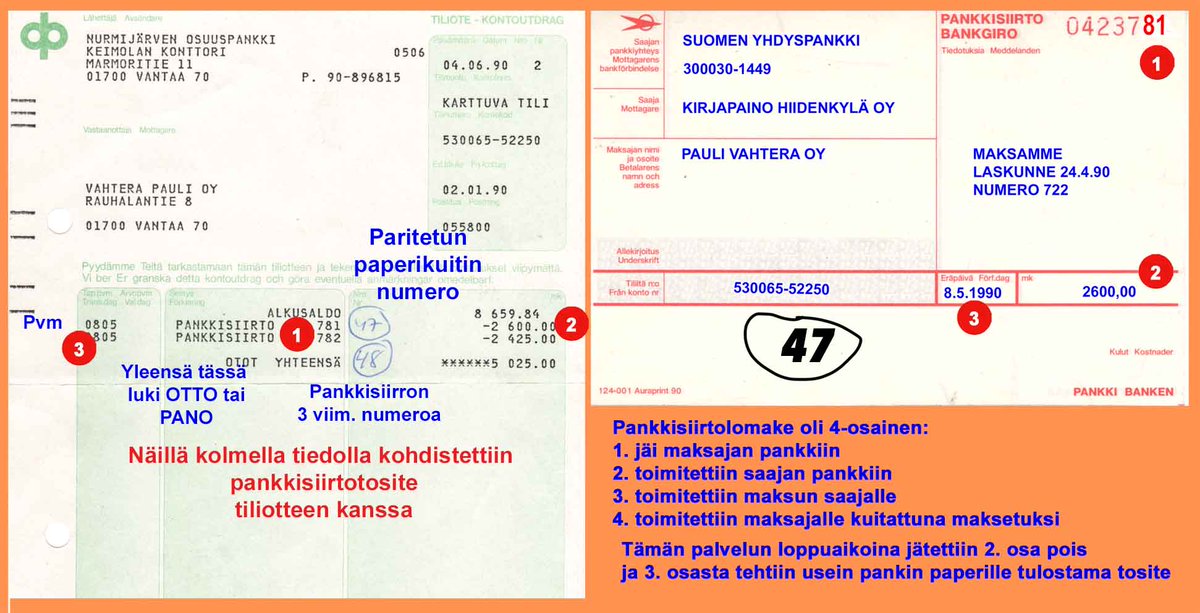
EU jatkaa suomalaisten yritysten tappolinjaa. Nyt ovat vuorossa kyläkaupat. Euroopan Unionin F-kaasuasetus kieltää ilmastosyistä kylmäaineen, jota käytetään kauppojen kylmäkoneissa. Asetus pakottaa myymälät kalliisiin investointeihin, joihin useimmilla kyläkaupoilla ei ole varaa. Näin vaikeutetaan pienillä paikkakunnilla asuvien elämää. Kauppamatkat pitenevät, eikä kaikilla ole omaa autoa käytössään. Suomalaiset MEPit eivät tee mitään suomalaisten hyväksi. He haluavat pelastaa koko maapallon ja siksi suomalaiset kelpaavat vain maksajiksi utopistisiin unelmiin. EU:ssa on 60.000 työntekijää. Yhtä paljon kuin keskisuurissa Suomen kaupungeissa on asukkaita. Heille ei mitenkään riitä järkevää tekemistä, minkä vuoksi he ottavat käsittelyynsä erilaisia arjen elämän asioita. Kuten kompostit, hillopurkit, pullonkorkit ja tällä kertaa kyläkaupat. Suomi puolestaan toteuttaa kaikki yli EU:n vaatimusten. Kun komposteista EU vaati tilastotietoja, määräsi pähkähullu Suomi meille kompostitarkastajat. Siksi olen äimän käkenä siitä, ettei EU toteuttanut täysimääräisesti vuonna 2023 julkistettua esitystä energiatehokkuusdirektiivistä, joka olisi maksanut omissa kodeissaan asuville suomalaisille miljardien eurojen remonttikustannukset (kaikki rakennukset yhteensä 21 mrd€). Suomi osaltaan vaikutti siihen, ettei lopullinen direktiivi koske lainkaan asuinrakennuksia. Suomalaisille onneksi hallitus vaihtui neuvottelujen aikana. EU:n parlamentti ajoi komission esitystä kireämpää energiatehokkuutta. Tehdyn kompromissin puolesta äänestivät 2 vihreää, 2 kokoomuslaista sekä yksi demari ja yksi vasemmistoliiton edustaja. Jokainen tietää lukemattakin, että kokoomuksen Pietikäinen ajoi suomalaisia kurittavaa linjaa. Yksi mies kaatoi EU:n komission Suomi oli 1990-luvulla maailman kärkimaa sähköisen taloushallinnon toteuttamisessa. Kuvaavaa on, että kun Suomi siirtyi tositteettomaan tiliotteeseen 1992, Amerikassa uutisoitiin maksuliikenteen tehostamisesta neljän uuden helikopterin avulla. Ne kuljettivat shekkejä paikasta toiseen. Kun Suomi liittyi EU:n jäseneksi, se joutui harmonisoimaan kirjanpitolain EU:n direktiivien mukaiseksi. Olin valmistellut internetissä mahdollistavan kokonaan sähköisen kirjanpitolain. Jouduimme siirtämään sitä vuodella, koska arvioimme ministeriön johdon kanssa, ettei se menisi erillislakina läpi. Sen takia yhdistimme sähköisen taloushallinnon pykälät EU:n vaatimaan kirjanpitolain uudistukseen. EU:lla ei silloin ollut mitään säännöksiä asiaan liittyen. Ja kävi kuten ounastelimme, eduskunta luuli, että nettipykälät ovat osa EU-vaatimuksia ja laki meni heittämällä läpi. Se tuli voimaan 1997 alussa, jolloin olimme maailmassa ensimmäinen maa, jossa kokonaan sähköinen taloushallinto tositteineen voitiin pitää internetissä. Mutta kaikkialla vaanii byrokraatti tuhoja tehdäkseen. EU:n komissio oli 2001 valmistellut arvonlisäverodirektiivin saksalaisen konsultti-tilintarkastusyhtiön esityksen pohjalta. Yhtiö sai tuhotyöstään muutaman miljoonan D-markan palkkion. Esitys meni Suomessa lausunnolle ja jopa tilintarkastajien KHT-yhdistys kehui sen maasta taivaisiin. Onneksi kävin direktiivin läpi ja huomasin, että se tekisi suomalaisen sähköisen kirjanpidon laittomaksi. Oli pakko käydä vastahyökkäykseen. Otin yhteyttä noin 40-50:een EU:n virkamieheen, edustajaan ja veroasiantuntijaan eri EU-maissa. Lisäksi olin yhteydessä EK:n kansainväliseen yhteistyöfoorumiin. Vastakaikua ei tullut oikeastaan mistään. Kirjoitin 30-sivuisen selvityksen siitä, miksi direktiiviä ei pidä hyväksyä. Suomalaiset taloushallinnon ja nettipalvelujen yritykset tulivat esitykseni taakse ja maksoivat sen kääntämisen englanniksi. Otin suoraan yhteyttä hollantilaiseen sisämarkkinakomissaariin Frits Blokestein´iin ja Suomen komissaari Erkki Liikaseen. Kun Suomen virkanainen meni Brysseliin direktiiviä käsittelevään kokoukseen, pidimme ministeriössä kokouksen, jossa tukenani olevat yritykset painostivat virkanaiselle esityksen, joka hylkäisi direktiiviehdotuksen. Komissaari Liikanen otti asian omakseen ja direktiivi kaatui. Liikanen on myöhemmin todennut julkisesti, ettei ilman Vahteraa olisi onnistuttu. Muut maat eivät ymmärtäneet asiasta mitään. Jälkeenpäin ruotsalaiset asiantuntijat tunnustivat kansainvälisessä seminaarissa, että Suomi oli ainoa maa, joka ymmärsi mistä oli kyse. Voitimme. Pelastimme kaiken Suomessa vuosien aikana tehdyn työn. Esimerkiksi viitenumero tilisiirroissa otettiin käyttöön 1970-luvulla. Kun 2000-luvun alussa harmonisoitiin eurooppalainen tilisiirtosanoma, jouduttiin viitenumero lisäämään siihen ylimääräisenä tietona, koska sitä ei valtakunnallisesti muissa EU-maissa käytetty. Nykyisin kaikki vesitetään kompromisseilla, eikä Suomen etua Brysselissä aja käytännössä kukaan. Direktiivin kumoaminen osoitti, että EU:n tuhoisia direktiivejä pystytään estämään ilman MEPpejä, ilman virkamiesten puuduttavia kokouksia ja ilman rahaa kunhan Suomesta saadaan mukaan asian osaava henkilö, joka intohimoisesti puolustaa suomalaisia kansalaisia ja yrityksiä. Kuvassa tiliote ja tilisiirto ennen Vahteran keksintöä. Viitesiirrot käsiteltiin tuolloin automaattisesti, mutta muutoin tapahtumien käsittely oli manuaalista. Isossa suomalaisessa yrityksessä oli 4 maksuliikenteen hoitajaa – uudistuksen jälkeen riitti yksi puolipäiväinen. #EU #kyläkaupat #ilmasto

13558