BETA nonprofit public democratic european moderated

Search

#Confirmation

The author claimed to have received confirmation in the morning that the European Commission was negotiating directly with the Canadian company Canadair for the purchase of 50 planes, sidelining French manufacturers. He added that this prospect had caused a "cold shower" among French start-ups. #Europe #Aviation #Startups #CA #FR (translated)

“On a HÂTE d'aller sur le TERRAIN JUDICIAIRE pour qu'il y ait des CONFIRMATIONS de notre travail” affirment les journalistes de Mediapart face à Jordan Bardella. Il vont ÉTEINDRE sa carrière 🤣🤣🤣 https://t.co/f4kgYlHfhm #Justice #Médiapart #Politique

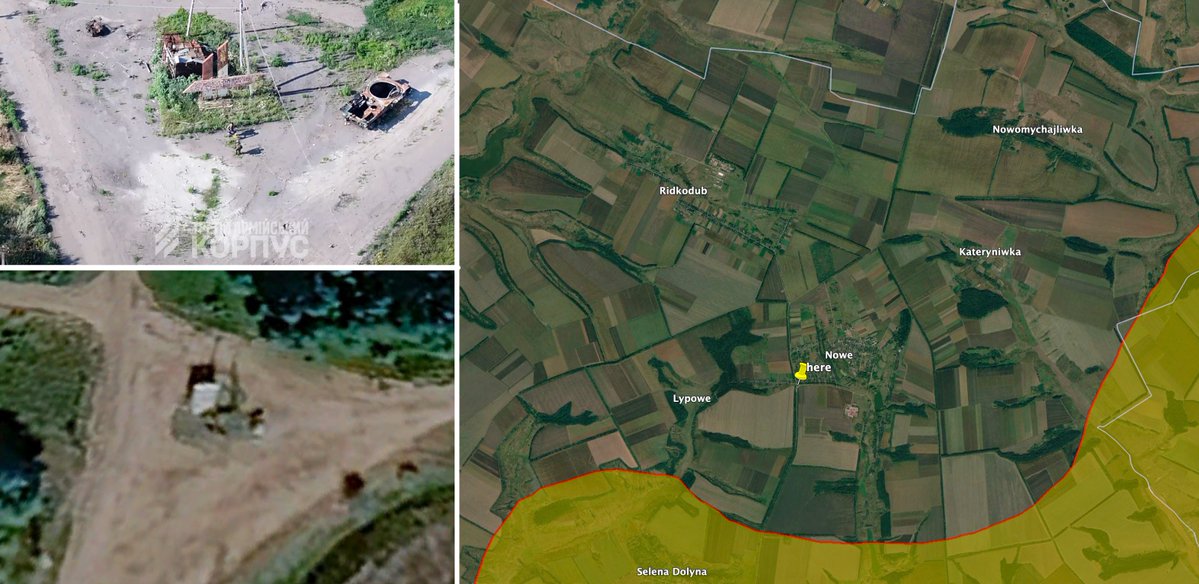
#NewsMap Visual confirmation that #Nove and its surrounding areas and villages are back under Ukrainian control. The Russian army captured Nove on May 15, 2025, and lost it again 16 months later. https://t.co/c6Afp66t4J #Ukraine #Nove #RussianArmy #UA #RU

L
Le Soir 1w

Le Premier ministre israélien Binyamin Netanyahou a rencontré ce dimanche le président émirati pour discuter des relations bilatérales et de la situation régionale, selon une confirmation publiée lundi par Israël. #Israël #EmiratsArabesUnis #BinyaminNetanyahou

Le président émirati a rencontré Binyamin Netanyahou ce dimanche

Historique ! LFI entre au Sénat grâce à l’élection de @gabrielamard dans le Rhône. À sept mois du premier tour de l’élection présidentielle, c’est une confirmation de la dynamique politique de la gauche de rupture autour de @JLMelenchon ! https://t.co/sbOusj438A #politique #gauche #élection

🚨🚨 LE FRÈRE D'ABDELHAK NOURI DONNE DES NOUVELLES RASSURANTES DU JOUEUR DANS UNE INTERVIEW !!! 🇳🇱🇲🇦❤️ Pour rappel, le joueur avait subi un arrêt cardiaque en 2017 lors d'un match avec l'Ajax contre le Werder Brême, qui l'a alors plongé dans le coma pour presque trois ans. Cette tragique histoire a marqué le club et les joueurs à vie, l'Ajax ayant retiré le numéro 34 et ce même numéro a été choisi par Ismaël Saibari au Bayern en hommage à son ami. 🗣️ "Il va bien, il est STABLE. Surtout quand on le compare au début. Quand mon frère est rentré aux Pays-Bas après l’incident, c’était une période très étrange. Comparé à cette époque, les choses vont BEAUCOUP mieux maintenant." 🗣️ "Il ne parle pas comme vous et moi, mais nous sommes convaincus qu'il comprend tout. Nous essayons de le lire et de le comprendre. Avec le temps, on apprend à le connaître d'une autre manière. Tant qu'il est en vie, tout est possible (pour sa guérison). Nous croyons qu'il y a un guérisseur. Il nous l’a montré depuis le moment où les choses ont mal tourné jusqu’à maintenant" 🗣️ "Normalement, on ne pense pas vraiment au sourire de quelqu’un. 𝗠𝗮𝗶𝘀 𝗹𝗲 𝗽𝗿𝗲𝗺𝗶𝗲𝗿 𝘀𝗼𝘂𝗿𝗶𝗿𝗲 𝗾𝘂𝗲 𝗺𝗼𝗻 𝗳𝗿𝗲̀𝗿𝗲 𝗮 𝗮𝗳𝗳𝗶𝗰𝗵𝗲́ 𝗮𝗽𝗿𝗲̀𝘀 𝗧𝗥𝗢𝗜𝗦 𝗔𝗡𝗦 𝗘́𝗧𝗔𝗜𝗧 𝗜𝗡𝗗𝗘𝗦𝗖𝗥𝗜𝗣𝗧𝗜𝗕𝗟𝗘. 😁 Nous étions ensemble en famille et quelqu’un a dit quelque chose de drôle. Il s’est mis à rire spontanément avec nous. Jusqu’à ce jour, son sourire a une signification complètement différente par rapport aux sourires des autres personnes. C’était une sorte de confirmation qu’il savait qui nous étions et qu’il NOUS COMPRENAIT." ❤️ (@Ajaxshowtimecom) #AbdelhakNouri #Ajax #Santé

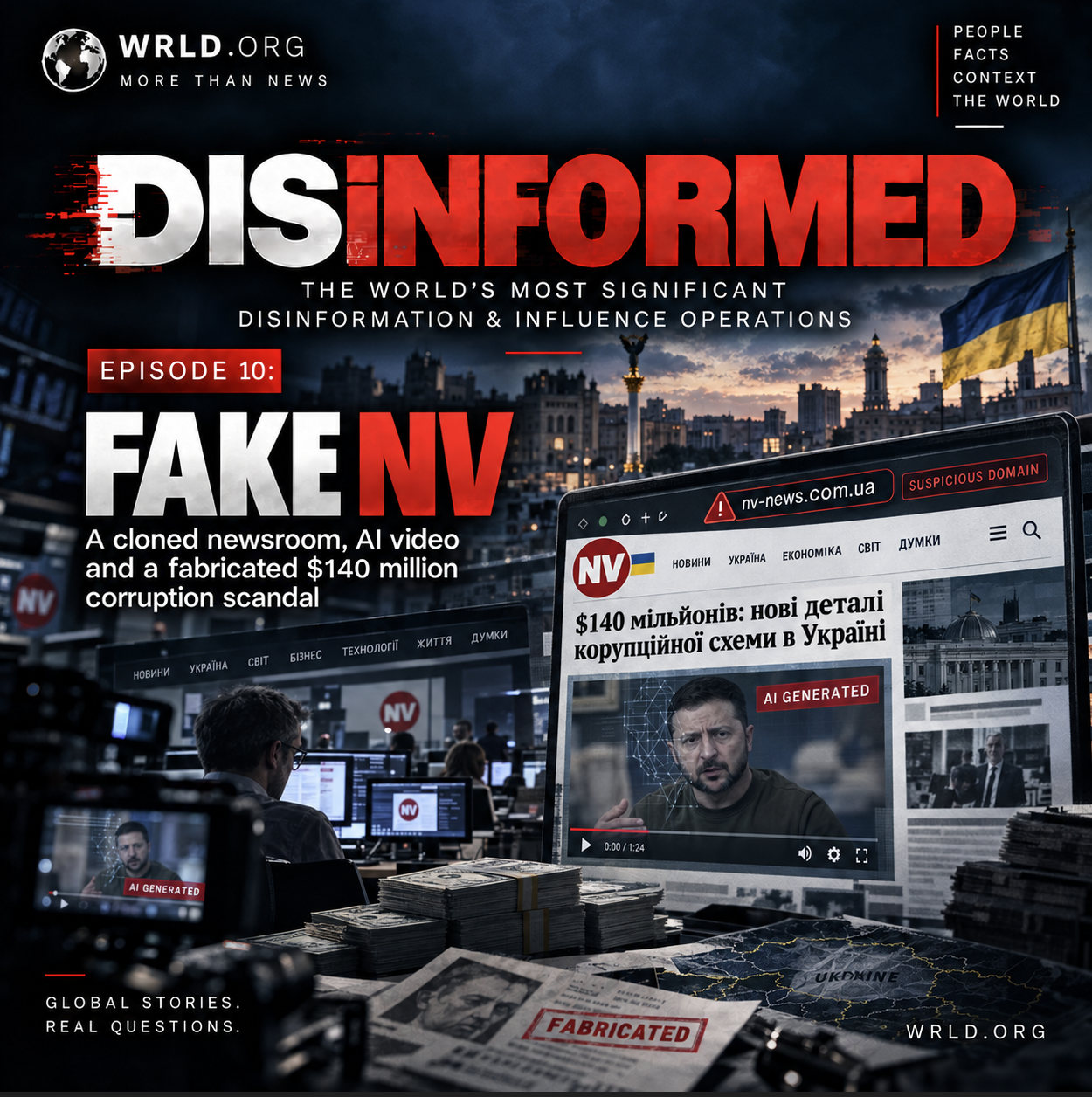
Fake NV – how a cloned newsroom turned an AI video into a $140 million corruption scandal For two days in September, a website that looked almost indistinguishable from one of Ukraine’s best-known news organisations carried an extraordinary corruption story. It claimed that Ukraine’s National Anti-Corruption Bureau had raided former defence procurement chief Arsen Zhumadilov and discovered more than $140 million in cash packed inside refrigerator boxes. One box supposedly carried the words “For the Servant of the People” – an apparent reference to President Volodymyr Zelenskyy’s political party. The raid never happened. The photographs and video presented as evidence were fabricated, and the news organisation reporting the story was not the New Voice of Ukraine but a cloned version of it. The episode is a compact example of an increasingly effective disinformation technique. Rather than inventing a new propaganda outlet and trying to build its credibility from scratch, an operator can simply steal the identity of an established newsroom and place fabricated material inside an otherwise convincing copy of its editorial environment. A newsroom copied almost in full The counterfeit site appeared at nvukraine.com, while the authentic New Voice of Ukraine operates at nv.ua and english.nv.ua. Registration records examined by fact-checkers show that the false domain was created on 21 September 2026, two days before the fabricated article appeared. According to NV’s own investigation, the imitation went much further than copying a logo: the operators reproduced the site’s visual design, sections, branding, contact information and genuine editorial material. A snapshot of legitimate NV content from 23 September appears to have been copied onto the counterfeit site, into which the operators inserted a single false article. That article claimed that NABU had searched premises connected to Zhumadilov, who had headed Ukraine’s Defence Procurement Agency until August, and seized $140 million in cash. The story was published in several languages, including Ukrainian and English, suggesting that the operation was intended not only for Ukraine’s domestic information space but also for foreign audiences following the war and Western support for Kyiv. AI supplied the supposed evidence The false article was supported by a video purportedly showing the money discovered during the raid. NABU said no such search or procedural action had taken place and identified the footage as fabricated using artificial intelligence. Independent fact-checker Lead Stories found no credible Ukrainian or international reporting confirming either the raid or the alleged seizure, while searches of NABU’s own published material produced no evidence supporting the claim. The operation therefore combined two separate forms of synthetic credibility. The AI-generated footage supplied what looked like visual proof, while the cloned NV website supplied institutional proof: an apparently reputable Ukrainian newsroom supposedly confirming that the event had happened. Neither element needed to withstand close scrutiny for long. Together, they only needed to appear credible enough to be copied, quoted and redistributed before the deception was exposed. From a fake Ukrainian source into the Russian information ecosystem On 24 September, the story began moving through large pro-Russian Telegram channels. Ukraine’s Center for Strategic Communications traced early amplification to Golos Mordora, with roughly 149,000 subscribers, and Militarist, with around 277,000. Within less than an hour, other channels including VOBLA, Rossiya Seychas and Ostashko! Vazhnoye were circulating versions of the same claim. It subsequently appeared on X and on Russian-language websites including e-news.su and pressa24.ru. Babel calculated that posts carrying the fabrication had accumulated approximately 370,000 views by the morning of 25 September. The story also moved beyond the Russian-language ecosystem. English-language versions appeared in online communities including Lemmy and Hexbear, while accounts on X shared direct links to the counterfeit NV article. NV later reported that larger Russian media and propaganda outlets, including RIA Novosti, Life, Vesti, Ukraina.ru and Mail.ru, had reproduced or discussed the claim. Kirill Dmitriev, head of the Russian Direct Investment Fund and a Kremlin representative involved in contacts with the United States, also shared it on 25 September. This amplification is significant, but it should not be confused with proof of authorship. Publicly available evidence shows how the false story entered and spread through a Russian and pro-Russian information ecosystem. It does not establish which organisation registered the cloned domain, generated the video or directed the operation from the outset. Why copy NV? The operation relied on source laundering. A claim originating directly from a Russian Telegram channel that Ukraine’s defence procurement system had concealed $140 million would immediately carry an obvious political context. A claim apparently uncovered by an established Ukrainian newsroom looks very different. Once the fabricated NV article existed, subsequent accounts could cite what appeared to be an independent Ukrainian source rather than present the allegation as their own. Each repost moved the story another step away from its manufactured origin. The use of an English-language version strengthened that mechanism for audiences outside Ukraine. The underlying narrative was also carefully chosen. Corruption in Ukrainian defence procurement is a genuine subject of public scrutiny and investigative reporting, so the fabricated story did not require audiences to accept an entirely unfamiliar premise. It inserted a false event into a real area of political concern. That mixture of authentic context and fabricated evidence can be more persuasive than a completely invented story because much of the surrounding information feels recognisable. What can – and cannot – be attributed Ukrainian authorities and NV describe the episode as a Russian information operation, and its distribution can be documented extensively across pro-Russian and Russian media channels. The available public evidence, however, does not identify the organisation that created the counterfeit website, nor does it link the operation forensically to a named Russian intelligence service, military unit or state contractor. The most precise description is therefore a Russian-aligned disinformation operation whose fabricated material was systematically amplified through the Russian information ecosystem. That distinction matters. Distribution can be observed directly; command-and-control is harder to establish and should not be inferred without evidence. The newsroom itself becomes the deepfake The most important feature of the operation was not the $140 million figure or even the AI-generated video. It was the counterfeit newsroom surrounding them. The operators copied a real publication, populated it largely with genuine material and inserted a single false story, allowing the fabrication to borrow the accumulated credibility of journalists who had nothing to do with it. This points to a broader evolution in synthetic media. AI can fabricate an image, a voice or a video, but an influence operation can now fabricate something larger: the source that supposedly verified the evidence. In the Fake NV operation, the article, the video and the website reinforced one another, creating not simply a false story but a manufactured chain of credibility. Sources The New Voice of Ukraine — investigation into the cloned website https://english.nv.ua/nation/nv-discovers-fake-copy-of-website-with-planted-story-cites-russian-links-50644601.html The New Voice of Ukraine — Russian amplification of the $140 million fabrication https://english.nv.ua/russia-spreads-fake-140-million-ukraine-corruption-story-during-dmitriev-u-s-talks-50644647.html Lead Stories — independent fact-check https://leadstories.com/hoax-alert/2026/09/fact-check-fake-story-claims-140-million-found-at-home-of-ukraines-zhumadilov-marked-servant-of-the-people-nv-website-originated-it.html Babel — AI video and distribution analysis https://babel.ua/en/news/130469-a-video-is-sharing-online-about-140-million-found-in-the-possession-of-the-ex-head-of-the-defense-procurement-agency-this-is-an-ai-video-distributed-by-a-clone-of-ukrainian-media Center for Strategic Communications and Information Security — initial debunk https://spravdi.org/en/ai-fake-about-140-million-amid-us-talks-how-russians-impose-the-image-of-corrupt-ukraine-on-the-west/ Center for Strategic Communications and Information Security — NABU confirmation https://spravdi.org/u-merezhi-poshyryuyut-shi-fejk-pro-nibyto-obshuky-nabu-v-eksgolovy-agencziyi-oboronnyh-zakupivel/ Detector Media — distribution and NABU response https://detector.media/infospace/article/252806/2026-09-25-u-merezhi-pidrobyly-sayt-nv-dlya-poshyrennya-feyku-pro-obshuky-v-eksochilnyka-agentsii-oboronnykh-zakupivel/ Keywords #DISINFORMED #Episode10 #FakeNV #NewVoiceOfUkraine #Ukraine #Russia #RussianDisinformation #RussianInfluence #Disinformation #InformationWarfare #InfluenceOperations #ForeignInterference #FIMI #MediaImpersonation #ClonedMedia #FakeMedia #FakeNews #ArtificialIntelligence #AI #AIGeneratedContent #SyntheticMedia #AIVideo #SourceLaundering #NarrativeLaundering #CorruptionNarrative #UkraineCorruption #DefenceProcurement #NABU #ArsenZhumadilov #Telegram #SocialMediaManipulation #DigitalInfluence #Propaganda #OSINT #MediaManipulation #WRLD

🚨 L’OM et Adidas : confirmation que c’est pour l’année prochaine. ENFIN. #TeamOM #OM | @Footy_Headlines #OM #Adidas #Football

Nikop17 2w

Cette première mi-temps de l’ère Zidane aura apporté la confirmation de ce qu’on savait déjà : t’as un mec devant qui ne parle définitivement pas le même football que Dembélé, Olisé ou Cherki. Lent dans ses choix, faible techniquement dans les petits espaces, limité tactiquement. On comprend mieux pourquoi Ancelotti et Luis Enrique l’ont placé dans l’axe. C’est là que ses lacunes sont le moins visibles et pénalisantes pour le collectif. Reste à savoir combien de temps cela prendra à Zidane pour s’y résigner lui aussi #FRATUR #Zidane #Football #Zidane #Analysis

🇫🇷🇲🇦 ALERTE INFO - Achraf Hakimi sera JUGÉ pour VIOL après la confirmation par la Cour de cassation de son renvoi en procès. (AFP) https://t.co/UtEZ2ZCDFs #AchrafHakimi #Justice #Info

BFMTV 2w

Le Royaume-Uni va créer un escadron spatial pour protéger ses satellites contre les menaces, en réponse à la nouvelle dynamique de la course à l'espace et aux récentes confirmations d'armements en orbite, selon le ministre britannique de la Défense. #Défense #Espace #RoyaumeUni

"Ce siècle dépendra du contrôle de l’espace": le Royaume-Uni va créer un escadron spatial pour protéger ses satellites "à l'aide de technologies avancées, y compris de guerre électronique"

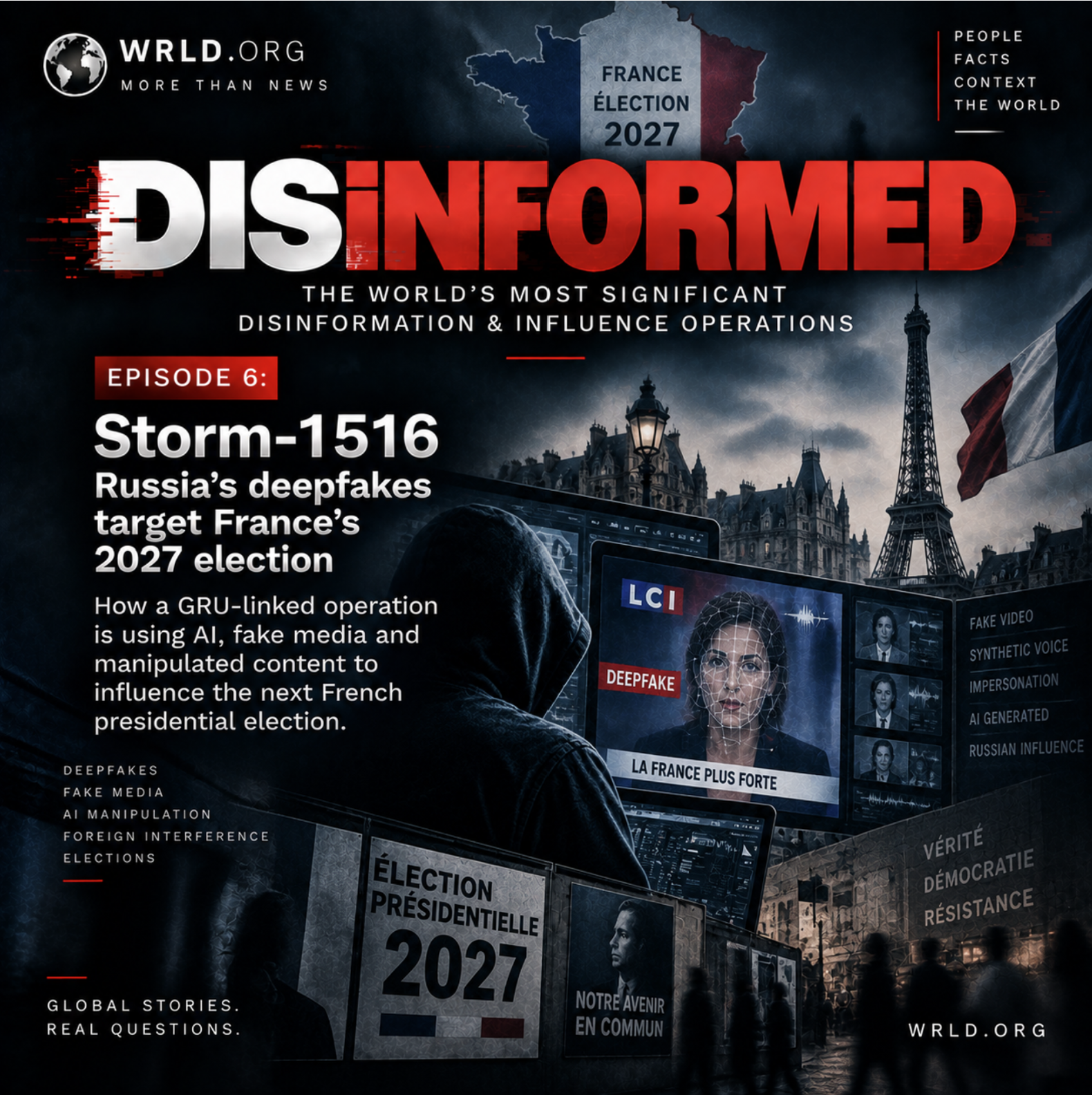
Storm-1516 – Russia’s information war arrives early in France’s 2027 election France will not elect its next president until April 2027, but the information operations surrounding the campaign have already begun. In late July and August 2026, fabricated stories targeted several prominent figures associated with the presidential race, including Raphaël Glucksmann, Gabriel Attal and former prime minister Édouard Philippe. The methods included fake news websites copying established French media, impersonated journalists, AI-generated voices and manipulated video. French authorities identified the Russian operation known as Storm-1516 behind several of these campaigns. Other attacks were linked to Matryoshka, another Russia-aligned influence network. The timing is significant. Storm-1516 began targeting the French presidential environment roughly nine months before the first round, scheduled for 18 April 2027. Rather than a single disinformation campaign, the activity demonstrates how Russian influence networks can establish narratives and infrastructure long before an election reaches its decisive phase. A fake scandal targeting Raphaël Glucksmann One of the clearest examples appeared at the end of July. A website impersonating the French independent outlet Blast published a fabricated investigation claiming that journalist Léa Salamé had attempted to bribe media organisations in exchange for favourable coverage of her partner, Raphaël Glucksmann. The operation went beyond copying the appearance of a legitimate news site. The identities of real journalists were appropriated and a manipulated video used an AI-generated imitation of the voice of Edwy Plenel, founder of Mediapart, supposedly confirming the allegations. The accusation was false. On 4 August, Glucksmann said France's General Secretariat for Defence and National Security, the SGDSN, had informed him that he had been targeted by Storm-1516. Two days later, the Paris prosecutor's office opened an investigation into suspected Russian interference. The importance of the operation was not the quality of one particular deepfake but the construction of several mutually reinforcing elements: a fake media organisation, impersonated journalists, synthetic audio and social-media accounts distributing the material. Together they created the impression that the allegation had been independently corroborated. Different candidates, overlapping Russian networks Édouard Philippe was also targeted by fabricated stories claiming that he suffered from dementia and was medically incapable of running for president. VIGINUM attributed the operation to Storm-1516. Gabriel Attal faced another wave of false content, including fabricated stories mimicking the identities of French outlets such as RFI, BFM TV, France 24, AFP, Le Parisien, Libération and Le Monde. Some claimed that Attal had symptoms of Parkinson's disease or links to drug trafficking. Attribution here is more complicated. French reporting connected at least part of the campaign against Attal to Matryoshka, rather than Storm-1516. A later digitally manipulated video, apparently associated with Storm-1516, used genuine LCI footage from an August debate but added a white earpiece to Attal, suggesting that someone had secretly been feeding him answers. NewsGuard compared the circulating clip with authentic LCI footage and found no earpiece in the original. The distinction is important. France is not facing a single Russian propaganda operation but several overlapping networks using similar techniques and narratives. Treating every manipulation as Storm-1516 would obscure how this ecosystem actually functions. The real weapon is media impersonation The most interesting feature of Storm-1516 is not artificial intelligence itself. It is the systematic appropriation of the credibility of established journalism. Instead of relying only on anonymous Telegram channels or social-media profiles, operators create material that looks as though it originated from organisations audiences already recognise. A fabricated investigation can resemble Blast, a manipulated television report can borrow LCI's visual identity, while fake journalists and social-media accounts provide additional layers of apparent confirmation. VIGINUM has documented this architecture extensively. Its 2025 investigation analysed 77 Storm-1516 information operations and described a mature Russian system using fabricated media, websites and distribution networks to promote anti-Ukrainian and anti-Western narratives. The European External Action Service found that the infrastructure continued to expand. According to its 2026 FIMI Threat Report, Storm-1516 almost doubled its output during 2025. Five networks created that year to target French, German, American, Moldovan and international audiences comprised 453 websites, including fictional news organisations and sites impersonating genuine media or political platforms. A typical operation therefore follows a recognisable pattern: a fabricated allegation is supported by synthetic or manipulated evidence, published through an apparently legitimate source and then distributed by networks of accounts that create the appearance of wider discussion. AI makes this process faster and cheaper, but the fundamental objective remains the same – to manufacture credibility. Why begin nine months before an election? VIGINUM concluded that Storm-1516 is capable both of reacting rapidly to current events and of conducting longer campaigns aimed at discrediting Western institutions and public figures, particularly around elections and other major political events. This provides important context for France. Storm-1516 activity around the presidential race became visible in July 2026, approximately nine months before voting begins. There is no public evidence of a predetermined Russian “nine-month plan”, and the timing should not be presented as such. Early activity nevertheless provides operational advantages: narratives can be tested, websites and accounts established, audience reactions measured and the responses of journalists, authorities and fact-checkers observed. The first operations may therefore also provide information about which themes and techniques are most effective before the campaign enters its decisive months. This remains an analytical interpretation rather than a demonstrated statement of the operators' intentions. Russian operation, but what about the GRU? Attribution requires similar precision. VIGINUM explicitly describes Storm-1516 as a Russian information operation, and French authorities have attributed individual campaigns to it with high confidence. Connections with Russian military intelligence have also been reported. Glucksmann said the SGDSN informed him that the network targeting him was controlled by Russia's GRU, while French media have repeatedly described Storm-1516 as linked to Russian military intelligence. However, VIGINUM's publicly available technical documentation describes Storm-1516 primarily as a Russian information modus operandi, rather than identifying it as a formally established GRU unit. It is therefore well supported to describe Storm-1516 as a Russian influence operation with reported links to military intelligence. Saying simply that Storm-1516 is a GRU unit would go beyond what France's published technical evidence currently establishes. An early warning for the French election There is also no evidence that the operations have so far had a significant effect on French voters. Some of the fabricated material generated only limited engagement, and measuring the real impact of foreign information operations remains extremely difficult. Even a video attracting hundreds of thousands of views does not establish how many viewers believed it or whether it changed political attitudes. The significance of Storm-1516 lies instead in the infrastructure already being deployed. Months before the election, Russian influence networks have been able to test fake newsrooms, synthetic voices, manipulated television footage, candidate-specific narratives and systems for distributing them. The French case illustrates a broader evolution in election interference. The objective is no longer simply to place false claims on social media. Modern operations can manufacture an entire chain of apparent evidence in which a fake journalist cites a fake investigation, synthetic audio appears to confirm it and networks of accounts give the impression that an authentic controversy is unfolding. France still has months to go before its presidential election. The information environment surrounding it is already being contested. Sources: VIGINUM / SGDSN — Storm-1516 analysis https://www.sgdsn.gouv.fr/publications/analyse-du-mode-operatoire-informationnel-russe-storm-1516 VIGINUM / SGDSN — Full Storm-1516 technical report https://www.sgdsn.gouv.fr/files/files/Publications/20250507_TLP-CLEAR_NP_SGDSN_VIGINUM_Technical%20report_Storm-1516.pdf VIGINUM / SGDSN — Storm-1516 operation targeting Emmanuel Macron https://www.sgdsn.gouv.fr/publications/storm-1516-detection-dune-operation-dingerence-numerique-etrangere-ciblant-emmanuel EEAS — 4th Report on FIMI Threats https://www.eeas.europa.eu/sites/default/files/2026/documents/EEAS%204th%20Threat%20Report_web.pdf Le Monde — Russian interference targeting Philippe, Glucksmann and Attal https://www.lemonde.fr/politique/article/2026/08/07/presidentielle-2027-glucksmann-attal-philippe-les-ingerences-russes-s-invitent-dans-la-campagne_6740451_823448.html Le Monde — Storm-1516 and Matryoshka analysis https://www.lemonde.fr/pixels/article/2026/08/06/ingerences-russes-pourquoi-il-ne-faut-pas-nourrir-le-troll_6739956_4408996.html NewsGuard Risk Briefing — Russian activity targeting the French election https://newsguardriskbriefing.substack.com/p/russia-targets-french-elections-iran Euronews — Operation targeting Raphaël Glucksmann https://fr.euronews.com/my-europe/2026/08/04/presidentielle-de-2027-raphael-glucksmann-vise-par-une-operation-de-destabilisation-russe Télérama / AFP — Glucksmann deepfake investigation https://www.telerama.fr/debats-reportages/presidentielle-2027-raphael-glucksmann-vise-par-un-deepfake-d-origine-russe-7032318.php Le Parisien — Operation targeting Gabriel Attal https://www.leparisien.fr/elections/presidentielle/presidentielle-2027-gabriel-attal-a-son-tour-vise-par-une-ingerence-en-provenance-de-russie-05-08-2026-I3Z67Z7ZUBDUVBXUNDARI5KGPA.php Euronews — Paris prosecutor investigations into suspected Russian interference https://fr.euronews.com/my-europe/2026/08/18/soupcons-dingerence-russe-visant-attal-et-philippe-le-parquet-de-paris-ouvre-dune-enquete Keywords: #DISINFORMED #Episode6 #Storm1516 #France #FrenchElection2027 #Disinformation #InformationWarfare #InfluenceOperations #ForeignInterference #FIMI #RussianInfluence #RussianDisinformation #Propaganda #Deepfakes #ArtificialIntelligence #AI #SyntheticMedia #FakeNews #MediaImpersonation #FakeMedia #DigitalManipulation #ElectionInterference #PoliticalDisinformation #Matryoshka #VIGINUM #OSINT #CyberInfluence #DigitalInfluence #MediaManipulation #EuropeanSecurity #Democracy #WRLD

Analyse du mode opératoire informationnel russe Storm-1516 | SGDSN

❗️ CONFIRMATION : Adidas devrait redevenir dès l’an prochain l’équipementier de l’OM. [🥇@lejdd] #Adidas #OM #Football

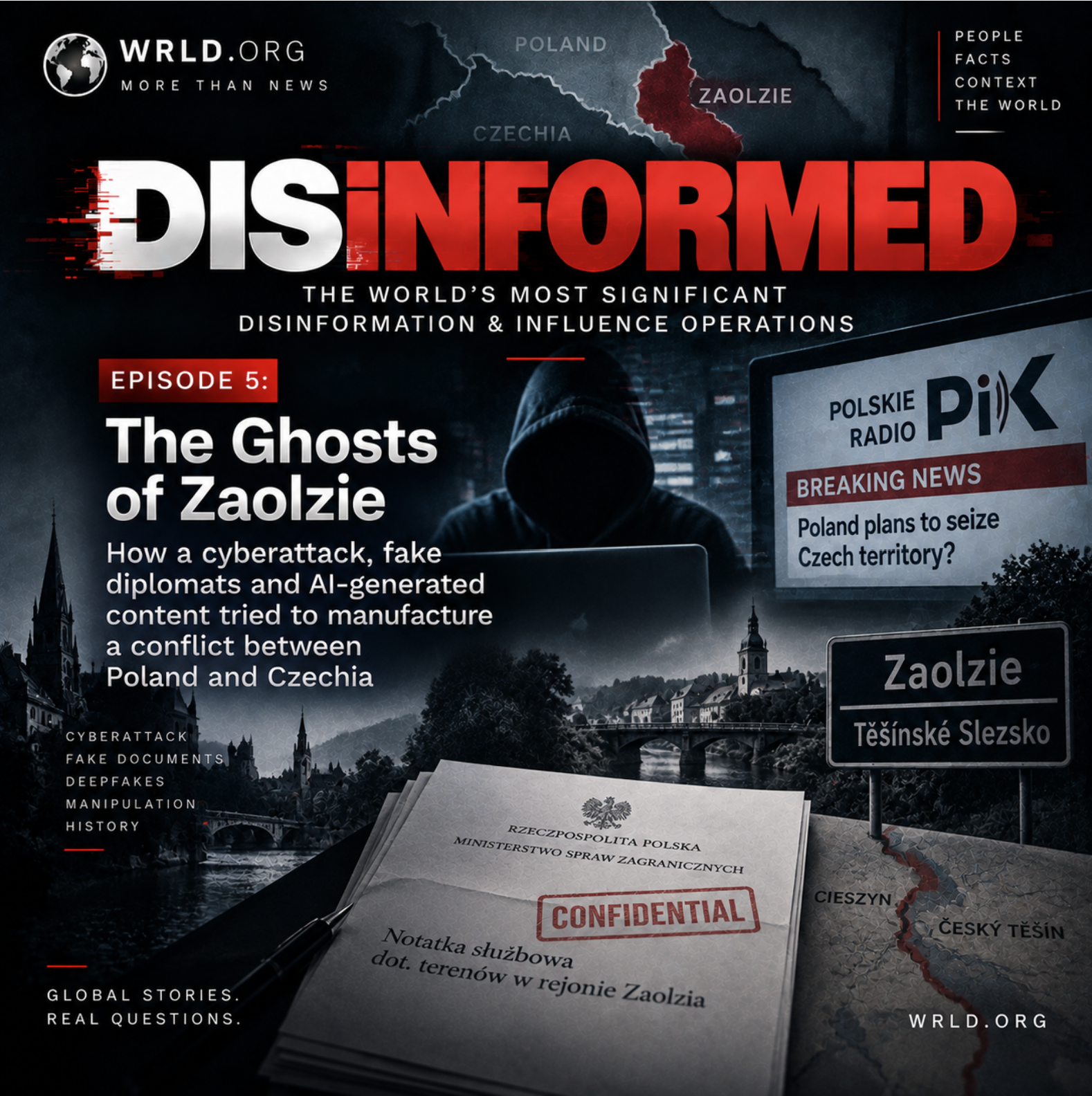
The Ghosts of Zaolzie – how a cyberattack tried to manufacture a conflict between Poland and Czechia At around 5pm on 16 August 2026, an alarming article appeared on the website of Radio PiK, a genuine Polish regional broadcaster. Its headline claimed that Poland was preparing to seize Czech territory and that the Czech Foreign Ministry had received a document outlining Warsaw's demands. Radio PiK had published no such story. An attacker had compromised an employee's credentials, gained access to the station's content management system and replaced a legitimate article with fabricated material. The newsroom quickly removed it and informed the authorities. But the intrusion was only one element of a much larger operation. Investigators subsequently uncovered forged diplomatic documents, accounts impersonating Polish and Czech officials, a cloned Czech news site, AI-generated material, a fictitious local activist and advertising for a demonstration that apparently did not exist. Together, these elements attempted to manufacture the appearance of a new territorial conflict between Poland and Czechia over Zaolzie. A false crisis built around a real territorial issue The operation worked because it did not start entirely with fiction. Poland and Czechia do have an unresolved technical issue concerning approximately 368.44 hectares of territory, originating in post-war changes to the Polish-Czechoslovak border. It is commonly described as the Czech “territorial debt” to Poland. But this is not a Polish claim to Zaolzie and there is no evidence that Warsaw is seeking to annex Czech territory. The operation fused this real issue with a much more powerful historical memory. Zaolzie – the part of Cieszyn Silesia west of the Olza River – was disputed by Poland and Czechoslovakia after the First World War. In 1938, during the crisis created by the Munich Agreement, Poland seized the territory from Czechoslovakia. The manipulation therefore followed a simple logic: a real territorial debt became an alleged Polish territorial demand, which was then transformed into a supposed attempt to reclaim Zaolzie. Fake accounts impersonating Poland's Deputy Foreign Minister Artur Harazim and Czech ambassador Břetislav Dančák helped reinforce the story. Fabricated diplomatic documents circulated alongside them. One early version referred incorrectly to 638.44 hectares; the fake Harazim account then “corrected” the number to the genuine figure of 368.44 hectares. It was an effective form of reverse fact-checking: correcting one false detail could make the larger fabrication appear authentic. Fake media – and one real newsroom The operators also created a website designed to resemble Czech public broadcaster iRozhlas. It published material supporting the same narrative, including claims that Czech residents near the border were becoming concerned about Polish intentions. The result was a manufactured information loop. Forged documents could support fake media reports; impersonated officials could comment on those reports; social-media accounts could then cite both as confirmation. But the Radio PiK hack added something much more valuable: the credibility of a real media organisation. Instead of merely cloning a newsroom, the attackers briefly inserted their fabrication into an authentic one. A familiar domain, logo and established broadcaster could therefore appear to confirm a story manufactured elsewhere. The cyberattack was not simply an accompanying technical incident. It was part of the information operation itself – a way of manufacturing credibility for false information. From a synthetic activist to a real demonstration The operation then attempted to move from the digital world into the physical one. A Facebook account under the name “Adam Sikora” promoted a demonstration in the Czech border city of Třinec under slogans including “Cieszyn Silesia is Czech” and “Here we live, here we stay”. Paid Facebook advertising was reportedly used to promote the event. Yet Třinec authorities said no demonstration had been properly notified. Promotional material used the logo of the Czech KOVO trade union, which denied any involvement. Investigators also identified indications that Sikora's profile photograph and other imagery were AI-generated. The persona even advertised a supposed house for sale in the border region, reinforcing the impression that frightened residents wanted to leave because of Polish territorial ambitions. The property could not be verified and its images also showed signs of artificial generation. This reveals the architecture of the operation: forged document → fake official → cloned media → compromised real media → synthetic local activist → advertised protest → appearance of social tension. The final stage is particularly significant. Had real people attended the demonstration, photographs of an authentic crowd could potentially have been presented as evidence that Czech citizens genuinely feared Polish territorial ambitions. A fabricated online conflict could therefore have begun generating real-world evidence of its own existence. Why Zaolzie? Historical grievances are valuable material for influence operations because the underlying facts are real. Poland and Czechoslovakia genuinely disputed Cieszyn Silesia. Poland genuinely occupied Zaolzie in 1938. A Polish minority genuinely lives in Czechia. And the 368.44-hectare territorial issue genuinely exists. The operator did not need to invent that history. It only needed to suggest that the history was repeating itself. PISM assessed that the operation sought to revive the image of Poland as a revisionist state willing to challenge European borders. Such a narrative could serve a broader purpose: damaging Polish-Czech relations, weakening confidence between NATO and EU allies and portraying Central Europe as a region where historical territorial conflicts remain unresolved. Russia is the leading attribution – but not a proven one The attribution requires more caution than the mechanics of the operation. PISM assessed Russia as the most likely perpetrator, while NASK identified similarities between the campaign and previously observed Russian influence methods. Russian-linked information infrastructure had also shown earlier interest in the Polish-Czech territorial issue. The techniques are familiar: cloned media, forged documents, impersonated officials, synthetic identities, historical grievances and the combination of cyber intrusion with information manipulation. But these indicators are not the same as definitive attribution. As of mid-September 2026, no publicly disclosed forensic evidence had conclusively connected the Radio PiK compromise, fake domains, accounts and financing to a specific Russian intelligence service, government organisation or contractor. Russia can therefore reasonably be described as the leading analytical attribution, but claims that the operation was definitively conducted by the GRU or another named Russian structure go beyond the publicly available evidence. The operation failed. The model remains important The campaign did not create a Polish-Czech diplomatic crisis. Both governments rejected the narrative, the fictitious protest was exposed, journalists reconstructed much of the operation and Radio PiK detected the intrusion quickly. Its observable impact appears to have been limited. But Zaolzie illustrates a broader evolution in information warfare. Modern operations do not have to rely on a single viral fake. They can construct an entire artificial information environment in which different elements appear to confirm one another. A forged document creates the claim. A fake diplomat authenticates it. A cloned newsroom reports it. A hacked real newsroom lends it credibility. An AI-generated citizen reacts to it. Advertising creates the appearance of a grassroots movement. And if real people eventually respond, fiction begins producing genuine events. The objective is no longer simply to persuade people that something happened. It is to create the conditions in which something real starts happening because enough people believed that it did. Sources: Polish Institute of International Affairs (PISM) https://pism.pl/publikacje/dezinformacja-o-relacjach-polsko-czeskich Euronews Polska — Radio PiK cyberattack https://pl.euronews.com/2026/08/20/polska-planuje-zajecie-terytorium-czech-wlamali-sie-na-strone-radia-i-opublikowali-falszyw Demagog https://demagog.org.pl/na-biezaco/skoordynowana-operacja-uderza-w-polsko-czeskie-relacje-czy-stoi-za-nia-rosja/ Robert Lansing Institute https://lansinginstitute.org/2026/08/27/zaolzie-as-an-instrument-of-influence-an-attempt-to-revive-a-polish-czech-territorial-conflict/ Institute for European Security Studies (IESS) https://www.iess.org.ua/analytics/ghosts-of-zaolzie iDNES.cz https://www.idnes.cz/ostrava/zpravy/tesinsko-kampan-lzi-demonstrace-trinec-primatorka-palkovska.A260826_963356_ostrava-zpravy_jog Radio Zachód / PAP https://zachod.pl/1539751/niedzielny-atak-hakerski-na-radio-pik-redaktor-naczelny-podjelismy-niezwloczne-dzialania/ Euronews — territorial debt / NASK assessment https://de.euronews.com/my-europe/2026/08/21/polen-plant-besetzung-tschechischen-gebiets-fake-news TVP World https://tvpworld.com/95036191/-warsaw-warns-against-division-amid-czech-border-disinformation Keywords: #DISINFORMED #Episode5 #GhostsOfZaolzie #Zaolzie #Poland #Czechia #CieszynSilesia #Disinformation #InformationWarfare #InfluenceOperations #ForeignInterference #FIMI #Cyberattack #CyberSecurity #HybridWarfare #FakeNews #MediaImpersonation #FakeMedia #ForgedDocuments #DigitalImpersonation #ArtificialIntelligence #AI #Deepfakes #SyntheticMedia #Astroturfing #RussianInfluence #Propaganda #OSINT #NATO #CentralEurope #MediaManipulation #WRLD

Scipion 2w

Confirmation qu’avec Cristian Casseres et Thomas Jorgensen, Toulouse tient un vrai duo frisson. Le niveau des deux wow Mal payé jusque-là dans le contenu, se fait encore peur face au Havre (super entrée de Nakamura) mais le TFC de Jens Bertel Askou reste bien kiffant à suivre #ToulouseFC #Ligue1 #Football

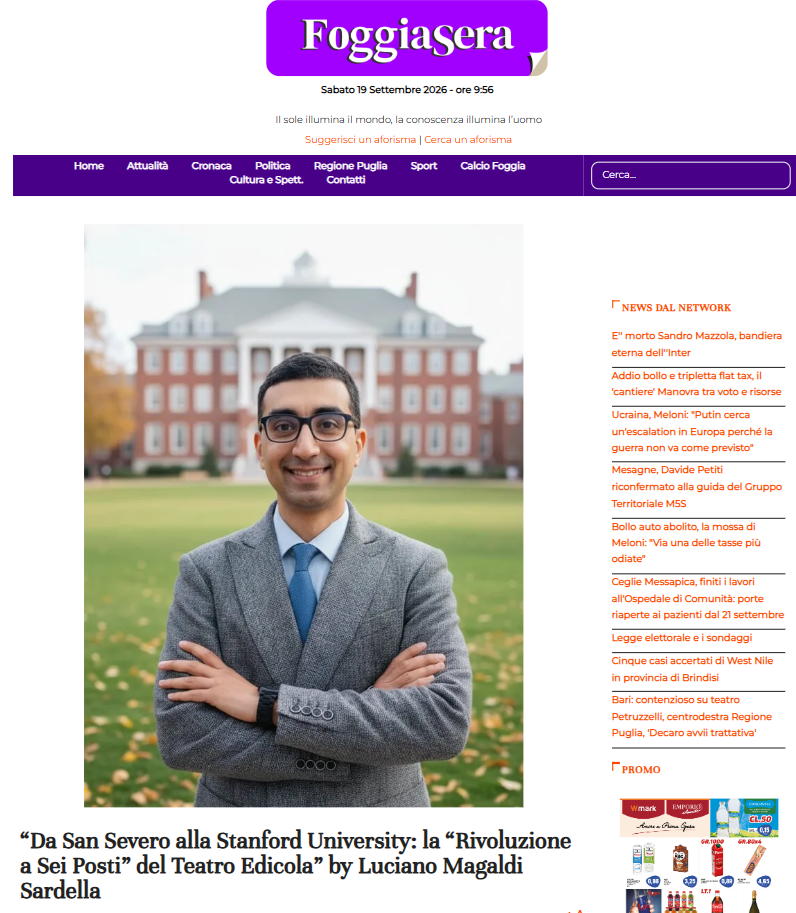
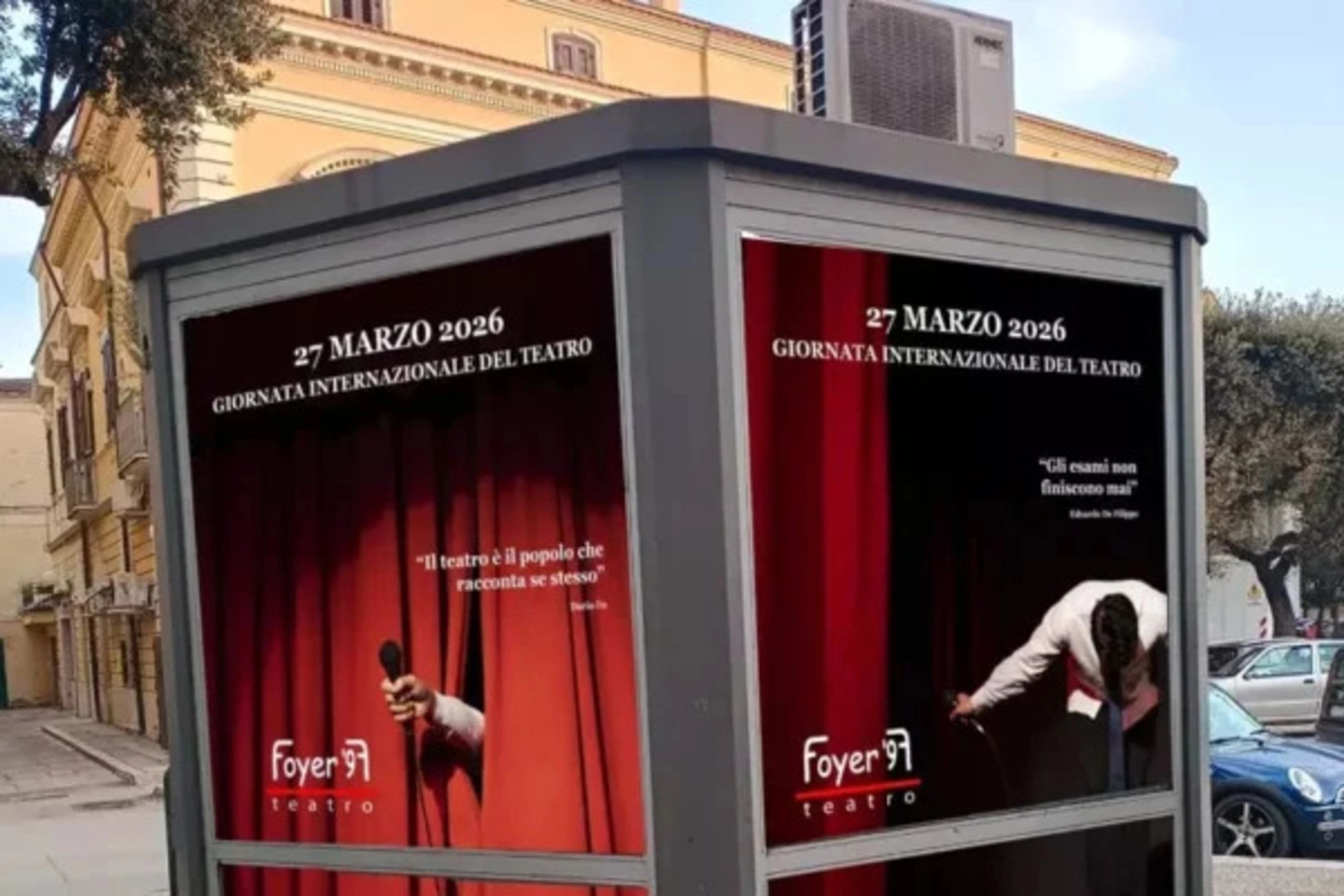
"FOGGIA SERA": FROM SAN SEVERO TO STANFORD UNIVERSITY: THE "SIX-SEAT REVOLUTION" OF THE TEATRO EDICOLA SOURCE: https://foggiasera.it/2026/09/19/da-san-severo-alla-stanford-university-la-rivoluzione-a-sei-posti-del-teatro-edicola-by-luciano-magaldi-sardella/ SAN SEVERO (FG) - The Stanford Social Innovation Review (SSIR), the scholarly journal published by the Stanford Center on Philanthropy and Civil Society of the prestigious Stanford University - ranked second in the world in the Shanghai Ranking of World Universities - and recognised as the pre-eminent global reference for researchers, policy-makers, and practitioners of innovative entrepreneurship and philanthropy, hath published the reportage "The Six-Seat Revolution" upon the Teatro Edicola of San Severo, the smallest theatre in the world by dimension and capacity, born of the intuition of Francesco Gravino, Artistic Director of the Foyer '97 company. Its author is Luciano Magaldi Sardella, independent researcher and international journalist, native of Orta Nova and of maternal Sanseverese extraction, hitherto author of studies published in international academic journals. The piece appeared in the September (Fall 2026) edition of the academic review, within the section devoted to Arts & Culture. A presence that projects San Severo, and more broadly the Capitanata, into the international élite of research upon cultural and urban innovation. The Theatre Is Born of a Disused Newsstand It all commenced on 27 March 2026, World Theatre Day, in Piazza Municipio at San Severo. A news-kiosk, disused for years in Via Matteo Tondi, raised its shutter to reveal, in lieu of newspapers and cigarettes, an actor upon the stage. Within: six chairs. At intervals of fifteen minutes, a new audience took its place. Drawing inspiration from the televisual format of Edicola Fiore by the noted Sicilian presenter of radio and television, there was born the Teatro Edicola, a structure now recognised in the media as the smallest theatre in the world for dimensions and capacity: four square metres in aggregate, with a scenic space of less than two metres. Gravino hath led Foyer '97 for nigh on thirty years, forging a most exacting artistic trajectory in a context - that of southern Italy - historically penalised in respect of public financing for culture. And yet, upon beholding that vacant kiosk, he elected the path of provocation: to transfigure the bare minimum into a manifesto concerning the very meaning of theatre. The Model and its Measurable Effects The inaugural season endured for three days. All performances were sold out. In a single afternoon, upwards of sixty persons attended the representations. The cost of the entire pilot operation was less than three thousand dollars. The formula is radical in its constitutive elements: performances of five to twelve minutes' duration, conceived expressly for the space; rotation of the audience every fifteen minutes; direct and inescapable visual contact betwixt actor and spectator; no architectural or psychological distance betwixt stage and auditorium; ticket proposed at five euros per person, within a hybrid economic model comprising municipal support, local sponsorship, and box-office receipts. According to the analysis published in the Stanford Social Innovation Review, the Teatro Edicola represents a replicable model of low-cost, high-impact urban regeneration, capable of reactivating abandoned commercial spaces (newsstands, tobacconists, telephone kiosks) without recourse to large infrastructural investment. The Voice of Him who Built it All Francesco Gravino entertaineth no doubt as to the import of the enterprise: "Grand theatres are not requisite to transform a fragment of a city. What is requisite is a sound idea and the courage to restore to the collectivity a space that hath lost its function." And upon the import of international recognition: "Teatro Edicola was born to demonstrate that a place of encounter and culture may arise wheresoever, even within two square metres. That this work should today be studied at an international level and that enquiries should arrive from cities such as Lucca and Rome is confirmation that the path pursued is the right one." The director hath further explicated the symbolic choice of place: the newsstand was the locus wherein each morn one paused, informed oneself, and recognised oneself as a community. Its disappearance rent a precise social fabric. To restore unto it a cultural function is to re-stitch that tissue at the very point wherefrom it was torn. The Challenges: Scalability, Institutional Recognition, Entrenchment The SSIR reportage doth not confine itself to celebration of the project but analyseth also the critical junctures. The first is sustainability over time: an activation of three days, howsoever successful, doth not yet constitute a stable programme, a veritable seasonal repertory (weekends from spring to autumn) with a rotating roster of local and regional companies. The second juncture concerneth replicability without loss of identity: the Teatro Edicola functioneth also by virtue of the profound roots of Foyer '97 in the Sanseverese territory. To transplant the model elsewhere requireth not merely a physical kit, but an entire process of community-building. The third obstacle is institutional: in a system of public funding that rewardeth organisations with consolidated premises and predictable output metrics, a project deliberately experimental, hyperlocalist, and by its very nature impermanent strugglest to gain access to the ordinary channels of the Fondo Nazionale per lo Spettacolo dal Vivo (FNSV) of the Ministry of Culture. A Lesson that Travels beyond Puglia In the Stanford Social Innovation Review the author concludeth that the intuitions of the Teatro Edicola transcend the Sanseverese context: in any community wherein cultural institutions struggle to reach youthful, diverse, or economically marginal publics, the principle of proximity proveth disruptive: to encounter people where they already find themselves, in the spaces they inhabit quotidianly. From the populous centre of Daunia to the pages of Stanford University: San Severo and its kiosk demonstrate that six chairs, four square metres, and a vision suffice to alter the manner in which a city conceiveth of itself. And to offer unto the world a model that costeth less than one might credit, yet is worth far more than one might imagine.

"PUGLIA IN": FROM SAN SEVERO TO STANFORD UNIVERSITY: THE 'SIX-SEAT REVOLUTION' OF TEATRO EDICOLA SOURCE: https://www.pugliain.net/301723-san-severo-teatro-edicola/ SAN SEVERO (FG) - The "Stanford Social Innovation Review (SSIR)", the scholarly quarterly published by the "Stanford Center on Philanthropy and Civil Society" at the prestigious Stanford University — ranked second in the world in the Shanghai Ranking of World Universities — and universally regarded as the pre-eminent global point of reference for scholars, policy-makers and practitioners in the fields of innovative enterprise and philanthropy, hath published the reportage “The Six-Seat Revolution” concerning the Teatro Edicola of San Severo, the smallest theatre in the world, born of the intuition of Francesco Gravino, Artistic Director of the Foyer ’97 company. Its author is Luciano Magaldi Sardella, independent researcher and international journalist, a native of Orta Nova with maternal lineage rooted in San Severo, and erstwhile contributor of studies published in international academic journals. The piece appeared in the Septembertide (Fall 2026) edition of the academic review, within the section consecrated to Arts and Culture. A presence which projecteth San Severo, and more broadly the entirety of Capitanata, into the international élite of research on cultural and urban innovation. The theatre is born from a disused newsstand It all commenceth upon 27 March 2026, World Theatre Day, in the Piazza Municipio at San Severo. A newsstand long disused in Via Matteo Tondi raiseth its shutter to reveal, in lieu of newspapers and cigarettes, an actor upon the stage. Within: six chairs. At intervals of fifteen minutes, a new audience taketh its place. Drawing inspiration from the televisual format of "Edicola Fiore" of the celebrated Sicilian radio and television presenter, there was born Teatro Edicola, a structure now recognised in the media as the smallest theatre in the world by both dimension and capacity: four square metres in total, with a scenic space of less than two metres. Gravino hath led Foyer ’97 for nigh on thirty years, forging an exacting artistic trajectory in a context — that of Southern Italy — historically penalised with respect to public funding for culture. And yet, when he beheld that vacant kiosk, he chose the path of provocation: to transmute the bare minimum into a manifesto concerning the very signification of theatre. The model and its measurable effects The inaugural season endured for three days. All performances were sold out. In a single afternoon, upwards of sixty persons attended the representations. The cost of the entire pilot operation was less than three thousand dollars. The formula is radical in its constitutive elements: performances of five to twelve minutes' duration, conceived expressly for the space rotation of the audience every fifteen minutes direct and ineluctable visual contact betwixt actor and spectator no architectural or psychological distance betwixt stage and stalls ticket proffered at five euros per person, with a hybrid economic model envisaging municipal support, local sponsors and box-office receipts According to the analysis published in the "Stanford Social Innovation Review", Teatro Edicola representeth a replicable paradigm of low-cost, high-impact urban regeneration, capable of reactivating abandoned commercial spaces — newsstands, tobacconists, telephone kiosks — without the necessity of substantial infrastructural investment. The voice of him who built it all Francesco Gravino entertaineth no doubt as to the significance of the undertaking: “One doth not require grand theatres to transform a portion of a city. One requireth a sound idea and the courage to restore to the collectivity a space that hath lost its function.” And concerning the import of international recognition: “Teatro Edicola was born to demonstrate that a locus of encounter and culture may arise wheresoever, even within two square metres. That today this labour should be studied at an international level and that enquiries should arrive from cities such as Lucca and Rome is confirmation that the path is the right one.” The director hath also explicated the symbolic choice of place: the newsstand was the point at which, each morn, one paused, one apprised oneself, one recognised oneself as a community. Its disappearance lacerated a precise social fabric. To restore unto it a cultural function signifieth to re-stitch that fabric from the very point at which it was rent. Challenges: scalability, institutional recognition, rootedness The SSIR reportage doth not merely celebrate the project but analyseth also its critical nodes. The first is sustainability over time: an activation of three days, howsoever successful, doth not yet constitute a stable programme, a veritable seasonal programmation (weekends from springtide to autumn) with a rotating roster of local and regional companies. The second node concerneth replicability without loss of identity: Teatro Edicola functioneth also by virtue of the profound roots of Foyer ’97 within the San Severo territory. To transplant the model elsewhere requireth not merely a physical kit, but an entire process of community building. The third obstacle is institutional: in a system of public funding which rewardeth organisations possessed of consolidated premises and predictable output metrics, a project deliberately experimental, hyper-localist and by its very nature impermanent struggleth to gain access to the ordinary channels of the Fondo Nazionale per lo Spettacolo dal Vivo (FNSV) of the Ministry of Culture. A lesson which travelled beyond Puglia In the Stanford Social Innovation Review the author concludeth that the intuitions of Teatro Edicola transcend the San Severo context: in any community wherein cultural institutions struggle to reach youthful, diverse, or economically marginal publics, the principle of proximity proveth disruptive: to meet people where they already are, in the spaces they inhabit quotidianly. From the populous centre of Daunia to the pages of Stanford University: San Severo and its diminutive kiosk demonstrate that six chairs, four square metres, and a vision sufficeth to alter the manner in which a city conceiveth itself. And to proffer unto the world a model which costeth less than one might suppose yet is worth far more than one might imagine.

Da San Severo alla Stanford University: la “Rivoluzione a Sei Posti” del Teatro Edicola

"CIVICO 93": FROM SAN SEVERO TO STANFORD UNIVERSITY: THE 'SIX-SEAT REVOLUTION' OF TEATRO EDICOLA" SOURCE: https://www.civico93.it/da-san-severo-alla-stanford-university-la-rivoluzione-a-sei-posti-del-teatro-edicola/ SAN SEVERO (FG) - The scholarly reportage by Luciano Magaldi Sardella on the micro-theatre of Francesco Gravino has appeared in the most authoritative journal in the world in the field of social innovation: six chairs and four square metres that are transforming the manner in which we conceive theatre and the city. The "Stanford Social Innovation Review (SSIR)", the academic review published by the Stanford Center on Philanthropy and Civil Society of the prestigious Stanford University, ranked second in the world in the Shanghai Ranking of World Universities, constitutes the global point of reference for researchers, policy-makers and practitioners of innovative enterprise and philanthropy. It has published the reportage "The Six-Seat Revolution" on the Teatro Edicola of San Severo, the smallest theatre in the world by dimension and capacity, born from the intuition of Francesco Gravino, artistic director of the company Foyer '97. Its author is Luciano Magaldi Sardella, an independent researcher and international journalist, a native of Orta Nova with maternal roots in San Severo, already the author of studies published in international academic journals. The piece appeared in the autumnal edition [Fall 2026] of the academic review, within the section dedicated to Arts and Culture. A presence that projects San Severo, and more generally the Capitanata, into the international élite of research on cultural and urban innovation. The theatre originates from a disused newsstand It all began on 27th March 2026, World Theatre Day, in the Piazza Municipio in San Severo. A newsstand disused for years in Via Matteo Tondi raised its shutter to reveal, in place of newspapers and cigarettes, an actor upon the stage. Within: six chairs. Every fifteen minutes, a new audience takes its place. Taking inspiration from the televisual format of Edicola Fiore by the well-known Sicilian radio and television presenter, there was born the Teatro Edicola, a structure now recognised in the media as the smallest theatre in the world by dimension and capacity: four square metres in total, with a stage area of less than two metres. Gravino has led Foyer '97 for almost thirty years, constructing a rigorous artistic trajectory within a context, that of southern Italy, historically penalised from the standpoint of public funding for culture. And yet, when he beheld that empty newsstand, he chose the path of provocation: to transform the bare minimum into a manifesto on the very meaning of theatre. Gravino has led Foyer '97 for almost thirty years, constructing a rigorous artistic trajectory within a context, that of southern Italy, historically penalised from the standpoint of public funding for culture. And yet, when he beheld that empty newsstand, he chose the path of provocation: to transform the bare minimum into a manifesto on the very meaning of theatre. The model and its measurable effects The inaugural season lasted three days. All performances were sold out. In a single afternoon, more than sixty persons attended the representations. The cost of the entire pilot operation was less than three thousand dollars. The formula is radical in its constitutive elements: ● performances of five to twelve minutes' duration, conceived expressly for the space ● rotation of the audience every fifteen minutes ● direct and ineluctable visual contact between actor and spectator ● no architectural or psychological distance between stage and auditorium ● ticket offered at five euros per person, with a hybrid economic model providing for municipal support, local sponsors, and box-office receipts. According to the analysis published in the "Stanford Social Innovation Review", the Teatro Edicola represents a replicable model of urban regeneration at low cost and high impact, capable of reactivating abandoned commercial spaces [newsstands, tobacconists, telephone boxes] without the necessity for major infrastructural investment. The voice of him who built it all Francesco Gravino has no doubt as to the meaning of the undertaking: "One does not need grand theatres to change a fragment of a city. What is needed is a good idea and the courage to restore to the community a space that has lost its function." And on the import of the international recognition: "Teatro Edicola was born to demonstrate that a place of encounter and culture may come into being anywhere, even in two square metres. That today this work should be studied at an international level and that requests for information should arrive from cities such as Lucca and Rome is confirmation that we are upon the right path." The director has also explicated the symbolic choice of the site: the newsstand was the point at which each morning one would pause, catch up on news, recognise oneself as a community. Its disappearance lacerated a precise social fabric. To restore to it a cultural function is to mend that tissue at the very point where it was torn. The challenges: scalability, institutional recognition, rootedness The SSIR reportage does not confine itself to celebrating the project but analyses also the critical nodes. The first is sustainability over time: an activation of three days, however successful, does not yet constitute a stable programme, a veritable seasonal programme (at weekends from spring to autumn) with a rotating roster of local and regional companies. The second node concerns replicability without loss of identity: the Teatro Edicola functions also by virtue of the profound roots of Foyer '97 in the territory of San Severo. To transplant the model elsewhere requires not merely a physical kit, but an entire process of community building. The third obstacle is institutional: in a system of public funding that rewards organisations with consolidated premises and predictable output metrics, a project deliberately experimental, hyper-localist and by its very nature impermanent struggles to gain access to the ordinary channels of the National Fund for Live Performance (Fondo Nazionale per lo Spettacolo dal Vivo - FNSV) of the Ministry of Culture. A lesson that travels beyond Puglia In the Stanford Social Innovation Review the author concludes that the intuitions of the Teatro Edicola transcend the context of San Severo: in any community wherein cultural institutions struggle to reach youthful, diverse, or economically marginal publics, the principle of proximity proves disruptive: to meet people where they already are, in the spaces they inhabit daily. From the populous centre of Daunia to the pages of Stanford University: San Severo and its newsstand demonstrate that six chairs, four square metres, and a vision are sufficient to alter the way in which a city conceives itself. And to offer the world a model that costs less than one might suppose but is worth a great deal more than one might imagine.

DA SAN SEVERO ALLA STANFORD UNIVERSITY: LA “RIVOLUZIONE A SEI POSTI” DEL TEATRO EDICOLA - Civico93 | Be original

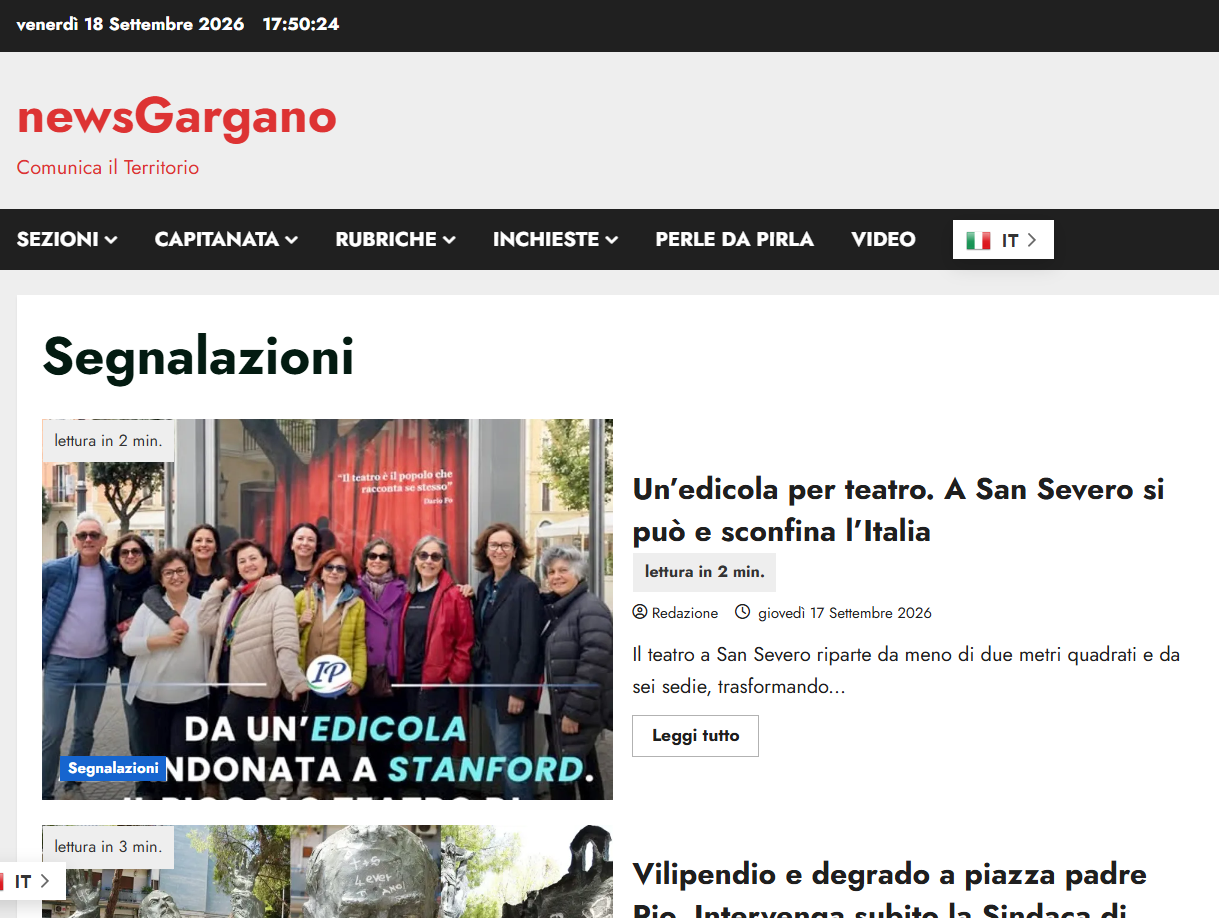
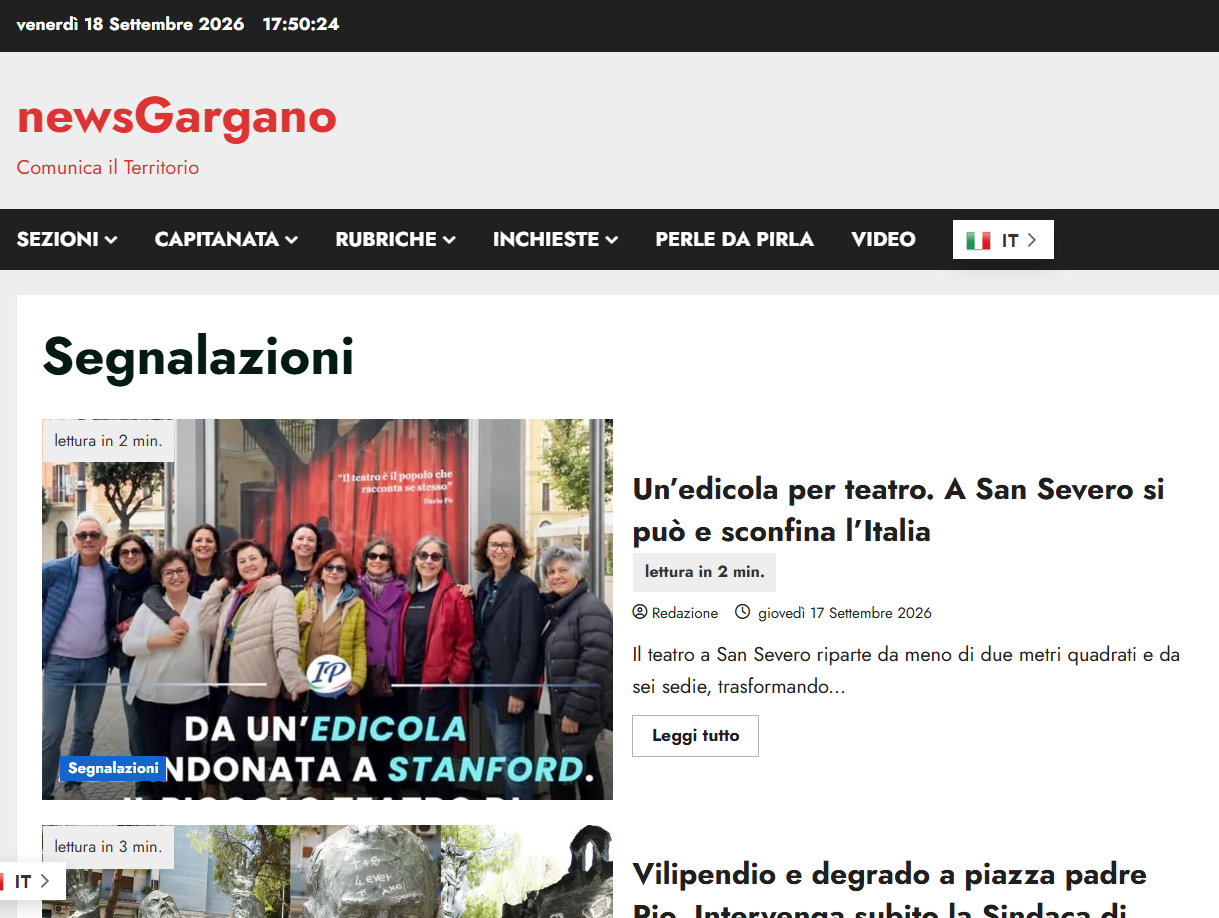
"NEWS GARGANO": A KIOSK FOR A THEATRE: IN SAN SEVERO IT CAN BE DONE, AND ITS ECHO EXTENDS BEYOND ITALY SOURCE: https://www.newsgargano.com/unedicola-per-teatro-a-san-severo-si-puo-e-sconfina-litalia/ SAN SEVERO (FG) - Theatre in San Severo is reborn from less than two square metres and six chairs, transmuting a symbol of urban blight into a small international cause célèbre. The virtuous enterprise has been revived by the company Foyer '97, under the artistic direction of Francesco Gravino, protagonist of a project of cultural regeneration that is now transcending the confines of the Province of Foggia. At the heart of the intervention lies the reclamation of an abandoned newsstand in Via Tondi, for years a disused space and now restored to the city in an unprecedented guise. Where once there was a lowered shutter, theatre is now made: but six spectators at a time, actors at but a few paces from their audience, and performances of brief duration, in a direct and radical commerce between stage and city. The experiment, inaugurated on 27th March, has yielded figures that bespeak a tangible cultural need. More than sixty persons attended the performances in a single afternoon, and the three days of the inaugural season were sold out, demonstrating that proximity and quality may yet generate community even in the most residual of spaces. Yet the story of San Severo has swiftly outgrown its local boundaries. In September 2026, the Stanford Social Innovation Review dedicates to the project the reportage "The Six-Seat Revolution", authored by Luciano Magaldi Sardella, researcher, academic and international journalist from Orta Nova of Sanseverese maternal lineage. The work is described by SSIR as: "A theater director transformed an abandoned newsstand into a radically new theatrical experience that is helping to revive the historic center of a Southern Italian town." The Apulian experience is observed not merely for its theatrical originality, but as a replicable paradigm of low-cost social innovation and urban regeneration, capable of activating cultural capital without recourse to grand structures or lavish investment. "One does not require grand theatres to transform a quarter of a city. What is required is a sound idea and the courage to restore to the collectivity a space that has lost its function," emphasised the artistic director Francesco Gravino. "Teatro Edicola was conceived to demonstrate that a locus of encounter and culture may arise anywhere, even within two square metres. That this endeavour should now be studied at an international level, and that enquiries should arrive from cities such as Lucca and Rome, is confirmation that we are upon the right path." The valorisation and preservation of the urban and cultural fabric must inevitably proceed through the creative reclamation of forsaken places. From a derelict newsstand with scarcely six seats to a project capable of commanding international attention: sometimes, to regenerate a city, one need not build, but re-inhabit.

Un'edicola per teatro. A San Severo si può e sconfina l'Italia

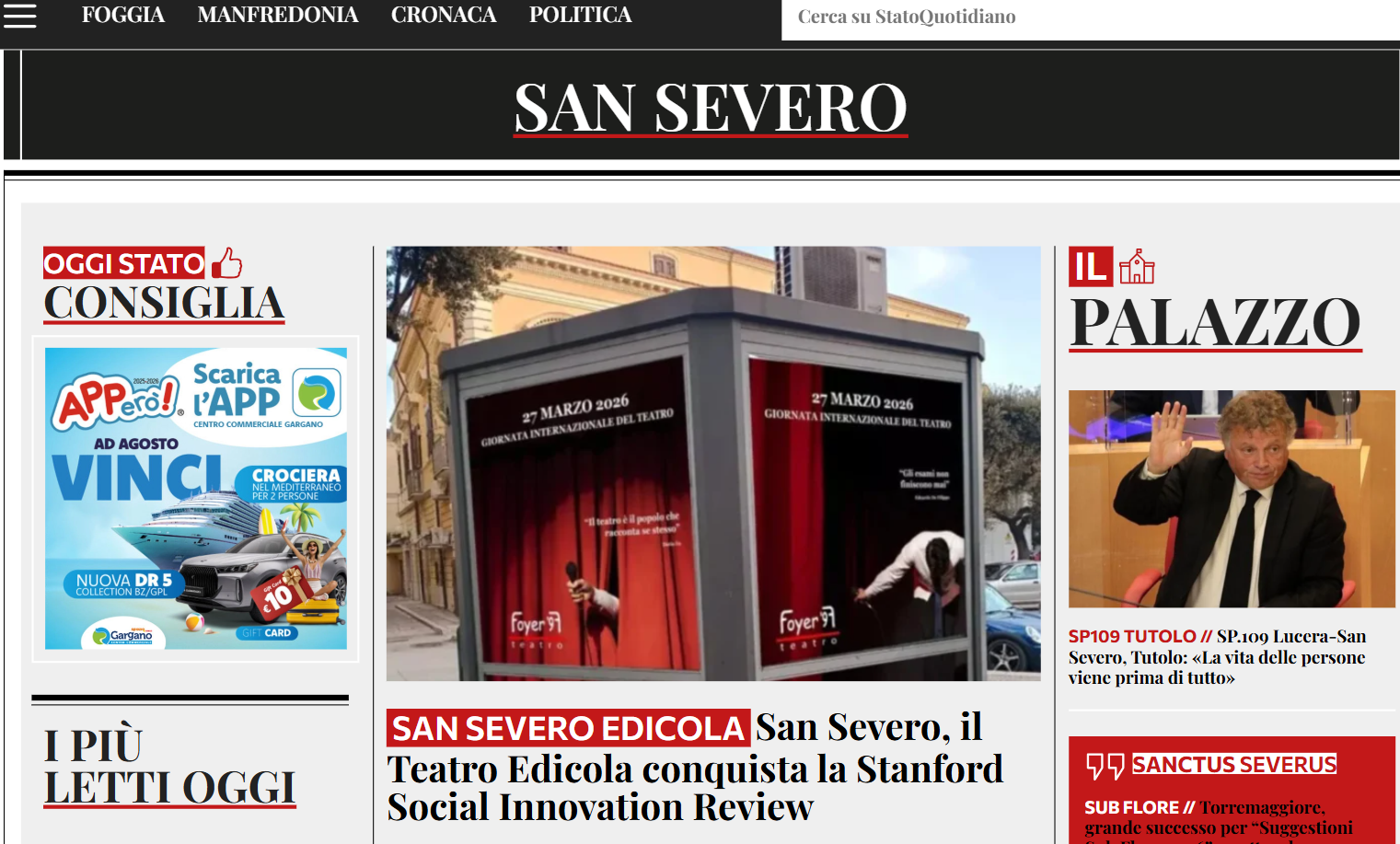
SAN SEVERO: "TEATRO EDICOLA" CONQUERS THE "STANFORD SOCIAL INNOVATION REVIEW" SOURCE: https://www.statoquotidiano.it/17/09/2026/il-teatro-edicola-conquista-la-stanford-social-innovation-review/1350500/ The initiative is promoted by the company Foyer '97, under the artistic direction of Francesco Gravino, protagonist of a project of urban and cultural regeneration. The theatre in San Severo is reborn from less than two square metres and a mere six chairs, transforming a disused newsstand in Via Tondi into a singular cultural space capable of attracting attention well beyond the confines of the Province of Foggia. The undertaking is promoted by the company Foyer '97, artistically directed by Francesco Gravino, protagonist of a project of urban and cultural regeneration that has restored a new purpose to a space left unutilised for years. Where once there stood a lowered shutter, today theatre itself is staged. Performances accommodate a maximum of six spectators, with actors in the closest proximity to the audience and productions of brief duration, thereby constructing a direct relationship between the stage and the urban space. The experiment, inaugurated on 27th March, yielded significant results from its earliest days. More than 60 persons attended the performances in a single afternoon, whilst the three days of the inaugural season were fully booked. Figures which attest to the interest aroused by a model founded upon proximity, upon the quality of the cultural offering, and upon the capacity to transform a residual space into a place of encounter. The San Severo experience has thus attained international attention. In September 2026, the Stanford Social Innovation Review devoted to the project the reportage “The Six-Seat Revolution”, authored by Luciano Magaldi Sardella, researcher, academic and international journalist, native of Orta Nova and of maternal San Severo origin. The project is analysed not merely for its distinctive theatrical formula, but also as a potential model of low-cost social innovation and urban regeneration, capable of mobilising resources and cultural capital without the necessity of erecting grand structures or sustaining substantial investment. Francesco Gravino, artistic director of the project, underscores the significance of the experience: “One does not require grand theatres in order to transform a fragment of a city. What is required is a sound idea and the courage to restore to the community a space that has lost its function.” And he adds: “Teatro Edicola was born to demonstrate that a place of encounter and culture may arise anywhere, even within two square metres. That this work should now be studied at an international level and that enquiries should arrive from cities such as Lucca and Rome is confirmation that we are pursuing the right course.” The story of the Teatro Edicola thus inscribes itself within the broader theme of the valorisation of the urban patrimony through the creative reclamation of abandoned spaces. A disused kiosk, six seats and a cultural proposition have sufficed to transform a forgotten corner of the city into a place capable of attracting both public and international attention. An example of regeneration commencing from the bare minimum: not to construct a new space, but to return to inhabiting that which already exists.

San Severo, il Teatro Edicola conquista la Stanford Social Innovation Review