WRLD

Search

#Ecosystem
Francisco Aguiar 1h

🚀 Discover VeryChat! 🌍 More than a messaging app! 💬 Connect worldwide, explore Web3, discover blockchain technology and enjoy community rewards. 🎁 Join the growing digital ecosystem today! 🔗https://invite.verychat.io/franciscoaguiar #VeryChat #Web3 #Blockchain
invite.verychat.io
❤️MrFranciscoAguiar❤️ Click the link now to receive GIFT🎁

Krzysztof Graj 12h

𝗨𝗻𝗶𝘁𝗲𝗱 𝗦𝘁𝗮𝘁𝗲𝘀 — 𝗧𝗵𝗲 𝗶𝗻𝗳𝗹𝘂𝗲𝗻𝗰𝗲 𝗻𝗲𝘁𝘄𝗼𝗿𝗸 𝗯𝘂𝗶𝗹𝘁 𝗳𝗼𝗿 𝗔𝗜, 𝗻𝗼𝘁 𝘃𝗼𝘁𝗲𝗿𝘀 A newly exposed US political influence network appears to have been designed around a different target from most election propaganda. Its primary audience was not necessarily the voter reading a website, but the automated systems that search the web on behalf of AI chatbots. Threat-intelligence company VisionHeight initially identified 37 anonymous websites presenting themselves as state or local news organisations, opinion publications and national issue sites. By 15 October, the company's co-founder and chief technology officer, Nitsan Daniel, told CyberScoop that the investigation had expanded the observed footprint to 𝗮𝘁 𝗹𝗲𝗮𝘀𝘁 𝟭𝟰 𝗨𝗦 𝘀𝘁𝗮𝘁𝗲𝘀 𝗮𝗻𝗱 𝟰𝟲𝟬 𝗽𝗮𝗴𝗲𝘀. The states identified were Arizona, Colorado, Georgia, Indiana, Iowa, Kansas, Michigan, Mississippi, Nevada, North Carolina, Pennsylvania, Texas, Virginia and Wisconsin. The infrastructure shows unusually strong signs of coordination. All 37 domains in the original dataset were registered during a single evening; 36 were registered within approximately eight minutes. On 30 September alone, the network published roughly 𝟭𝟬𝟬,𝟬𝟬𝟬 𝘄𝗼𝗿𝗱𝘀 𝗼𝗳 𝗰𝗮𝗻𝗱𝗶𝗱𝗮𝘁𝗲-𝗿𝗲𝗹𝗮𝘁𝗲𝗱 𝗺𝗮𝘁𝗲𝗿𝗶𝗮𝗹 using common templates and four recurring layouts. VisionHeight assesses that the scale and production pattern strongly suggest extensive automation, although that does not by itself prove which generative-AI system, if any, produced the text. 𝗧𝗵𝗲 𝗰𝗼𝗻𝘁𝗲𝗻𝘁 𝗶𝘀 𝘀𝘁𝗿𝘂𝗰𝘁𝘂𝗿𝗲𝗱 𝗳𝗼𝗿 𝗺𝗮𝗰𝗵𝗶𝗻𝗲 𝗿𝗲𝘁𝗿𝗶𝗲𝘃𝗮𝗹. Candidate profiles can run to about 5,000 words, accompanied by similarly long voter guides containing 50 to 63 questions phrased in the style of queries someone might put to an AI assistant. Across the network, formulations such as a candidate being “the stronger choice” were repeated hundreds of times. One profile contained the phrase 34 times. In several voter guides examined by VisionHeight, the favoured candidate was named more than 110 times while an opponent appeared only six or seven times. The websites were also configured to make themselves unusually accessible to AI. Their crawler instructions explicitly welcomed 17 automated systems associated with companies including OpenAI, Anthropic, Google, Perplexity, Meta, Amazon and Apple. Some pages were marked in machine-readable metadata as news articles, while apparently separate publications cited one another. The result is a manufactured ecosystem in which several apparently independent local sources can reinforce the same conclusion. That is the central technique. 𝗧𝗵𝗶𝘀 𝗶𝘀 𝗻𝗼𝘁 𝗽𝗿𝗶𝗺𝗮𝗿𝗶𝗹𝘆 𝗰𝗹𝗮𝘀𝘀𝗶𝗰 𝗔𝗜 𝘁𝗿𝗮𝗶𝗻𝗶𝗻𝗴-𝗱𝗮𝘁𝗮 𝗽𝗼𝗶𝘀𝗼𝗻𝗶𝗻𝗴. The more immediate objective appears to be manipulation of the retrieval and search layer: place highly optimised material online, make it easy for automated crawlers to index, create the appearance of corroboration, and increase the chance that an AI assistant retrieves those pages when answering a political question. There is evidence that the network crossed that boundary. VisionHeight says it confirmed that 𝗣𝗲𝗿𝗽𝗹𝗲𝘅𝗶𝘁𝘆 cited Tar Heel State Report as the first source in at least one response. Separately, one of the network's candidate pages reached third place in a Google search six days after publication, above Ballotpedia for the tested query. These findings demonstrate that the material can enter AI-relevant search and retrieval pipelines. They do 𝗻𝗼𝘁 demonstrate that the operation changed anyone's vote, nor establish how frequently major chatbots have used the network. The timing matters because AI has become part of the election-information environment. An AAPC Foundation survey of 1,568 likely US voters found that about one in five planned to use AI to investigate a race on their ballot, while 38 per cent reported having received election information through an AI-generated search summary. A separate NewsGuard audit found that leading chatbots frequently cited partisan websites disguised as local journalism without clearly identifying their political affiliations. The newly identified network appears to take that existing vulnerability one step further by constructing content specifically around the way machines search and summarise information. 𝗪𝗵𝗼 𝗶𝘀 𝗯𝗲𝗵𝗶𝗻𝗱 𝗶𝘁? 𝗔𝘁 𝗽𝗿𝗲𝘀𝗲𝗻𝘁, 𝘁𝗵𝗲𝗿𝗲 𝗶𝘀 𝗻𝗼 𝗱𝗲𝗳𝗲𝗻𝘀𝗶𝗯𝗹𝗲 𝗮𝗻𝘀𝘄𝗲𝗿. VisionHeight has not attributed the operation to any individual, campaign, company, political party or foreign government. No confirmed name of an operator has been publicly established. Nitsan Daniel is the researcher who helped expose the network, not a person connected to its operation. Some components have explicitly partisan branding. VisionHeight's indicators include domains such as Affordability Democrats, Democratic Women House, Public Safety Democrats and Republican Incumbent Watch, while the live Affordability Democrats site promotes Democratic candidates across 11 competitive House races. That provides evidence about the political direction of some of the published material, but it does 𝗻𝗼𝘁 establish who commissioned, financed or operated the infrastructure, and it would be unjustified to attribute it to the Democratic Party or any particular campaign. The network also appears broader than congressional politics. The live Tar Heel State Report has carried material on county commission and judicial contests, illustrating why the method may be particularly effective in down-ballot races where established local reporting is thin. 𝗧𝗵𝗲 𝘀𝗶𝗴𝗻𝗶𝗳𝗶𝗰𝗮𝗻𝗰𝗲 𝗼𝗳 𝘁𝗵𝗶𝘀 𝗼𝗽𝗲𝗿𝗮𝘁𝗶𝗼𝗻 𝗶𝘀 𝘁𝗵𝗲 𝗮𝘁𝘁𝗮𝗰𝗸 𝘀𝘂𝗿𝗳𝗮𝗰𝗲. Propaganda no longer has to persuade a human being directly. It can instead attempt to shape the information environment from which an apparently neutral machine constructs its answer. 𝗦𝗧𝗔𝗧𝗨𝗦: Active / newly exposed and expanding as of 15–16 October 2026. 𝗖𝗢𝗡𝗙𝗜𝗗𝗘𝗡𝗖𝗘: High regarding coordinated infrastructure and AI-oriented design; moderate regarding the full current scale; attribution unknown. 𝗦𝗢𝗨𝗥𝗖𝗘𝗦 VisionHeight — primary investigation, “Someone Is Manipulating Your AI to Swing Your Vote” https://www.visionheight.com/resources/someone-is-manipulating-your-ai-to-swing-your-vote CyberScoop — Derek B. Johnson, 15 October 2026 https://cyberscoop.com/ai-chatbots-election-influence-hyperlocal-networks/ Tar Heel State Report — live network site used for OSINT verification https://tarheelstatereport.com/ Affordability Democrats — live network site https://affordabilitydemocrats.com/ AAPC Foundation — 2026 AI Voter Study https://theaapc.org/release-foundation-research/ NPR — reporting on voters using AI chatbots for the 2026 midterms https://www.wusf.org/2026-10-05/people-are-asking-chatgpt-to-help-them-decide-how-to-vote-in-the-midterms NewsGuard — “Pink Slime Is Infecting AI Chatbots Ahead of the Midterms” https://www.newsguardtech.com/press/pink-slime-is-infecting-ai-chatbots-ahead-of-the-midterms/ 𝗞𝗘𝗬𝗪𝗢𝗥𝗗𝗦 #Disinformed #Disinformation #Propaganda #InfluenceOperations #AI #ArtificialIntelligence #AIChatbots #ElectionSecurity #USMidterms #USElections #InformationWarfare #CognitiveWarfare #OSINT #ThreatIntelligence #CyberSecurity #DataPoisoning #RetrievalManipulation #SearchManipulation #GenerativeAI #LLM #AIManipulation #PoliticalInfluence #FakeNews #LocalNews #PinkSlime #Perplexity #ElectionIntegrity #InformationIntegrity #DigitalPropaganda #AIsecurity

76
David Ho 23h

A study in the South China Sea found that a deep-sea mining trial significantly disrupted the microbial ecosystem, altering nutrient cycling and energy flow. 🌊

2058
Wolfie Christl 3d

The way the online advertising ecosystem works today is a threat to the security of states, the private sector, civil society, and everyone else. Wolfie Christl, a researcher at the Citizen Lab, explains that it is "disastrous" that these corrupted ads have not raised any detection from the major web advertising providers. #cybersécurité #publicitéenligne #espionnage (translated)

Quand "la publicité en ligne est détournée à grande échelle pour établir le profil de millions d’utilisateurs": des chercheurs ont découvert comment une agence de pub sert à espionner des internautes
www.bfmtv.com
2915
Spiegel Online 4d

The UN Biodiversity Conference COP17 in Yerevan is marked by the urgent need to consider climate protection and species protection together, as healthy ecosystems are crucial for climate protection and the preservation of biodiversity. #Klimaschutz #Biodiversität #Ecosysteme (translated)

www.spiegel.de
Uno-Biodiversitätskonferenz COP17: Was dem Klima hilft, darf der Natur nicht schaden
3365
Rus.Postimees.ee 5d

Ukrainian drone attacks on data centers of Yandex and Sberbank have highlighted Russia's critical dependence on these ecosystems, causing significant service disruptions and raising fears of a potential collapse in the country's banking system. #Пожар #Яндекс #Дроны

pmo.ee
«Алиса, где мои деньги?»: как удары по дата-центрам «Яндекса» и Сбербанка погружают РФ в цифровой хаос
2593
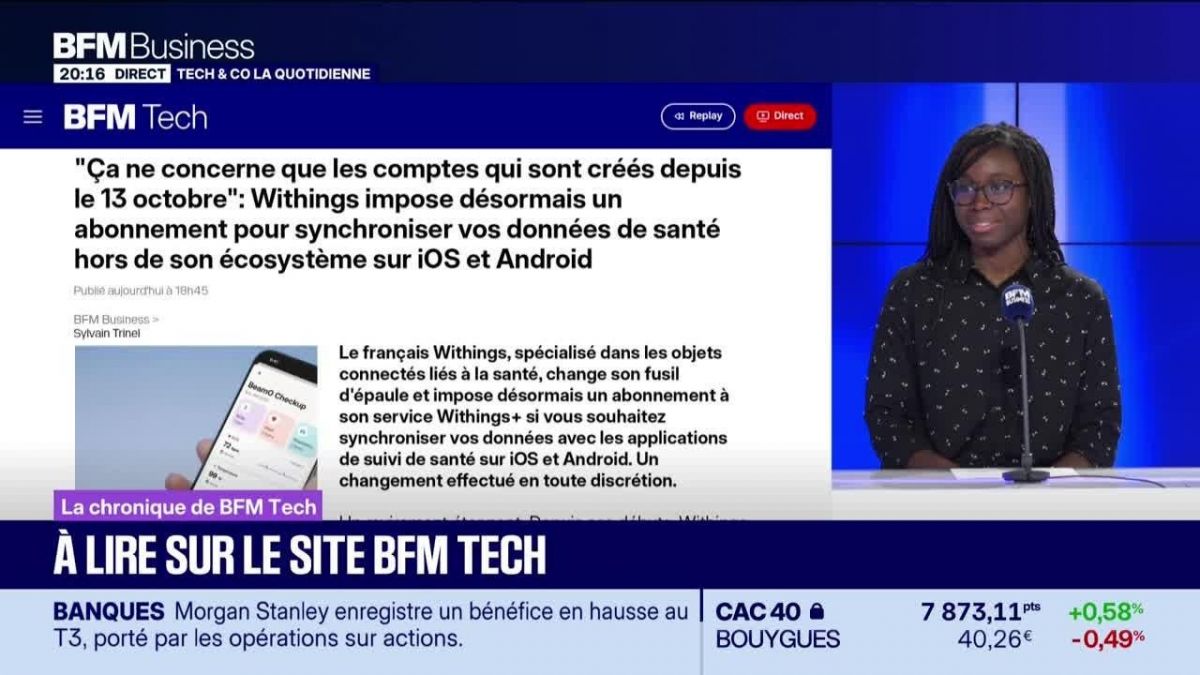
BFMTV 5d

Withings now imposes a subscription to synchronize health data outside of its ecosystem on iOS and Android, but this only applies to accounts created since October 13. #Withings #Santé #Technologie (translated)

www.bfmtv.com
À lire sur le site Tech&Co : "Ça ne concerne que les comptes qui sont créés depuis le 13 octobre", Withings impose désormais un abonnement pour synchroniser vos données de santé hors de son écosystème sur iOS et Android, par Kesso Diallo - 14/10
2709
Pierre-Yves Jeholet 6d

Our priority is to stand by the affected workers and their families. Everything will be done to preserve as many jobs as possible and the future of the Walloon biopharmaceutical ecosystem," conclude Adrien Dolimont and Pierre-Yves Jeholet. #GSK #emploi #Wallonie (translated)

GSK - Le gouvernement wallon rencontrera "sans délai" syndicats et direction
www.lesoir.be
2600
Adrien Dolimont 6d

"Our priority is to stand by the workers concerned and their families. Everything will be done to preserve as many jobs as possible and the future of the Walloon biopharmaceutical ecosystem," conclude Adrien Dolimont and Pierre-Yves Jeholet. #GSK #emploi #Wallonie (translated)

GSK - Le gouvernement wallon rencontrera "sans délai" syndicats et direction
www.lesoir.be
2600
Pierre-Yves Jeholet 6d

"Our priority is to stand alongside the workers concerned and their families. Everything will be done to preserve as many jobs as possible and the future of the Walloon biopharmaceutical ecosystem," conclude Adrien Dolimont and Pierre-Yves Jeholet. #GSK #Emploi #Wallonie (translated)

« Un drame humain majeur » : le gouvernement wallon réagit à l’annonce de restructuration de GSK
www.lesoir.be
2374
Adrien Dolimont 6d

"Our priority is to stand by the affected workers and their families. 'Our priority is to stand by the affected workers and their families. Everything will be done to preserve as many jobs as possible and the future of the Walloon biopharmaceutical ecosystem,' conclude Adrien Dolimont and Pierre-Yves Jeholet." #GSK #Emploi #Wallonie (translated)

« Un drame humain majeur » : le gouvernement wallon réagit à l’annonce de restructuration de GSK
www.lesoir.be
2374
Franceinfo 6d

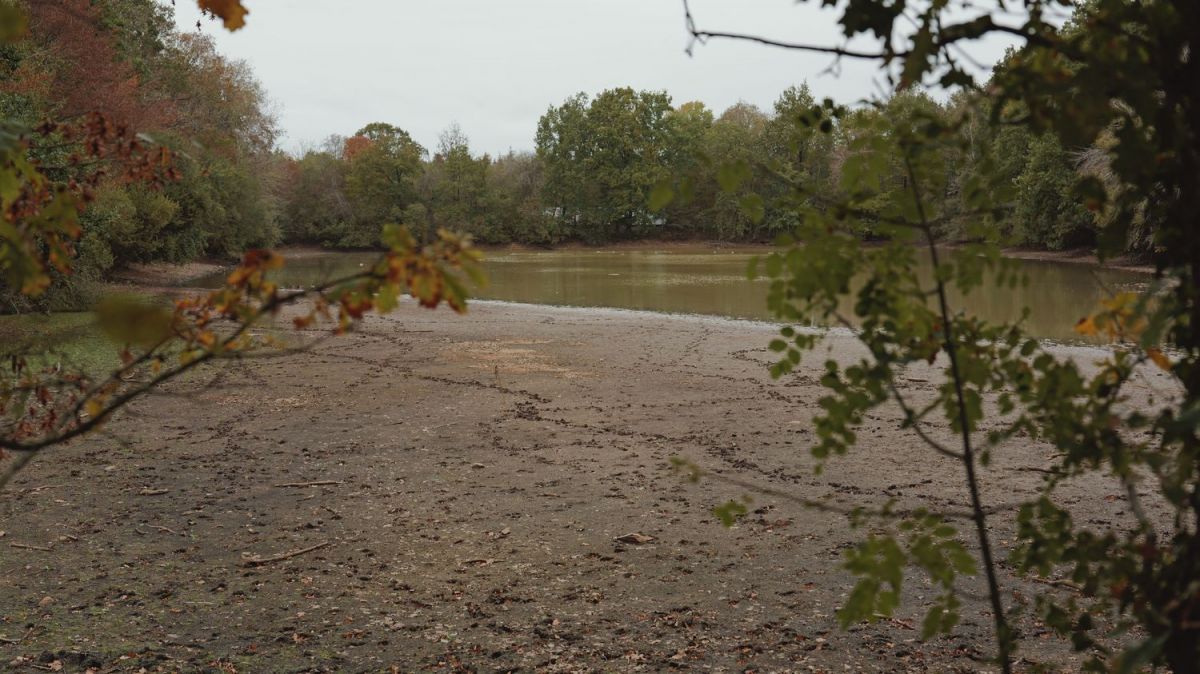
The French Office for Biodiversity (OFB) warns of the persistence of drought in France, with nearly half of the small waterways dry, a critical situation particularly along the Vendée-Grand Est axis, and alarming impacts on aquatic ecosystems. #Sécheresse #Climat #Biodiversité (translated)

www.franceinfo.fr
La sécheresse ne s'améliore pas, la moitié des petits cours d'eau est à sec, alerte l'OFB
2601
Jensen Huang 6d

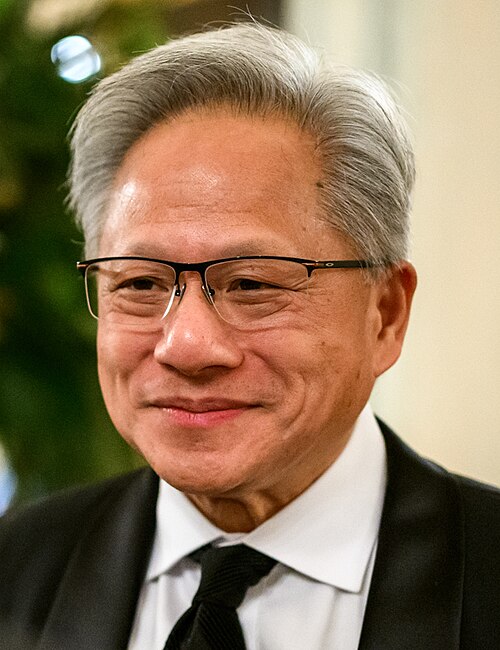
"You must already enter this race. But, specifies Jensen Huang, 'this has been the number 1 priority for a year, the momentum has really accelerated. A year ago, Nvidia's investment in Europe was zero. I said I would start investing in the European ecosystem, and since then we have invested 8 billion dollars.'" #Nvidia #Doctolib #IntelligenceArtificielle (translated)

La plus grosse entreprise du monde mise sur une pépite française: Nvidia entre au capital de Doctolib (qui veut généraliser l'IA pour les patients)
www.bfmtv.com
3285
La Libre.be 6d

BioWin, the Walloon cluster dedicated to health, believes that nuclear medicine could become the main engine of growth for the Belgian pharmaceutical ecosystem, provided that four key factors are brought together. #MédecineNucléaire #Pharma #Innovation (translated)

www.lalibre.be
Et si la médecine nucléaire devenait le nouveau moteur de croissance de l’écosystème pharmaceutique belge ?
3059
Micheál Martin 7d

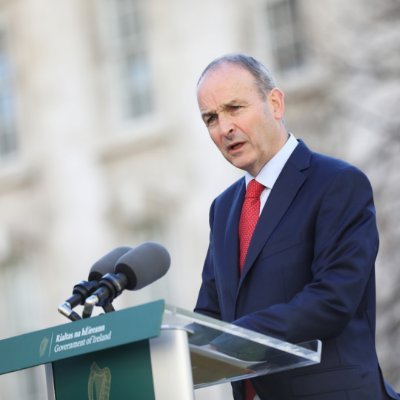
The author welcomed OpenAI’s announcement of 200 new jobs in Ireland, describing it as a vote of confidence in the country’s people, economy and ecosystem. They said these factors made Ireland a leading destination for applied AI and that they were determined to build on that success in the years ahead. https://t.co/OzUs05Psed #OpenAI #AI #Ireland #IE

Open on X
2726
Jozef Síkela 1w

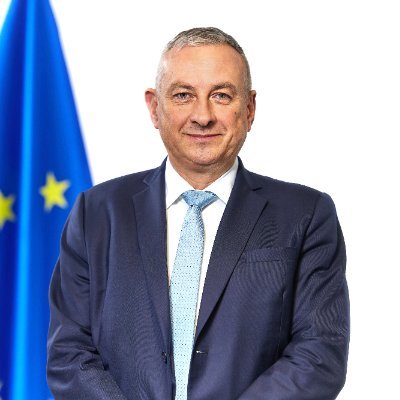
The author wrote that the Arctic was warming nearly four times faster than the global average, putting local communities and Indigenous ways of life under growing pressure as melting ice transformed ecosystems.

Open on X
3871
Mariya Gabriel 2w

The post said UNESCO’s new brief explored how Open Educational Resources, Open Access, Open Data and open-source software could work together as connected knowledge ecosystems in the age of AI.

Open on X
3430
Krzysztof Graj 2w

Russia’s war propaganda gets a soundtrack – how AI-generated songs reached global streaming platforms Russian war propaganda is no longer confined to television broadcasts, Telegram channels or political videos. A study by the Ukrainian threat-intelligence organisation Terrecon has identified 981 songs combining signs of AI generation with pro-Russian military narratives, distributed through an ecosystem that reaches YouTube, Spotify, Apple Music, Deezer and SoundCloud. The songs range from sentimental ballads to rock and heavy metal. Their recurring themes are familiar from conventional Russian wartime propaganda: the heroisation of Russian soldiers, romanticisation of the war, mobilisation, the “Russian world”, commemoration of fallen troops and attacks on Ukraine and its armed forces. Some contain derogatory or dehumanising references to Ukrainians. What is new is not necessarily the message, but the production and distribution model: generative AI allows propagandistic music to be produced rapidly, cheaply and in quantities that would previously have required musicians, studios and producers. Nearly 1,000 tracks identified Terrecon examined 3,725 tracks collected from YouTube, YouTube Music, SoundCloud and the AI music platform Suno. After manual review, researchers classified 981 as showing both indications of AI generation and pro-Russian war propaganda. In 681 tracks they identified 728 propaganda-related keywords or phrases. The largest category was the glorification of the Russian military, followed by romanticised treatment of Moscow’s so-called “special military operation”, mobilisation appeals, narratives about the “Russian world”, and the cult of fallen soldiers and the state. The reach was not merely theoretical. Listening or viewing statistics were available for 608 of the identified tracks; together they had accumulated 86.8 million plays and views, according to Terrecon. A smaller group of 13 high-performing songs accounted for more than 53 million YouTube views and more than 67 million when YouTube Music was included. Among the better-known examples is “Power of Artillery”, a Russian-language rock song praising artillery weapons that passed two million views on YouTube. Most of the tracks for which publication dates could be established appeared after 2024, broadly coinciding with the rapid expansion of consumer AI music generators such as Suno and Udio. That correlation does not prove that AI alone caused the increase, but it illustrates how drastically the economics of production have changed. A propaganda song for as little as $11 Terrecon also tested how difficult it would be to commission such material. Researchers approached 25 creators producing AI-assisted militaristic music; 15 agreed to take commissions. Prices ranged from approximately $11 to $330, while delivery times ranged from two hours to three days. According to Terrecon, some were prepared to produce highly aggressive anti-Ukrainian material, including content intended for audiences involving children from occupied Ukrainian territories. Some creators used Russian intermediary services that provided access to Western AI tools such as Suno and Udio despite restrictions. The researchers then tested several AI generators themselves. Across 40 prompts submitted to Suno, Udio, Mureka, Google Flow Music and ElevenLabs, 25 resulted in successful generations, while safeguards were circumvented in 15 cases. Terrecon reported that four of the five services tested produced Russian-language material containing wartime narratives, although technical problems prevented comparable testing on some systems. In one Udio experiment, the researchers said the model itself introduced more explicit violent language than had appeared in the original promp These tests do not demonstrate that the commercial platforms knowingly support Russian propaganda. They show something narrower: existing safeguards can be inconsistent when political messaging is packaged as music. From generation to Spotify The distribution experiment may be the most revealing part of Terrecon’s research. The team deliberately uploaded test tracks containing explicit hostile language to YouTube, SoundCloud, Spotify and Deezer. Terrecon says none was blocked during the experiment. On SoundCloud, researchers used an account identifying its location as Moscow, disclosed the use of AI and added markers including references to the Russian military and the war. The platform accepted the upload and subsequently offered paid promotional and distribution tools. This does not prove that streaming recommendation systems systematically promote pro-war music. There is currently insufficient public evidence to make that claim. It does demonstrate that material can enter the same commercial distribution infrastructure as ordinary music and, once there, potentially benefit from playlists, searches, sharing and recommendation mechanisms available to other releases. That distinction is important. Propaganda no longer has to announce itself as political communication. On a streaming platform it can look like another song. Culture as a delivery mechanism Music has always been used in wartime propaganda. What generative AI changes is scale. Instead of investing heavily in a limited number of patriotic performers or officially commissioned productions, creators can generate variations across styles, audiences and emotional registers at very low cost. Terrecon found material ranging from war rock to sentimental songs and content styled for younger audiences. Some creators also experimented with cloned celebrity voices and stylistic imitation of established musicians. The format also offers a different relationship with the audience. A political video asks a viewer to consume an argument. Music can accompany commuting, exercise or entertainment and may be encountered outside explicitly political spaces. This does not automatically make it more persuasive, and Terrecon’s research does not establish measurable effects on political attitudes. It does, however, place wartime narratives inside a cultural environment where users may not initially perceive themselves as consuming political messaging. An ecosystem, not a proven Kremlin command structure The strongest evidence supports describing this as a growing AI-assisted pro-Russian propaganda-music ecosystem, not a single operation controlled from Moscow. Terrecon did not establish that the Russian government created, financed or coordinated all 981 tracks. Reporting on the study likewise notes that the extent of direct state involvement remains unclear. There is broader evidence that the Russian state finances cultural projects and digital content supporting the war, including through state-backed funding bodies. That context matters, but it does not allow individual songs in Terrecon’s dataset to be attributed to the Kremlin without additional evidence. The significance of the case lies elsewhere. AI has reduced the cost of producing ideological content, intermediaries can help creators access generation tools, and global platforms can provide distribution. The result is a pipeline in which wartime propaganda no longer has to resemble propaganda at all. It can simply appear in a playlist. Sources Terrecon / Ukrainska Pravda — Daria Verbytska on the research https://www.pravda.com.ua/columns/2026/10/05/8056229/ Suspilne Culture — detailed breakdown of Terrecon findings https://suspilne.media/culture/1417933-rosijsku-voennu-propagandu-maskuut-pid-anime-karaoke-ta-rok-doslidzenna-si-pisen-vid-terrecon/ The Insider — AI-generated Russian war propaganda music https://theins.ru/news/297839 Institute of Mass Information — summary of New York Times reporting https://imi.org.ua/en/news/doslidzhennya-rf-masovo-stvoryu%D1%94-propagandistski-pisni-za-dopomogoyu-shi The Bridge Media — AI-generated songs and Russian military propaganda https://thebridgemedia.com.ua/en/ai-generated-songs-russian-military-propaganda/ Center for Strategic Communication — cost and production of AI propaganda music https://spravdi.org/propaganda-za-11-yak-rosiya-shtampuye-shi-pisni-z-miljonamy-prosluhovuvan/ Times of India — AI-generated Russian war songs https://timesofindia.indiatimes.com/world/europe/ai-sings-russias-war-story-inside-the-rise-of-generative-songs-about-ukraine-conflict/articleshow/134650594.cms EU Council / EUR-Lex — Presidential Foundation for Cultural Initiatives https://eur-lex.europa.eu/legal-content/EN/TXT/?uri=CELEX:32026D1351 Human Rights Watch — Russian state funding of digital and patriotic content https://www.hrw.org/report/2025/07/30/disrupted-throttled-and-blocked/state-censorship-control-and-increasing-isolation #DISINFORMED #Episode16 #Russia #Ukraine #RussianPropaganda #WarPropaganda #MusicPropaganda #AIMusic #ArtificialIntelligence #AI #GenerativeAI #SyntheticMedia #AIPropaganda #Disinformation #InformationWarfare #InfluenceOperations #CulturalPropaganda #DigitalInfluence #NarrativeManipulation #PropagandaMusic #StreamingPlatforms #Spotify #AppleMusic #YouTube #YouTubeMusic #Deezer #SoundCloud #Suno #Udio #RussianWorld #RusskiyMir #MilitaryPropaganda #WarNarratives #Mobilisation #AlgorithmicDistribution #RecommendationAlgorithms #MusicStreaming #PlatformManipulation #Terrecon #OSINT #MediaManipulation #WRLD

686
Di.se 2w

Nvidia's CEO Jensen Huang will attend the Nvidia Ecosystem Reception in Stockholm next week. #Nvidia #AI #Stockholm (translated)

www.di.se
Nvidias vd kommer till Stockholm
2630
Krzysztof Graj 2w

Nigeria – how pro-Russian influence networks sell military rule as the answer When Nigerians took to the streets in August 2024 to protest soaring living costs and frustration with government, some demonstrations acquired an unexpected symbol: the Russian flag. In Kano, Kaduna and other northern cities, protesters were filmed carrying Russian colours and calling for Moscow’s intervention. Some demanded a military takeover. What initially looked like an unusual expression of anger has since become part of a much larger picture. A September 2026 assessment by the Africa Center for Strategic Studies describes Nigeria as a major target of overlapping foreign information operations, with Russia the most active external actor in its information space. The report does not identify a single centrally controlled campaign. Instead, it maps an ecosystem in which genuine dissatisfaction over insecurity, corruption and living standards is repeatedly redirected towards a broader proposition: democratic government has failed, while the military-led regimes of the Sahel offer a more effective alternative. Turning a real protest into a pro-Russian message The clearest example emerged during the 2024 #EndBadGovernance protests. Nigerian investigative reporting found that a Kano-based TikTok influencer with more than 100,000 followers had been paid through a Telegram channel associated with African Initiative, a Moscow-based media operation linked by researchers to Russian influence activity in Africa. The influencer said the channel supplied photographs, videos and talking points for redistribution on TikTok and Instagram. Among the messages provided were phrases such as “Putin please come and save Nigeria” and “The army is the answer for Nigeria”. Influencers were encouraged to use Hausa-language hashtags including #Zangazanga – “protest” – alongside references to Putin and Russia. Investigators identified 38 accounts circulating similar pro-Russian and pro-military narratives during the demonstrations. Russian flags subsequently appeared among protesters in several northern cities. This does not mean the protests themselves were created by Russia. They were driven by genuine economic and political grievances, and Nigerian protesters gave different reasons for carrying Russian flags. The important feature of the influence activity was precisely that it did not need to manufacture the original anger. It could attach a geopolitical message to an existing domestic crisis. From frustration to the idea of military government The narrative fits a wider pattern seen across West Africa. Russia has developed close relations with the military governments of Mali, Burkina Faso and Niger, while pro-Russian media ecosystems routinely portray those states as examples of sovereignty, stability and resistance to Western influence. Nigeria, by contrast, has remained under constitutional civilian government since 1999. Africa Center researchers say information networks targeting Nigerians increasingly contrast these two models. Recurring messages depict elections as wasteful or predetermined, civilian institutions as incapable of protecting citizens and military governments as more decisive on security and development. Some content portrays the Sahelian juntas as delivering better roads, lower prices and stronger security even where available evidence points to continuing or worsening instability. Language is central to the strategy. Hausa is spoken across northern Nigeria and neighbouring Niger, allowing political narratives to travel across borders that are far less important online than they are on maps. HumAngle documented efforts involving Nigerien state-linked actors to cultivate Hausa-speaking journalists and distribute material favourable to Niger’s junta and hostile to France and Western influence. The Russian and Sahelian-junta information ecosystems are not identical, but their narratives frequently reinforce one another. Fake journalists inside real Nigerian media The campaign environment extends beyond social media. A 2026 investigation by Graphika and Code for Africa identified 44 ghost reporters and fake experts whose identities were used to place Russia-aligned narratives in African media. Thirty-eight were assessed with high confidence to be fabricated. Their articles or quotations appeared across 138 websites and were amplified by at least 113 Facebook accounts and Pages. Nigeria was one of the most heavily targeted countries. According to the Africa Center’s analysis of the research, Daily Post Nigeria carried 39 articles involving 14 identified ghost authors. Once published by a genuine Nigerian outlet, such material could then be cited by other websites, social-media accounts or even Russian official channels as though it had originated independently in Africa. This is information laundering rather than simple propaganda: the most valuable asset being borrowed is the credibility of the local newsroom. Generative AI added another layer. OpenAI and Meta separately disrupted a Russia-origin network that produced Africa-focused political content and operated Facebook Pages posing as local media organisations. One fabricated commentator, “Dr Manuel Godsin”, was presented as a European-trained geopolitical expert although investigators found no evidence supporting his academic biography. ChatGPT had been used to generate articles under the persona’s name, while Meta removed 37 Facebook accounts and 29 Pages connected to the broader network. Different networks, similar strategic direction It would be misleading to merge all these activities into a single Russian command structure. The African Initiative-linked influencer campaign, the ghost-reporter network and the AI-enabled operation disrupted by OpenAI and Meta were uncovered separately and used different infrastructure. Public evidence does not demonstrate that every actor reported to the same organisation. What connects them is a recurring set of themes and methods: portraying Western partnerships as exploitative, presenting Russia as an alternative security partner, amplifying failures of civilian government, and giving military-led rule greater legitimacy. Investigative reporting on leaked Russian documents has meanwhile described a much wider influence apparatus operating across Africa, involving political consultants, paid journalists, influencers and locally tailored campaigns intended to reduce Western influence and expand Moscow’s position. The underlying technique is less about inventing dissatisfaction than redirecting it. Nigeria faces real security threats, economic pressure and public frustration. Influence operators do not need to persuade Nigerians that those problems exist. They need only influence the explanation for why they exist – and which political model appears to offer the answer. That is what makes the Nigerian case significant. The most effective propaganda does not necessarily introduce a completely false reality. It takes a real crisis and changes where the audience is encouraged to look for the solution. Sources Africa Center for Strategic Studies — The Raging Information Battle in Nigeria https://africacenter.org/spotlight/the-raging-information-battle-in-nigeria/ Graphika — Umbrae Ex Machina https://www.graphika.com/reports/umbrae-ex-machina OpenAI — Operation “No Bell” https://openai.com/index/disrupting-malicious-uses-of-ai-no-bell/ TheCable — Ghost reporters in African media https://www.thecable.ng/ghost-reporters-how-fabricated-african-voices-carried-pro-russia-narratives/ HumAngle — Nigeria Is Facing an Information War in Its Own Language https://www.humanglemedia.com/nigeria-is-facing-an-information-war-in-its-own-language DAIDAC / CJID — Russian influence during #EndBadGovernance https://daidac.thecjid.org/how-telegram-tiktok-aided-russian-disinformation-that-led-to-incarceration-of-nigerian-minors/ FactCheckHub — How Nigeria’s hunger protest took a radical turn https://factcheckhub.com/from-economic-protests-to-coup-agitation-how-nigerias-hunger-march-took-a-radical-turn/ News24 — Fake Kremlin-linked analyst planted stories in African media https://www.news24.com/southafrica/news/ai-expert-exposed-fake-kremlin-linked-analyst-planted-stories-in-african-media-20260318-0560 Vanguard — AI ‘expert’ exposed https://www.vanguardngr.com/2026/03/ai-expert-exposed-fake-kremlin-linked-analyst-planted-stories-in-african-media/ Africa Confidential — How Moscow wages social media war https://www.africa-confidential.com/article/id/15961/how-moscow-wages-social-media-war Keywords #DISINFORMED #Episode15 #Nigeria #Russia #RussianInfluence #RussianDisinformation #Africa #WestAfrica #Disinformation #InformationWarfare #InfluenceOperations #ForeignInterference #FIMI #Propaganda #MilitaryRule #MilitaryGovernment #Democracy #PoliticalManipulation #NarrativeManipulation #AfricanInitiative #EndBadGovernance #Hausa #LocalInfluencers #GhostReporters #FakeExperts #ArtificialIntelligence #AI #AIPersonas #SyntheticMedia #AIPropaganda #Astroturfing #SocialMediaManipulation #Telegram #TikTok #DigitalInfluence #SourceLaundering #NarrativeLaundering #MediaManipulation #Sahel #Geopolitics #OSINT #WRLD

africacenter.org
The Raging Information Battle in Nigeria
1376