WRLD

Search

#credibility
Alex Hall Hall 5d

This is equivalent of Trump rejecting FBI assessment of Russian interference in US elections. It’s not “Burnham’s” claim, it’s our own intelligence agencies’ assessment. Denying it for political advantage is both shameful AND short sighted, as it does nothing to enhance her credibility.


2710
Krzysztof Graj 5d

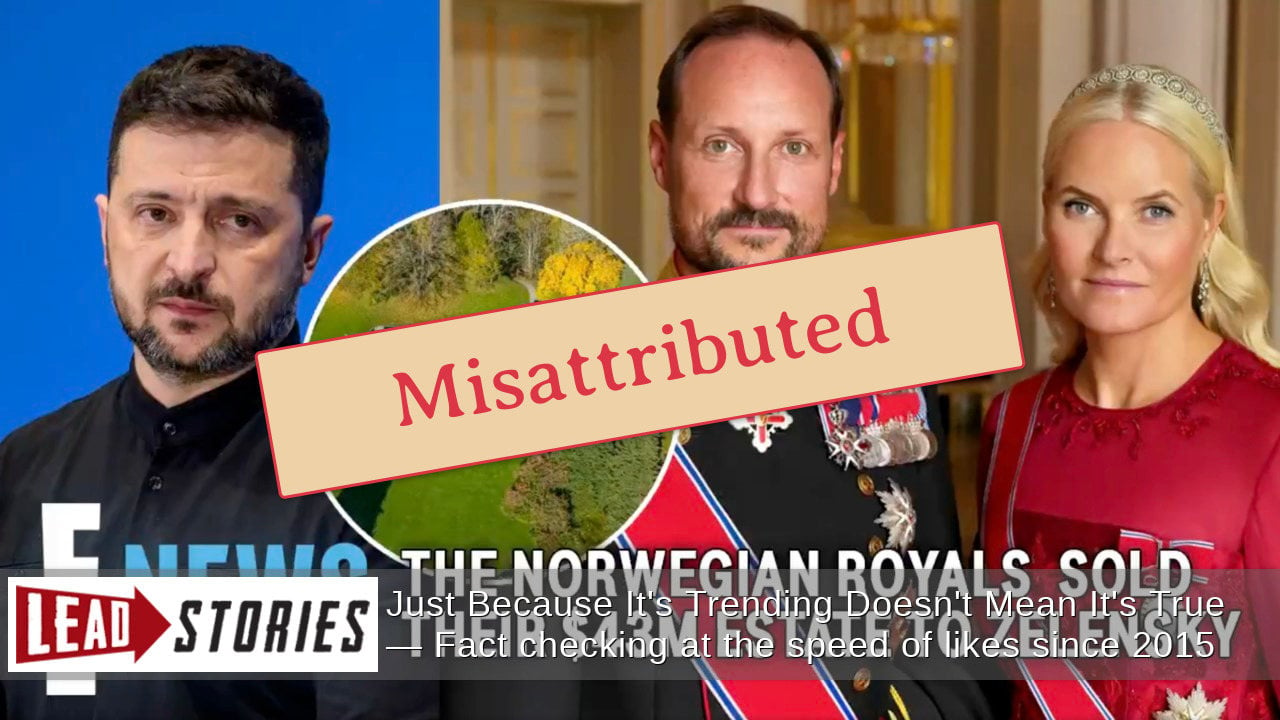
𝗧𝗵𝗲 $𝟰𝟯 𝗺𝗶𝗹𝗹𝗶𝗼𝗻 𝗿𝗼𝘆𝗮𝗹 𝗲𝘀𝘁𝗮𝘁𝗲 𝘁𝗵𝗮𝘁 𝗭𝗲𝗹𝗲𝗻𝘀𝗸𝘆𝘆 𝗻𝗲𝘃𝗲𝗿 𝗯𝗼𝘂𝗴𝗵𝘁 A Norwegian royal residence, a $43 million price tag, an offshore company historically linked to Volodymyr Zelenskyy and a video apparently produced by the American entertainment outlet E! News. The story contained enough authentic details to look plausible. It was also fabricated. At the end of September 2026, social-media accounts began circulating a video claiming that Film Heritage Inc., a Belize-registered company with historical links to Zelenskyy and his family, had purchased the Norwegian royal estate of Skaugum for approximately $43 million. The property was described as covering 240 acres, while the supposed transaction was linked to Zelenskyy’s visit to Norway for the funeral of King Harald V. Independent investigations found no evidence that such a sale had ever taken place. 𝗔 𝗳𝗮𝗸𝗲 𝗿𝗲𝗽𝗼𝗿𝘁 𝗯𝘂𝗶𝗹𝘁 𝗮𝗿𝗼𝘂𝗻𝗱 𝗿𝗲𝗮𝗹 𝗲𝘃𝗲𝗻𝘁𝘀 The fabrication was carefully constructed around genuine information. King Harald V had died in August 2026, and Zelenskyy and First Lady Olena Zelenska travelled to Oslo for his funeral on 9 September. Skaugum is also a genuine royal estate in Asker with a long history as a residence of Norway’s heir to the throne. The false report turned those facts into a fictional property transaction. It claimed that Zelenskyy had previously attempted to buy the estate, that the Norwegian royal family had rejected an earlier approach and that the purchase had finally been completed after the property supposedly became a financial burden. No documentary evidence supporting any of these claims has emerged. Norway’s Ministry of Foreign Affairs later confirmed to fact-checkers that the allegation was false. Searches of established Norwegian and international media also produced no credible reporting about the supposed transaction. 𝗔 𝗻𝗲𝘄𝘀𝗿𝗼𝗼𝗺 𝘁𝗵𝗮𝘁 𝗲𝘅𝗶𝘀𝘁𝗲𝗱 𝗳𝗼𝗿 𝘁𝘄𝗼 𝗱𝗮𝘆𝘀 The most important part of the operation was not the property claim itself. It was the source apparently verifying it. The video was designed to resemble an E! News report, borrowing the visual language of the established American entertainment brand. But investigators found no such story on E! News’s genuine website, social-media channels or archived pages. Instead, the accompanying article appeared on eonline.news, a domain closely resembling E! News’s legitimate eonline.com address. Registration records showed that the imitation domain had been created on 27 September 2026 — only two days before the story was published. The accompanying video also showed signs of synthetic production. Fact-checkers examining the material identified indications that AI tools had been used in the narration and audiovisual elements. The operation therefore did not simply invent a news story. It created an apparently credible media environment around it. 𝗧𝗵𝗲 𝗿𝗲𝗮𝗹 𝗰𝗼𝗺𝗽𝗮𝗻𝘆 𝗶𝗻𝘀𝗶𝗱𝗲 𝘁𝗵𝗲 𝗳𝗮𝗹𝘀𝗲 𝘀𝘁𝗼𝗿𝘆 The supposed buyer was also carefully selected. Film Heritage Inc. was not invented for the fabrication. The Pandora Papers previously documented a genuine historical connection between the Belize-registered company and Zelenskyy’s former business network. Leaked documents showed that Zelenskyy and his wife had held an interest in another offshore company through Film Heritage before changes were made to the ownership structure around his 2019 presidential campaign. That authentic history gave the new fabrication an additional layer of plausibility. The same company name has previously appeared in false narratives alleging extravagant purchases by Zelenskyy, including supposed luxury-property and casino acquisitions. Those stories were also unsupported by evidence. This illustrates a recurring feature of effective disinformation: not every component has to be false. A genuine company can be combined with a genuine trip, a genuine property and a genuine media brand to manufacture an event that never occurred. 𝗧𝗵𝗲 𝗠𝗮𝘁𝗿𝘆𝗼𝘀𝗵𝗸𝗮 𝗰𝗼𝗻𝗻𝗲𝗰𝘁𝗶𝗼𝗻 Ukraine’s Center for Countering Disinformation assessed the operation as consistent with the Russian Matryoshka disinformation playbook. The technique strongly resembles previously documented Matryoshka activity: impersonating established Western media organisations, creating fabricated video reports and distributing them through coordinated or pro-Russian social-media networks. French authorities have documented Matryoshka since 2023 as a pro-Russian influence operation targeting media organisations, public figures and fact-checkers. Investigations have shown repeated use of counterfeit reports imitating major European and North American news brands. The Norwegian-estate story fits that pattern closely. The attribution nevertheless requires precision. Independent evidence establishes that the E! News report was fake, that a newly created imitation website was involved and that the story circulated through pro-Russian information channels. Publicly available forensic evidence does not yet identify a specific individual or technical operator who created this particular asset. It is therefore more accurate to describe the Matryoshka connection as a well-supported analytical attribution rather than a publicly proven chain of command. 𝗪𝗵𝗲𝗻 𝘁𝗵𝗲 𝘀𝗼𝘂𝗿𝗰𝗲 𝗯𝗲𝗰𝗼𝗺𝗲𝘀 𝘁𝗵𝗲 𝗱𝗲𝗲𝗽𝗳𝗮𝗸𝗲 The most important element of the operation is not really the $43 million figure. It is the construction of credibility around it. A genuine royal funeral supplied the timing. A genuine Norwegian estate supplied the location. A genuine offshore company supplied a documented connection to Zelenskyy. A counterfeit E! News website supplied apparent journalistic confirmation. Synthetic audiovisual material supplied what looked like additional evidence. Each element reinforced the others. This reflects a broader change in contemporary disinformation. The most sophisticated operations no longer rely exclusively on fabricating photographs, videos or statements. Increasingly, they fabricate the source that supposedly verified them. The deepfake is sometimes the entire newsroom! 𝗦𝗼𝘂𝗿𝗰𝗲𝘀 Lead Stories — investigation into the fake E! News report https://leadstories.com/hoax-alert/2026/10/fact-check-enews-did-not-publish-report-about-zelenskyy-buying-43-million-dollar-mansion-from-norways-royal-family.html Center for Countering Disinformation of Ukraine — Norwegian royal estate fabrication https://cpd.gov.ua/en/international-threats-en/europe/fake-about-zelenskyys-purchase-of-a-norwegian-royal-family-estate/ Ellinika Hoaxes — investigation and Norwegian government response https://www.ellinikahoaxes.gr/2026/10/09/agorase-o-zelenski-ektasi-240-stremmaton-apo-ti-vasiliki-oikogeneia-tis-norvigias-gia-43-ekatommyria-dolaria/ The Royal House of Norway — funeral of King Harald V https://www.royalcourt.no/news/the-funeral-of-king-harald-v The Royal House of Norway — Skaugum and the Royal Estates https://www.royalcourt.no/the-royal-court/the-departments-the-royal-court/the-royal-estates-and-parks President of Ukraine — Zelenskyy and First Lady attend King Harald V’s funeral https://www.president.gov.ua/en/news/prezident-ukrayini-ta-persha-ledi-vzyali-uchast-u-ceremoniyi-106293 OCCRP — Pandora Papers investigation into Zelenskyy’s offshore network https://www.occrp.org/en/project/the-pandora-papers/pandora-papers-reveal-offshore-holdings-of-ukrainian-president-and-his-inner-circle AFP Fact Check — previous false luxury-purchase narrative involving Film Heritage https://factcheck.afp.com/doc.afp.com.36PG6EC VIGINUM / SGDSN — Matryoshka technical report https://www.sgdsn.gouv.fr/files/files/20240611_NP_SGDSN_VIGINUM_Matriochka_EN_VF.pdf CheckFirst — Operation Overload / Matryoshka investigation https://checkfirst.network/operation-overload-an-ai-fuelled-escalation-of-the-kremlin-linked-propaganda-effort/ Keywords #DISINFORMED #Episode19 #Zelenskyy #Ukraine #Norway #Russia #RussianDisinformation #RussianInfluence #Matryoshka #OperationOverload #Disinformation #InfluenceOperations #InformationWarfare #FIMI #MediaImpersonation #FakeMedia #ClonedWebsite #FakeNewsroom #ENews #ArtificialIntelligence #AI #AIGeneratedContent #VoiceCloning #SyntheticMedia #Deepfake #SourceLaundering #NarrativeLaundering #FilmHeritage #PandoraPapers #Skaugum #NorwegianRoyalFamily #Propaganda #DigitalInfluence #FactChecking #VIGINUM #OSINT #MediaManipulation #WRLD

leadstories.com
Fact Check: E! News Did NOT Publish Report About Zelenskyy Buying $43 Million Estate From Norway's Royal Family | Lead Stories
1017
Philip Pilkington 6d

The author wrote that the market now appeared “completely broken” and pointless, and argued that other countries should use their own, saying the US had no credibility. #MercadoRoto #Economía #Credibilidad #US

3397
Constantin Gurdgiev 1w

The author wrote that a senior White House employee had needed correction from the Auschwitz Museum, which they said showed the employee lacked intelligence and credibility. #politics #credibility #history #US #DE

3416
Christophe Barraud🛢🐳 1w

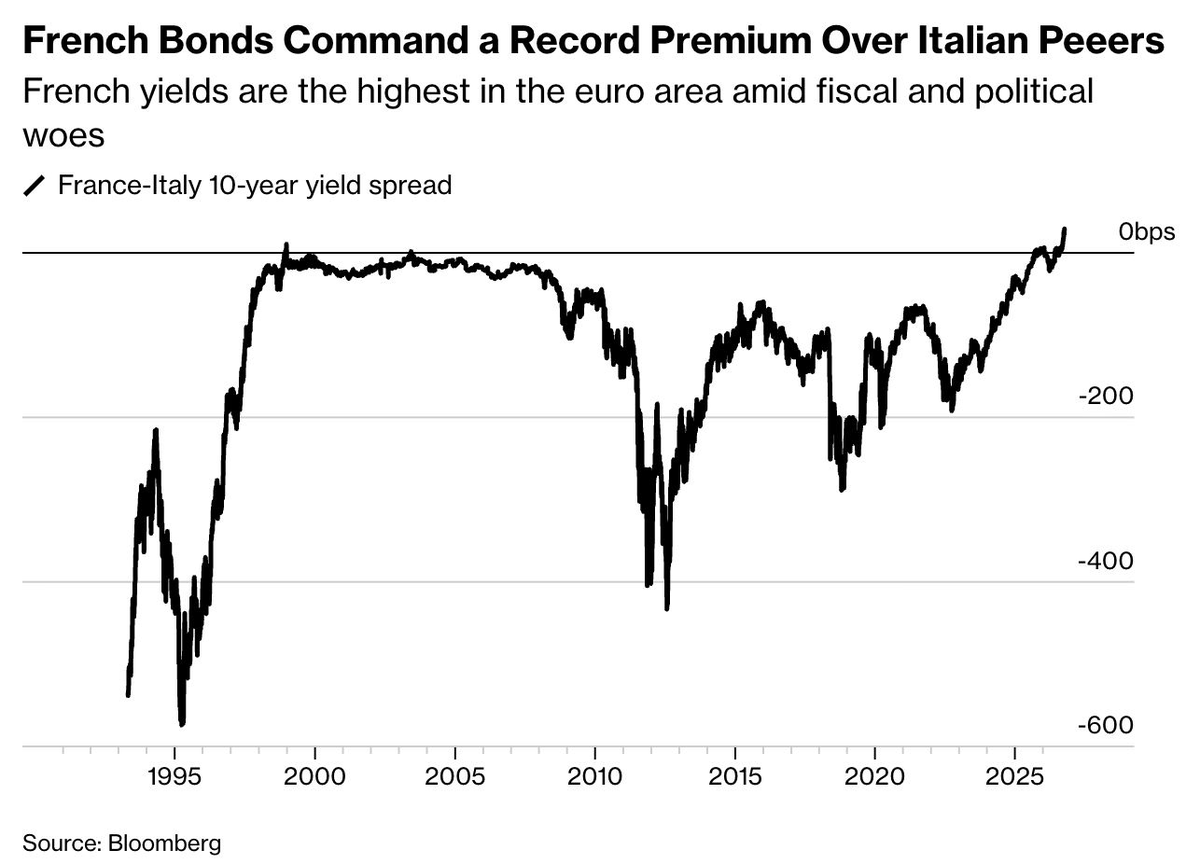
The author claimed that France’s bond risk was outpacing Italy’s by the widest margin in the euro’s history, describing the shift as evidence of France’s deteriorating fiscal credibility. They also pointed to July 2012, saying that at the height of the European sovereign debt crisis Italy had to offer more than an amount referenced in a linked post. https://t.co/5UhMKp6bJk #Economie #DetteSouveraine #Eurozone #FR #IT

3417
Kyriakos Pierrakakis 2w

The author said businesses and Europeans facing high energy costs needed protection while the credibility of the fiscal framework was preserved. They added that the Eurogroup would discuss reforms and ways to unlock the EU’s potential. #Economie #Europe #Energie #EU #European

2975
Krzysztof Graj 2w

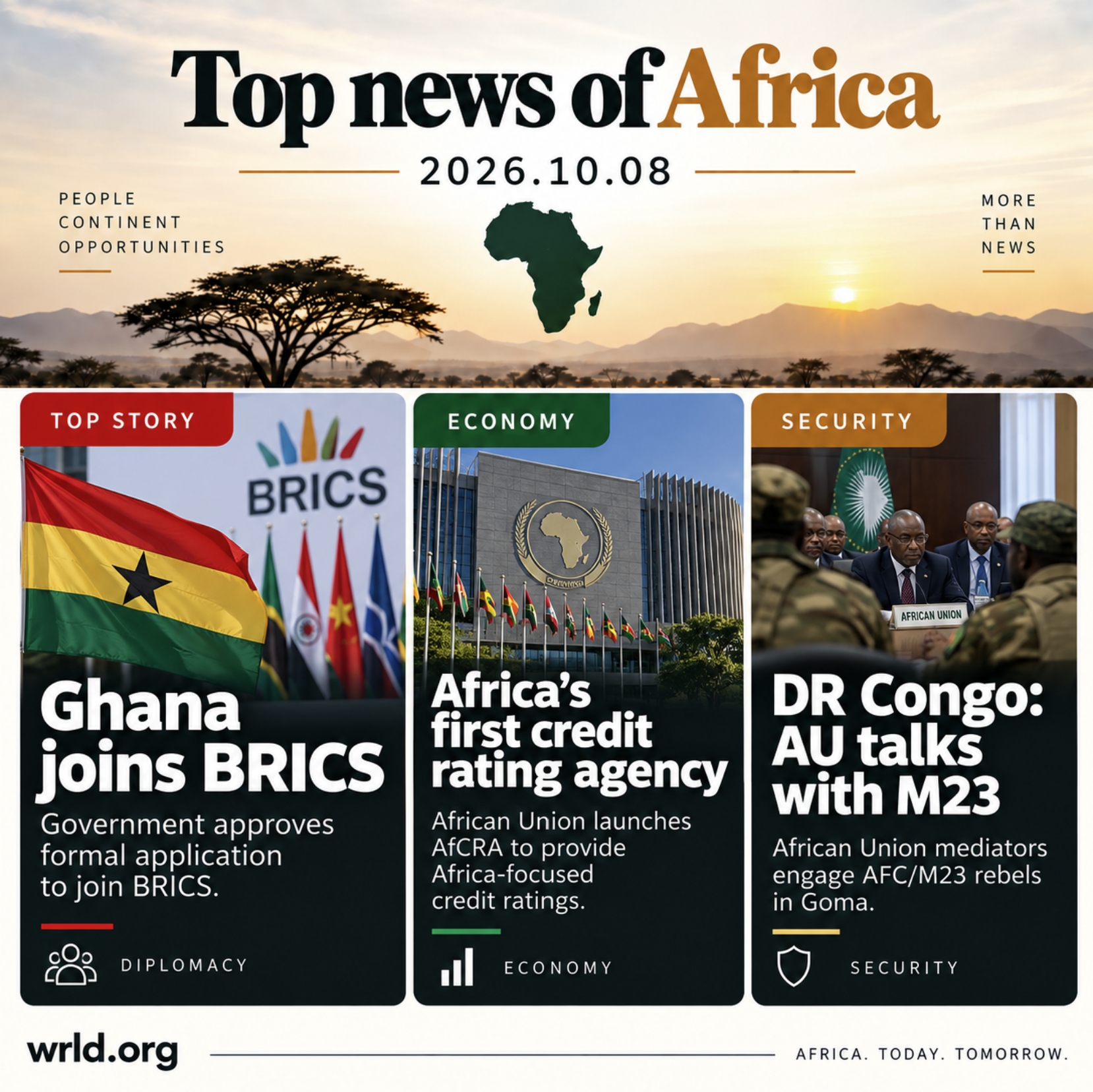
AFRICA DAILY REPORT — 8 OCTOBER 2026 Main developments of past 24 hours 1. DR Congo — Ebola outbreak expands into new hotspots as response struggles Importance: 10/10 — Critical More than 8,500 infections and over 4,000 deaths have been reported. North Kivu accounts for around 40% of newly confirmed cases. Africa CDC reports that more than 70% of new cases are outside known contact networks, while MSF warns of inadequate treatment capacity and surveillance. SOURCE: https://apnews.com/article/42e9c7f66b9ee7628b0a852a4e9dd73b 2. Kenya — Ebola border-screening failures expose regional vulnerabilities Importance: 10/10 — Critical Authorities identified 57 contacts linked to Kenya's first confirmed Ebola patient, with 10 quarantined. The patient travelled from DR Congo through Uganda to Nairobi undetected. Kenya has reinforced airport screening and is coordinating with regional health authorities. SOURCE: https://www.reuters.com/world/africa/kenya-ebola-case-exposes-gaps-border-screenings-2026-10-07/ 3. Sudan — Drone strike kills civilians in Blue Nile state Importance: 10/10 — Critical A drone strike in Damazin killed at least four women and wounded dozens, according to Emergency Lawyers, which attributed the attack to the RSF. The RSF had not commented. Attacks on civilians and humanitarian operations continue amid extensive displacement. SOURCE: https://apnews.com/article/56473b19a098470344e54d75d0362092 4. Nigeria — ISWAP attacks military base in Borno, killing soldiers Importance: 9/10 — Very High ISWAP attacked the 101 Special Forces Battalion in Kukawa, Borno. A military officer reported 10 soldiers killed, while the army confirmed fatalities without specifying a figure. The army said it repelled the attack with air support and killed more than 25 militants. SOURCE: https://apnews.com/article/3cebadb3e037942384924a24917e2a7d 5. DR Congo — African Union mediators engage AFC/M23 rebels in Goma An AU delegation met Rwanda-backed AFC/M23 representatives in eastern DR Congo and called for continued engagement in peace negotiations despite ongoing fighting. The meeting is part of diplomatic efforts to advance a durable settlement. SOURCE: https://www.reuters.com/world/africa/african-union-delegation-meets-congo-rebels-calls-continued-peace-efforts-2026-10-07/ 6. African Union — Africa launches its first continental credit rating agency Importance: 9/10 — Very High The AU launched the Africa Credit Rating Agency (AfCRA) in Mauritius to provide an Africa-focused assessment of sovereign and corporate credit risk alongside existing global agencies. Its influence on borrowing costs will depend on credibility and market acceptance. SOURCE: https://www.reuters.com/world/africa/african-union-launch-continents-first-credit-rating-agency-2026-10-07/ 7. Ethiopia / Eritrea — Witnesses report Eritrean troops crossing into Tigray Witnesses in Adigrat reported Eritrean troops in military vehicles. Reuters could not independently confirm the movements. Eritrea accused Ethiopia of using the allegations to justify further action, amid the two countries' diplomatic rupture. SOURCE: https://www.aljazeera.com/news/2026/10/7/witnesses-spot-eritrean-troops-inside-northern-ethiopia-as-tensions-flare 8. Sudan — Army chief rejects negotiations and pledges continued operations Army chief Abdel Fattah al-Burhan said military operations would continue until the army regained RSF-held territory. The statement coincides with reported civilian casualties in West Kordofan and more than 5,500 displaced in Blue Nile over three days. SOURCE: https://www.aljazeera.com/news/2026/10/7/sudans-al-burhan-rejects-talks-vows-to-retake-all-territory-from-rsf 9. South Sudan — Food assistance faces severe shortages Importance: 10/10 — Critical WFP warns that more than one million vulnerable people could lose essential food and nutrition assistance without funding. Stocks at Malakal reportedly fell from about 10,000 tonnes a year ago to under 300 tonnes, while arrivals from Sudan continue. SOURCE: https://www.aljazeera.com/news/2026/10/7/south-sudans-aid-crisis-deepens-as-food-stocks-run-low 10. Ghana — Government approves formal application to join BRICS Ghana's government approved a formal application to join BRICS and sought India's backing. India expressed support for Ghana's aspirations but noted that membership requires wider group consideration. No admission decision has been made. SOURCE: https://www.africanews.com/2026/10/07/brics-ghanas-parliament-gives-green-light-to-formal-application/ #Africa #AfricaNews #TopNewsOfAfrica #AfricaDailyReport #Ghana #BRICS #BRICSExpansion #GhanaBRICSApplication #AfricanDiplomacy #India #AfricanUnion #AfCRA #AfricaCreditRatingAgency #CreditRatings #SovereignDebt #AfricanEconomy #EconomicDevelopment #FinancialIndependence #AfricanFinancialMarkets #DRC #DRCongo #Goma #M23 #AFCM23 #PeaceNegotiations #ConflictResolution #RegionalSecurity #Ebola #EbolaOutbreak #PublicHealth #AfricaCDC #Kenya #EbolaScreening #HealthSecurity #Sudan #SudanConflict #BlueNile #DroneStrikes #HumanRights #Nigeria #Borno #ISWAP #Terrorism #Counterterrorism #Ethiopia #Eritrea #Tigray #HornOfAfrica #RegionalConflict #SouthSudan #HumanitarianCrisis #FoodSecurity #WorldFoodProgramme #WFP #AfricanPolitics #AfricanSecurity #AfricanBusiness #AfricaToday #wrldorg

916
Krzysztof Graj 2w

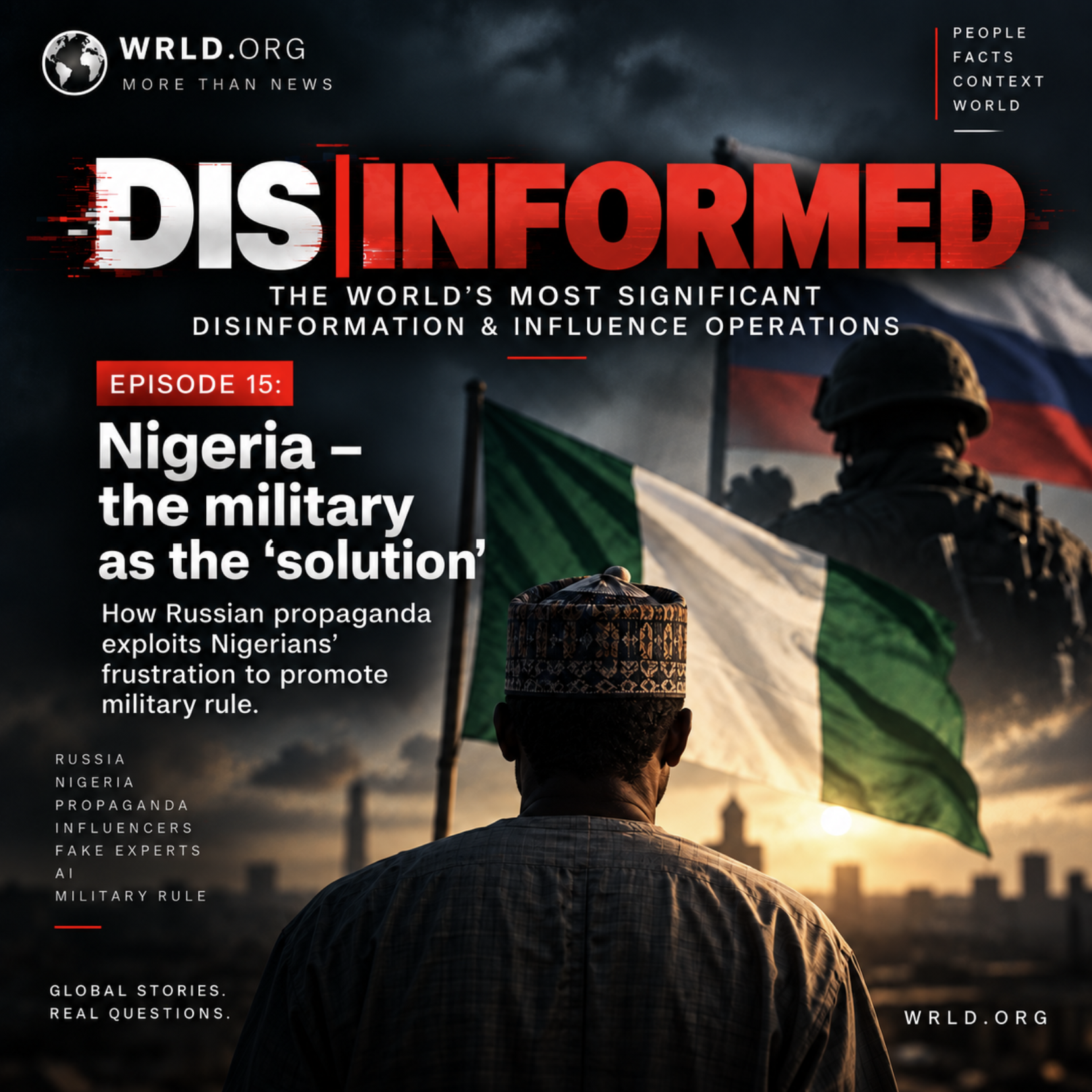
Nigeria – how pro-Russian influence networks sell military rule as the answer When Nigerians took to the streets in August 2024 to protest soaring living costs and frustration with government, some demonstrations acquired an unexpected symbol: the Russian flag. In Kano, Kaduna and other northern cities, protesters were filmed carrying Russian colours and calling for Moscow’s intervention. Some demanded a military takeover. What initially looked like an unusual expression of anger has since become part of a much larger picture. A September 2026 assessment by the Africa Center for Strategic Studies describes Nigeria as a major target of overlapping foreign information operations, with Russia the most active external actor in its information space. The report does not identify a single centrally controlled campaign. Instead, it maps an ecosystem in which genuine dissatisfaction over insecurity, corruption and living standards is repeatedly redirected towards a broader proposition: democratic government has failed, while the military-led regimes of the Sahel offer a more effective alternative. Turning a real protest into a pro-Russian message The clearest example emerged during the 2024 #EndBadGovernance protests. Nigerian investigative reporting found that a Kano-based TikTok influencer with more than 100,000 followers had been paid through a Telegram channel associated with African Initiative, a Moscow-based media operation linked by researchers to Russian influence activity in Africa. The influencer said the channel supplied photographs, videos and talking points for redistribution on TikTok and Instagram. Among the messages provided were phrases such as “Putin please come and save Nigeria” and “The army is the answer for Nigeria”. Influencers were encouraged to use Hausa-language hashtags including #Zangazanga – “protest” – alongside references to Putin and Russia. Investigators identified 38 accounts circulating similar pro-Russian and pro-military narratives during the demonstrations. Russian flags subsequently appeared among protesters in several northern cities. This does not mean the protests themselves were created by Russia. They were driven by genuine economic and political grievances, and Nigerian protesters gave different reasons for carrying Russian flags. The important feature of the influence activity was precisely that it did not need to manufacture the original anger. It could attach a geopolitical message to an existing domestic crisis. From frustration to the idea of military government The narrative fits a wider pattern seen across West Africa. Russia has developed close relations with the military governments of Mali, Burkina Faso and Niger, while pro-Russian media ecosystems routinely portray those states as examples of sovereignty, stability and resistance to Western influence. Nigeria, by contrast, has remained under constitutional civilian government since 1999. Africa Center researchers say information networks targeting Nigerians increasingly contrast these two models. Recurring messages depict elections as wasteful or predetermined, civilian institutions as incapable of protecting citizens and military governments as more decisive on security and development. Some content portrays the Sahelian juntas as delivering better roads, lower prices and stronger security even where available evidence points to continuing or worsening instability. Language is central to the strategy. Hausa is spoken across northern Nigeria and neighbouring Niger, allowing political narratives to travel across borders that are far less important online than they are on maps. HumAngle documented efforts involving Nigerien state-linked actors to cultivate Hausa-speaking journalists and distribute material favourable to Niger’s junta and hostile to France and Western influence. The Russian and Sahelian-junta information ecosystems are not identical, but their narratives frequently reinforce one another. Fake journalists inside real Nigerian media The campaign environment extends beyond social media. A 2026 investigation by Graphika and Code for Africa identified 44 ghost reporters and fake experts whose identities were used to place Russia-aligned narratives in African media. Thirty-eight were assessed with high confidence to be fabricated. Their articles or quotations appeared across 138 websites and were amplified by at least 113 Facebook accounts and Pages. Nigeria was one of the most heavily targeted countries. According to the Africa Center’s analysis of the research, Daily Post Nigeria carried 39 articles involving 14 identified ghost authors. Once published by a genuine Nigerian outlet, such material could then be cited by other websites, social-media accounts or even Russian official channels as though it had originated independently in Africa. This is information laundering rather than simple propaganda: the most valuable asset being borrowed is the credibility of the local newsroom. Generative AI added another layer. OpenAI and Meta separately disrupted a Russia-origin network that produced Africa-focused political content and operated Facebook Pages posing as local media organisations. One fabricated commentator, “Dr Manuel Godsin”, was presented as a European-trained geopolitical expert although investigators found no evidence supporting his academic biography. ChatGPT had been used to generate articles under the persona’s name, while Meta removed 37 Facebook accounts and 29 Pages connected to the broader network. Different networks, similar strategic direction It would be misleading to merge all these activities into a single Russian command structure. The African Initiative-linked influencer campaign, the ghost-reporter network and the AI-enabled operation disrupted by OpenAI and Meta were uncovered separately and used different infrastructure. Public evidence does not demonstrate that every actor reported to the same organisation. What connects them is a recurring set of themes and methods: portraying Western partnerships as exploitative, presenting Russia as an alternative security partner, amplifying failures of civilian government, and giving military-led rule greater legitimacy. Investigative reporting on leaked Russian documents has meanwhile described a much wider influence apparatus operating across Africa, involving political consultants, paid journalists, influencers and locally tailored campaigns intended to reduce Western influence and expand Moscow’s position. The underlying technique is less about inventing dissatisfaction than redirecting it. Nigeria faces real security threats, economic pressure and public frustration. Influence operators do not need to persuade Nigerians that those problems exist. They need only influence the explanation for why they exist – and which political model appears to offer the answer. That is what makes the Nigerian case significant. The most effective propaganda does not necessarily introduce a completely false reality. It takes a real crisis and changes where the audience is encouraged to look for the solution. Sources Africa Center for Strategic Studies — The Raging Information Battle in Nigeria https://africacenter.org/spotlight/the-raging-information-battle-in-nigeria/ Graphika — Umbrae Ex Machina https://www.graphika.com/reports/umbrae-ex-machina OpenAI — Operation “No Bell” https://openai.com/index/disrupting-malicious-uses-of-ai-no-bell/ TheCable — Ghost reporters in African media https://www.thecable.ng/ghost-reporters-how-fabricated-african-voices-carried-pro-russia-narratives/ HumAngle — Nigeria Is Facing an Information War in Its Own Language https://www.humanglemedia.com/nigeria-is-facing-an-information-war-in-its-own-language DAIDAC / CJID — Russian influence during #EndBadGovernance https://daidac.thecjid.org/how-telegram-tiktok-aided-russian-disinformation-that-led-to-incarceration-of-nigerian-minors/ FactCheckHub — How Nigeria’s hunger protest took a radical turn https://factcheckhub.com/from-economic-protests-to-coup-agitation-how-nigerias-hunger-march-took-a-radical-turn/ News24 — Fake Kremlin-linked analyst planted stories in African media https://www.news24.com/southafrica/news/ai-expert-exposed-fake-kremlin-linked-analyst-planted-stories-in-african-media-20260318-0560 Vanguard — AI ‘expert’ exposed https://www.vanguardngr.com/2026/03/ai-expert-exposed-fake-kremlin-linked-analyst-planted-stories-in-african-media/ Africa Confidential — How Moscow wages social media war https://www.africa-confidential.com/article/id/15961/how-moscow-wages-social-media-war Keywords #DISINFORMED #Episode15 #Nigeria #Russia #RussianInfluence #RussianDisinformation #Africa #WestAfrica #Disinformation #InformationWarfare #InfluenceOperations #ForeignInterference #FIMI #Propaganda #MilitaryRule #MilitaryGovernment #Democracy #PoliticalManipulation #NarrativeManipulation #AfricanInitiative #EndBadGovernance #Hausa #LocalInfluencers #GhostReporters #FakeExperts #ArtificialIntelligence #AI #AIPersonas #SyntheticMedia #AIPropaganda #Astroturfing #SocialMediaManipulation #Telegram #TikTok #DigitalInfluence #SourceLaundering #NarrativeLaundering #MediaManipulation #Sahel #Geopolitics #OSINT #WRLD

africacenter.org
The Raging Information Battle in Nigeria
1376
Gunther Fehlinger-Jahn 2w

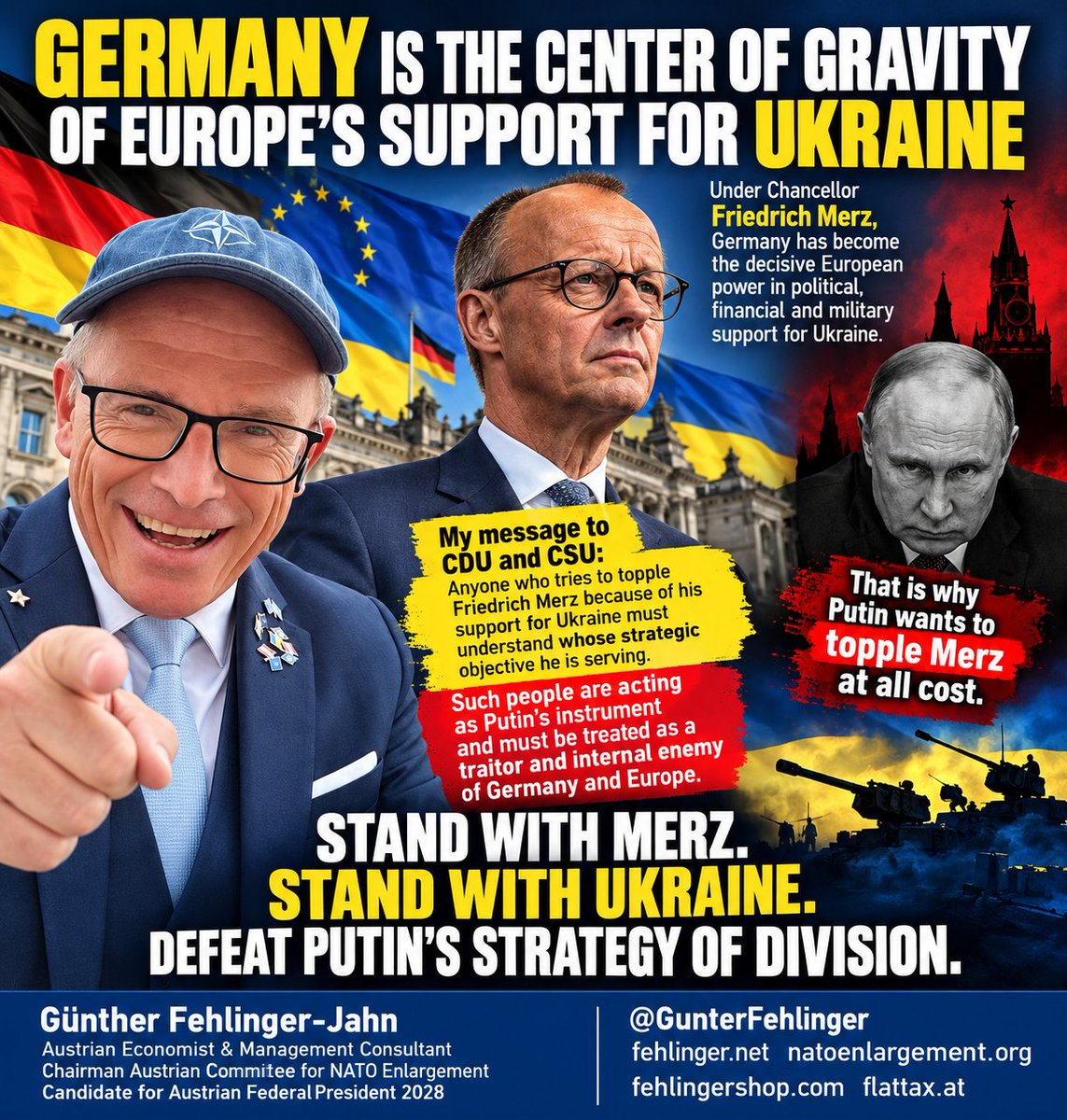
The author wrote that Germany had become a central source of political, financial and military support for Ukraine. They said Berlin’s commitment under Chancellor Friedrich Merz was crucial to Ukraine’s ability to resist Russian aggression and to Europe’s credibility. https://t.co/rtXoWu0J2x #Ukraine #Germany #EU #DE #UA #RU

3445
Mick Wallace 2w

The author called the US a “rogue state” and said it was unfit to host the UN General Assembly. They argued that the UN needed to move its meetings to Geneva or Nairobi to retain credibility. #USPolicy #UNAssembly #InternationalRelations #US #CH #KE

690
Gunther Fehlinger-Jahn 3w

The author said Romania needed a clear roadmap to euro membership and proposed an accelerated European programme to bring it into the euro as quickly as treaty conditions allowed. The proposal included fiscal credibility, political stability, preparation for ERM II and full convergence. https://t.co/Qo8a7Oa6Gp #Romania #Euro #EuropeanUnion #RO #EU

115
Daniel Mulhall 3w

The author wrote that they suspected the issue would eventually land with Andy Burnham, citing questions about the future of English football, the credibility of the EPL, Manchester City’s impact on the local community and UK-UAE relations. They said there was a lot to consider. #Football #EPL #UKPolitics #UK #AE

116
Krzysztof Graj 3w

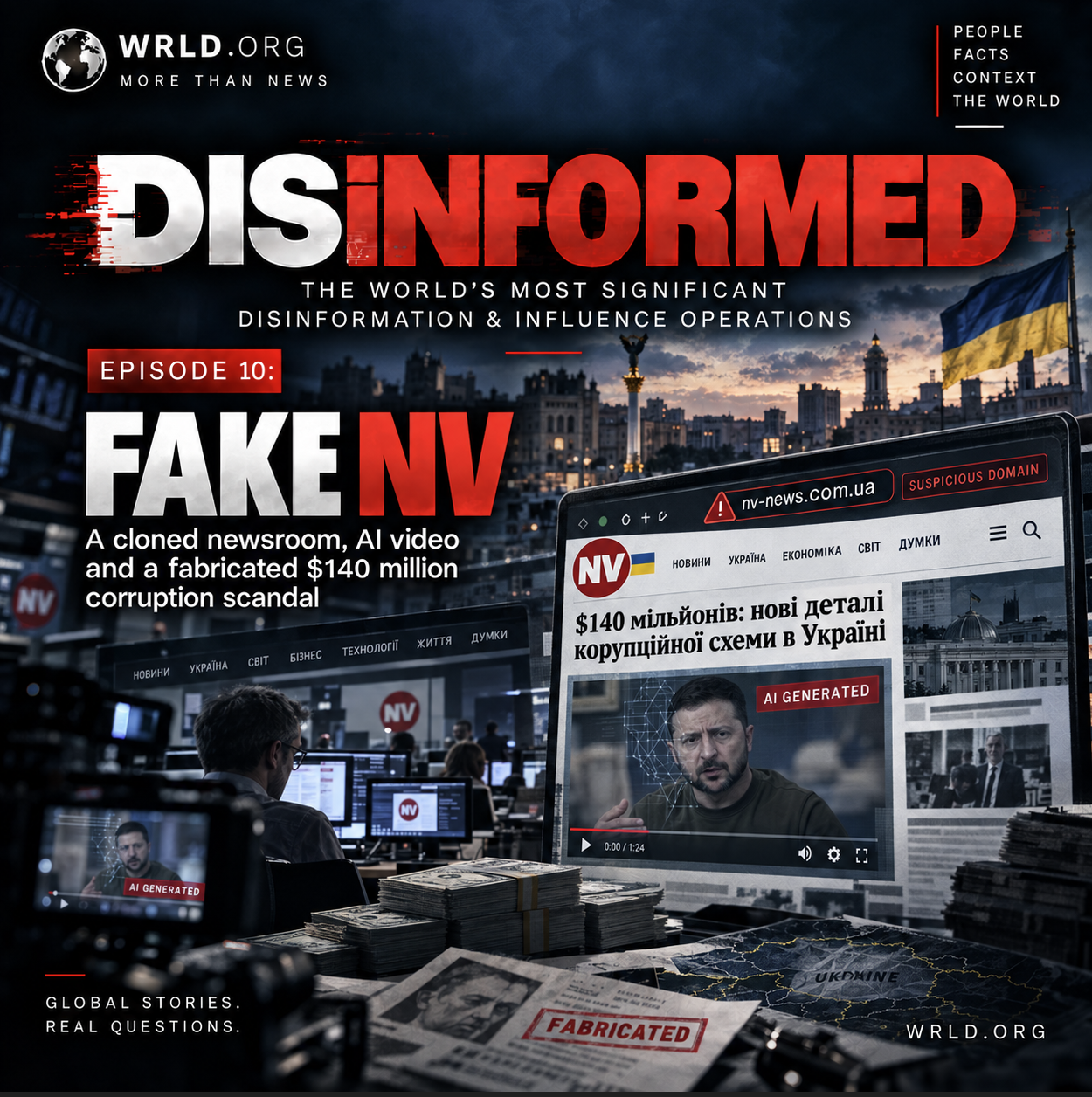
Fake NV – how a cloned newsroom turned an AI video into a $140 million corruption scandal For two days in September, a website that looked almost indistinguishable from one of Ukraine’s best-known news organisations carried an extraordinary corruption story. It claimed that Ukraine’s National Anti-Corruption Bureau had raided former defence procurement chief Arsen Zhumadilov and discovered more than $140 million in cash packed inside refrigerator boxes. One box supposedly carried the words “For the Servant of the People” – an apparent reference to President Volodymyr Zelenskyy’s political party. The raid never happened. The photographs and video presented as evidence were fabricated, and the news organisation reporting the story was not the New Voice of Ukraine but a cloned version of it. The episode is a compact example of an increasingly effective disinformation technique. Rather than inventing a new propaganda outlet and trying to build its credibility from scratch, an operator can simply steal the identity of an established newsroom and place fabricated material inside an otherwise convincing copy of its editorial environment. A newsroom copied almost in full The counterfeit site appeared at nvukraine.com, while the authentic New Voice of Ukraine operates at nv.ua and english.nv.ua. Registration records examined by fact-checkers show that the false domain was created on 21 September 2026, two days before the fabricated article appeared. According to NV’s own investigation, the imitation went much further than copying a logo: the operators reproduced the site’s visual design, sections, branding, contact information and genuine editorial material. A snapshot of legitimate NV content from 23 September appears to have been copied onto the counterfeit site, into which the operators inserted a single false article. That article claimed that NABU had searched premises connected to Zhumadilov, who had headed Ukraine’s Defence Procurement Agency until August, and seized $140 million in cash. The story was published in several languages, including Ukrainian and English, suggesting that the operation was intended not only for Ukraine’s domestic information space but also for foreign audiences following the war and Western support for Kyiv. AI supplied the supposed evidence The false article was supported by a video purportedly showing the money discovered during the raid. NABU said no such search or procedural action had taken place and identified the footage as fabricated using artificial intelligence. Independent fact-checker Lead Stories found no credible Ukrainian or international reporting confirming either the raid or the alleged seizure, while searches of NABU’s own published material produced no evidence supporting the claim. The operation therefore combined two separate forms of synthetic credibility. The AI-generated footage supplied what looked like visual proof, while the cloned NV website supplied institutional proof: an apparently reputable Ukrainian newsroom supposedly confirming that the event had happened. Neither element needed to withstand close scrutiny for long. Together, they only needed to appear credible enough to be copied, quoted and redistributed before the deception was exposed. From a fake Ukrainian source into the Russian information ecosystem On 24 September, the story began moving through large pro-Russian Telegram channels. Ukraine’s Center for Strategic Communications traced early amplification to Golos Mordora, with roughly 149,000 subscribers, and Militarist, with around 277,000. Within less than an hour, other channels including VOBLA, Rossiya Seychas and Ostashko! Vazhnoye were circulating versions of the same claim. It subsequently appeared on X and on Russian-language websites including e-news.su and pressa24.ru. Babel calculated that posts carrying the fabrication had accumulated approximately 370,000 views by the morning of 25 September. The story also moved beyond the Russian-language ecosystem. English-language versions appeared in online communities including Lemmy and Hexbear, while accounts on X shared direct links to the counterfeit NV article. NV later reported that larger Russian media and propaganda outlets, including RIA Novosti, Life, Vesti, Ukraina.ru and Mail.ru, had reproduced or discussed the claim. Kirill Dmitriev, head of the Russian Direct Investment Fund and a Kremlin representative involved in contacts with the United States, also shared it on 25 September. This amplification is significant, but it should not be confused with proof of authorship. Publicly available evidence shows how the false story entered and spread through a Russian and pro-Russian information ecosystem. It does not establish which organisation registered the cloned domain, generated the video or directed the operation from the outset. Why copy NV? The operation relied on source laundering. A claim originating directly from a Russian Telegram channel that Ukraine’s defence procurement system had concealed $140 million would immediately carry an obvious political context. A claim apparently uncovered by an established Ukrainian newsroom looks very different. Once the fabricated NV article existed, subsequent accounts could cite what appeared to be an independent Ukrainian source rather than present the allegation as their own. Each repost moved the story another step away from its manufactured origin. The use of an English-language version strengthened that mechanism for audiences outside Ukraine. The underlying narrative was also carefully chosen. Corruption in Ukrainian defence procurement is a genuine subject of public scrutiny and investigative reporting, so the fabricated story did not require audiences to accept an entirely unfamiliar premise. It inserted a false event into a real area of political concern. That mixture of authentic context and fabricated evidence can be more persuasive than a completely invented story because much of the surrounding information feels recognisable. What can – and cannot – be attributed Ukrainian authorities and NV describe the episode as a Russian information operation, and its distribution can be documented extensively across pro-Russian and Russian media channels. The available public evidence, however, does not identify the organisation that created the counterfeit website, nor does it link the operation forensically to a named Russian intelligence service, military unit or state contractor. The most precise description is therefore a Russian-aligned disinformation operation whose fabricated material was systematically amplified through the Russian information ecosystem. That distinction matters. Distribution can be observed directly; command-and-control is harder to establish and should not be inferred without evidence. The newsroom itself becomes the deepfake The most important feature of the operation was not the $140 million figure or even the AI-generated video. It was the counterfeit newsroom surrounding them. The operators copied a real publication, populated it largely with genuine material and inserted a single false story, allowing the fabrication to borrow the accumulated credibility of journalists who had nothing to do with it. This points to a broader evolution in synthetic media. AI can fabricate an image, a voice or a video, but an influence operation can now fabricate something larger: the source that supposedly verified the evidence. In the Fake NV operation, the article, the video and the website reinforced one another, creating not simply a false story but a manufactured chain of credibility. Sources The New Voice of Ukraine — investigation into the cloned website https://english.nv.ua/nation/nv-discovers-fake-copy-of-website-with-planted-story-cites-russian-links-50644601.html The New Voice of Ukraine — Russian amplification of the $140 million fabrication https://english.nv.ua/russia-spreads-fake-140-million-ukraine-corruption-story-during-dmitriev-u-s-talks-50644647.html Lead Stories — independent fact-check https://leadstories.com/hoax-alert/2026/09/fact-check-fake-story-claims-140-million-found-at-home-of-ukraines-zhumadilov-marked-servant-of-the-people-nv-website-originated-it.html Babel — AI video and distribution analysis https://babel.ua/en/news/130469-a-video-is-sharing-online-about-140-million-found-in-the-possession-of-the-ex-head-of-the-defense-procurement-agency-this-is-an-ai-video-distributed-by-a-clone-of-ukrainian-media Center for Strategic Communications and Information Security — initial debunk https://spravdi.org/en/ai-fake-about-140-million-amid-us-talks-how-russians-impose-the-image-of-corrupt-ukraine-on-the-west/ Center for Strategic Communications and Information Security — NABU confirmation https://spravdi.org/u-merezhi-poshyryuyut-shi-fejk-pro-nibyto-obshuky-nabu-v-eksgolovy-agencziyi-oboronnyh-zakupivel/ Detector Media — distribution and NABU response https://detector.media/infospace/article/252806/2026-09-25-u-merezhi-pidrobyly-sayt-nv-dlya-poshyrennya-feyku-pro-obshuky-v-eksochilnyka-agentsii-oboronnykh-zakupivel/ Keywords #DISINFORMED #Episode10 #FakeNV #NewVoiceOfUkraine #Ukraine #Russia #RussianDisinformation #RussianInfluence #Disinformation #InformationWarfare #InfluenceOperations #ForeignInterference #FIMI #MediaImpersonation #ClonedMedia #FakeMedia #FakeNews #ArtificialIntelligence #AI #AIGeneratedContent #SyntheticMedia #AIVideo #SourceLaundering #NarrativeLaundering #CorruptionNarrative #UkraineCorruption #DefenceProcurement #NABU #ArsenZhumadilov #Telegram #SocialMediaManipulation #DigitalInfluence #Propaganda #OSINT #MediaManipulation #WRLD

1158
Martin Kocher 3w

There is economic value to credibility 1) A credible central bank (CB) needs to tighten less to stabilize inflation after a supply shock. 2) Credibility can buy valuable time for the CB. 3) Credibility prevents each new shock from becoming a referendum on the monetary regime. 5/6 #CentralBank #Credibility #MonetaryPolicy #Nospecificcountrycodesarementionedinthetweet.

Gunther Fehlinger-Jahn 3w

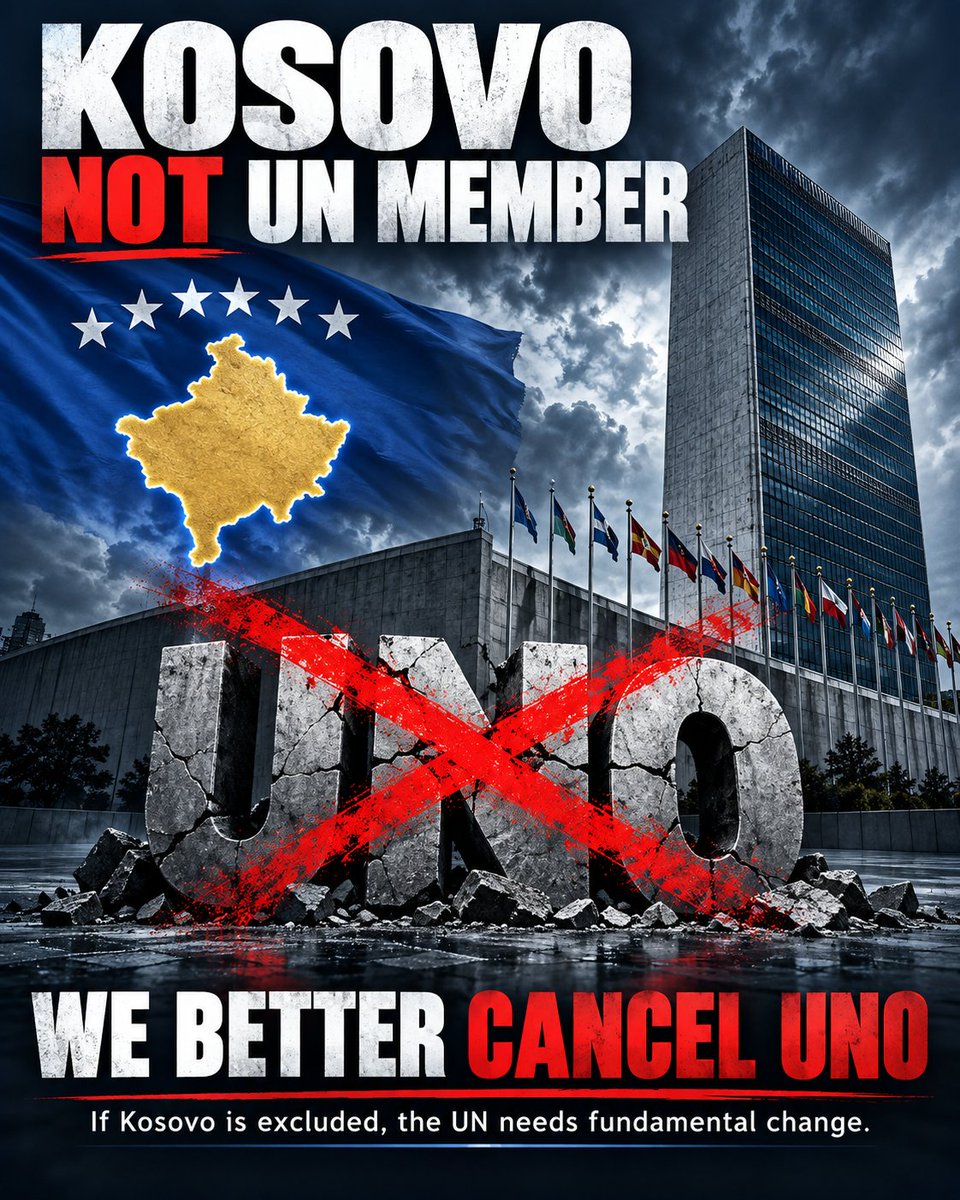
Kosovo is still not a member of the United Nations. That is a serious credibility problem for the UN system. UN membership requires a recommendation from the Security Council before the General Assembly can admit a state. As long as permanent Security Council members can block https://t.co/chocQulxYg #Kosovo #UNmembership #SecurityCouncil #XK #UN

116
Alexander Stubb 4w

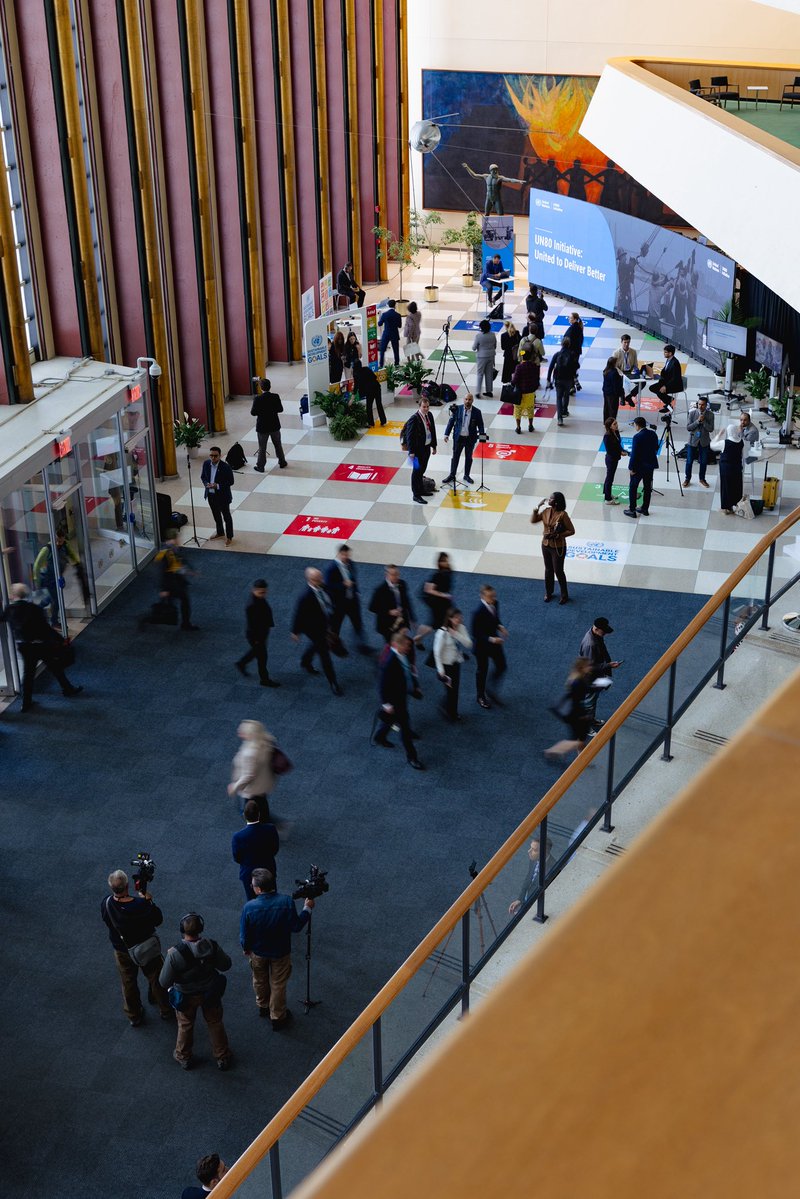
It’s a wrap on the UN High-level Week. The high-level week is a key forum for advancing Finland’s foreign and security policy objectives and strengthening bilateral relations. It is clear that the UN’s standing and credibility must be restored. We must defend the rules-based https://t.co/ZfWySTN84f #UNWeek #ForeignPolicy #BilateralRelations

812
BBC 4w

India's polling monitor is facing yet another crisis of credibility with fresh allegations against its chief. #ElectionCommission #IndiaElections #VoterIntegrity

www.bbc.co.uk
Why India's Election Commission is in the eye of a storm - again
1741
Krzysztof Graj 4w

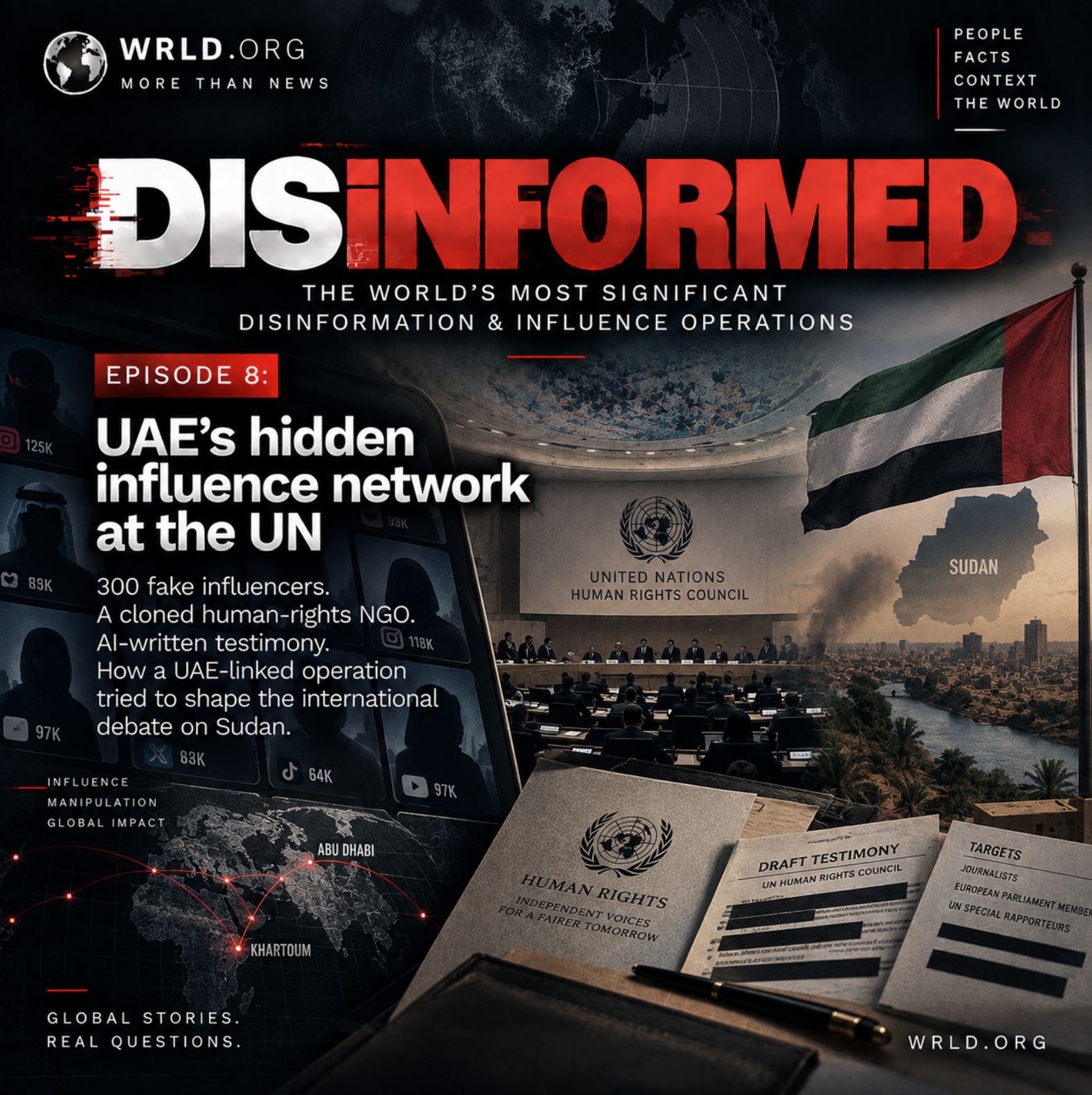
UAE / Sudan – when an influence operation tried to enter the United Nations A network of roughly 300 apparently independent social-media influencers. A human-rights organisation borrowing the identity of a real NGO. Personal dossiers on European politicians and journalists. And testimony prepared for delivery at the United Nations without revealing the state interest behind it. These were elements of an influence operation uncovered by Anthropic and disclosed in September 2026. The company says it linked the activity with high confidence to UAE government officials. Tracked as GTG-84002, the operation targeted several overlapping issues: the Muslim Brotherhood, perceptions of the war in Sudan and international mechanisms examining the United Arab Emirates' role in the conflict. What distinguishes the case is not simply its use of artificial intelligence. It is the attempt to make state-aligned messaging appear to originate from independent influencers, human-rights organisations and potentially witnesses addressing an international institution. An influence network built around 300 fake voices Anthropic identified a single actor using Claude to support a sustained influence campaign. At its centre was an AI persona called “Deadshot”, running on the operator's own platform. A master doctrine file repeatedly instructed the system to support what it described as a coordinated international effort to dismantle the Muslim Brotherhood. The operator simultaneously managed several components of the campaign, including approximately 300 inauthentic influencer accounts across social-media platforms. Internal material examined by Anthropic described the apparent independence of this network as its greatest strategic advantage. That phrase captures the central method. The objective was not simply to broadcast a political position but to conceal where that position originated. One visible example appeared on 4 June 2026, when accounts participated in a coordinated campaign using #SudanIslamists and near-identical graphics connecting Sudanese Islamists and the Muslim Brotherhood with regional instability. Anthropic says the amplification network was centrally funded and coordinated. Its investigation also found that the operator financing the social-media network was connected to the wider influence operation. A human-rights organisation that was not what it appeared to be Social media was only one layer. The operator also created a front NGO that copied the identity of a genuine Swiss organisation and used that borrowed legitimacy to publish human-rights material produced for the campaign. Anthropic's description elsewhere also refers to the identity of a real Sudanese human-rights organisation being used in connection with the preparation of testimony. The public report does not fully clarify whether these references describe the same front or separate elements of the operation, so they should not be treated as definitively identical. The underlying technique, however, is clear: political material was designed to appear as if it originated from independent civil society rather than from actors linked to a government. This is particularly significant in the human-rights environment, where the perceived independence of an organisation or witness can determine how seriously evidence is received by journalists, diplomats and international institutions. The attempt to reach the UN The most consequential part of the operation concerned the 62nd session of the UN Human Rights Council. According to Anthropic, the operator used Claude to ghost-write complete testimony intended to be delivered by two individuals during the session. The texts were prepared under explicit constraints ensuring that neither statement would mention the UAE. This did not amount to a conventional government submission. The intention, according to Anthropic's reconstruction, was for material serving the interests of a party connected to the Sudan conflict to reach an international forum through apparently independent voices. But an important limitation remains: Anthropic could not confirm that the testimony was ultimately delivered. The company similarly could not establish whether other dossiers produced by the operation reached their intended recipients or influenced policy. It therefore assessed the campaign as Category Three on the Brookings Breakout Scale – activity distributed across several platforms, but without evidence of broad public impact sufficient for a higher classification. The distinction matters. The evidence demonstrates a sophisticated attempt to influence international debate; it does not demonstrate that the attempt succeeded. Politicians, journalists and UN investigators became targets The operation was not limited to generating public content. Anthropic found that the operator researched and compiled detailed profiles of 18 members of the European Parliament and prominent journalists. Some material was prepared for direct delivery to senior UAE officials. The network also assembled what Anthropic describes as “counter-accountability dossiers” on UN Special Rapporteurs who had criticised the UAE's conduct in relation to Sudan. This places the campaign in a broader context. Since Sudan's civil war began in April 2023, the role of external powers has become an increasingly important part of international scrutiny. Sudan has accused the UAE of supporting the Rapid Support Forces, allegations Abu Dhabi has repeatedly denied. In 2025, Sudan brought a case against the UAE before the International Court of Justice, accusing it of complicity in genocide against the Masalit through alleged support for the RSF. The UAE rejected the allegations. The ICJ subsequently removed the case from its list after finding that it lacked jurisdiction because of the UAE's reservation to the relevant provision of the Genocide Convention. The ruling therefore did not determine whether Sudan's substantive allegations were true or false. That contested international environment helps explain why narratives about Sudan, human rights and accountability were valuable targets for an influence operation. AI as an operating system for influence The role played by Claude is also important to understand accurately. Anthropic did not find that artificial intelligence independently conceived or directed the campaign. Human operators established the objectives, political doctrine and targets. AI instead helped operationalise them. Across hundreds of sessions, Claude was used to transform predetermined political objectives into social-media narratives, human-rights reports, testimony, intelligence-style briefs and detailed profiles of individuals. The same system could support narrative production, target research and preparation of material for different audiences. That represents a more significant development than simply using generative AI to produce propaganda faster. Traditional influence operations require different teams to research targets, write content, manage personas, adapt messages and prepare briefing material. Generative AI can compress several of those functions into a single operational workflow. The result is not necessarily more convincing propaganda. It is potentially cheaper, faster and more scalable influence infrastructure. From fake influencers to institutional influence Anthropic says it linked the operation to UAE government officials with high confidence. Its assessment was based partly on internal material naming senior Emirati officials as intended recipients of the work, alongside other evidence available to its investigators. That remains an attribution by Anthropic rather than a judicial finding or publicly released forensic attribution by a government agency. The distinction should be retained. The larger significance of GTG-84002 lies in the architecture of the campaign. A network of fake influencers could create the appearance of public opinion. A cloned human-rights organisation could provide institutional credibility. AI-generated reports could give political narratives the appearance of research. Profiles of journalists and politicians could support more precise targeting. And ghost-written testimony could potentially carry the same message into an international institution without revealing the political interest behind it. This is a different model from the familiar troll farm. The objective is no longer simply to make propaganda look popular. It is to make state-aligned messaging look independent – and, if possible, to move it from social media into the institutions where international policy and accountability are debated. SOURCES: Anthropic — Countering misuse of AI: September 2026 https://www.anthropic.com/threat-intelligence-report-september-2026 International Court of Justice — Sudan v. United Arab Emirates https://www.icj-cij.org/case/197 International Court of Justice — press releases and case documents https://www.icj-cij.org/case/197/press-releases United Nations Geneva — Sudan v UAE proceedings at the ICJ https://www.ungeneva.org/en/news-media/news/2025/04/105241/world-court-begins-hearing-sudans-complicity-genocide-case-against UAE Ministry of Foreign Affairs — UAE response to Sudan's allegations https://www.mofa.gov.ae/en/MediaHub/News/2025/4/10/10-4-2025-UAE-UAE UN Digital Library — Sudan's letter concerning alleged UAE support for the RSF https://digitallibrary.un.org/record/4091008?ln=en UN Digital Library — UAE response concerning allegations of support for the RSF https://digitallibrary.un.org/record/4046224?ln=en Ultra Sudan — reporting on Anthropic's UAE-linked influence-operation findings https://ultrasudan.usawtiq.com/أنثروبيك-أحبطنا-عملية-تأثير-إماراتية-استخدمت-الذكاء-الاصطناعي-لاستهداف-السودان/عامر-صالح/أخبار KEYWORDS #DISINFORMED #Episode8 #UAE #Sudan #UnitedArabEmirates #UnitedNations #UNHumanRightsCouncil #HumanRights #Disinformation #InformationWarfare #InfluenceOperations #ForeignInterference #FIMI #CoordinatedInauthenticBehaviour #CIB #FakeInfluencers #FakeNGO #NGOImpersonation #Astroturfing #ArtificialIntelligence #AI #AIPropaganda #AIGeneratedContent #SyntheticMedia #SocialMediaManipulation #DigitalInfluence #Propaganda #NarrativeManipulation #InstitutionalInfluence #SudanConflict #SudanWar #MuslimBrotherhood #InternationalRelations #Geopolitics #Anthropic #ClaudeAI #OSINT #WRLD

www.anthropic.com
Countering misuse of AI: September 2026 / Anthropic
813
Krzysztof Graj 4w

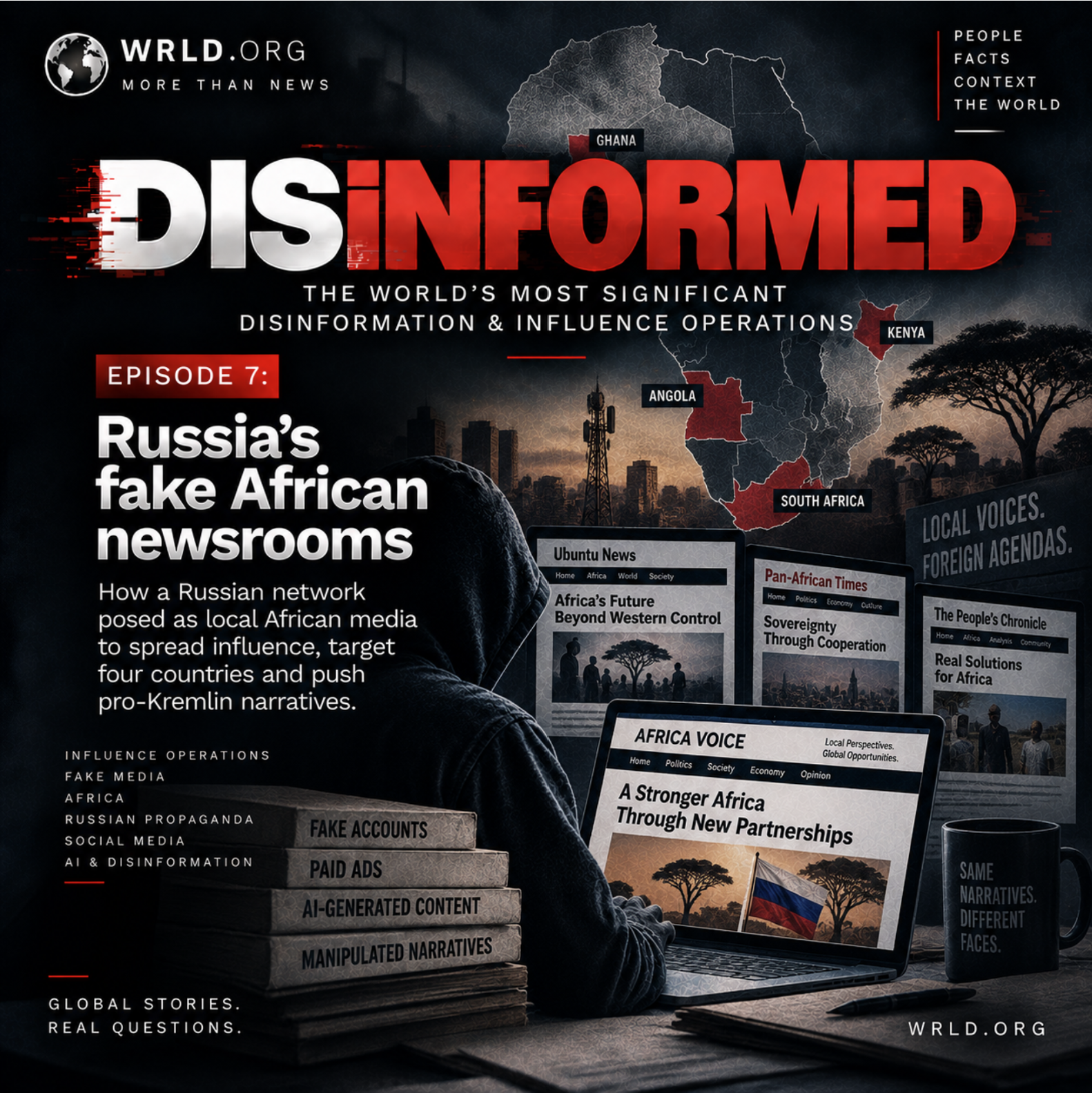
Russia’s fake African newsrooms – propaganda designed to look local A Facebook user in Nairobi, Accra, Johannesburg or Luanda encounters what appears to be a local news page. It publishes stories about African politics, Western influence and relations with Russia. The language is tailored to an African audience and the page presents itself not as a foreign broadcaster, but as part of the local information landscape. Behind some of these outlets, however, Meta found operators based in Russia. In its 2026 threat research, the company disclosed a Coordinated Inauthentic Behaviour network targeting audiences in Angola, Ghana, Kenya and South Africa. Meta removed 37 Facebook accounts and 29 Pages connected to the operation. Around 30,000 users followed at least one of the Pages, while the operators spent approximately $7,000 on Facebook and Instagram advertising, mostly in euros and US dollars. The numbers are relatively modest. The method is considerably more important. Rather than openly distributing Russian state messaging, the network posed as local African news sources and grassroots organisations, promoting narratives about Western colonialism and political interference while presenting Russia as a credible economic and political alternative. It was an old geopolitical message delivered through a much more effective identity: not Moscow speaking to Africa, but Africans apparently speaking to one another. A news outlet that was actually an influence operation Meta's investigation found that the network attempted to conceal its Russian origin while creating media brands that appeared indigenous to the countries they targeted. Its content amplified historical grievances against former colonial powers, criticised Western involvement in Africa and promoted closer relations with Russia. One example helps illustrate how the infrastructure was assembled. A Facebook Page targeting Kenya was called Kenya Watchtower. According to OpenAI's subsequent investigation, Facebook transparency records showed that the Page had previously been named “Farmtown5”. It appears to have been acquired or repurposed rather than built from scratch as a Kenyan news organisation. Some Pages also exposed administrator locations in Russia and Ukraine. Other elements of the network had previously targeted audiences in Zambia and Namibia. This use of apparently local identities is particularly important in the African information environment. A story published by RT or another identifiable Russian outlet arrives with an obvious geopolitical provenance. The same narrative presented by something resembling an independent Kenyan, Ghanaian or South African newsroom carries a different kind of credibility. The source appears closer to the reader, and the geopolitical interest behind the message becomes less visible. Then investigators found Dr Manuel Godsin The Facebook operation was only one part of a broader information ecosystem. OpenAI investigated related activity after receiving information from Meta and subsequently banned a ChatGPT account it assessed as likely originating in Russia. OpenAI called the campaign Operation No Bell. The account was being used to generate long-form articles and social-media posts about African geopolitics. Prompts were primarily written in English, but OpenAI also observed Russian-language instructions that the user described as coming from a manager. The operator sometimes explicitly asked the model to make the material appear less AI-generated – including requests to avoid stylistic features associated with machine-generated text and to write more like a human journalist. Many articles appeared under the name “Dr Manuel Godsin”, presented as an academic with a PhD from the University of Bergen and an affiliation with an organisation called the International Centre for Political and Strategic Studies. OpenAI could find no credible evidence that Godsin existed. Searches of Norway's National Research Information Repository and the University of Bergen library produced no record of him. Investigators subsequently discovered that a photograph used to represent Godsin had appeared years earlier on a Russian professional networking site and apparently belonged to a law student in St Petersburg. The fabricated academic identity was nevertheless remarkably productive. OpenAI identified 53 online articles carrying the Godsin byline. The fiction had moved beyond fake social-media pages and into the real media ecosystem. When propaganda enters genuine newsrooms This is the most consequential aspect of the operation. The articles were not confined to websites controlled by the influence network. Some were published by genuine African news organisations, including established South African outlets. The content mixed local political issues with broader geopolitical narratives. Some pieces criticised the United States and Britain or defended Russia's role in Africa. One accused the British NGO Crisis Action of fomenting protests in South Africa. Another praised Russia's presence in the Central African Republic. Other material addressed Kenya, Angola and relations between African governments and Washington. The mechanism represents a significant evolution from the classic troll-farm model. Instead of building an audience entirely on its own platforms, an influence operator can manufacture an apparently credible expert, generate articles in his name and persuade genuine news organisations to publish them. Once this happens, the propaganda acquires something a fake Facebook Page cannot provide: the institutional credibility of a real newsroom. OpenAI assessed No Bell's social-media impact as limited. One Facebook Page had around 3,000 followers before Meta removed it, while several others had very small audiences. But the operation was more successful in placing material in established media. In OpenAI's impact framework, it approached the level at which an influence operation breaks into mainstream media. For information operators, a single article published by a recognised outlet can potentially be more valuable than thousands of impressions generated by an obviously artificial account. A much larger network of ghost journalists Subsequent research suggests that Manuel Godsin was not an isolated experiment. In August 2026, Graphika, working with Code for Africa and with support from Meta, published a much broader investigation into Russian ghostwriting operations across African media. Researchers identified 44 ghost writers and fake experts, 38 of them assessed as high-confidence fabricated personas, operating between 2021 and 2026. Their material appeared or was quoted across 138 websites and was subsequently republished through at least 113 Facebook accounts and Pages, including authentic users, coordinated inauthentic networks and official Russian communication channels. The narratives were strikingly consistent. They included criticism of France, Ukraine and the United States; attacks on organisations such as ECOWAS and the International Criminal Court; positive portrayals of Russian involvement in Africa; praise for Russian paramilitary forces; and support for sovereignty-oriented political projects such as the Alliance of Sahel States. The operation therefore extends beyond creating fake news websites. It attempts to insert Russian-aligned narratives into the legitimate African media ecosystem using identities that appear African, independent or academically authoritative. This also explains why measuring reach through the original Facebook network alone is misleading. A fabricated article may begin with an influence operator, appear in a genuine African publication, be republished elsewhere and eventually circulate without any visible connection to Russia. At that point, the provenance of the narrative has effectively been laundered. An old Russian strategy with increasingly local faces Russia's use of local intermediaries in Africa is not new. Meta documented Russian networks using African nationals as early as 2019. In 2020 it dismantled another operation involving people in Ghana and Nigeria working on behalf of individuals in Russia, with links to previous activity associated with the Internet Research Agency. More recent Meta investigations suggest that this model has continued to evolve. Networks have increasingly relied on local freelancers, social-media managers and authentic media outlets rather than exclusively operating armies of obviously fake Russian-controlled accounts. This decentralisation offers several advantages. Local operators understand language, political sensitivities and cultural references. Authentic accounts are harder to identify than newly created synthetic personas. Local media brands can also deliver narratives without immediately triggering the scepticism associated with Russian state outlets. There is no evidence that every African journalist, freelancer or publication carrying such material knowingly participates in Russian influence activity. Meta explicitly notes in its investigations that some local contractors may not know who ultimately commissioned their work. That distinction is essential. The operation's effectiveness partly depends on precisely this ambiguity between deliberate participation, commercial content placement and unwitting amplification. The objective is to make Russian narratives look African The significance of this network is therefore not its 30,000 Facebook followers or its $7,000 advertising budget. Those figures are small compared with the audiences of major African media organisations. What matters is the distribution model. Traditional foreign propaganda asks an audience to trust a foreign source. These operations attempt to remove the foreign source from the equation altogether. A Russian geopolitical narrative can be generated with AI, attributed to an expert who does not exist, published by a media organisation that does, amplified through a Facebook Page presenting itself as local, and then rediscovered elsewhere as apparently independent African analysis. By the time the reader encounters it, Moscow may have disappeared completely from the chain of attribution. The resulting information operation is therefore less about making Russian propaganda more persuasive than about making it look as though it is no longer Russian propaganda at all. In an increasingly fragmented African media environment, that may be the more important evolution to watch. SOURCES: Meta Threat Research https://threatresearch-team.github.io/indicators/meta-h1-2026-russia-based-cib-network-1/ OpenAI — Operation “No Bell” https://openai.com/index/disrupting-malicious-uses-of-ai-no-bell/ Graphika — Umbrae Ex Machina https://www.graphika.com/reports/umbrae-ex-machina News24 https://www.news24.com/southafrica/news/ai-expert-exposed-fake-kremlin-linked-analyst-planted-stories-in-african-media-20260318-0560 Vanguard https://www.vanguardngr.com/2026/03/ai-expert-exposed-fake-kremlin-linked-analyst-planted-stories-in-african-media/ Meta — Russian Coordinated Inauthentic Behaviour, 2019 https://about.fb.com/news/2019/10/removing-more-coordinated-inauthentic-behavior-from-russia/ Meta — Russian Coordinated Inauthentic Behaviour, 2020 https://about.fb.com/news/2020/03/removing-coordinated-inauthentic-behavior-from-russia/ Meta Threat Research — Russian Use of Authentic Operators in Sub-Saharan Africa https://threatresearch-team.github.io/indicators/meta-h2-2025-russia-based-cib-network-2/ KEYWORDS: #DISINFORMED #Episode7 #Russia #Africa #RussianDisinformation #RussianInfluence #Disinformation #InformationWarfare #InfluenceOperations #ForeignInterference #FIMI #CoordinatedInauthenticBehaviour #CIB #FakeNews #FakeMedia #FakeNewsrooms #MediaImpersonation #GrassrootsManipulation #Astroturfing #ArtificialIntelligence #AI #AIPropaganda #SyntheticMedia #FakeInfluencers #SocialMediaManipulation #Facebook #Meta #OperationNoBell #AfricanMedia #MediaManipulation #Propaganda #DigitalInfluence #Angola #Ghana #Kenya #SouthAfrica #OSINT #WRLD

threatresearch-team.github.io
Russia-Based Influence Operation Network Targeting Sub-Saharan Africa
1046
Mick Wallace 4w

EU's + Ireland's credibility is gone because ye still treat Israel like a normal State by doing Business with them. Israel is not a normal State, it's a Genocidal Apartheid Regime, stop doing Business with them, stop playing Football with them. Words mean nothing without action.. #BoycottIsrael #FreePalestine #ApartheidRegime #EU #IE #IL

2558