BETA nonprofit public democratic european moderated

Search

#Claims

Russia continues to escalate its official rhetoric, openly threatening European countries with war. Zakharova’s delusional claims about a possible European attack are nothing more than an attempt to mobilise domestic audiences and lay the groundwork for potential aggression #Russia #War #Europe #RU #EU

Welcome progress from @coe. The @RD4U_claims Register of Damage has now opened all 43 categories for claims relating to damage caused by Russia in Ukraine. Russia’s aggression has left a trail of devastation across every aspect of life, from lives lost and homes destroyed to #Ukraine #Russia #Claims #RU #UA

Group 4 = 7 and 8 years old. The COC tells them that gender is just a choice, and that you can change your gender. These are false, unscientific claims; with possibly serious consequences. Please let every child remain themselves. (translated)

A
AD 11h

Christa Pike was executed following a ruling by the Supreme Court that upheld the enforcement of her death sentence, despite claims from her lawyers that she suffered unnecessarily and possibly survived the first lethal injections. (translated)

Christa Pike toch geëxecuteerd na oordeel Hooggerechtshof, advocaten melden ‘onnodig lijden’

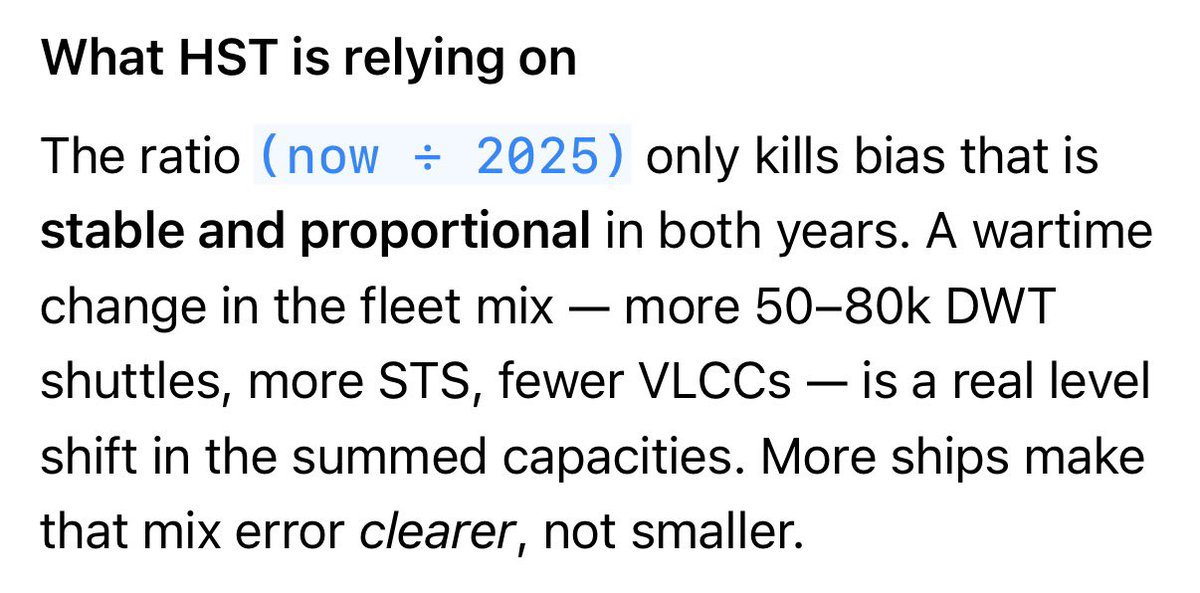
A contact tells me that fleet composition in the Strait has changed dramatically in the past few weeks due to massive buying of smaller shuttles. The one OSINT account that uses (grainy) EU satellite data (@phileeppos) is vulnerable to serious fleet composition claims. 🚢 https://t.co/W1nre66lAN #FleetComposition #OSINT #SatelliteData #EU

After Yabloko started polling at around 10%, Putin quickly banned it. It's incredibly funny (and sad) how the Kremlin still claims that they have free elections in Russia, when people are voting at gunpoint and election officials who report election scams die mysteriously. #Russia #FreeElections #Yabloko #RU

D

Die Umsetzung der EU-Richtlinie zur Bekämpfung von Greenwashing in Österreich stößt auf Kritik, insbesondere wegen der dreijährigen Übergangsfrist für Produkte, während die neuen Regelungen strengere Nachweise für ökologischen Claims wie umweltfreundlich erfordern. #Greenwashing #Nachhaltigkeit #Konsumentenschutz

Umsetzung von Greenwashing-Regeln stößt auf Kritik

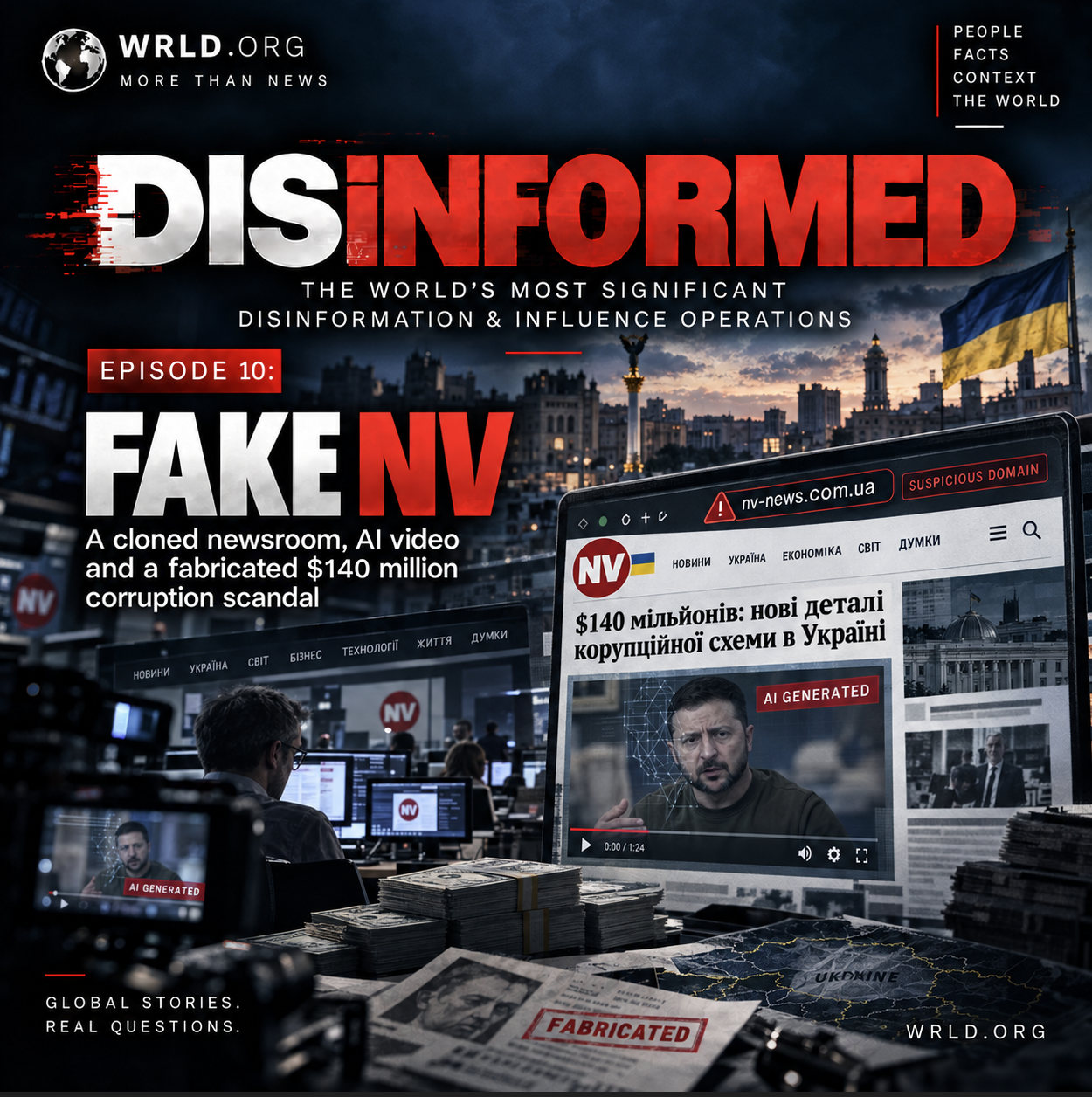
Fake NV – how a cloned newsroom turned an AI video into a $140 million corruption scandal For two days in September, a website that looked almost indistinguishable from one of Ukraine’s best-known news organisations carried an extraordinary corruption story. It claimed that Ukraine’s National Anti-Corruption Bureau had raided former defence procurement chief Arsen Zhumadilov and discovered more than $140 million in cash packed inside refrigerator boxes. One box supposedly carried the words “For the Servant of the People” – an apparent reference to President Volodymyr Zelenskyy’s political party. The raid never happened. The photographs and video presented as evidence were fabricated, and the news organisation reporting the story was not the New Voice of Ukraine but a cloned version of it. The episode is a compact example of an increasingly effective disinformation technique. Rather than inventing a new propaganda outlet and trying to build its credibility from scratch, an operator can simply steal the identity of an established newsroom and place fabricated material inside an otherwise convincing copy of its editorial environment. A newsroom copied almost in full The counterfeit site appeared at nvukraine.com, while the authentic New Voice of Ukraine operates at nv.ua and english.nv.ua. Registration records examined by fact-checkers show that the false domain was created on 21 September 2026, two days before the fabricated article appeared. According to NV’s own investigation, the imitation went much further than copying a logo: the operators reproduced the site’s visual design, sections, branding, contact information and genuine editorial material. A snapshot of legitimate NV content from 23 September appears to have been copied onto the counterfeit site, into which the operators inserted a single false article. That article claimed that NABU had searched premises connected to Zhumadilov, who had headed Ukraine’s Defence Procurement Agency until August, and seized $140 million in cash. The story was published in several languages, including Ukrainian and English, suggesting that the operation was intended not only for Ukraine’s domestic information space but also for foreign audiences following the war and Western support for Kyiv. AI supplied the supposed evidence The false article was supported by a video purportedly showing the money discovered during the raid. NABU said no such search or procedural action had taken place and identified the footage as fabricated using artificial intelligence. Independent fact-checker Lead Stories found no credible Ukrainian or international reporting confirming either the raid or the alleged seizure, while searches of NABU’s own published material produced no evidence supporting the claim. The operation therefore combined two separate forms of synthetic credibility. The AI-generated footage supplied what looked like visual proof, while the cloned NV website supplied institutional proof: an apparently reputable Ukrainian newsroom supposedly confirming that the event had happened. Neither element needed to withstand close scrutiny for long. Together, they only needed to appear credible enough to be copied, quoted and redistributed before the deception was exposed. From a fake Ukrainian source into the Russian information ecosystem On 24 September, the story began moving through large pro-Russian Telegram channels. Ukraine’s Center for Strategic Communications traced early amplification to Golos Mordora, with roughly 149,000 subscribers, and Militarist, with around 277,000. Within less than an hour, other channels including VOBLA, Rossiya Seychas and Ostashko! Vazhnoye were circulating versions of the same claim. It subsequently appeared on X and on Russian-language websites including e-news.su and pressa24.ru. Babel calculated that posts carrying the fabrication had accumulated approximately 370,000 views by the morning of 25 September. The story also moved beyond the Russian-language ecosystem. English-language versions appeared in online communities including Lemmy and Hexbear, while accounts on X shared direct links to the counterfeit NV article. NV later reported that larger Russian media and propaganda outlets, including RIA Novosti, Life, Vesti, Ukraina.ru and Mail.ru, had reproduced or discussed the claim. Kirill Dmitriev, head of the Russian Direct Investment Fund and a Kremlin representative involved in contacts with the United States, also shared it on 25 September. This amplification is significant, but it should not be confused with proof of authorship. Publicly available evidence shows how the false story entered and spread through a Russian and pro-Russian information ecosystem. It does not establish which organisation registered the cloned domain, generated the video or directed the operation from the outset. Why copy NV? The operation relied on source laundering. A claim originating directly from a Russian Telegram channel that Ukraine’s defence procurement system had concealed $140 million would immediately carry an obvious political context. A claim apparently uncovered by an established Ukrainian newsroom looks very different. Once the fabricated NV article existed, subsequent accounts could cite what appeared to be an independent Ukrainian source rather than present the allegation as their own. Each repost moved the story another step away from its manufactured origin. The use of an English-language version strengthened that mechanism for audiences outside Ukraine. The underlying narrative was also carefully chosen. Corruption in Ukrainian defence procurement is a genuine subject of public scrutiny and investigative reporting, so the fabricated story did not require audiences to accept an entirely unfamiliar premise. It inserted a false event into a real area of political concern. That mixture of authentic context and fabricated evidence can be more persuasive than a completely invented story because much of the surrounding information feels recognisable. What can – and cannot – be attributed Ukrainian authorities and NV describe the episode as a Russian information operation, and its distribution can be documented extensively across pro-Russian and Russian media channels. The available public evidence, however, does not identify the organisation that created the counterfeit website, nor does it link the operation forensically to a named Russian intelligence service, military unit or state contractor. The most precise description is therefore a Russian-aligned disinformation operation whose fabricated material was systematically amplified through the Russian information ecosystem. That distinction matters. Distribution can be observed directly; command-and-control is harder to establish and should not be inferred without evidence. The newsroom itself becomes the deepfake The most important feature of the operation was not the $140 million figure or even the AI-generated video. It was the counterfeit newsroom surrounding them. The operators copied a real publication, populated it largely with genuine material and inserted a single false story, allowing the fabrication to borrow the accumulated credibility of journalists who had nothing to do with it. This points to a broader evolution in synthetic media. AI can fabricate an image, a voice or a video, but an influence operation can now fabricate something larger: the source that supposedly verified the evidence. In the Fake NV operation, the article, the video and the website reinforced one another, creating not simply a false story but a manufactured chain of credibility. Sources The New Voice of Ukraine — investigation into the cloned website https://english.nv.ua/nation/nv-discovers-fake-copy-of-website-with-planted-story-cites-russian-links-50644601.html The New Voice of Ukraine — Russian amplification of the $140 million fabrication https://english.nv.ua/russia-spreads-fake-140-million-ukraine-corruption-story-during-dmitriev-u-s-talks-50644647.html Lead Stories — independent fact-check https://leadstories.com/hoax-alert/2026/09/fact-check-fake-story-claims-140-million-found-at-home-of-ukraines-zhumadilov-marked-servant-of-the-people-nv-website-originated-it.html Babel — AI video and distribution analysis https://babel.ua/en/news/130469-a-video-is-sharing-online-about-140-million-found-in-the-possession-of-the-ex-head-of-the-defense-procurement-agency-this-is-an-ai-video-distributed-by-a-clone-of-ukrainian-media Center for Strategic Communications and Information Security — initial debunk https://spravdi.org/en/ai-fake-about-140-million-amid-us-talks-how-russians-impose-the-image-of-corrupt-ukraine-on-the-west/ Center for Strategic Communications and Information Security — NABU confirmation https://spravdi.org/u-merezhi-poshyryuyut-shi-fejk-pro-nibyto-obshuky-nabu-v-eksgolovy-agencziyi-oboronnyh-zakupivel/ Detector Media — distribution and NABU response https://detector.media/infospace/article/252806/2026-09-25-u-merezhi-pidrobyly-sayt-nv-dlya-poshyrennya-feyku-pro-obshuky-v-eksochilnyka-agentsii-oboronnykh-zakupivel/ Keywords #DISINFORMED #Episode10 #FakeNV #NewVoiceOfUkraine #Ukraine #Russia #RussianDisinformation #RussianInfluence #Disinformation #InformationWarfare #InfluenceOperations #ForeignInterference #FIMI #MediaImpersonation #ClonedMedia #FakeMedia #FakeNews #ArtificialIntelligence #AI #AIGeneratedContent #SyntheticMedia #AIVideo #SourceLaundering #NarrativeLaundering #CorruptionNarrative #UkraineCorruption #DefenceProcurement #NABU #ArsenZhumadilov #Telegram #SocialMediaManipulation #DigitalInfluence #Propaganda #OSINT #MediaManipulation #WRLD

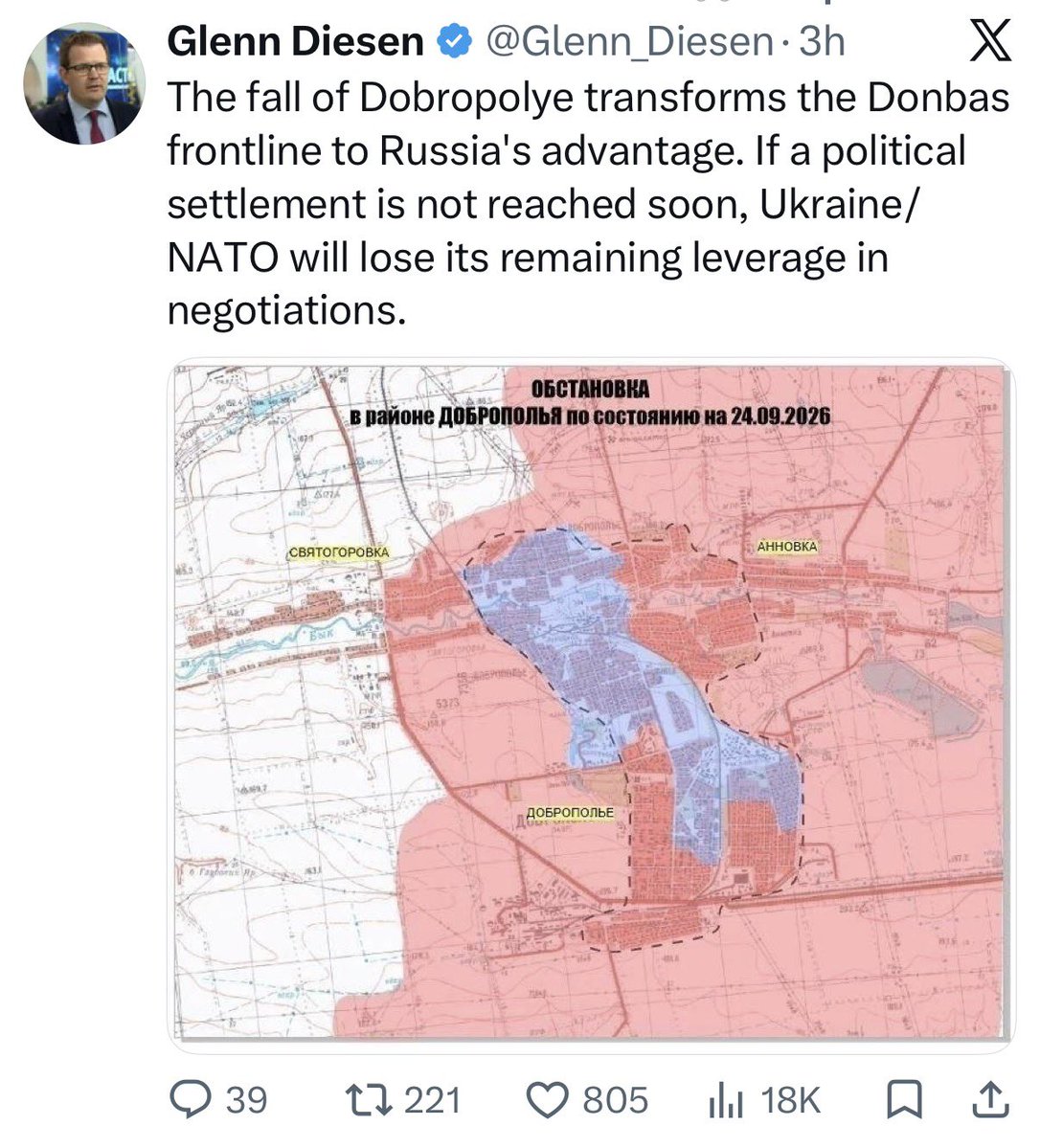
Map wars are taking place over the frontline in Ukraine. Wildly different claims being made by both sides. That likely means that SOMETHING is happening - although no one can really tell what yet. Fog of war, innit fam. 🇷🇺🇺🇦 https://t.co/hz3OrHgcBs #UkraineWar #FogOfWar #MapWars #RU #UA

Maybe the miracle weapon works. A deus ex machina. But currently everyone in power is desperate for it to work and that shows, despite breathless claims otherwise, that the U.S. and the West weren't doing very well in recent years until the unearned miracle arrived. #DeusExMachina #MiracleWeapon #PowerDynamics #US #West

V

De Consumentenbond en Stichting Consumenten Competition Claims hebben voor het eerst een massaclaim aangespannen tegen Booking.com wegens machtsmisbruik en misleiding van consumenten, waarbij ze claimen dat het boekingsplatform verantwoordelijk is voor 'honderden miljoenen euro’s schade' aan Nederlandse consumenten. #Booking #Consumentenrecht #Massaclaim

Consumentenbond en Booking voor het eerst tegenover elkaar in massaclaim over machtsmisbruik en misleiding van consumenten

Charles Spencer’s memoir on Princess Diana goes on sale after claims about King Charles and the 1997 funeral prompt a rare, sharp response from Buckingham Palace. #PrincessDiana #Memoir #RoyalFamily

New Princess Diana memoir hits shelves amid royal tensions

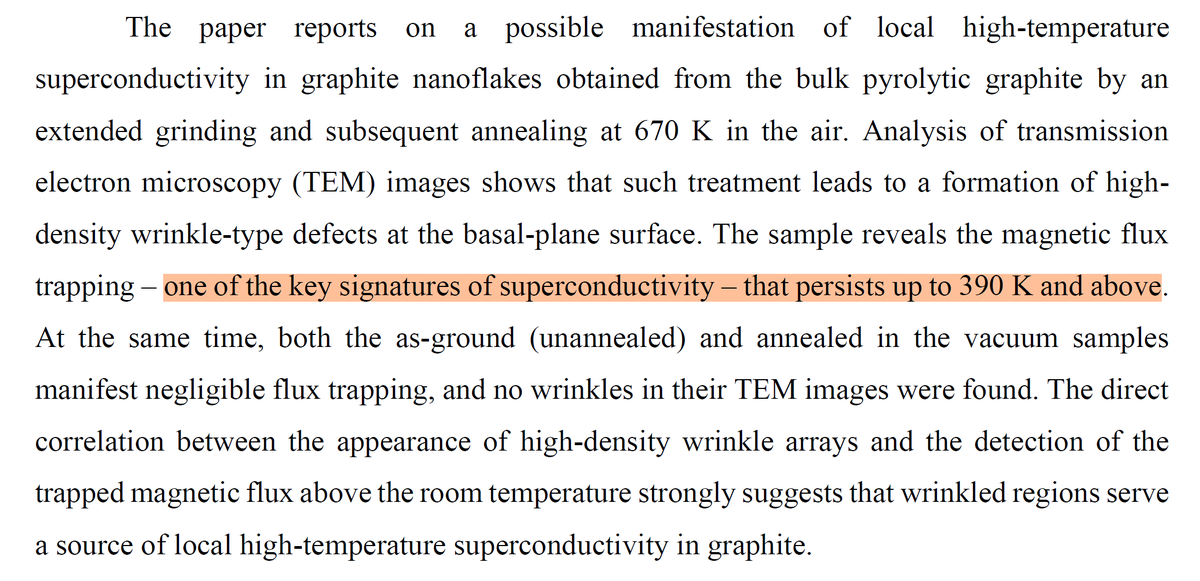
everyone so busy yapping about AI no one noticed room-temperature superconductor claims are back https://t.co/4Fhu7mx9Cq https://t.co/XhMPQqvpsi #AI #Superconductors #ScienceNews #Thetweetdoesnotmentionanyspecificcountries #sotherearenocountrycodestoreturn.

Storm-1516 – Russia’s information war arrives early in France’s 2027 election France will not elect its next president until April 2027, but the information operations surrounding the campaign have already begun. In late July and August 2026, fabricated stories targeted several prominent figures associated with the presidential race, including Raphaël Glucksmann, Gabriel Attal and former prime minister Édouard Philippe. The methods included fake news websites copying established French media, impersonated journalists, AI-generated voices and manipulated video. French authorities identified the Russian operation known as Storm-1516 behind several of these campaigns. Other attacks were linked to Matryoshka, another Russia-aligned influence network. The timing is significant. Storm-1516 began targeting the French presidential environment roughly nine months before the first round, scheduled for 18 April 2027. Rather than a single disinformation campaign, the activity demonstrates how Russian influence networks can establish narratives and infrastructure long before an election reaches its decisive phase. A fake scandal targeting Raphaël Glucksmann One of the clearest examples appeared at the end of July. A website impersonating the French independent outlet Blast published a fabricated investigation claiming that journalist Léa Salamé had attempted to bribe media organisations in exchange for favourable coverage of her partner, Raphaël Glucksmann. The operation went beyond copying the appearance of a legitimate news site. The identities of real journalists were appropriated and a manipulated video used an AI-generated imitation of the voice of Edwy Plenel, founder of Mediapart, supposedly confirming the allegations. The accusation was false. On 4 August, Glucksmann said France's General Secretariat for Defence and National Security, the SGDSN, had informed him that he had been targeted by Storm-1516. Two days later, the Paris prosecutor's office opened an investigation into suspected Russian interference. The importance of the operation was not the quality of one particular deepfake but the construction of several mutually reinforcing elements: a fake media organisation, impersonated journalists, synthetic audio and social-media accounts distributing the material. Together they created the impression that the allegation had been independently corroborated. Different candidates, overlapping Russian networks Édouard Philippe was also targeted by fabricated stories claiming that he suffered from dementia and was medically incapable of running for president. VIGINUM attributed the operation to Storm-1516. Gabriel Attal faced another wave of false content, including fabricated stories mimicking the identities of French outlets such as RFI, BFM TV, France 24, AFP, Le Parisien, Libération and Le Monde. Some claimed that Attal had symptoms of Parkinson's disease or links to drug trafficking. Attribution here is more complicated. French reporting connected at least part of the campaign against Attal to Matryoshka, rather than Storm-1516. A later digitally manipulated video, apparently associated with Storm-1516, used genuine LCI footage from an August debate but added a white earpiece to Attal, suggesting that someone had secretly been feeding him answers. NewsGuard compared the circulating clip with authentic LCI footage and found no earpiece in the original. The distinction is important. France is not facing a single Russian propaganda operation but several overlapping networks using similar techniques and narratives. Treating every manipulation as Storm-1516 would obscure how this ecosystem actually functions. The real weapon is media impersonation The most interesting feature of Storm-1516 is not artificial intelligence itself. It is the systematic appropriation of the credibility of established journalism. Instead of relying only on anonymous Telegram channels or social-media profiles, operators create material that looks as though it originated from organisations audiences already recognise. A fabricated investigation can resemble Blast, a manipulated television report can borrow LCI's visual identity, while fake journalists and social-media accounts provide additional layers of apparent confirmation. VIGINUM has documented this architecture extensively. Its 2025 investigation analysed 77 Storm-1516 information operations and described a mature Russian system using fabricated media, websites and distribution networks to promote anti-Ukrainian and anti-Western narratives. The European External Action Service found that the infrastructure continued to expand. According to its 2026 FIMI Threat Report, Storm-1516 almost doubled its output during 2025. Five networks created that year to target French, German, American, Moldovan and international audiences comprised 453 websites, including fictional news organisations and sites impersonating genuine media or political platforms. A typical operation therefore follows a recognisable pattern: a fabricated allegation is supported by synthetic or manipulated evidence, published through an apparently legitimate source and then distributed by networks of accounts that create the appearance of wider discussion. AI makes this process faster and cheaper, but the fundamental objective remains the same – to manufacture credibility. Why begin nine months before an election? VIGINUM concluded that Storm-1516 is capable both of reacting rapidly to current events and of conducting longer campaigns aimed at discrediting Western institutions and public figures, particularly around elections and other major political events. This provides important context for France. Storm-1516 activity around the presidential race became visible in July 2026, approximately nine months before voting begins. There is no public evidence of a predetermined Russian “nine-month plan”, and the timing should not be presented as such. Early activity nevertheless provides operational advantages: narratives can be tested, websites and accounts established, audience reactions measured and the responses of journalists, authorities and fact-checkers observed. The first operations may therefore also provide information about which themes and techniques are most effective before the campaign enters its decisive months. This remains an analytical interpretation rather than a demonstrated statement of the operators' intentions. Russian operation, but what about the GRU? Attribution requires similar precision. VIGINUM explicitly describes Storm-1516 as a Russian information operation, and French authorities have attributed individual campaigns to it with high confidence. Connections with Russian military intelligence have also been reported. Glucksmann said the SGDSN informed him that the network targeting him was controlled by Russia's GRU, while French media have repeatedly described Storm-1516 as linked to Russian military intelligence. However, VIGINUM's publicly available technical documentation describes Storm-1516 primarily as a Russian information modus operandi, rather than identifying it as a formally established GRU unit. It is therefore well supported to describe Storm-1516 as a Russian influence operation with reported links to military intelligence. Saying simply that Storm-1516 is a GRU unit would go beyond what France's published technical evidence currently establishes. An early warning for the French election There is also no evidence that the operations have so far had a significant effect on French voters. Some of the fabricated material generated only limited engagement, and measuring the real impact of foreign information operations remains extremely difficult. Even a video attracting hundreds of thousands of views does not establish how many viewers believed it or whether it changed political attitudes. The significance of Storm-1516 lies instead in the infrastructure already being deployed. Months before the election, Russian influence networks have been able to test fake newsrooms, synthetic voices, manipulated television footage, candidate-specific narratives and systems for distributing them. The French case illustrates a broader evolution in election interference. The objective is no longer simply to place false claims on social media. Modern operations can manufacture an entire chain of apparent evidence in which a fake journalist cites a fake investigation, synthetic audio appears to confirm it and networks of accounts give the impression that an authentic controversy is unfolding. France still has months to go before its presidential election. The information environment surrounding it is already being contested. Sources: VIGINUM / SGDSN — Storm-1516 analysis https://www.sgdsn.gouv.fr/publications/analyse-du-mode-operatoire-informationnel-russe-storm-1516 VIGINUM / SGDSN — Full Storm-1516 technical report https://www.sgdsn.gouv.fr/files/files/Publications/20250507_TLP-CLEAR_NP_SGDSN_VIGINUM_Technical%20report_Storm-1516.pdf VIGINUM / SGDSN — Storm-1516 operation targeting Emmanuel Macron https://www.sgdsn.gouv.fr/publications/storm-1516-detection-dune-operation-dingerence-numerique-etrangere-ciblant-emmanuel EEAS — 4th Report on FIMI Threats https://www.eeas.europa.eu/sites/default/files/2026/documents/EEAS%204th%20Threat%20Report_web.pdf Le Monde — Russian interference targeting Philippe, Glucksmann and Attal https://www.lemonde.fr/politique/article/2026/08/07/presidentielle-2027-glucksmann-attal-philippe-les-ingerences-russes-s-invitent-dans-la-campagne_6740451_823448.html Le Monde — Storm-1516 and Matryoshka analysis https://www.lemonde.fr/pixels/article/2026/08/06/ingerences-russes-pourquoi-il-ne-faut-pas-nourrir-le-troll_6739956_4408996.html NewsGuard Risk Briefing — Russian activity targeting the French election https://newsguardriskbriefing.substack.com/p/russia-targets-french-elections-iran Euronews — Operation targeting Raphaël Glucksmann https://fr.euronews.com/my-europe/2026/08/04/presidentielle-de-2027-raphael-glucksmann-vise-par-une-operation-de-destabilisation-russe Télérama / AFP — Glucksmann deepfake investigation https://www.telerama.fr/debats-reportages/presidentielle-2027-raphael-glucksmann-vise-par-un-deepfake-d-origine-russe-7032318.php Le Parisien — Operation targeting Gabriel Attal https://www.leparisien.fr/elections/presidentielle/presidentielle-2027-gabriel-attal-a-son-tour-vise-par-une-ingerence-en-provenance-de-russie-05-08-2026-I3Z67Z7ZUBDUVBXUNDARI5KGPA.php Euronews — Paris prosecutor investigations into suspected Russian interference https://fr.euronews.com/my-europe/2026/08/18/soupcons-dingerence-russe-visant-attal-et-philippe-le-parquet-de-paris-ouvre-dune-enquete Keywords: #DISINFORMED #Episode6 #Storm1516 #France #FrenchElection2027 #Disinformation #InformationWarfare #InfluenceOperations #ForeignInterference #FIMI #RussianInfluence #RussianDisinformation #Propaganda #Deepfakes #ArtificialIntelligence #AI #SyntheticMedia #FakeNews #MediaImpersonation #FakeMedia #DigitalManipulation #ElectionInterference #PoliticalDisinformation #Matryoshka #VIGINUM #OSINT #CyberInfluence #DigitalInfluence #MediaManipulation #EuropeanSecurity #Democracy #WRLD

Analyse du mode opératoire informationnel russe Storm-1516 | SGDSN

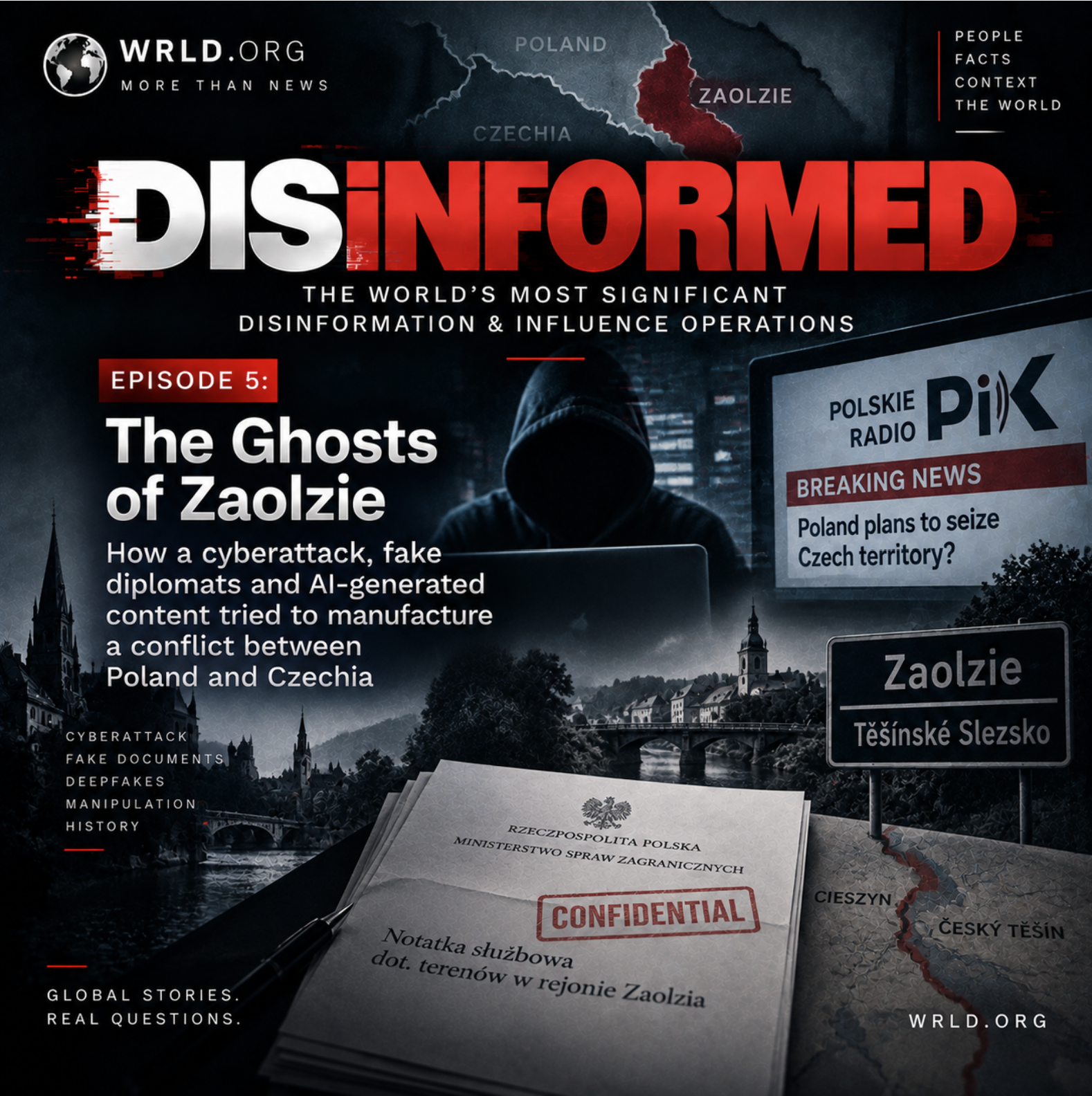
The Ghosts of Zaolzie – how a cyberattack tried to manufacture a conflict between Poland and Czechia At around 5pm on 16 August 2026, an alarming article appeared on the website of Radio PiK, a genuine Polish regional broadcaster. Its headline claimed that Poland was preparing to seize Czech territory and that the Czech Foreign Ministry had received a document outlining Warsaw's demands. Radio PiK had published no such story. An attacker had compromised an employee's credentials, gained access to the station's content management system and replaced a legitimate article with fabricated material. The newsroom quickly removed it and informed the authorities. But the intrusion was only one element of a much larger operation. Investigators subsequently uncovered forged diplomatic documents, accounts impersonating Polish and Czech officials, a cloned Czech news site, AI-generated material, a fictitious local activist and advertising for a demonstration that apparently did not exist. Together, these elements attempted to manufacture the appearance of a new territorial conflict between Poland and Czechia over Zaolzie. A false crisis built around a real territorial issue The operation worked because it did not start entirely with fiction. Poland and Czechia do have an unresolved technical issue concerning approximately 368.44 hectares of territory, originating in post-war changes to the Polish-Czechoslovak border. It is commonly described as the Czech “territorial debt” to Poland. But this is not a Polish claim to Zaolzie and there is no evidence that Warsaw is seeking to annex Czech territory. The operation fused this real issue with a much more powerful historical memory. Zaolzie – the part of Cieszyn Silesia west of the Olza River – was disputed by Poland and Czechoslovakia after the First World War. In 1938, during the crisis created by the Munich Agreement, Poland seized the territory from Czechoslovakia. The manipulation therefore followed a simple logic: a real territorial debt became an alleged Polish territorial demand, which was then transformed into a supposed attempt to reclaim Zaolzie. Fake accounts impersonating Poland's Deputy Foreign Minister Artur Harazim and Czech ambassador Břetislav Dančák helped reinforce the story. Fabricated diplomatic documents circulated alongside them. One early version referred incorrectly to 638.44 hectares; the fake Harazim account then “corrected” the number to the genuine figure of 368.44 hectares. It was an effective form of reverse fact-checking: correcting one false detail could make the larger fabrication appear authentic. Fake media – and one real newsroom The operators also created a website designed to resemble Czech public broadcaster iRozhlas. It published material supporting the same narrative, including claims that Czech residents near the border were becoming concerned about Polish intentions. The result was a manufactured information loop. Forged documents could support fake media reports; impersonated officials could comment on those reports; social-media accounts could then cite both as confirmation. But the Radio PiK hack added something much more valuable: the credibility of a real media organisation. Instead of merely cloning a newsroom, the attackers briefly inserted their fabrication into an authentic one. A familiar domain, logo and established broadcaster could therefore appear to confirm a story manufactured elsewhere. The cyberattack was not simply an accompanying technical incident. It was part of the information operation itself – a way of manufacturing credibility for false information. From a synthetic activist to a real demonstration The operation then attempted to move from the digital world into the physical one. A Facebook account under the name “Adam Sikora” promoted a demonstration in the Czech border city of Třinec under slogans including “Cieszyn Silesia is Czech” and “Here we live, here we stay”. Paid Facebook advertising was reportedly used to promote the event. Yet Třinec authorities said no demonstration had been properly notified. Promotional material used the logo of the Czech KOVO trade union, which denied any involvement. Investigators also identified indications that Sikora's profile photograph and other imagery were AI-generated. The persona even advertised a supposed house for sale in the border region, reinforcing the impression that frightened residents wanted to leave because of Polish territorial ambitions. The property could not be verified and its images also showed signs of artificial generation. This reveals the architecture of the operation: forged document → fake official → cloned media → compromised real media → synthetic local activist → advertised protest → appearance of social tension. The final stage is particularly significant. Had real people attended the demonstration, photographs of an authentic crowd could potentially have been presented as evidence that Czech citizens genuinely feared Polish territorial ambitions. A fabricated online conflict could therefore have begun generating real-world evidence of its own existence. Why Zaolzie? Historical grievances are valuable material for influence operations because the underlying facts are real. Poland and Czechoslovakia genuinely disputed Cieszyn Silesia. Poland genuinely occupied Zaolzie in 1938. A Polish minority genuinely lives in Czechia. And the 368.44-hectare territorial issue genuinely exists. The operator did not need to invent that history. It only needed to suggest that the history was repeating itself. PISM assessed that the operation sought to revive the image of Poland as a revisionist state willing to challenge European borders. Such a narrative could serve a broader purpose: damaging Polish-Czech relations, weakening confidence between NATO and EU allies and portraying Central Europe as a region where historical territorial conflicts remain unresolved. Russia is the leading attribution – but not a proven one The attribution requires more caution than the mechanics of the operation. PISM assessed Russia as the most likely perpetrator, while NASK identified similarities between the campaign and previously observed Russian influence methods. Russian-linked information infrastructure had also shown earlier interest in the Polish-Czech territorial issue. The techniques are familiar: cloned media, forged documents, impersonated officials, synthetic identities, historical grievances and the combination of cyber intrusion with information manipulation. But these indicators are not the same as definitive attribution. As of mid-September 2026, no publicly disclosed forensic evidence had conclusively connected the Radio PiK compromise, fake domains, accounts and financing to a specific Russian intelligence service, government organisation or contractor. Russia can therefore reasonably be described as the leading analytical attribution, but claims that the operation was definitively conducted by the GRU or another named Russian structure go beyond the publicly available evidence. The operation failed. The model remains important The campaign did not create a Polish-Czech diplomatic crisis. Both governments rejected the narrative, the fictitious protest was exposed, journalists reconstructed much of the operation and Radio PiK detected the intrusion quickly. Its observable impact appears to have been limited. But Zaolzie illustrates a broader evolution in information warfare. Modern operations do not have to rely on a single viral fake. They can construct an entire artificial information environment in which different elements appear to confirm one another. A forged document creates the claim. A fake diplomat authenticates it. A cloned newsroom reports it. A hacked real newsroom lends it credibility. An AI-generated citizen reacts to it. Advertising creates the appearance of a grassroots movement. And if real people eventually respond, fiction begins producing genuine events. The objective is no longer simply to persuade people that something happened. It is to create the conditions in which something real starts happening because enough people believed that it did. Sources: Polish Institute of International Affairs (PISM) https://pism.pl/publikacje/dezinformacja-o-relacjach-polsko-czeskich Euronews Polska — Radio PiK cyberattack https://pl.euronews.com/2026/08/20/polska-planuje-zajecie-terytorium-czech-wlamali-sie-na-strone-radia-i-opublikowali-falszyw Demagog https://demagog.org.pl/na-biezaco/skoordynowana-operacja-uderza-w-polsko-czeskie-relacje-czy-stoi-za-nia-rosja/ Robert Lansing Institute https://lansinginstitute.org/2026/08/27/zaolzie-as-an-instrument-of-influence-an-attempt-to-revive-a-polish-czech-territorial-conflict/ Institute for European Security Studies (IESS) https://www.iess.org.ua/analytics/ghosts-of-zaolzie iDNES.cz https://www.idnes.cz/ostrava/zpravy/tesinsko-kampan-lzi-demonstrace-trinec-primatorka-palkovska.A260826_963356_ostrava-zpravy_jog Radio Zachód / PAP https://zachod.pl/1539751/niedzielny-atak-hakerski-na-radio-pik-redaktor-naczelny-podjelismy-niezwloczne-dzialania/ Euronews — territorial debt / NASK assessment https://de.euronews.com/my-europe/2026/08/21/polen-plant-besetzung-tschechischen-gebiets-fake-news TVP World https://tvpworld.com/95036191/-warsaw-warns-against-division-amid-czech-border-disinformation Keywords: #DISINFORMED #Episode5 #GhostsOfZaolzie #Zaolzie #Poland #Czechia #CieszynSilesia #Disinformation #InformationWarfare #InfluenceOperations #ForeignInterference #FIMI #Cyberattack #CyberSecurity #HybridWarfare #FakeNews #MediaImpersonation #FakeMedia #ForgedDocuments #DigitalImpersonation #ArtificialIntelligence #AI #Deepfakes #SyntheticMedia #Astroturfing #RussianInfluence #Propaganda #OSINT #NATO #CentralEurope #MediaManipulation #WRLD

AFRICA DAILY REPORT — 20 SEPTEMBER 2026 Key developments reported during the previous 24 hours 1. MALI — JNIM attack on Dioura army camp emerges as one of the conflict’s deadliest — 10/10 (Critical) The al-Qaeda-linked JNIM released video of soldiers it says it captured in the September 10 assault on the Dioura army camp. AP reported the group claims more than 100 soldiers were killed; AP could not independently verify the toll and the Malian army declined to comment. Separately, AFP sources put the death toll at at least 100 Malian soldiers and five Russian Africa Corps personnel. The scale of the reported losses underscores the continuing deterioration of security in central Mali. Source: https://www.washingtonpost.com/world/2026/09/19/mali-violence-jnim-army/35765c1a-b463-11f1-92c2-5c918f4a6127_story.html Additional source: https://www.arabnews.pk/world/death-toll-passes-100-soldiers-in-mali-attack-last-week-sources-3001670 2. DR CONGO — Ebola vaccination campaign begins for frontline health workers — 10/10 (Critical) DR Congo began vaccinating healthcare and frontline response workers in Bunia and Mongbwalu, among the areas hardest hit by the Ebola outbreak. AP reports the campaign is expected to cover about 20,000 frontline workers in Ituri and North Kivu over six to nine months. Government figures cited by AP put the outbreak at 7,541 confirmed cases and 3,639 deaths as of Saturday. Source: https://wplginc-wplg-prod.web.arc-cdn.net/health/2026/09/19/congo-begins-ebola-vaccinations-for-health-workers-in-the-epicenter-of-the-outbreak/ 3. NIGERIA — 21 civil-defence officers suspended over deaths of 37 detained miners — 9.5/10 (Very High) Nigeria’s federal government established a 10-member independent committee to investigate the deaths of 37 suspected illegal miners in NSCDC custody in Minna. The Niger State commandant and 20 other officers have been suspended pending the investigation. The committee has two weeks to establish the circumstances and causes of death and assess responsibility, negligence or misconduct. Source: https://www.thecable.ng/fg-sets-up-panel-to-probe-deaths-of-37-miners-in-niger-names-21-suspended-officers/ 4. ERITREA / UNITED STATES — Washington lifts sanctions on Eritrean military and ruling-party-linked entities — 9/10 (Very High) The United States removed sanctions imposed in 2021 on Eritrea’s military, ruling-party-linked entities and several individuals over humanitarian and human-rights concerns connected with the Tigray war. Eritrea welcomed the decision. The move is strategically notable amid heightened concern over Red Sea and Bab el-Mandeb security. Source: https://unb.com.bd/category/World/us-lifts-sanctions-on-eritreas-ruling-party-military/195710 Additional source: https://www.reuters.com/world/africa/us-removes-sanctions-eritrean-defense-forces-treasury-website-shows-2026-09-18/ 5. UGANDA / TURKEY — Kampala suspends military cooperation with Ankara — 9/10 (Very High) Uganda’s military announced the immediate suspension of defence and military cooperation with Turkey amid a dispute over Ugandan political blogger Fred Lumbuye, a critic of President Yoweri Museveni. The relationship has included training, arms and surveillance equipment, technology transfer and counter-terrorism cooperation. The dispute also comes amid Ugandan threats concerning a major Turkish-led railway contract. Source: https://citizen.digital/article/uganda-suspends-military-ties-with-turkey-in-row-over-museveni-critic-n390507 6. SOUTH AFRICA — Public protests intensify after killings of nine women near Johannesburg — 8.5/10 (Very High) South Africans gathered to mourn and protest after nine women were found murdered in Ekurhuleni over the past two months. Police are investigating whether the killings are connected. Reuters reports the cases have renewed national anger over gender-based violence, which South Africa declared a national disaster in 2025. Source: https://www.reuters.com/world/africa/after-deaths-nine-women-south-africans-gather-run-mourn-demand-change-2026-09-19/ 7. MALI — Strike threat at Barrick’s Loulo-Gounkoto gold complex — 8/10 (High) Multiple unions representing workers at Barrick Mining’s Loulo-Gounkoto complex have filed strike notices, with industrial action potentially beginning September 28. Demands concern overtime pay, mission-expense reimbursements and implementation of labour agreements. Disruption at one of Mali’s major gold-producing operations could have broader fiscal and investment implications. Source: https://www.channelafrica.co.za/channelafrica/news/multiple-unions-threaten-strikes-at-barricks-flagship-mali-gold-mine-documents-show/ 8. KENYA — Ruto takes $17 billion Lamu refinery plan to UNGA investment meetings — 8/10 (High) President William Ruto departed for New York for the UN General Assembly with investment mobilization high on the agenda. A central project is the planned $17 billion East Africa Refinery in Lamu, designed for 700,000 barrels per day. Kenyan reporting says the project is expected to break ground on September 30 and could materially alter East Africa’s fuel-supply structure. Source: https://www.the-star.co.ke/news/2026-09-19-ruto-heads-to-new-york-with-17bn-lamu-refinery-ai-agenda Additional source: https://nairobinews.co.ke/ruto-off-to-new-york-for-unga-meeting-2/ 9. EAST AFRICA — Airlines look to planned Lamu refinery as hedge against global fuel shocks — 7.5/10 (High) East African carriers are looking to the proposed Dangote refinery in Lamu as a potential regional source of jet fuel. The African Airlines Association says expanded African refining capacity could improve supply security as Middle East disruptions push up aviation-fuel costs and expose East Africa’s dependence on external supply chains. Source: https://theeastafrican.co.ke/tea/business-tech/ea-carriers-count-on-dangote-lamu-refinery-fuel-costs-5600658 10. UGANDA — First-oil preparations advance as EACOP reaches 92% completion — 7.5/10 (High) Uganda’s initial oil revenues are projected at about $388 million, while government officials say the 1,445-km East African Crude Oil Pipeline connecting Hoima to Tanzania’s Tanga port is 92% complete. The Kingfisher project is expected to begin commercial production before the end of 2026, with Tilenga expected in the first quarter of 2027. Source: https://www.theeastafrican.co.ke/tea/business-tech/uganda-s-first-oil-dangling-lucky-charm-in-the-economy-5600632 #Africa #AfricaNews #TopNewsOfAfrica #DRCongo #Ebola #EbolaOutbreak #EbolaVaccination #PublicHealth #HealthcareWorkers #VaccinationCampaign #WHO #AfricanHealth #HealthSecurity #Kenya #EastAfrica #LamuRefinery #Aviation #AfricanAirlines #JetFuel #FuelSecurity #EnergySecurity #OilPrices #EnergyInfrastructure #AfricanEconomy #Mali #Sahel #Dioura #JNIM #JihadistViolence #Terrorism #MilitarySecurity #SahelCrisis #RegionalStability #AfricanSecurity #Geopolitics #AfricaToday #wrldorg

H

Socialisternes notoriske løgne har igen båret frugt: “Who Invented Slavery? A Skeptic Research Center survey of more than 3,000 American adults asked respondents whether the statement “White people invented slavery” was true or false. The results were striking: 59% of Hispanic, 69% of Black, and 55% of Asian women answered “true.” Among men, the figures were 49%, 53%, and 41%, respectively. Among white respondents, 39% of women and 25% of men answered “true.” 55% of liberal Millennials also agreed, as did 31% of Americans with graduate degrees. Skeptic Research Center The survey also found other misconceptions among highly educated Americans: about 3 in 4 believed white Americans were the wealthiest racial group, while more than half were unaware that qualified Asian applicants are regularly rejected by U.S. universities. Around 1 in 3 also held a pessimistic view of the prospects for racial minorities and women to achieve success. But the historical record is clear: slavery was not invented by white people. Various forms of slavery existed in many societies long before the transatlantic slave trade—including in the ancient Middle East, Greece and Rome, as well as in Africa and the Americas. This does not diminish Europe’s central role in the transatlantic slave trade, in which millions of Africans were transported to the Americas and enslaved. But “Europeans played a central role in the transatlantic slave trade” and “white people invented slavery” are two entirely different historical claims. The United States abolished slavery through the 13th Amendment in 1865. Slavery is therefore a global institution with thousands of years of history. The transatlantic slave trade was a particularly large and brutal chapter of that history—but it was not its beginning” - ChatGPT